Summary
Do not use, sell, serve or distribute the affected product
Mother Dairy brand Paneer Fresh Cheese recalled due to generic E. coli.
The recalled product was sold in Alberta.
Do not use, sell, serve or distribute the affected product
Mother Dairy brand Paneer Fresh Cheese recalled due to generic E. coli.
The recalled product was sold in Alberta.
Brand : Salumificio F.lli Cavallo SRL
Name : Fresh pure pork sausage / Sausage paste
Reason for reporting : Recall due to microbiological risk
Publication date : 5 August 2022
Introduction
This introduction is not part of the Animal Products Notice, but is intended to indicate its general effect.
Purpose
This notice supplements the requirements of the Animal Product Regulations 2021 and sets requirements for microbiological sampling and testing of animal material and animal products intended for human consumption.
Background
The National Microbiological Database (NMD) Programme is a standardised microbiological sampling and testing programme to provide ongoing monitoring of microbiological process control across all industry participants.
Who should read this Animal Products Notice?
You should read this notice if you are:•an operator who processes red meat or poultry intended for human consumption; or•a recognised laboratory that tests red meat or poultry intended for human consumption
Why is this important?
A failure to comply with this notice may be an offence under section 135(1)(c) of the Animal Products Act 1999 and may result in further action by an animal products officer
Hepatitis A and Human Norovirus
Dr. Gibson introduced and gave an overview of the two most relevant enteric viruses in food safety—human Norovirus and Hepatitis A—on which Dr. Jaykus later elaborated. The viruses share several characteristics, such as being resistant to environmental degradation, having a low infectious dose, and shedding from infected individuals at high concentrations. The enteric viruses are also highly persistent on foods and are difficult to inactivate. According to Dr. Jaykus, the viruses can persist on surfaces for days to weeks at room temperature; on foods in water, the viruses can persist for weeks to months if refrigerated, and indefinitely if frozen. Although viral persistence is strong for enteric viruses, the viruses’ survivability depends on the surface, matrix, and temperatures to which they are subject.
Hepatitis A is more common in low-income countries and its common modes of transmission are ready-to-eat (RTE) foods, fresh and frozen produce, and LMFs. Hepatitis A has a public health impact of over 37,000 foodborne cases in the U.S., annually. Norovirus, which causes approximately 5.5 million cases of foodborne illness in the U.S. each year, is mainly transmitted through foods at restaurants due to contamination by infected food handlers; soft, red fruits are also associated with Norovirus due to being hand-harvested. Foods that are handled by humans during harvesting, processing, or preparation are common vehicles for Norovirus as the pathogen can remain infectious and shed from infected individuals for up to eight weeks.
In dry environments, the enteric viruses can transfer between surfaces at a rate of 5–10 percent; in moist environments, the viruses’ rate of transferability increases to over 95 percent. Hepatitis A and Norovirus have also shown to be effective at attaching and sticking to existing biofilms.
Salt is widely employed in different foods, especially in meat products, due to its very diverse and extended functionality. However, the high intake of sodium chloride in human diet has been under consideration for the last years, because it is related to serious health problems. The meat-processing industry and research institutions are evaluating different strategies to overcome the elevated salt concentrations in products without a quality reduction. Several properties could be directly or indirectly affected by a sodium chloride decrease. Among them, microbial stability could be shifted towards pathogen growth, posing a serious public health threat. Nonetheless, the majority of the literature available focuses attention on the sensorial and technological challenges that salt reduction implies. Thereafter, the need to discuss the consequences for shelf-life and microbial safety should be considered. Hence, this review aims to merge all the available knowledge regarding salt reduction in meat products, providing an assessment on how to obtain low salt products that are sensorily accepted by the consumer, technologically feasible from the perspective of the industry, and, in particular, safe with respect to microbial stability.
German Federal Institute for Risk Assessment (BfR) advises against irrigation in certain cases
In Germany, fresh produce intended to be eaten raw that grow close to the ground, such as lettuce, carrots, strawberries or fresh herbs, should not be irrigated with reclaimed wastewater. The German Federal Institute for Risk Assessment (BfR) advises against this, particularly with regard to pathogenic viruses and parasites that can get onto or into the plants via this route. Current data are still insufficient for a conclusive risk assessment. However, there is evidence that certain viruses and single-celled parasites (protozoa) can defy environmental influences and cause diseases via raw fruit and vegetables. “Reclaimed wastewater in agriculture poses a new challenge to food safety,” says BfR President Professor Dr Dr Andreas Hensel. “In order to reduce pathogens as much as possible, we need very good treatment and detection methods.”
Climate change, unpredictable weather patterns and droughts are depleting water resources in Germany and Europe. To counteract this, Regulation (EU) 2020/741 sets minimum requirements for the use of reclaimed wastewater for agricultural irrigation. The EU regulation for water reuse applies from June 26, 2023 and is intended to protect the environment and human and animal health. The BfR has assessed possible health risks from the use of reclaimed wastewater for the irrigation of plant-based foodstuffs with regard to selected pathogenic viruses and protozoa. Particular attention was paid to fruit and vegetables that can be eaten raw, in which any pathogens that may be present are not reduced or killed by heating.
On the basis of available data, the BfR recommends not using reclaimed wastewater to irrigate plants, whose parts intended for raw consumption are growing close to or in the ground. This applies until suitable treatment processes and controls can ensure that the irrigation water does not contain pathogens, especially human-pathogenic viruses or protozoa. Because according to the current state of knowledge, pathogens can get onto or into the edible parts of the plants via all of the irrigation systems considered (subsurface drip irrigation, drip irrigation, furrow irrigation, sprinkler system, hydroponic culture) and cause illness in humans when consumed raw. Depending on the type of pathogen and the state of health of the person affected, the health impairment may vary; severe illnesses are possible in risk groups. Further research is required with regard to the suitability of methods for inactivating or reducing pathogens during wastewater treatment.
In the opinion of the BfR, plants whose raw edible fraction grows far from the soil, for example vineyards and fruit trees, can be irrigated with reclaimed wastewater of quality class A or B, provided that direct contact of the raw edible fraction with the reclaimed wastewater (by selecting a suitable irrigation system) and the irrigated soil is excluded. Since the viruses and protozoa under consideration are heat-sensitive, no adverse health effects due to pathogens in the reclaimed wastewater are to be expected for plant foods that are sufficiently heated before consumption.
Posted in Contaminated water, Food Micro Blog, Food Microbiology, Food Microbiology Blog, Food Microbiology Research, Food Microbiology Testing, Food Pathogen, microbial contamination, Microbiological Risk Assessment, Microbiology, Microbiology Investigations, Microbiology Risk, Pathogen, pathogenic, Water, water microbiology, Water Safety
Recalled Foods , Published: August 5, 2022
Posted in DVFA, food contamination, food handler, Food Hazard, Food Hygiene, Food Inspections, Food Micro Blog, Food Microbiology, Food Microbiology Blog, Food Microbiology Testing, Food Pathogen, food recall, Food Safety, Food Safety Alert, Food Safety Management, food safety training, Food Testing, Mould/Mold

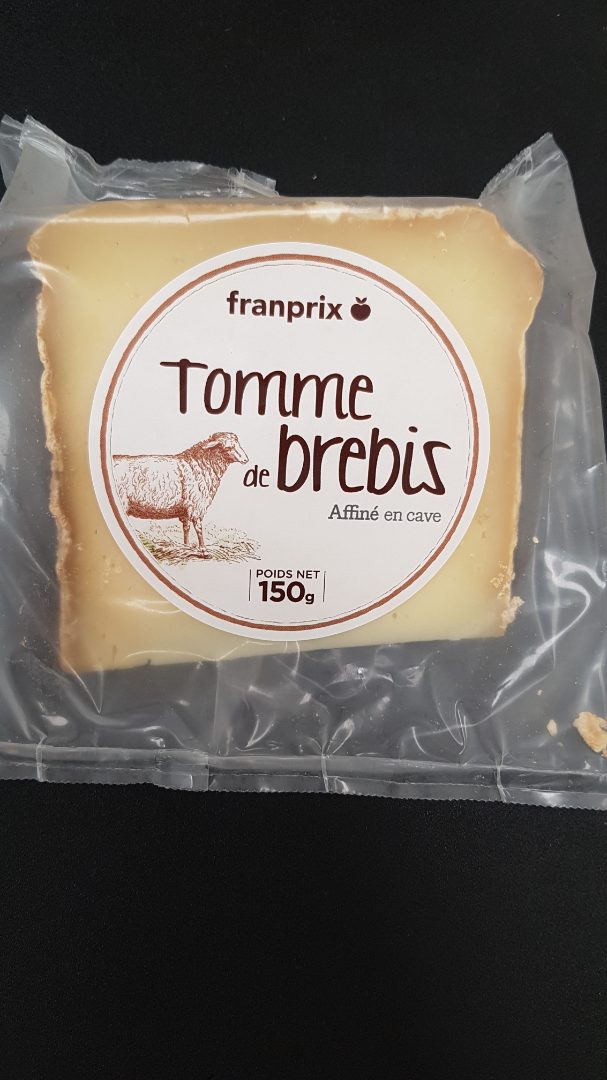
Which product:
Posted in food contamination, food handler, Food Hazard, Food Hygiene, Food Inspections, Food Micro Blog, Food Microbiology, Food Microbiology Blog, Food Microbiology Testing, Food Pathogen, food recall, Food Safety, Food Safety Alert, Food Safety Management, Food Testing, Food Virus, Hepatitis E, Virus

| GTIN | Lot | Date |
|---|---|---|
| 3263859364410 | vf059 | Date of minimum durability 08/22/2022 |
Posted in food contamination, food handler, Food Hazard, Food Hygiene, Food Inspections, Food Micro Blog, Food Microbiology, Food Microbiology Blog, Food Microbiology Testing, Food Pathogen, food recall, Food Safety, Food Safety Alert, Food Safety Management, Food Testing, Listeria, Listeria monocytogenes

| GTIN | Batch | Date |
|---|---|---|
| 1111111111116 | Unit self-service tray (1 slice) | Use-by date between 25/07/2022 and 29/07/2022 |