Alert type: Food
Date of first publication:
09/27/2022
Product name:
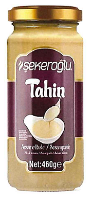
SEKEROGLU TAHIN 460G
Manufacturer (distributor):
Akar Ltd
Reason for warning:
Salmonella

09/27/2022
SEKEROGLU TAHIN 460G
Akar Ltd
Salmonella
Posted in food contamination, food handler, Food Hazard, Food Hygiene, Food Inspections, Food Micro Blog, Food Microbiology, Food Microbiology Blog, Food Microbiology Testing, Food Pathogen, food recall, Food Safety, Food Safety Alert, Food Safety Management, food safety training, Food Testing, Salmonella

| Batch | Date | |
|---|---|---|
| 22331 | Date of minimum durability between 06/11/2022 and 20/11/2022 | |
Posted in food contamination, food handler, Food Hazard, Food Hygiene, Food Inspections, Food Micro Blog, Food Microbiology, Food Microbiology Blog, Food Microbiology Testing, Food Pathogen, food recall, Food Safety, Food Safety Alert, Food Safety Management, Food Testing, Listeria, Listeria monocytogenes
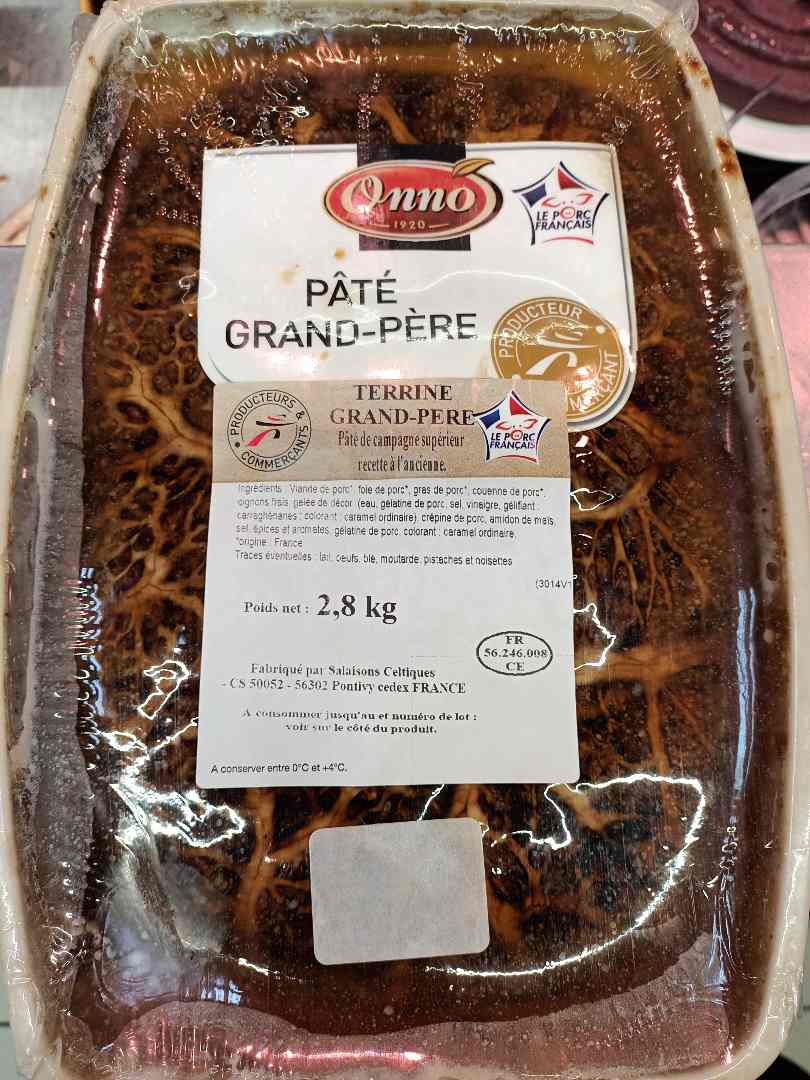
| Batch | Date | |
|---|---|---|
| PY01200235 | Use-by date 06/10/2022 | |
Posted in food contamination, food handler, Food Hazard, Food Hygiene, Food Inspections, Food Micro Blog, Food Microbiology, Food Microbiology Blog, Food Microbiology Testing, Food Pathogen, food recall, Food Safety, Food Safety Alert, Food Safety Management, food safety training, Food Testing, Salmonella
Do not consume, use, sell, serve, or distribute recalled products
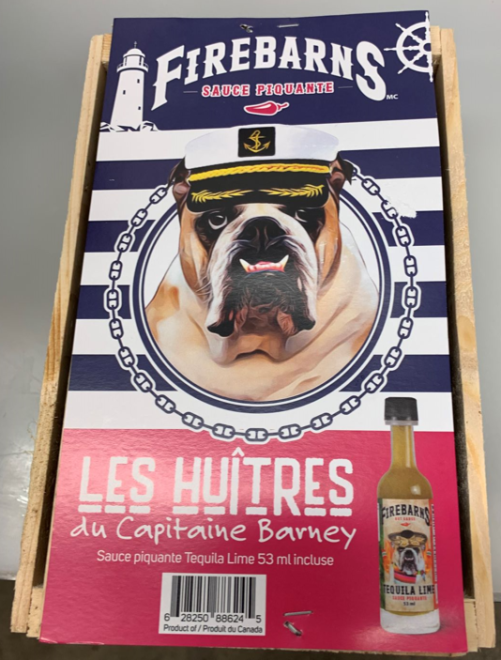
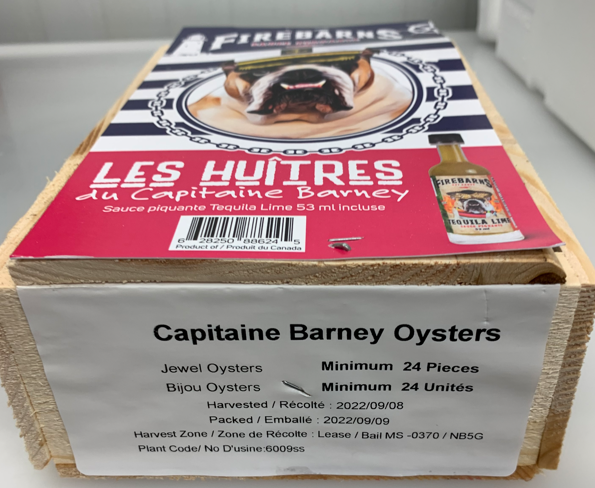
The affected products are being recalled from the marketplace due to possible Salmonella contamination.
The recalled products have been sold in Ontario and Quebec and may have been distributed in other provinces and territories.
These products may have been sold clerk-served from counters with or without a label or coding. Consumers who are unsure if they have purchased the affected product are advised to contact their retailer.
Food contaminated with Salmonella may not look or smell spoiled but can still make you sick. Young children, pregnant women, the elderly and people with weakened immune systems may contract serious and sometimes deadly infections. Healthy people may experience short-term symptoms such as fever, headache, vomiting, nausea, abdominal cramps and diarrhea. Long-term complications may include severe arthritis.

| GTIN | Batch | Date |
|---|---|---|
| 352368043666 | 2222570002 | Use-by date 09/26/2022 |
| 352368043666 | 2222580002 | Use-by date 09/27/2022 |
| 352368043666 | 2222620116 | Use-by date 01/10/2022 |
| 352368043666 | 2222650003 | Use-by date 04/10/2022 |
Posted in food contamination, food handler, Food Hazard, Food Hygiene, Food Inspections, Food Micro Blog, Food Microbiology, Food Microbiology Blog, Food Microbiology Testing, Food Pathogen, Food Poisoning, food recall, Food Safety, Food Safety Alert, Food Safety Management, Food Testing, Food Toxin, Vibrio, Vibrio vulnificans, Vibrio vulnificus

The Food Standards Agency (FSA) has published a report analysing 20 years of data on antimicrobial resistance (AMR) in Campylobacter from retail chicken in the UK.
The study aimed to assess any trends during this 20-year period and provides a baseline against which to evaluate future, hoped-for reductions in AMR.
AMR is when bacteria adapt to become resistant to the killing effects of antimicrobials, such as antibiotics. This resistance subsequently makes such infections in humans more difficult to treat using drugs. AMR can develop in any bacteria, including Campylobacter. Campylobacter is the main cause of bacterial food poisoning in the developed world and it is estimated that there are in excess of half a million cases annually in the UK.
The FSA’s Science lead in Microbiological Risk Assessment, Dr Paul Cook, said:
“While the data shows a marked increase in AMR in Campylobacter to certain antimicrobials, it is encouraging that there has been no significant increase in resistance since 2014.
“Any increase of AMR in Campylobacter is a concern and continued surveillance is essential. We will continue to carry out AMR surveillance in chicken and other meats and to monitor any long-term trends in resistance, while promoting good food hygiene practice to reduce exposure to AMR bacteria and protect consumer safety.”
Since its formation in 2000, the FSA has commissioned several UK-wide retail surveys and sampling studies that involved testing for Campylobacter in chicken. A significant proportion of the Campylobacter isolates detected were further tested to assess resistance to a range of antimicrobials.
Key findings from this report vary between the five main types of antimicrobial drugs included in the study. Resistance to quinolones (ciprofloxacin and nalidixic acid) and tetracycline was common in the most prevalent types of Campylobacter from chicken (Campylobacter jejuni and Campylobacter coli). In comparison, resistance to erythromycin and streptomycin was much rarer in the Campylobacter isolates examined. Gentamicin resistance was very rare.
There are effective ways for consumers to reduce exposure to AMR bacteria. This includes cleaning surfaces properly, cooking food thoroughly, chilling food at the correct temperature and handling food hygienically so it doesn’t cross contaminate other foods or surfaces. For any fruit or vegetables consumed raw, make sure they are washed thoroughly or peeled as this will help to remove any visible dirt or bacterial contamination.
For more information on AMR, including an ‘FSA Explains’ video, visit our dedicated AMR webpage. The research report is available on our research pages.
Posted in antimicrobial resistance, Antimicrobials, Campylobacter, campylobacter coli, Campylobacter jejuni, Decontamination Microbial, Food Micro Blog, Food Microbiology, Food Microbiology Blog, Food Microbiology Research, Food Microbiology Testing, fsa, microbial contamination, Microbiological Risk Assessment, Microbiology, Microbiology Investigations, Microbiology Risk, Research, Retailer Campylobacter Survey
WUDY pork sausages 250g

AIA Agricola Italiana Alimentare Spa Piazzale Apollinare Veronesi, 1 (ex via Sant’Antonio, 60) 37036 San Martino Buon Albergo (VR) Italia consumer hotline: +39 0445230153 (Monday – Friday from 08.00 to 17.00)
When these products were analyzed, the germ Listeria Monocytogenes was detected.
Posted in food contamination, food handler, Food Hazard, Food Hygiene, Food Inspections, Food Micro Blog, Food Microbiology, Food Microbiology Blog, Food Microbiology Testing, Food Pathogen, food recall, Food Safety, Food Safety Alert, Food Safety Management, Food Testing, Listeria, Listeria monocytogenes
PAVO poultry sausages

AIA Agricola Italiana Alimentare Spa Piazzale Apollinare Veronesi, 1 (ex via Sant’Antonio, 60) 37036 San Martino Buon Albergo (VR) Italia consumer hotline: +39 0445230153 (Monday – Friday from 08.00 to 17.00)
When these products were analyzed, the germ Listeria Monocytogenes was detected.
Various, see Further information
Various, see Further information
EAN numbers see further information
Posted in food contamination, food handler, Food Hazard, Food Hygiene, Food Inspections, Food Micro Blog, Food Microbiology, Food Microbiology Blog, Food Microbiology Testing, Food Pathogen, food recall, Food Safety, Food Safety Alert, Food Safety Management, Food Testing, Listeria, Listeria monocytogenes
Various WUDY poultry sausages, some with cheese preparation
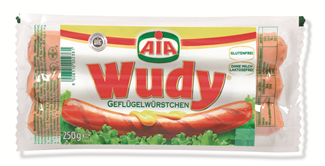
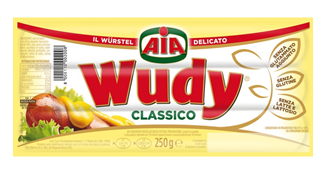
AIA Agricola Italiana Alimentare Spa Piazzale Apollinare Veronesi, 1 (ex via Sant’Antonio, 60) 37036 San Martino Buon Albergo (VR) Italia consumer hotline: +39 0445230153 (Monday – Friday from 08.00 to 17.00)
When these products were analyzed, the germ Listeria Monocytogenes was detected.
Various, see Further information
Various, see Further information
EAN numbers see further information
For more information, please refer to the attached consumer information.
Posted in food contamination, food handler, Food Hazard, Food Hygiene, Food Inspections, Food Micro Blog, Food Microbiology, Food Microbiology Blog, Food Microbiology Testing, Food Pathogen, food recall, Food Safety, Food Safety Alert, Food Safety Management, food safety training, Food Testing, Listeria, Listeria monocytogenes
WUDY and PAVO brand poultry sausages
Manufacturer/distributor: AIA SpA from Italy The product has also been placed on the German market by various companies.
Listeria monocytogenes
Reference is made to the warning from Austria and the attached link: https://www.ages.at/mensch/product-warnings-productrueckrufe/product/gefluegelwuerstchen-der-marken-wudy-und-pavo .
Posted in food contamination, food handler, Food Hazard, Food Hygiene, Food Inspections, Food Micro Blog, Food Microbiology, Food Microbiology Blog, Food Microbiology Testing, Food Pathogen, food recall, Food Safety, Food Safety Alert, Food Safety Management, food safety training, Food Testing, Listeria, Listeria monocytogenes


