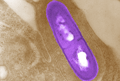
RASFF – Bacillus cereus (13000 /g) in pasta salad from France in Luxemberg
RASFF – Bacillus cereus (1.4 x 10^5; 2.1 x 10^5 CFU/g) in Maldive fish sambol from Sri Lanka in th UK

RASFF – Ochratoxin A (35.63 µg/kg – ppb) in black pepper from Indonesia in Poland
RASFF -Aflatoxins (B1 = 11 µg/kg – ppb) in peanuts in shell from Egypt in Slovenia
RASFF -Ochratoxin A (20.6 µg/kg – ppb) in curry powder from India, via the United Kingdom in Germany
RASFF – Aflatoxins (B1 = 23.2; Tot. = 25.4 µg/kg – ppb) in roasted and salted pistachio nuts from the United States in Germany
RASFF – Aflatoxins (B1 = 27.8; Tot. = 28.7 µg/kg – ppb) in peanut kernels from the United States, via the Netherlands in Germany
RASFF – Ochratoxin A (41.58 mg/kg – ppm) in black pepper from Indonesia in Poland
RASFF – Aflatoxins (B1 = 14; Tot. = 36 µg/kg – ppb) in dried figs from Turkey in the Netherlands
RASFF – Aflatoxins (B1 = 23 µg/kg – ppb) in groundnut kernels from China in the Netherlands
RASFF – Aflatoxins (Tot. = 13.1 / B1 = 12.9; Tot. = 57 µg/kg – ppb) in shelled almonds from the United States in Spain
RASFF – Aflatoxins (B1 = 72 / B1 = 79.3 / B1 = 32.3 / B1 = 105.9 µg/kg – ppb) in maize from Ukraine in Italy
RASFF – Aflatoxins (B1 = 28 µg/kg – ppb) in copra expeller from Indonesia, via Germany in Belgium
RASFF – Aflatoxins (B1 = 36.5 µg/kg – ppb) in copra expeller from Indonesia in Belgium
RASFF – Salmonella Brandenburg (presence /25g) and Salmonella enterica (presence /25g) in chicken meat from Brazil in Sweden
RASFF – Foodborne outbreak (Salmonella spp.) caused by eggs from Spain in France
RASFF – Salmonella Dublin (presence /25g) in frozen beef trimmings from Ireland in Sweden
RASFF -Salmonella in frozen spiced boneless skinless turkey half breasts from Brazil in the UK
RASFF – Salmonella in frozen spiced boneless skinless turkey half breasts from Brazil in the UK
RASFF – Salmonella spp. (presence /25g) in wild rocket sandwich from Italy, via the United Kingdom in Ireland
RASFF – Salmonella enteritidis (presence /25g) in frozen hens from Poland, with raw material from the Czech Republic in Poland
RASFF – Salmonella spp. (presence /25g) in maltodextrin from France in Belgium
RASFF – Salmonella in frozen poultry meat from Brazil in Spain
RASFF – Salmonella Heidelberg (presence /25g) in frozen chicken from Brazil in Spain
RASFF -Salmonella spp. (O:4,5 /25g) in dog chew from India in Germany
RASFF – Salmonella Give (presence /25g) in processed animal proteins (porc) from the Netherlands in Belgium
RASFF – Salmonella spp. (presence /25g) in dog chews from India in Germany
Posted in Bacteria, Food Hygiene, Food Inspections, Food Micro Blog, Food Microbiology, Food Safety, Food Safety Alert, Food Testing, Hygiene, Microbiology, Pathogen, RASFF, Recall, Salmonella
Tagged animal proteins, foodborne outbreak, frozen poultry, poultry meat, salmonella enterica, salmonella enteritidis
Les Freres cheese is distributed by Crave Brothers Farmstead Classics, a Wisconsin producer. Crave Brothers cheese is sold at some of the Midwest restaurants, including Girl and the Goat in Chicago, Wild Rice in Bayfield, Wisconsin, and Butcher and the Boar in Minneapolis. In the Twin Cities, it is also sold at grocery stores such as Lunds, Byerly’s and Kowalski’s. The products were distributed nationwide through retail and foodservice outlets as well as by mail orders.
According to the Minnesota Department of Health (MDH), two older adults in Minnesota got sick in early June after eating the cheese, and one later died.
The outbreak has sickened at least four others in three states, according to the Food and Drug Administration (FDA). In addition to Minnesota, the other states involved are Illinois, Indiana and Ohio. One of the cases was a pregnant woman who suffered a miscarriage.
All of those sickened were infected with the same strain of listeriosis, the FDA said.
Posted in Bacteria, FDA, Food Hygiene, Food Illness, Food Inspections, Food Micro Blog, Food Microbiology, Food Poisoning, Food Safety, Food Testing, Foodborne Illness, Hygiene, Illness, Listeria, Listeria monocytogenes, Microbiology, Miscarriage, outbreak, Pathogen
Tagged food and drug administration, food and drug administration fda, minnesota department of health mdh
The first part of EFSA’s analysis of an EU-wide baseline survey on Listeria monocytogenes published today provides valuable insights into the presence of this bacteria in certain ready-to-eat foods (fish, cold meats and soft cheeses[1]). The proportion of food samples exceeding the legal food safety limit was low. However, given the popularity of these foods and the severe implications that Listeria infections (listeriosis) can have on human health, overall vigilance regarding the possible presence of the bacteria in food is warranted. To prevent listeriosis, EU legislation lays down specific rules for food business operators including the need to follow good manufacturing practices, appropriate food hygiene programmes, and effective temperature control throughout the food chain. Experts highlighted the importance of these measures as well as proper storage of these foods in the home, keeping refrigerator temperatures low.
Posted in Bacteria, EFSA, Eurofins Laboratories, Food Hygiene, Food Illness, Food Inspections, Food Micro Blog, Food Microbiology, Food Poisoning, Food Safety, Food Testing, Foodborne Illness, Hygiene, Laboratory, Listeria, Listeria monocytogenes, Listeria welshimeri, Microbiology, Pathogen, Research
Tagged climate, listeria infections, refrigerator temperatures, science, soft cheeses
The Food Standards Agency is reminding those who eat or use fresh curry leaves in their dishes, to ensure that the leaves are washed thoroughly before use. Cooking provides further assurance that these leaves are safe to eat.
The use of uncooked fresh curry leaves, which were contaminated with several different bacteria including salmonella, was the cause of a food poisoning outbreak which affected more than 400 people at the Street Spice festival in Newcastle. Further information on the recent Newcastle City Council and Public Health England investigation into this incident can be found on the PHE website. See ‘External sites’ links.
The Rhode Island Department of Health (HEALTH) advises consumers not to eat Mediterranean Olives: Calcidica Sweet (Brand: Bel Frantoio) sold at any Ocean State Job Lot (OSJL) stores. OSJL is voluntarily recalling the product after HEALTH staff discovered that these products were not handled appropriately to prevent production of the toxin that causes botulism.
Mediterranean Olives: Calcidica Sweet, produced by Bel Frantoio and packaged in 34-oz. plastic containers, were sold in OSJL stores in New York and throughout the Northeast (Rhode Island, Massachusetts, Connecticut, New Hampshire, Vermont and Maine). This product is being voluntarily recalled because it is labeled “Keep Refrigerated,” but was sold at room temperature, making it susceptible to contamination with Clostridium botulinum.
Other olive products produced by Bel Frantoio that were sold at Ocean State Job Lot, as well as other brands of olives, do not currently pose a safety issue. This recall applies only to this product sold at Ocean State Job Lot.
This product sold elsewhere, where refrigerated, is safe for consumption.
Ingestion of botulinum toxin from improperly stored foods can lead to serious illness and death.
Anyone who has eaten this product and has experienced abdominal cramps; difficulty breathing, speaking or swallowing; double vision; muscle weakness; muscle aches; nausea; vomiting; diarrhea; or fever should contact their healthcare provider immediately for evaluation and treatment. The young, elderly, immune-compromised, and pregnant women are especially susceptible to foodborne illness.
No illnesses associated with this recall have been reported at this time
Posted in Bacteria, Clostridium botulinum, Eurofins Laboratories, Food Hygiene, Food Inspections, Food Micro Blog, Food Microbiology, Food Safety, Food Safety Alert, Food Testing, Laboratory, Microbiology, Pathogen, Recall
Tagged abdominal cramps, botulinum toxin, clostridium botulinum, ocean state job lot
Fifteen people took ill in a possible case of food poisoning during a trans-Atlantic flight Wednesday, officials told ABC News.
Inspectors with the local health department and U.S. Centers for Disease Control and Prevention met Delta Flight 72 as it arrived at Kennedy International Airport in New York around 5 p.m., airport officials said. The flight originated in Istanbul, Turkey.
“They had stomach cramps and were vomiting,” said one source.
The stricken passengers were interviewed and declined offers to be transported to a hospital for further treatment.
Posted in Bacteria, Food Hygiene, Food Illness, Food Inspections, Food Micro Blog, Food Microbiology, Food Poisoning, Food Safety, Food Safety Alert, Food Testing, Foodborne Illness, Microbiology
Tagged abc news, delta flight, istanbul turkey, kennedy international airport, local health department, stomach cramps
Harmony Chai is recalling its Concentrated Black Spiced Chai and Decaffeinated Rooibos Chai because it may not be properly processed and could possibly be contaminated with Clostridium botulinum bacteria. There have been no reported illnesses to date in connection with the consumption of this product.
A Campylobacter outbreak associated with raw milk produced on a farm in Cambridge, MN is the fourth Campylobacter raw milk outbreak in four months. The outbreak, which has sickened at least six people, prompted officials to temporarily halt on-farm sales of raw milk while they investigate and issue a statewide consumer advisory.
Campylobacter is a bacteria that is transfered via the fecal-oral route, meaning those who develop Campylobacter infections have ingested microscopic amounts of animal feces. Pasteurization kills bacteria that cause disease, but raw mik is not pasteurized