RASFF – shigatoxin-producing Escherichia coli in chilled beef loins from Uruguay in Germany
RASFF – shigatoxin-producing Escherichia coli (presence /25g) in chilled beef from Argentina in Italy

RASFF – enterotoxin producing Bacillus cereus (22000 CFU/g) in dried black fungus from Vietnam in Finland
RASFF – Listeria monocytogenes (presence /25g) in blood sausages from Estonia in Estonia
RASFF – Salmonella (present /25g) in frozen sliced seasoned raw chicken from Poland in France
RASFF – Salmonella (present in 1 out of 5 samples /25g) in frozen salted chicken half breasts from Brazil in the UK
RASFF – Salmonella in black pepper from Brazil in France
RASFF – Salmonella enterica ser. Enteritidis (present /25g) in chilled chicken meat from Belgium, with raw material from the Netherlands in Belgium
RASFF – Salmonella (in 1 out of 5 samples /25g) in black pepper from Brazil in France
RASFF – Salmonella enterica ser. Typhimurium (in 4 out of 5 samples /25g) in white mustard seeds from Poland in Poland
RASFF – Salmonella enterica ser. Bareilly (present /25g) in egg powder from the Czech Republic in the Czech Republic
RASFF – Salmonella enterica ser. Virchow (presence /25g) in dried whole chilli from Vietnam in Finland
RASFF – Salmonella (presence /25g) and high counts of Enterobacteriaceae (27000 CFU/g) and of Pseudomonas spp. (6400000 CFU/g) in chilled swordfish from Sri Lanka in Germany
RASFF – Salmonella enterica ser. Enteritidis (presence /25g) in chicken eggs from France in France
GHSW, LLC, a Houston, Texas establishment, is recalling approximately 1,786 pounds of ready-to-eat salad with chicken products that contain a corn ingredient that may be contaminated with Salmonella and Listeria monocytogenes, the U.S. Department of Agriculture’s Food Safety and Inspection Service (FSIS) announced today.
The ready-to-eat salads with chicken were produced from Oct. 1, 2018 through Oct. 18, 2018.
The problem was discovered on Oct. 15, 2018, when GHSW, LLC received notification that the corn used in the production of their ready-to-eat salad products was being recalled by their corn supplier due to Listeria monocytogenes and Salmonella concerns.
There have been no confirmed reports of adverse reactions due to consumption of these products. Anyone concerned about an injury or illness should contact a healthcare provider.

Image CDC
The Centre for Food Safety (CFS) of the Food and Environmental Hygiene Department today (July 8) announced the results of a recently completed targeted food surveillance project on coagulase-positive staphylococci organisms (including Staphylococcus aureus) in ready-to-eat food. All samples passed the test.
A spokesman for the CFS said that a total of 300 ready-to-eat food samples were collected from different retail outlets (including online retailers) and food factories for testing of coagulase-positive staphylococci organisms this year. The samples included meat, poultry and their products (for example shredded chicken, siu mei and lo mei), salad, sashimi and sushi, dessert, Chinese cold dishes, sandwiches and steamed rice rolls.
The spokesman pointed out that Staphylococcus aureus is a common bacterium that can cause food poisoning. It exists widely in the environment and is commonly found in the nasal cavity, throat, hair and skin of healthy individuals. It is also present in large numbers in wounds and infected regions. If food handlers do not observe good personal hygiene, Staphylococcus aureus can pass to foods from them. Foods stored at ambient temperature for a prolonged period will allow the toxin-producing Staphylococcus aureus to multiply and form elaborate enterotoxins which can cause food poisoning. Although most cases of infection are caused by Staphylococcus aureus, other coagulase-positive staphylococci species can also produce enterotoxins which can lead to food poisoning.
Food poisoning caused by coagulase-positive staphylococci organisms is usually associated with foods that require considerable manual handling during preparation and no subsequent cooking is required before consumption. The poisoning risk cannot be eliminated by reheating as enterotoxins produced by coagulase-positive staphylococci organisms cannot be destroyed under normal cooking temperatures. Common symptoms of food poisoning caused by coagulase-positive staphylococci organisms include nausea, vomiting and abdominal pain, often accompanied by diarrhoea.
“Despite the fact that test results of the samples were all satisfactory, the trade and the public should not take the risk lightly. They should always maintain good personal, environmental and food hygiene to ensure food safety. To prevent food poisoning caused by coagulase-positive staphylococci organisms, members of the public are reminded to keep perishable foods or leftovers at or below 4 degrees Celsius or above 60 degrees C. The trade should adhere to the Good Manufacturing Practice that cooked food should be cooled from 60 degrees C to 20 degrees C as quickly as possible (within two hours), and from 20 degrees C to 4 degrees C within four hours or less,” the spokesman said.
Public Health investigated an outbreak of salmonellosis (caused by Salmonella bacteria) associated with a private event held on April 20, 2019. Multiple potluck items were brought by party attendees. Assorted smoked and barbecued meat was also provided, including pork (whole pigs cut into quarters), turkey legs, and lamb. Some of this meat was partially prepared in a private residence.
Laboratory testing indicates this outbreak strain closely matches a national outbreak strain of Salmonella Reading related to raw turkey products, which suggests turkey as the likely source of illnesses from this private event. The national outbreak investigation is final, but CDC continues to monitor for reports of ill people because this Salmonella strain is present in the turkey industry.
Because we were unable to gather details about all foods served and consumed at this event and because no product remained for testing, we cannot identify the exact food item that was responsible for the illnesses.
This outbreak appears to be over, but the recalled flour products have long shelf lives and may still be in people’s homes. Consumers who don’t know about the recalls could continue to eat the products and get sick.

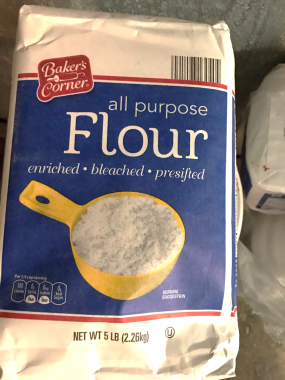
Several brands and types of flour were recalled because they may be contaminated with E. coli. Consumers should not use recalled products. The following products were recalled:
Brand Castle Mixes
Pillsbury Best Bread Flour
King Arthur Flour
ALDI Baker’s Corner All Purpose flour
Consumers should not use any of the recalled flour. Throw it out.
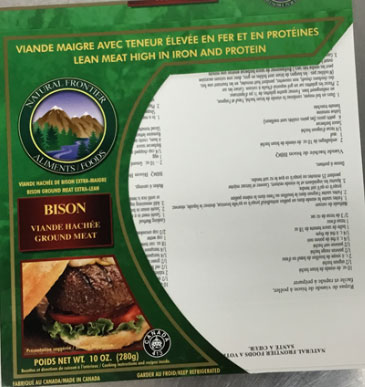
Ottawa, July 16, 2019 – Northfork Bison Distributions Inc. is voluntarily recalling ground bison products from the marketplace due to possible E. coli O121 and O103 contamination. Consumers should not consume the recalled products see link above.
The CFIA is verifying that industry is removing recalled product from the marketplace.
There have been no reported illnesses associated with the consumption of these products in Canada. However, there have been reported illnesses in the United States linked to these products.
The U.S. Food and Drug Administration (FDA), along with the Centers for Disease Control and Prevention (CDC), state and local partners in the U.S., and with the support of the Canadian Food Inspection Agency (CFIA), are investigating a multistate outbreak of E. coli O121 and E. coli O103 illnesses likely linked to ground bison supplied by Northfork Bison Distributions Inc. of Saint-Leonard, Québec, Canada.
The FDA and CDC analyzed traceback and epidemiological information to determine that ground bison supplied by Northfork Bison Distributions Inc. is the likely cause of the illnesses.
FDA regulates bison meat because the authority is not assigned specifically to the United States Department of Agriculture’s (USDA) Food Safety and Inspection Service (FSIS) in the Federal Meat Inspection Act (FMIA).

Distributors, retailers and restaurants should not distribute, use or serve ground bison (including bison burgers) recalled by Northfork Bison Distributions Inc.
As of July 16, 2019, Northfork Bison Distributions Inc. is voluntarily recalling its ground bison, referred to as Bison Ground, and its ground bison patties, referred to as Bison Burgers and/or Buffalo Burgers, produced between February 22, 2019, and April 30, 2019.
Consumers should not eat products prepared using recalled ground bison (including bison burgers) sold under the Northfork Bison label including Bison Burgers sold to retailers in 4 x 4-ounce packages with expiration dates through October 8, 2020.
Northfork Bison Distributions Inc. has been quick to initiate a voluntary recall and has been forthcoming with information to aid in the investigation. The investigation is ongoing and updates will be provided when available.