Category Archives: Food Illness

Canada – CFIA Recall Salad – Listeria monocytogenes

CFIACIFA

Dole Fresh Vegetables Inc. is recalling Dole brand Italian Blend salad from the marketplace due to possible Listeria contamination. Consumers should not consume the recalled product described below.

The following product is known to have been distributed in Ontario, Quebec and New Brunswick and may have been also been distributed in other provinces.

Recalled products

Brand Name Common Name Size Code(s) on Product UPC
Dole Italian Blend Salad 10 oz. (283 g) Best Before: 14-MR-12 0 71430 00819 5

Research – Levels of microbial contamination of domestic refrigerators in Italy

Science Direct iStock_000012710183Small

Aim

According to the EFSA Report 2013, 32.7% of outbreaks of foodborne illness registered in Europe occurs within the home, due to inadequate hygienic behaviour of consumers when preparing foods in the kitchen. The efficacy of proper cleaning of cutting boards, dishes and cutlery in limiting microbial cross-contaminations in the kitchen has been documented many times, whereas few researches have been performed to determine the microbial load of the internal walls of domestic refrigerators, in Italy. The aim of this investigation is to ascertain the role played by internal surfaces of home refrigerators as possible sources of microbial contamination of foods.

Material and methods

We analyzed 293 domestic refrigerators of students or workers at the university campus of Agripolis (Legnaro, Italy). For each refrigerator, 2 internal surfaces were sampled using sponge-bags. The amounts of total viable count (TVC), Gram-negative spoiling bacteria, moulds and yeasts and the main pathogenic bacterial species were determined.

Results

TVCs greater than 1 log CFU cm−2 are in a little over 50% of the samples analyzed and are found mainly on the bottom of the refrigerator (61%) compared to the walls (39%) (P < 0.001). Even for other microbial counts the risk ratio of finding them on the bottom of the refrigerator is significantly higher than on the walls; the possibility of there being a finding on the bottom with respect to the walls varies from 2.5 to 8.5 times respectively for moulds and Aeromonas spp. Salmonella spp. was found in 1.7% of the samples, Bacillus cereus in 5.6%, Coagulase-positive staphylococci (CPS) in 4%, the prevalence of which is always higher on the bottom of the refrigerator. Listeria monocytogenes and Yersinia enterocolitica were never found.

Conclusions

It is necessary to better educate consumers to clean their appliances more frequently.

RASFF Alerts – Listeria in Mushrooms – Norovirus in Clams – Salmonella in Chicken and Sesame

RASFF-Logo

RASFF – Listeria monocytogenes in mushrooms from Ireland

RASFF -norovirus (GII) in frozen clams (Venus gallina) from Vietnam in Italy

RASFF -Salmonella spp. (presence /25g) in frozen salted chicken breast fillet from Thailand in Denmark

RASFF -Salmonella spp. (present /25g) in hulled sesame seeds from India in Italy

Research – Poultry Food Safety Control Interventions in the Domestic Kitchen

Wiley Online Library imagesCAYZ5I84

Research was undertaken to investigate cross-contamination of the domestic kitchen environment during poultry fillet preparation using a streptomycin-resistant strain of Pseudomonas fluorescens as a model organism. The potential role of a cook-in-the-bag technology to control this cross-contamination was also investigated. Poultry fillets were inoculated with P. fluorescens (6.06 log10 CFU/cm2). Six people were challenged to unpack, defrost, cut and cook without contaminating the preparation environment. After preparation, the chopping board, knife blade, dishcloth, refrigerator handle, oven handle, oven buttons, draining board, tap, microwave handle, microwave buttons, plate, tinfoil and press handle were tested for the presence of the P. fluorescens strain, before and after washing. The experiment was then repeated with a precut cook-in-the-bag product. In a separate experiment, the effect of freezing and frozen storage (−20C) on Campylobacter and the sensory attributes of chicken fillets were investigated. The cook-in-the-bag approach considerably reduced the incidence and levels of cross-contamination in the domestic kitchen. Freezing significantly (P < 0.05) reduced the Campylobacter counts on inoculated fillets after 7 days at −20C (1.73 log10 CFU/g). While there was no adverse effect on taste, fillets that had been frozen were significantly more “firm” and “less moist” as compared with fresh product.

Canada – Dried Egg Products Recall – Salmonella

CFIA

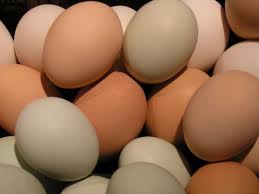
Vanderpol’s Eggs Ltd. is recalling Ova Easy brand Tasty Nutritious Egg dried egg product from the marketplace due to possible Salmonella contamination. Consumers should not consume the recalled product described below.

This recall was triggered by a recall in another country. The Canadian Food Inspection Agency (CFIA) is conducting a food safety investigation, which may lead to the recall of other products.  If other high-risk products are recalled the CFIA will notify the public through updated Food Recall Warnings.

No illnesses have been reported

USA – Egg Product Recall – Salmonella

Food Safety News EGGS

Nutriom LLC of Lacey, WA, is recalling approximately 226,710 pounds of processed egg products that may be contaminated with Salmonella,the U.S. Department of Agriculture’s Food Safety and Inspection Service (FSIS) announced Saturday.

UK -Four more E.coli O157 Cases in Scotland Linked to Burgers

STV NewsBurger

Four more cases of E coli have been linked to the SSE Hydro in Glasgow, health bosses said.

The new cases bring the total number to 15 and are all linked to events at the venue on January 17, 18 and 19.

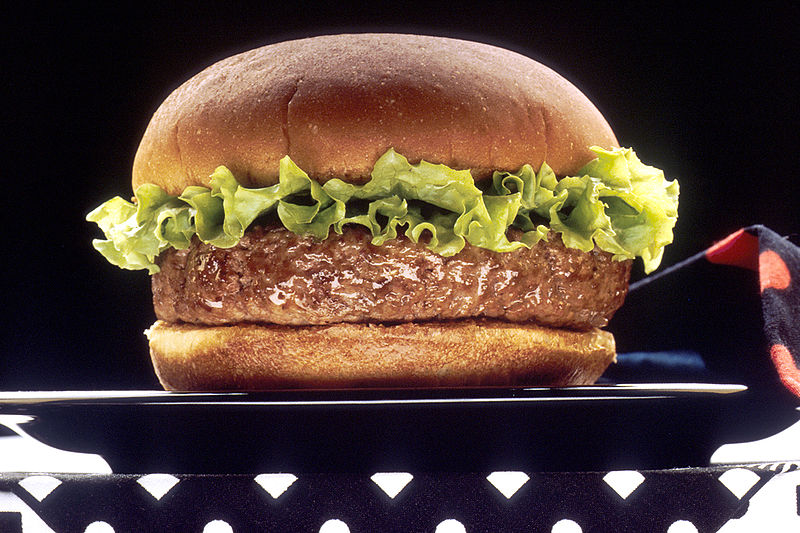
An investigation by NHS Greater Glasgow and Clyde (NHSGGC) alongside other public health bodies has indicated that burgers sold at the Hydro could have been the cause of the outbreak.

USA – Chicken Livers – Campylobacter

Orgeon Food Safety AlertsCampylobacter_jejuni_01

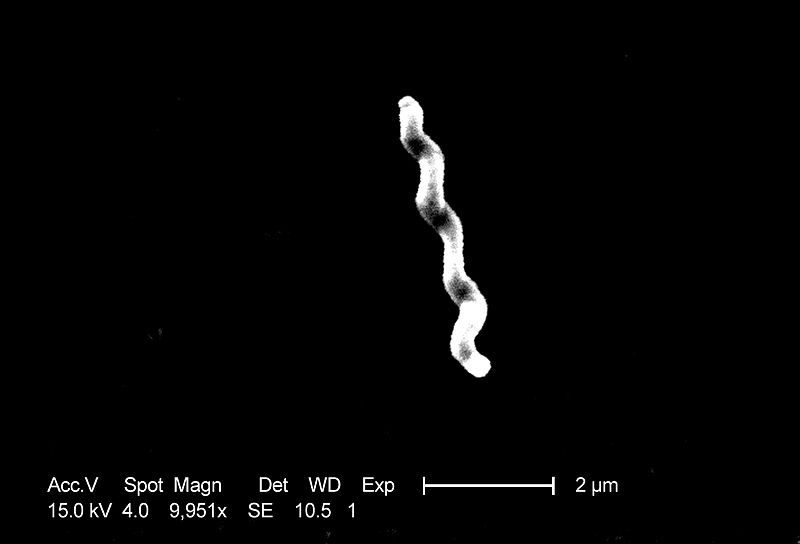
Since December 2013, Oregon health officials have been looking into the source of Campylobacteriosis that has sickened five individuals in Oregon and Ohio. All cases report eating undercooked or raw chicken livers; most cases consumed chicken livers prepared as pâté. The cases in Ohio ate chicken liver pâté while visiting Oregon. The Oregon Health Authority is working with USDA and CDC.

This is the second reported multistate outbreak of campylobacteriosis associated with consumption of undercooked chicken liver in the United States.

Oregon Live

A high-end chicken product enjoyed in high-end restaurants in Portland is part of a small food poisoning outbreak in Oregon.

Health officials issued a public health alert Tuesday, saying six people who consumed undercooked or raw chicken livers were infected with campylobacter, a common foodborne pathogen. Three people live in Oregon and two others were visiting the state from Ohio. The outbreak includes one person in Washington state who got sick after consuming chicken liver pills. Most of the others ate chicken liver pate.


USA – Another Cruise Ship Norovirus Outbreak

Food Poisoning JournalNorwalk_Caspid

Royal Caribbean Cruises Ltd.’s ship Explorer of the Seas is returning two days early to its New Jersey port after a stomach illness struck more than 600 people out of about 4,200 onboard, NBC News reported late Sunday. The 564 passengers and 47 crew members on the 10-day cruise to the U.S. Virgin Islands reported symptoms suggesting a possible norovirus outbreak, the report said, citing an official with the Centers for Disease Control and Prevention. The incident follows the outbreak of a gastrointestinal illness aboard another ship earlier this month.

Food Poisoning Journal

NBC News reports that U.S. health officials are expected to board a Royal Caribbean cruise ship in the Virgin Islands on Sunday to investigate a possible outbreak of highly contagious norovirus that has sickened more than 300 passengers and crew members.

The Explorer of the Seas ship stopped part way through a 10-day cruise from Cape Liberty, N.J., to the Caribbean island of St. Maarten after reports of vomiting and diarrhea, according to the cruise line and the Centers for Disease Control and Prevention.

UK – Honey and Botulism

Botulism BlogClost

Two British babies have contracted a rare life-threatening disease triggered by eating honey.

The boys, aged three months and five months, had to be put on life-support machines suffering from infant botulism.

Both had been feeding badly and showed typical symptoms – a floppy head, drooping eyelids and constipation. They were cured only after medication costing £50,000 a dose was flown in from America.

The incidents, confirmed last week, have prompted public health chiefs to warn that infants under one should not be given honey.