Category Archives: Eurofins Laboratories

Canada – Pumpkin Butter – Clostridium botulinum

CFIA

The Canadian Food Inspection Agency (CFIA) and Birtch Farms and Estate Winery are warning the public not to consume the Birtch Farms and Estate Winery brand Pumpkin Butter because it may be contaminated with Clostridium botulinum. Toxins produced by these bacteria may cause botulism, a life-threatening illness.

The affected product, Birtch Farms and Estate Winery brand Pumpkin Butter, was sold in 110 ml and 250 ml jars. All lot codes are affected by this alert.

This product has been distributed in Ontario.

There have been no reported illnesses associated with the consumption of this product.

Food contaminated with Clostridium botulinum toxin may not look or smell spoiled. Consumption of food contaminated with the toxin may cause nausea, vomiting, fatigue, dizziness, headache, double vision, dry throat, respiratory failure and paralysis. In severe cases of illness, people may die.

The manufacturer, Birtch Farms and Estate Winery, Woodstock, ON, is voluntarily recalling the affected product from the marketplace. The CFIA is monitoring the effectiveness of the recall.

European Alerts – Salmonella-Listeria-Pseudomonas and Ciguatera

Denmark – Salmonella in Fresh Turkey Breast

RASFF – Salmonella in Frozen Octopus in Italy sourced in Indonesia

RASFF – Suspicion of ciguatera poisoning caused by fresh red snapper fillets in Czech Republic, Germany, Spain and the United Kingdom sourced in India. FDA – Ciguatera

France – Pseudomonas aeruginosa in Hand Gel recall

Switzerland – Listeria in Shoulder Ham


Canada – Another Peanut Butter Product Recall

CFIA

The Canadian Food Inspection Agency (CFIA) is warning the public not to consume, sell or serve the food product described below because the product may be contaminated with Salmonella.

These recalls are part of an ongoing food safety investigation. This recall of peanut butter products in Canada is related to the expanding peanut butter product recall in the USA by Sunland Inc. due to possible Salmonella Bredeney contamination.

The following product is affected by this alert:

Brand Product Size UPC Lot Code Distribution
Sunland Inc. Organic Dark Chocolate Creamy Peanut Butter 375 g 0 48687 89829 9 100326 QC, possibly national

There have been no illnesses reported in Canada associated with the consumption of these peanut butter products. However, there are confirmed Salmonella Bredeney illnesses in multiple states in the United States.

USA – Weekend Recalls – Salmonella and Listeria monocytogenes

Food Poisoning Bulletin – Salmonella in Peanut  Pet and Wild Bird Seed

Food Poisoning Bulletin – Publix Super Markets is recalling forty-five various cake products that may be contaminated with Listeria monocytogenes

FDA – Tony’s Imports and Exports of Clovis CA, is warning consumers, food distributors and food processors not to consume or purchase certain containers of AL-RABIH Tahineh (Sesame Paste) because they have the potential to be contaminated with Salmonella

France RASFF Alert – Salmonella in Salmon

RASFF – Salmonella in Chilled Salmon Steak in FranceSalmonella

Australia – Tasmanian Scallops PSP and Unsafe Poultry

AFNSalmonella Campylobacter

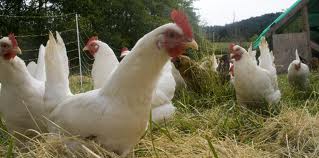
The Food Safety Information Council has released concerning national survey data this week that shows 60% of home cooks in Australia are putting themselves at additional risk of food poisoning from chicken.

The data showed that 60 per cent were at risk from washing whole poultry before it was cooked, which can spread bacteria around the kitchen. A further 16% of those surveyed incorrectly tasted chicken to see if it was cooked properly rather than using a safe meat thermometer.

The focus on cross-contamination of meats by the Food Safety Information Council (FSIC) comes as yesterday marked the start of Australian Food Safety Week. The FSIC week is specifically focusing on chicken and those most affected by food poisoning with the theme “vulnerable populations.”

Food Safety Information Council Chairman, Dr Michael Eyles said that chicken, as Australia’s most popular meat, was consumed by 8 in every ten home cooks.

”Home cooks are probably following what their parents or grandparents did in the past by washing poultry, not to mention probably patting it dry with a tea towel. Washing poultry splashes these bacteria around the kitchen cross contaminating sinks, taps, your hands, utensils, chopping boards and foods that aren’t going to be cooked like salads or desserts,” Dr Eyles said.

“Chicken is a healthy, convenient meal [but] other poultry is also becoming popular with just under half of those surveyed cooking whole turkey and 37% whole duck but these, too, are being washed before cooking, with 68% washing turkey and 74% duck,” he added.

According to a Food Standards Australia New Zealand survey referenced by the Food Safety Information Council, 84 per cent of raw chicken carcasses tested positive to the food poisoning bacteria Campylobacter and 22 per cent to Salmonella.

News Com Au

SCALLOPS from the east coast of Tasmania have joined the area’s mussels in being banned following a toxic algal bloom.

A scallop fishery in the White Rock area has been closed after the same paralytic shellfish toxin (PST) found in Spring Bay Seafood’s mussels was detected in samples taken on November 2.

“PST levels in tested scallops are currently either close to or slightly over the permitted level, but it’s possible the level will increase before it goes back down again,” a health department warning said.

The affected shellfish don’t look or taste different and the toxin is not destroyed by cooking or freezing, but there have been no reports of illness.

European Alerts – Salmonella, Listeria, Vibrio

RASFF – Salmonella in Frozen Beef Fat in Italy sourced in Lithuania

RASFF – Salmonella in Mussels in Italy sourced in Spain.

RASFF – Listeria monocytogenes in Radish Sprouts in Germany sourced in Italy.

RASFF– Listeria welshimeri in Alfalfa Sprouts in Germany sourced in the Netherlands

RASFF – Salmonella, Vibrio parahaemolyticus, Vibrio vulnificans in Frozen Shrimps in Denmark sourced in Panama

Denmark – Salmonella in Salad in Denmark 


European Alerts – Listeria monocytogenes – Salmonella

Luxembourg (French) – Listeria monocytogenes in Grated Ham in Luxembourg sourced in France (english translation)

Luxembourg (French) (English) – Listeria monocytogenes in Shredded Chicken in Luxembourg sourced in France.

RASFF – Salmonella in Pork Meat in Sweden sourced in Denmark

RASFF – Salmonella in Pet Food in Germany sourced in India


USA – Shellfish Vibrio Poisoning

Food Poisoning Bulletin Vibrio

The Cape Cod Times is reporting that eight cases of Vibrio food poisoning were reported in Massachusetts this year from oysters. Last summer the state designed new regulations to keep consumers safe from this bacteria, but they failed.  The eight cases were linked to oysters harvested from Wellfleet, Orleans, Edgartown, Duxbury, Kingston, Barnstable, and Dennis.

Vibrio populations double every 15 minutes, so keeping shellfish cool is critical to controlling bacterial growth.  

Vibrio was not seen in Massachusetts oysters until 2011 because the state’s colder water temperatures discouraged the growth of the bacteria. In every month in 2012, the mean air temperatures were higher than average, including the third-warmest April and the warmest August on record. Sea surface temperatures this year were the highest ever in the Northest.

Research – Norovirus and Cleaning

HACCPEUORPA

Noroviruses are a group of viruses that are the most common cause of gastroenteritis (stomach bugs). They are very contagious and can spread easily from person to person. People exposed to the virus usually develop symptoms of illness within 24 to 48 hours, but symptoms can occur as early as 12 hours after exposure.

Common-sense based disinfection guidelines to control norovirus contamination have been developed, but now, for the first time, a Dutch team has come up with science-based guidelines.

In the study the researchers first determined how low the concentration of virions needed to go for transmission to become unlikely. They then tested different methods of cleaning hard surfaces, by using water, soap, or chlorine bleach solutions to determine the best method, or combination of methods for achieving a sufficiently low concentration to prevent virus transmission from hard surfaces, such as your kitchen counters.

The researchers prescribe a two-step process: wipe with a wet cloth, and then disinfect with chlorine. Their prescription is directed at hospitals, schools, restaurants, and other food-handling establishments. In most cases, a 250 ppm solution of chlorine is sufficient, but for high levels of contamination, they recommend 1,000 ppm. To achieve 1,000 ppm, one Suma Tab D4 tablet must be dissolved in 1.5 liters of water (about a quart and a half).

Norovirus is no more resistant to cleaning and disinfection than other pathogens. The virus’ efficiency in causing outbreaks “is more likely due to their extremely low infectious dose,” resulting in the requirement of a very low level of residual contamination in order to prevent further transmission. Fortunately, reducing the level of residual contamination to that low level is not that difficult and can be achieved without extreme measures.