Category Archives: E.coli

France – Recall Last Week – E.coli

Gov France

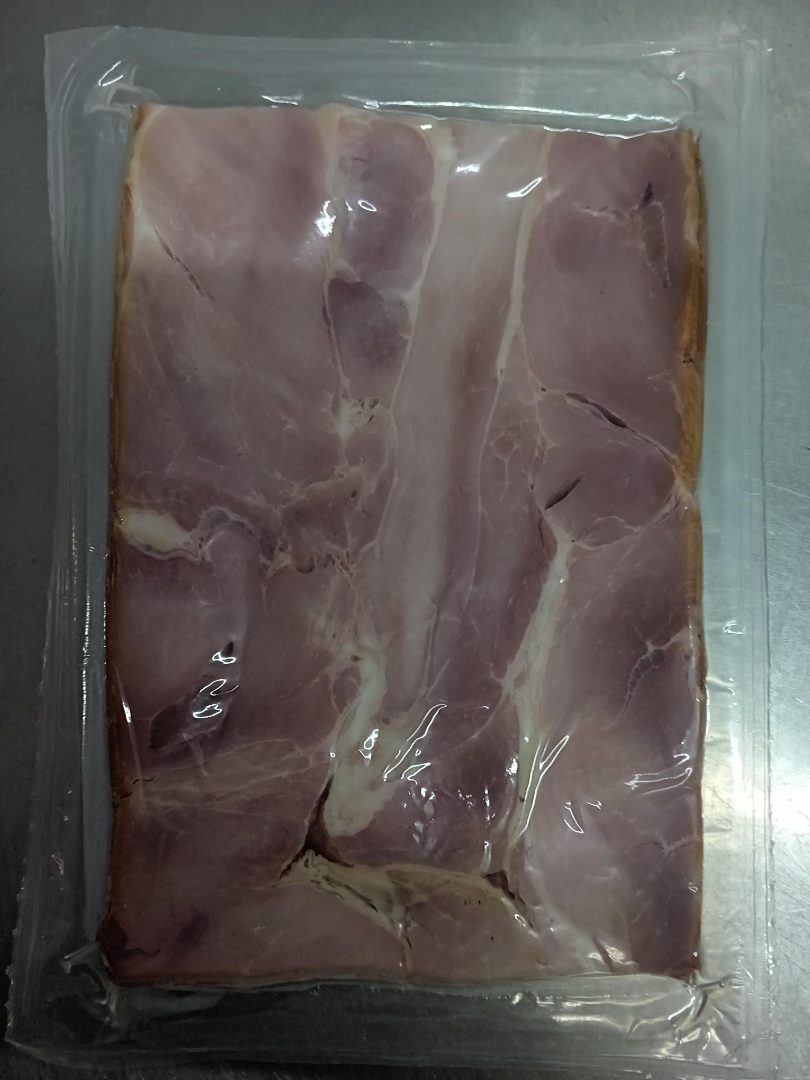
Creole shoulder LS

France – Recall Last Week – E.coli and Staphylococcus aureus

Gov France

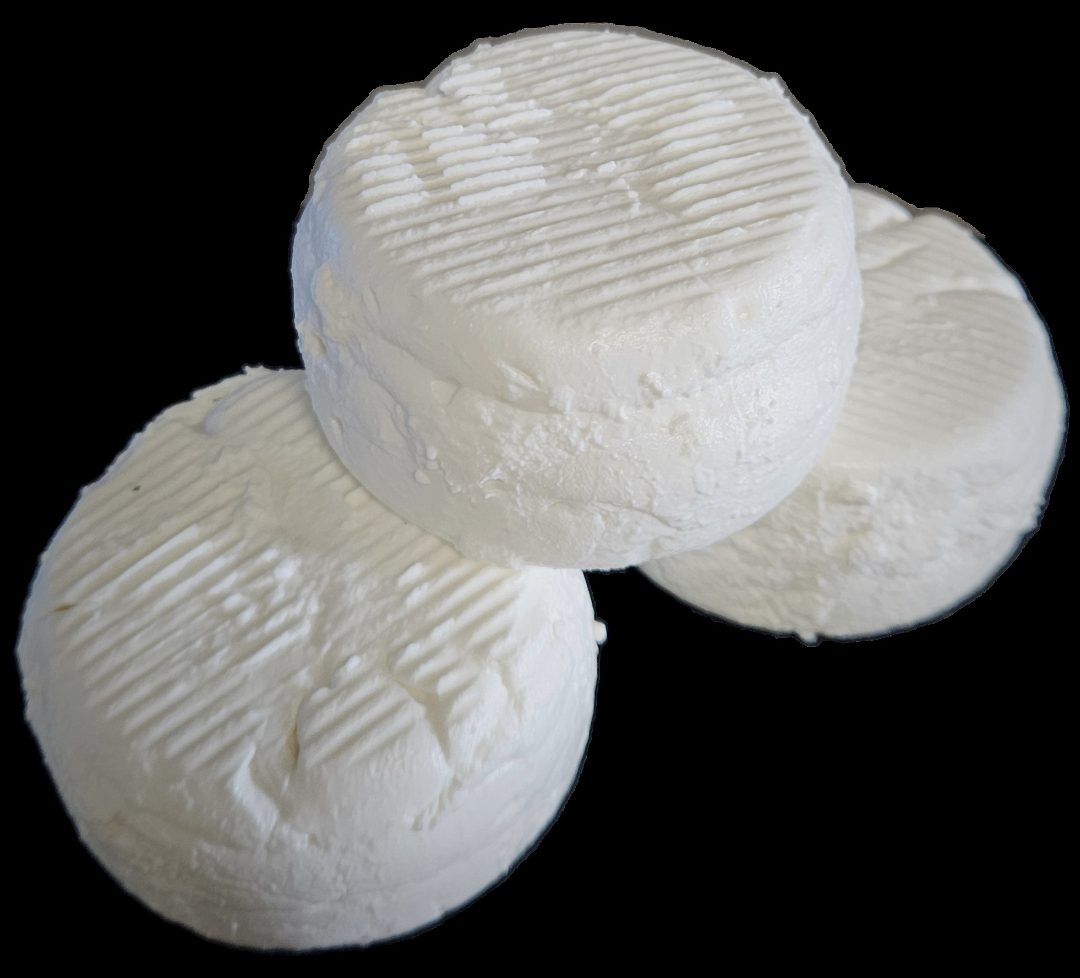
Raw goat’s milk cheese – Harria

Research-Raw meat-based diet for pets: a neglected source of human exposure to Salmonella and pathogenic Escherichia coli clones carrying mcr, Portugal, September 2019 to January 2020

Eurosurveillance

The pet industry has evolved in recent decades due to increasing pet populations, stronger human–pet bonds and demand for high-quality pet food products [1,2]. Processed pet food manufactured with various processing methods (e.g. grinding, cooking, extrusion and dehydration) has traditionally been considered microbiological safe and nutritionally suitable for feeding pets [1,3]. However, since some pet owners consider unprocessed food healthier, raw meat-based diets (RMBDs) for dogs have gained popularity [1,2,4]. The RMBDs are mainly composed of uncooked or minimally processed meat, bones and organs, with freezing as the primary treatment, and are considered to be more natural than conventional processed pet food [1,5]. Nevertheless, the scientific evidence supporting RMBD benefits is scarce, and many veterinary professional organisations (e.g. the World Small Animal Veterinary Association) and international public health agencies (e.g. the United States (US) Centers for Disease Control and Prevention (CDC)) view them as potential health hazards for both animals and humans [1,5]; awareness of this issue appears less evident in Europe [6]. The safety concerns associated with RMBDs are related to the potential contamination of raw ingredients with zoonotic pathogenic bacteria and parasites [1,3,4]. Such contamination could lead to the spread of these pathogens to both pets and humans cohabitating with pets, through direct contact with the pet or its feed, or indirectly through contact with contaminated household surfaces or hands during feed preparation.

In the European Union (EU), legal requirements for the use of animal by-products and derived products not intended for human consumption are established, including those to produce processed or raw pet food, helping to ensure microbiological safety [7]. Nevertheless, since 2020, there have been more than 20 notifications or recalls of pet food and RMBD in the EU due to the detection of zoonotic pathogens, particularly  and pathogenic  [8], and also cases of human infections with  and Shiga toxin-producing  (STEC) linked to exposure to RMBDs [911]. Several studies have also established a correlation between the microbiota of pets and their owners, including the presence of antibiotic-resistant strains, with pet food as a potential source [12,13]. However, certain antibiotic-resistant bacteria and genes of public health concern, such as the  gene conferring resistance to the last-line antibiotic colistin, have not been extensively studied in pet food and RMBDs [1,1416]. Consequently, these antibiotic-resistant strains and genes have not been recognised as notable food safety issues in the context of the pet food industry [6]. To address this knowledge gap, we aimed to investigate the occurrence of and further characterise  and other  resistant to critical antibiotics, such as colistin, in dog food, including RMBDs, that is available in stores in Portugal to investigate if they represent a possible source of these hazards to public health.

Research – Modelling Growth Kinetics of Escherichia coli and Background Microflora in Hydroponically Grown Lettuce

MDPI

Abstract

Hydroponic cultivation of lettuce is an increasingly popular sustainable agricultural technique. However, Escherichia coli, a prevalent bacterium, poses significant concerns for the quality and safety of hydroponically grown lettuce. This study aimed to develop a growth model for E. coli and background microflora in hydroponically grown lettuce. The experiment involved inoculating hydroponically grown lettuce with E. coli and incubated at 4, 10, 15, 25, 30, 36 °C. Growth models for E. coli and background microflora were then developed using Origin 2022 (9.9) and IPMP 2013 software and validated at 5 °C and 20 °C by calculating root mean square errors (RMSEs). The result showed that E. coli was unable to grow at 4 °C and the SGompertz model was determined as the most appropriate primary model. From this primary model, the Ratkowsky square root model and polynomial model were derived as secondary models for E. coli-R168 and background microflora, respectively. These secondary models determined that the minimum temperature (Tmin) required for the growth of E. coli and background microflora in hydroponically grown lettuce was 6.1 °C and 8.7 °C, respectively. Moreover, the RMSE values ranged from 0.11 to 0.24 CFU/g, indicating that the models and their associated kinetic parameters accurately represented the proliferation of E. coli and background microflora in hydroponically grown lettuce.

Research – Antibiotic Resistant Escherichia coli in Uncooked Meat Purchased from Large Chain Grocery Stores and in Raw Dog Food Purchased From Pet Stores in the Same City

BIORXIV

Abstract

Although previous studies have associated feeding dogs uncooked meat with their carriage and excretion of antibiotic resistant (ABR) Escherichia coli, this practice remains popular amongst dog owners in some countries, including the UK. Uncooked meat fed to dogs is purchased from stores selling meat primarily for human consumption, or it is a brand of commercial raw dog food (RDF), which is commonly sold frozen and thawed prior to feeding. We tested 58 packets of uncooked meat (beef, chicken, lamb and pork) purchased from large chain grocery stores (15 stores) and 15 packets of thawed, chicken-based RDF (11 brands) for the presence of ABR E. coli. All samples were purchased from the city of Bristol, UK. Among grocery store-purchased meat, chicken samples were significantly more likely to be positive for E. coli resistant to amoxicillin, spectinomycin, streptomycin, and the critically important antibiotics cefotaxime and ciprofloxacin, than other types of meat. When comparing grocery store chicken to chicken-based RDF we found no significant difference in sample-level positivity for resistant E. coli, which, for RDF was 80% (amoxicillin), 80% (spectinomycin), 87% (streptomycin), 27% (amoxicillin-clavulanate), 27% (cefotaxime) and 47% (ciprofloxacin). We conclude that despite it having been purchased frozen and thawed prior to testing according to the manufacturer’s instructions, contamination of RDF with ABR E. coli is similar to that of uncooked meat primarily intended for human consumption after cooking, and so the same strict hygiene practices are advised when handling RDF as uncooked meat. Our findings provide a rationale to explain why feeding uncooked meat or RDF to dogs in the city of Bristol is associated with them excreting E. coli resistant to critically important antibiotics.

Research – Enhancing Escherichia coli Inactivation: Synergistic Mechanism of Ultraviolet Light and High-Voltage Electric Field

MDPI

Abstract

This study investigated the bactericidal effects of ultraviolet (UV) radiation, a high-voltage electric field (HVEF), and their combination on Escherichia coli. The results indicated that UV and combined disinfection were more effective with longer exposure, leading to significant reductions in microbial activity. Specifically, the single UV disinfection alone reduced activity by 3.3 log after 5 min, while combined disinfection achieved a 4.2 log reduction. In contrast, short-term HVEF treatment did not exhibit significant bactericidal effects, only achieving a reduction of 0.17 log in 5 min. Furthermore, prolonged exposure to both UV disinfection and an HVEF was found to damage cell membranes, ultimately causing cell death, while shorter durations did not. Despite rapid cell count decreases, flow cytometry did not detect apoptotic or necrotic cells, likely due to rapid cell rupture. This study suggests that combining UV radiation and an HVEF could be a promising approach for inhibiting bacterial reproduction, with HVEF enhancing UV effects. These findings provide insights for using combined HVEF and UV disinfection in food safety and preservation.

RASFF Alerts- E.coli – Japanese Clams

RASFF

Escherichia coli in Japanese clam (Ruditapes philippinarum) from Portugal in Spain

USA – Cargill Meat Solutions Recalls Ground Beef Products Due to Possible E. coli O157:H7 Contamination

FSIS USDA

Cargill Meat Solutions, a Hazleton, Pa., establishment, is recalling approximately 16,243 pounds of raw ground beef products that may be contaminated with E. coli O157:H7, the U.S. Department of Agriculture’s Food Safety and Inspection Service (FSIS) announced today.

The raw ground beef items were produced on April 26-27, 2024. The following products are subject to recall [view labels]:

  • 2.25-lbs. plastic-wrapped trays containing “93% LEAN 7% FAT ALL NATURAL LEAN GROUND BEEF” with lot code 117 and establishment number “EST. 86P” printed on the back of the label.
  • 1.33-lbs. plastic-wrapped trays containing four “PRIME RIB BEEF STEAK BURGERS PATTIES” with lot code 118 and establishment number “EST. 86P” printed on the back of the label.
  • 2.25-lbs. plastic-wrapped trays containing “85% LEAN 15% FAT ALL NATURAL ANGUS PREMIUM GROUND BEEF” with lot code 117 and establishment number “EST. 86P” printed on the back of the label.
  • 2.25-lbs. plastic-wrapped trays containing “80% LEAN 20% FAT ALL NATURAL GROUND BEEF CHUCK” with lot code 118 and establishment number “EST. 86P” printed on the back of the label.
  • 1.33-lbs. plastic-wrapped trays containing four “80% LEAN 20% FAT ALL NATURAL GROUND BEEF CHUCK PATTIES” with lot code 118 and establishment number “EST. 86P” printed on the back of the label.
  • 1.33-lbs. plastic-wrapped trays containing four “90% LEAN 10% FAT ALL NATURAL GROUND BEEF SIRLOIN PATTIES” with lot code 118 and establishment number “EST. 86P” printed on the back of the label.

The products subject to recall all bear the USDA mark of inspection on the front of the product label, and establishment number “EST. 86P” printed on the back of the product label. These items were shipped to Walmart retail locations nationwide.

The establishment reported the issue to FSIS after they identified that previously segregated product had been inadvertently utilized in the production of ground beef.

There have been no confirmed reports of adverse reactions due to consumption of these products. Anyone concerned about an illness should contact a healthcare provider.

E. coli O157:H7 is a potentially deadly bacterium that can cause dehydration, bloody diarrhea and abdominal cramps 2-8 days (3-4 days, on average) after exposure the organism. While most people recover within a week, some develop a type of kidney failure called hemolytic uremic syndrome (HUS). This condition can occur among persons of any age but is most common in children under 5-years old and older adults. It is marked by easy bruising, pallor, and decreased urine output. Persons who experience these symptoms should seek emergency medical care immediately.

FSIS is concerned that some product may be in consumers’ refrigerators or freezers. Consumers who have purchased these products are urged not to consume them. These products should be thrown away or returned to the place of purchase.

FSIS routinely conducts recall effectiveness checks to verify recalling firms notify their customers of the recall and that steps are taken to make certain that the product is no longer available to consumers. When available, the retail distribution list(s) will be posted on the FSIS website at www.fsis.usda.gov/recalls.

FSIS advises all consumers to safely prepare their raw meat products, including fresh and frozen, and only consume ground beef that has been cooked to a temperature of 160 F. The only way to confirm that ground beef is cooked to a temperature high enough to kill harmful bacteria is to use a food thermometer that measures internal temperature, https://www.fsis.usda.gov/safetempchart.

Consumers with questions about the recall can contact Cargill Meat Solutions at 1-844-419-1574. Members of the media with questions about the recall can contact Chuck Miller, Senior Communications Manager, Cargill Meat Solutions at 612-430-2882 or media@cargill.com.

Consumers with food safety questions can call the toll-free USDA Meat and Poultry Hotline at 888-MPHotline (888-674-6854) or send a question via email to MPHotline@usda.gov. For consumers that need to report a problem with a meat, poultry, or egg product, the online Electronic Consumer Complaint Monitoring System can be accessed 24 hours a day at https://foodcomplaint.fsis.usda.gov/eCCF/.

Product Images

Research – New Research Reveals Why You Should Always Refrigerate Lettuce

Scitech Daily

Leafy greens are valuable for their dietary fibre and nutrients, yet they may also carry dangerous pathogens. Lettuce, in particular, has frequently been linked to foodborne illness outbreaks in the U.S. A recent study from the University of Illinois Urbana-Champaign investigates the factors influencing E. coli contamination in five different types of leafy greens: romaine lettuce, green-leaf lettuce, spinach, kale, and collard greens.

“We are seeing a lot of outbreaks on lettuce, but not so much on kale and other brassica vegetables. We wanted to learn more about the susceptibility of different leafy greens,” said lead author Mengyi Dong, now a postdoctoral research associate at Duke University. Dong conducted the research as a doctoral student in the Department of Food Science and Human Nutrition (FSHN), part of the College of Agricultural, Consumer, and Environmental Sciences (ACES) at the U. of I.

Findings on Temperature and Leaf Surface Impact

The researchers infected whole leaves from each of the five vegetables with E. coli O157:H7 and observed what happened after storage at 4° C (39° F), 20° C (68° F), and 37° C (98.6° F). Overall, they found that susceptibility was determined by a combination of temperature and leaf surface properties such as roughness and the natural wax coating.

“At room temperature or higher, E. coli grows very fast on lettuce, but if lettuce is refrigerated at 4° C (39° F), we see a sharp decline in the E. coli population. However, for waxy greens like kale and collard, we get the opposite results. On these vegetables, E. coli grows slower under warmer temperatures, but if it is already present, it can survive longer under refrigeration.”

Research – Exploring Extended-Spectrum Beta-Lactamase (ESBL)-Producing Escherichia coli in Food-Producing Animals and Animal-Derived Foods

MDPI

Abstract

Antimicrobials serve as crucial treatments in both veterinary and human medicine, aiding in the control and prevention of infectious diseases. However, their misuse or overuse has led to the emergence of antimicrobial resistance, posing a significant threat to public health. This review focuses on extended-spectrum beta-lactamase (ESBL)-producing Escherichia coli in animals and their associated food products, which contribute to the proliferation of antimicrobial-resistant strains. Recent research has highlighted the presence of ESBL-producing E. coli in animals and animal-derived foods, with some studies indicating genetic similarities between these isolates and those found in human infections. This underscores the urgent need to address antimicrobial resistance as a pressing public health issue. More comprehensive studies are required to understand the evolving landscape of ESBLs and to develop strategic public health policies grounded in the One Health approach, aiming to control and mitigate their prevalence effectively.