Category Archives: E.coli O145

Iceland – E. coli O145 confirmed in children and mixed mince

MAST

Foodborne infection has been confirmed at the Mánagardı nursery school in Reykjavík. The causative agent is E. coli bacteria of a type known as STEC and of serotype O145. Analysis of samples at Matís confirmed that the same serotype, i.e. E. coli O145 was found both in faecal samples from children from the kindergarten and in a sample of minced meat used in cooking at the kindergarten. Their sequencing of the bacteria’s genetic material showed that the origin is the same.

After detailed interviews with the parents of the children, who fell ill, attention soon turned to Thursday, October 17 last. The Reykjavík Health Authority went to the site and took numerous samples for analysis of the food used in the cooking that day, such as minced meat, vegetables, lentils, melons, oatmeal and more. All food samples were negative for E. coli except for the mince. A few children who normally do not eat meat also fell ill, but it is not possible to confirm the route of infection for them. They may have been infected by other children who attended the kindergarten after they got sick but before the kindergarten was closed.

The mince turned out to be mixed beef and sheep mince from Kjarnaföð. It did not go on general sale, but only sold to larger kitchens, such as restaurants, canteens and kindergartens. Matvælastofnun contacted the representatives of the company when suspicion was directed at the mince, and the same day the company contacted all parties who received mince from the same production batch that was used in the Mánagard nursery school. During the recall, it was found that buyers had already used it in their operations. There have been no reports of infection or sickness among consumers at other kitchens.

E. coli bacteria are part of the natural intestinal flora of humans and animals and can be introduced into water, meat, vegetables and other foods during their production. Different types of E. coli exist. Most types of E. coli are harmless, but Shigatoxin-producing E. coli (STEC) carry genes that encode toxins that can cause illness (virulence genes). However, their strains can be highly pathogenic.

According to legislation on meat production, producers are not required to ensure that all meat is free of E. coli before it goes to market. However, meat producers should do everything in their power to reduce the chance of contamination of carcasses and meat products in the process. It is primarily done with clean grips, proper hand techniques and clean equipment. Sampling in the process is therefore aimed at checking whether working methods are adequate. The Food Agency reported on a screening of the presence of pathogenic bacteria in Icelandic meat on the Icelandic market in 2018. It stated that STEC virulence genes were found in almost 30% of lamb samples and 11.5% of beef samples.

Cleanliness and proper handling of meat and adequate cooking by users/consumers is therefore key to preventing infection caused by E. coli , including STEC from meat. The steering group’s research has revealed that the handling of the minced meat in this respect during cooking in the kindergarten was insufficient.

It is common practice that beef, lamb and horse steaks are served without being deep-fried. Raw cuts of meat have bacteria on the surface of the meat but not inside the muscle. They are therefore killed when the meat is fried or grilled at high temperatures. Hamburgers and other dishes made from minced meat are different, because during the mincing process, microorganisms spread throughout the mince. Insufficient heating/frying does not kill bacteria present deep inside the mince. In order to kill E. coli and other disease-causing microorganisms, hamburgers and other mincemeat dishes must be fried through or so that the core temperature is at least 75°C.

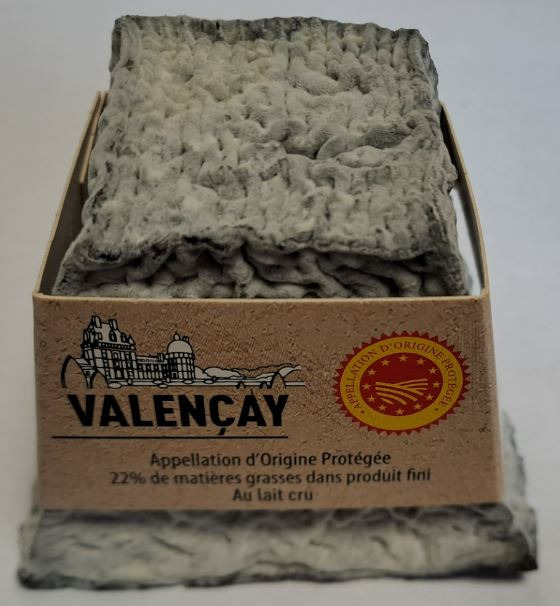
France – Valençay Pyramid AOP – STEC E.coli O145

Gov France

Product Category
Food
Product subcategory
Milk and dairy products
Product brand name
Producers and Traders
Model names or references
Valençay pyramid AOP
Product identification
GTIN Batch Date
3250390398028 V229 Expiry date 10/16/2024
Packaging
cut
Start/End of marketing date
From 08/30/2024 to 10/08/2024
Storage temperature
Product to be kept in the refrigerator
Health mark
FR 36.004.001 CE
Additional information
Product sold by the cut in the traditional department between 08/30/24 and 10/09/24 with a barcode starting with 2 663 701
Geographic area of ​​sale
Whole France
Distributors
Intermarche

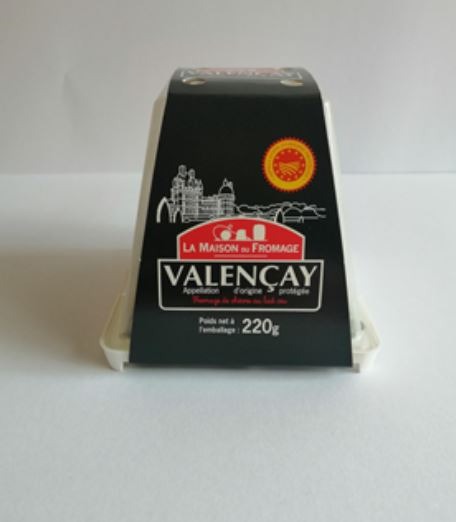
France – Valençay AOP 220g CHEESE HOUSE – STEC E.coli O145

Gov France

Product Category
Food
Product subcategory
Milk and dairy products
Product brand name
HOUSE OF CHEESE
Model names or references
Valençay AOP 220g CHEESE HOUSE
Product identification
GTIN Batch Date
3439495901832 V229 Minimum durability date 10/16/2024
Packaging
220g
Start/End of marketing date
From 02/09/2024 to 08/10/2024
Storage temperature
Product to be kept in the refrigerator
Health mark
FR 36 004 001 CE
Geographic area of ​​sale
Whole France
Distributors
METRO FRANCE

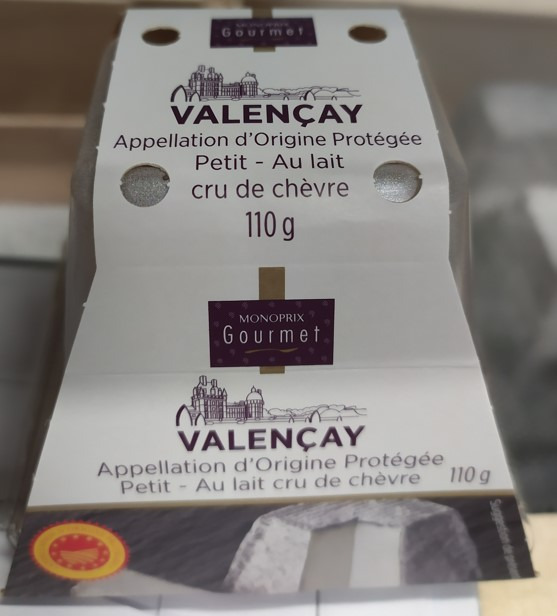
France-VALENCAY AOP-STEC E.coli O145:H28

Gov France

Product Category
Alimentation
Sous-catégorie de produit
Lait et produits laitiers
Product brand name
Monoprix
Noms des modèles ou références
PETIT VALENCAY AOP 110g
Product identification
GTIN Batch Date
0003350030187422 V229 Best before date 10/16/2024
0003350030187422 V229 Best before date 10/18/2024
Packaging
110g
Start/End of marketing date
From 02/09/2024 to 08/10/2024
Storage temperature
Produit à conserver au réfrigérateur
Health mark
FR 36.004.001 CE
Zone géographique de vente
Whole France
Distributors
MONOPRICE

France – VALENCAY AOP – Escherichia coli STEC O145:H28

Gov France

Product Category
Alimentation
Product subcategory
Milk and dairy products
Product brand name
Anjouin cheese factory
Model names or references
Valençay AOP 220g et petit Valençay AOP 110g
Product identification
GTIN Batch Date
00033011700785211 V229 Best before date 10/16/2024
0003301170008801 V229 Best before date 10/16/2024
0003184670010006 241 Date de durabilité minimale 27/09/2024
Packaging
Fresh packaged 220g Self-service 220g goat cheese platter
Start/End of marketing date
From 08/31/2024 to 10/08/2024
Storage temperature
Product to be kept in the refrigerator
Health mark
FR 36.004.001 CE
Geographic area of ​​sale
Whole France
Distributors
Auchan, Système U, Alexandre’s Farm, Costco

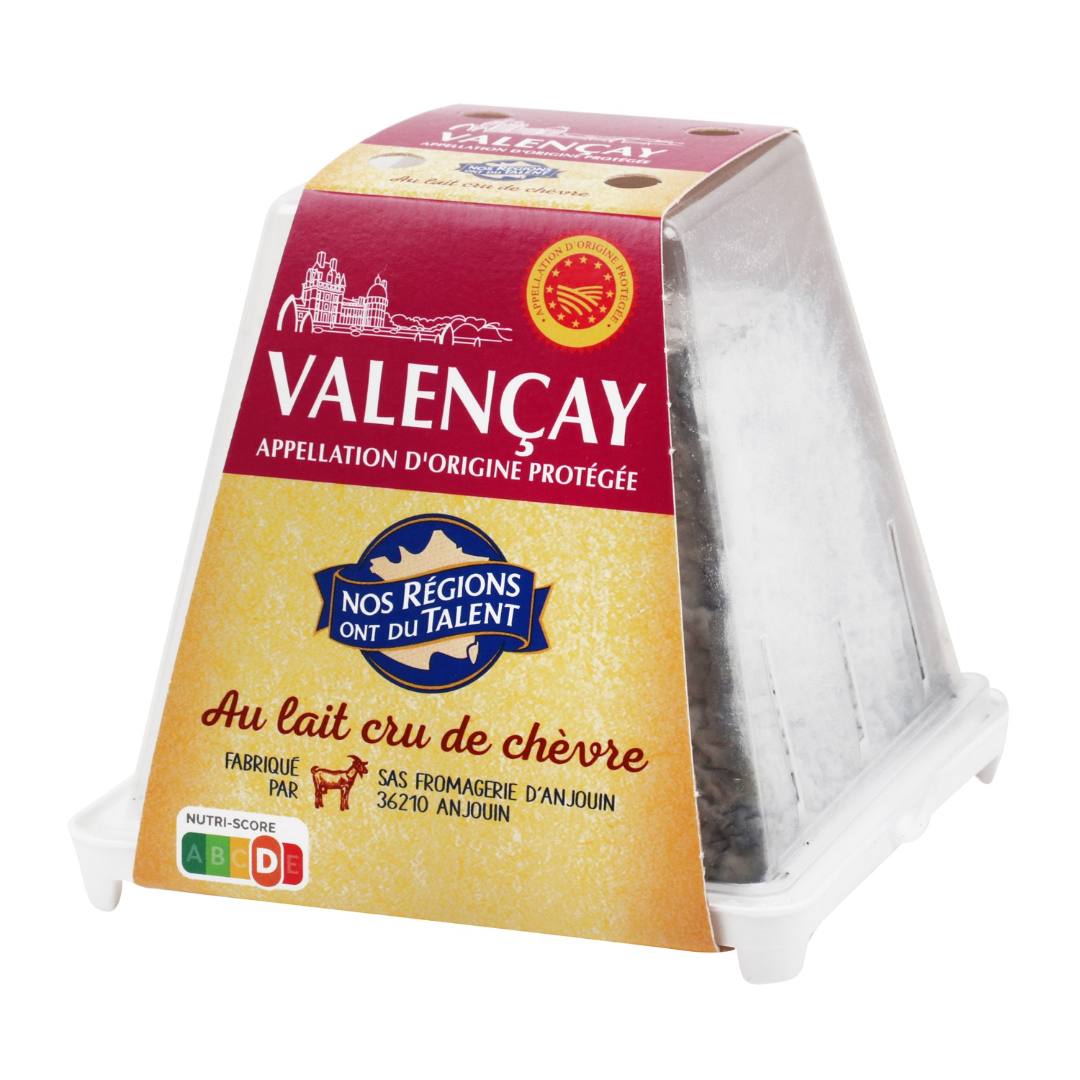
France – VALENCAY AOP – STEC E.coli – O145:H28

Gov France

Product Category
Food
Product subcategory
Milk and dairy products
Nom de la marque du produit
NOS REGIONS ONT DU TALENT
Model names or references
VALENCAY AOP
Product identification
GTIN Lot Date
3564709006031 V229 Date de durabilité minimale 16/10/2024
Conditionnements
220G
Date début/Fin de commercialisation
Du 02/09/2024 au 09/10/2024
Température de conservation
Product to be kept in the refrigerator
Health mark
FR 36.004.001 CE
Informations complémentaires
/
Geographic area of ​​sale
France entière
Distributors
E.LECLERC

Research – APHA reports role in E. coli and Cryptosporidium outbreaks

Food Safety News

The Animal and Plant Health Agency (APHA) has been involved in four E. coli outbreak investigations so far this year in the United Kingdom.

A Shiga toxin-producing E. coli (STEC) O145 outbreak was linked to unpasteurized milk cheese produced by Mrs. Kirkham’s in Lancashire. APHA contributed to the incident management team investigation, including an advisory visit and epidemiologically relevant sampling.

Patients fell ill between July and December 2023. In late July 2024, the UK Health Security Agency (UKHSA) notified the Food Standards Agency (FSA) of four cases between June and July, taking the number of sick people to 40, including two deaths. One death was part of the latest update. While there is a microbiological link between the latest patients and previous cases, investigations did not identify a food chain connection between them and Mrs. Kirkham’s products.

UK – Update on reporting of non-O157 STEC infections and an outbreak of Shiga toxin-producing E. coli (STEC) O145 in the UK, February 2024

Gov UK

In December 2023 the UK Health Security Agency (UKHSA) reported (1) unseasonably high levels of Shiga toxin-producing Escherichia coli other than serogroup O157 (non-O157 STEC) case notifications during October to December of that year. Since then, reporting has returned to levels comparable with previous years. Investigations into the drivers of that unseasonal increase in reports of non-O157 STEC continue, as well as into individual outbreaks of STEC that were reported in the December 2023 report.

The investigations into the concurrent foodborne STEC O145: H28 outbreak associated with unpasteurised cheese – being undertaken by UKHSA, the Local Authority (LA) Environmental Health Team, Public Health Scotland (PHS), Food Standards Agency (FSA), Food Standards Scotland (FSS) and the Animal Plant Health Agency (APHA) – are nearly completed.

In total 36 confirmed cases and 1 probable case have been reported across England (n=29) and Scotland (n=8) since late July 2023, with most cases falling ill in November 2023. The last reported primary case had a symptom onset date of 23 December 2023 (see figure below).

Based on epidemiological, food chain and microbiological investigations, the vehicle was identified as an unpasteurised cheese produced in North West England. The food business concerned carried out a product withdrawal and recall on 24 December 2023 (2) and updated on 27 December 2023 (3) which ensured all recalled products were removed from sale in a timely manner.

Subsequent work between the food business, the LA Environmental Health team and the FSA allowed refinement of the product withdrawal and recall notice to include only the batches likely associated with illness, which resulted in a further update of the product withdrawal and recall by the food business on 9 February 2024 (4).

The FSA and FSS both published updated Product Recall Information Notices (PRIN’s) on 24 (2) and 27 December (3), and again on 9 February (4), with supporting news stories to amplify messaging about each of the product recalls.

UK – E. coli Lawsuits started in the UK over tainted sandwiches

Food Poison Journal

As of 25 June, there have been a further 19 cases associated with the recent outbreak of STEC O145 since the last update a week ago, bringing the total number of confirmed cases to 275 in the UK. All currently confirmed cases had symptom onset dates before 4 June. Although case reporting rates are declining, we expect to see more cases linked to this outbreak as further samples are referred to us from NHS laboratories and whole genome sequencing is conducted.

Confirmed case totals:

  • 182 in England
  • 58 in Scotland
  • 31 in Wales
  • 4 in Northern Ireland (evidence suggests that they acquired their infection in England)

Based on information from 249 cases to date, 49% were admitted to hospital.

Through surveillance, UKHSA has identified 2 individuals in England who died within 28 days of infection with the STEC outbreak strain. Based on the information available from health service clinicians one of these deaths is likely linked to their STEC infection. Both individuals had underlying medical conditions. The deaths occurred in May.

UK – Investigation into an outbreak of Shiga toxin-producing E. coli (STEC) O145 in Great Britain, May to June 2024

Gov UK

The UK Health Security Agency (UKHSA), Public Health Scotland, Public Health Wales and Public Health Agency Northern Ireland (PHA), in collaboration with the Food Standards Agency (FSA) and Food Standards Scotland (FSS) have been working together with local authorities to investigate an outbreak of Shiga toxin-producing Escherichia coli (STEC) O145 identified through the analysis of whole genome sequencing (WGS) data in May 2024.

A potential outbreak was first identified in England on 22 May 2024 through UKHSA’s routine surveillance, with a rapid ten-fold increase in the number of faecal samples from patients testing positive for non-O157 STEC toxin genes referred from the NHS to the national reference laboratory.

On 24 May, reference laboratory polymerase chain reaction (PCR) test results indicated the increase was likely driven by a strain of STEC which possessed the stx2a, eae+ virulence gene profile but was neither serotype O157 or O26 (defined as ‘probable cases’) and increased hospital emergency department attendances for gastrointestinal illness (1). Concurrent increases for similar surveillance indicators were reported in Wales and Scotland. A national incident was declared on 24 May.

Subsequent WGS analysis available on 28 May showed that the majority of these probable cases had illness caused by STEC serotype O145 with a specific genetic profile (‘genetic fingerprint’). These confirmed outbreak cases with a 5-single nucleotide polymorphism (SNP) termed ‘t5.206’, were distinct from other STEC O145 outbreaks recently investigated and from sporadic cases. This was a re-emergence of a STEC cluster investigated in 2023, where no source could be conclusively confirmed. No international cases of a similar genotype were reported on global databases and information was shared through established international communication platforms with other countries.

Between 25 May and 24 June there were 275 confirmed cases reported (273 primary cases and 2 secondary cases (Figure 1)). Cases were geographically dispersed in all regions of England (182), in Scotland (58), Wales (31) and Northern Ireland (4), with no notable geographic clustering. However, evidence suggests that cases resident in Northern Ireland likely acquired their infection in England. Primary cases were predominantly female (57%) and had a median age of 30 years (range: 1 to 89 years). The most affected age groups were 20 to 29 and 30 to 39 with 30% and 23% of cases respectively.

The STEC O145 t5:206 outbreak strain possesses a virulence gene profile (stx2a, eae+) which is associated with more severe disease and an increased likelihood of Haemolytic Uraemic Syndrome (HUS), a clinical syndrome associated with STEC which can lead to kidney failure and death.

Among confirmed t5:206 outbreak cases (Table 1):

  • 81% have reported bloody diarrhoea
  • 49% of cases have been admitted to hospital
  • 10% attended A&E for their symptoms

Of the 122 hospitalised cases, 57% were female and had a median age of 35 (with a range of 6 to 85 years).

To date 7 cases of HUS have been confirmed to be associated with this outbreak. Of the 7 HUS reported cases:

  • 5 were resident in England
  • 2 were resident in Scotland
  • their ages ranged from 12 to 59
  • the majority were female (n=6)

These HUS cases all reported onset of illness in mid to late May. There have been 2 reported deaths in patients within 28 days of confirmation of infection with the STEC outbreak strain t5:206. Neither of these patients were diagnosed with HUS, both were adults and had underlying medical conditions. Based on the information available, one of these deaths is likely linked to STEC infection.

Early epidemiological analyses indicated that the cases were widely geographically dispersed across the UK with a rapid increase in confirmed cases consistent with a nationally distributed food product as the cause of the outbreak. The FSA and FSS therefore were involved from the start of the investigation. In the initial phase of the investigation, analysis of available information on reported cases, including routinely collected case questionnaire data (which captures clinical symptoms and environmental plus a wide range of food exposures (2), indicated a higher than expected proportion of cases reported consuming pre-packaged sandwich products during the 7 days prior to becoming unwell.

The hypothesis that sandwiches containing lettuce were the likely main cause of the outbreak was confirmed through multiple different epidemiological studies which showed a statistically significant association between illness and consumption of these products.

Food chain investigations were carried out by FSA and FSS, informed by the food histories of cases and alongside the epidemiological investigations carried out by the UK public health agencies. Lettuce was the main focus as the likely contaminated sandwich ingredient. The FSA and FSS initially identified one supplier of the potentially contaminated lettuce, investigations are still ongoing at 2 other lettuce suppliers at the grower stage of the supply chain.

Further investigations carried out by FSA and FSS with the identified sandwich product producers and salad growers indicated that these food business operators (FBOs) had detailed and robust hazard analysis and critical control points (HACCP) plans and biosecurity in place. Enhanced testing at these FBOs was carried out in response to the investigation. While all test results were negative for STEC, general or ‘indicator’ E. coli was identified in sandwich and lettuce products, indicating a possible contamination event had occurred. As a result of the epidemiological and food chain investigation outcomes, the FBOs elected to undertake a voluntary withdrawal and recall of all potentially associated ready to eat products (sandwiches, wraps and salads) – first on 14 June and then, following further findings, on the 15 and 16 June (345) . Investigations into the root cause of the outbreak are still ongoing.

There are challenges in the investigation of any foodborne disease outbreak of STEC as previously reported (6). In the case of short shelf life and highly perishable products such as salad products, microbiological confirmation of the outbreak strain (the same WGS profile) in the foods implicated in the outbreak is very difficult as the foods have usually already been consumed and there is no residual product to test. As performed in this investigation, environmental and food testing may be useful for the detection of E. coli as an indicator of a potential contamination event, as well as detection of specific toxin genes present in STEC which causes food poisoning.

Rapid response based on early surveillance indicators prior to an outbreak being confirmed, and subsequent rapid confirmation of the outbreak (via routine implementation of WGS for characterisation of STEC and other major bacterial pathogen causes of foodborne disease) is crucial for the protection of public health. Early collaboration and communication with UK government agencies and international counterparts identified that the outbreak was limited to the UK, supporting the epidemiological and food chain investigations findings that a UK produced salad product was the cause of the outbreak.

STEC is a zoonotic pathogen (meaning a bacteria transmissible between humans and animals) and is naturally present in the intestines of animals, especially ruminant animals such as cattle and sheep. It is not always possible to determine the reasons for or causes of contamination of food products with zoonotic pathogens that can cause food poisoning outbreaks. Ready-to-eat salad vegetables can be contaminated with pathogens at the pre-harvest level (via flooding, rainwater run-off or irrigation water containing animal faeces) or post-harvest during washing and packaging.

As of 24 June, newly reported confirmed cases have now markedly declined (Figure 1) and the surveillance indicators for probable cases have now reduced back down to expected levels for this time of year. The majority of the recently reported probable cases are not part of the O145 t5:206 outbreak, but rather are small numbers of sporadic cases. A small number of cases may be reported in the short term due to the time lag between:

  • when people become ill
  • when they visit their GP or hospital
  • when a sample is taken for testing
  • when this sample is referred to the national reference laboratories for further typing
  • the availability of WGS results

Based on available data, the ongoing public health risk is minimal.

Public health agencies are continuing to monitor surveillance and WGS data for confirmed cases and follow up cases to identify any common links. The FSA and FSS continue to work with the relevant local authorities, salad growers, sandwich suppliers and manufacturers to identify the root cause of the outbreak so that actions can be taken to prevent a re-occurrence.