Category Archives: CDC

USA – CDC Alert: Do Not Eat Romaine Lettuce, Throw It Out

CDC

Illustration with a triangle and exclamation mark and text reading Food Safety Alert

CDC, public health and regulatory officials in several states, Canada, and the U.S. Food and Drug Administration (FDA) are investigating a multistate outbreak of Shiga toxin-producing Escherichia coli O157:H7 (E. coli O157:H7) infections linked to romaine lettuce.

CDC is advising that U.S. consumers not eat any romaine lettuce, and retailers and restaurants not serve or sell any, until we learn more about the outbreak. This investigation is ongoing and the advice will be updated as more information is available.

  • Consumers who have any type of romaine lettuce in their home should not eat it and should throw it away, even if some of it was eaten and no one has gotten sick.
    • This advice includes all types or uses of romaine lettuce, such as whole heads of romaine, hearts of romaine, and bags and boxes of precut lettuce and salad mixes that contain romaine, including baby romaine, spring mix, and Caesar salad.
    • If you do not know if the lettuce is romaine or whether a salad mix contains romaine, do not eat it and throw it away.
    • Wash and sanitize drawers or shelves in refrigerators where romaine was stored. Follow these five steps(https://www.cdc.gov/foodsafety/communication/clean-refrigerator-steps.html) to clean your refrigerator.
  • Restaurants and retailers should not serve or sell any romaine lettuce, including salads and salad mixes containing romaine.
  • Take action(https://www.cdc.gov/vitalsigns/foodsafety-2015/index.html) if you have symptoms of an E. coli infection(https://www.cdc.gov/ecoli/ecoli-symptoms.html):
    • Talk to your healthcare provider.
    • Write down what you ate in the week before you started to get sick.
    • Report your illness to the health department.
    • Assist public health investigators by answering questions about your illness.

Advice to Clinicians

  • Antibiotics are not recommended(https://www.cdc.gov/ecoli/clinicians.html) for patients with E. coli O157 infections. Antibiotics are also not recommended for patients in whom E.coli O157 infection is suspected, until diagnostic testing rules out this infection.
  • Some studies have shown that administering antibiotics to patients with E. coli O157 infections might increase their risk of developing hemolytic uremic syndrome (a type of kidney failure), and the benefit of antibiotic treatment has not been clearly demonstrated.
 

USA – Notes from the Field: Multiple Cyclosporiasis Outbreaks — United States, 2018

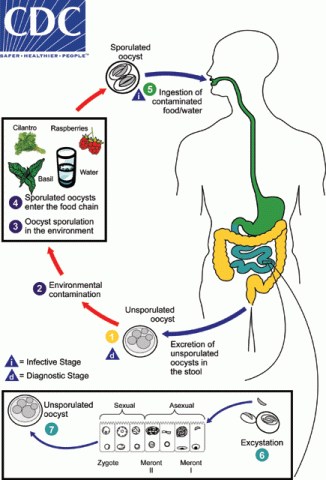
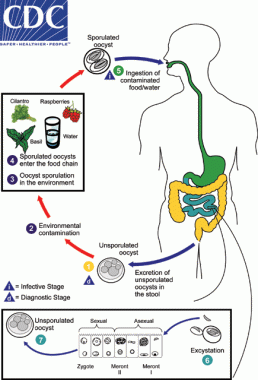
CDC Cyclospora_LifeCycle201

Cyclosporiasis is an intestinal illness caused by the parasite Cyclospora cayetanensis through ingestion of fecally contaminated food or water. Symptoms of cyclosporiasis might include watery diarrhea (most common), loss of appetite, weight loss, cramping, bloating, increased gas, nausea, and fatigue. Typically, increased numbers of cases are reported in the United States during spring and summer; since the mid-1990s, outbreaks have been identified and investigated almost every year. Past outbreaks have been associated with various types of imported fresh produce (e.g., basil, cilantro, and raspberries) (1). There are currently no validated molecular typing tools* to facilitate linking cases to each other, to food vehicles, or their sources. Therefore, cyclosporiasis outbreak investigations rely primarily on epidemiologic data.

The 2018 outbreak season is noteworthy for multiple outbreaks associated with different fresh produce items and the large number of reported cases. Two multistate outbreaks resulted in 761 laboratory-confirmed illnesses. The first outbreak, identified in June, was associated with prepackaged vegetable trays (containing broccoli, cauliflower, and carrots) sold at a convenience store chain in the Midwest; 250 laboratory-confirmed cases were reported in persons with exposures in three states (illness onset mid-May–mid-June) (2). The supplier voluntarily recalled the vegetable trays (3). The second multistate outbreak, identified in July, was associated with salads (containing carrots, romaine, and other leafy greens) sold at a fast food chain in the Midwest; 511 laboratory-confirmed cases during May–July occurred in persons with exposures in 11 states who reported consuming salads (4). The fast food chain voluntarily stopped selling salads at approximately 3,000 stores in 14 Midwest states that received the implicated salad mix from a common processing facility (5). The traceback investigation conducted by the Food and Drug Administration (FDA) did not identify a single source or potential point of contamination for either outbreak.

USA – CDC – Food Safety Month

Facebook sized image for download about how kidney failure strikes 1 out of 7 children under age 5 who are diagnosed with e.coli 0157 infection.CDC  

September is National Food Safety Education Month. It provides an opportunity to raise awareness about steps you can take to prevent food poisoning.

Every year, an estimated 1 in 6 Americans (or 48 million people) get sick, 128,000 are hospitalized, and 3,000 die from eating contaminated food. Some people are more likely to get a foodborne illness (also called food poisoning) or to get seriously ill.

Join us in sharing information about which groups of people are more likely to get food poisoning, symptoms of food poisoning, and what steps they or their caregivers can take to help prevent it. Also, learn when to see a doctor and how to report food poisoning.

Food Safety Graphics Page


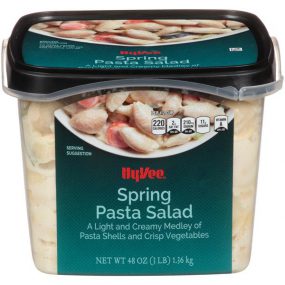
USA – Outbreak of Salmonella Infections Linked to Hy-Vee Spring Pasta Salad – Update

CDC   salad-with-label-small

  • Fifty-eight more ill people from nine states were added to this outbreak since the last update on July 18, 2018. Four more states reported ill people: Illinois, Kansas, North Dakota, and Tennessee.
  • Salmonella enterica subspecies IIIb has been added to this investigation because two people were infected with this strain of Salmonella and with the outbreak strain of Salmonella Sandiego at the same time. A search of the CDC PulseNet database found six additional people infected with the strain of Salmonella enterica subspecies IIIb and these cases have also been added to the outbreak.
  • A total of 79 people infected with the outbreak strains of Salmonella have been reported from nine states.
  • Illnesses started on dates ranging from June 21, 2018, to July 15, 2018.
  • Epidemiologic evidence(https://www.cdc.gov/foodsafety/outbreaks/investigating-outbreaks/index.html) indicates that Spring Pasta Salad purchased at Hy-Vee grocery stores is a likely source of the outbreak.
  • This investigation is ongoing, and CDC will provide updates when more information is available.


USA – FDA Fast Facts: FDA works with partners to investigate a Cyclospora outbreak potentially associated with McDonald’s salads

FDA Cyclospora_LifeCycle201

The U.S. Food and Drug Administration and the Centers for Disease Control and Prevention, along with state and local officials, are investigating a multi-state outbreak of Cyclospora infections. Yesterday, the Illinois and Iowa Health Departments identified McDonald’s salads as being potentially linked to cases of Cyclospora in both states. McDonald’s has voluntarily stopped selling salads at affected restaurants across 14 states and the CDC reports that 61 people across seven states have gotten sick.

“We understand how important it is to quickly identify the cause of this foodborne outbreak to help reduce additional illness and we’re working closely with our colleagues at CDC and state partners to get more answers. There’s still a lot to learn about this outbreak, and we appreciate that McDonald’s has removed salads from the menu in impacted restaurants while we work to determine whether they are in fact linked to the outbreak. We will continue to share our progress toward these goals and provide updates as we learn more,” said FDA Commissioner Scott Gottlieb, M.D. “It’s early in the investigation, but we are taking steps now to help ensure consumers know about the potentially contaminated product so that they can better protect themselves or seek treatment, especially if they have signs or symptoms of a Cyclospora infection. This is especially important as Cyclospora is not commonly tested for in a health care setting, so consumers who may think they have been exposed should raise their concerns with their health care professional.”

As part of this emerging investigation, the FDA is actively working with McDonald’s to identify the common ingredients in the salads identified by those who became sick and to trace back those ingredients through the supply chain.

Cyclospora is a parasite that can cause severe intestinal illness, but can be treated. Although it’s unknown exactly how food and water become infected with Cyclospora, people should be aware that rinsing or washing food is not likely to remove it.

The following is an update on the FDA’s ongoing investigation into this outbreak.

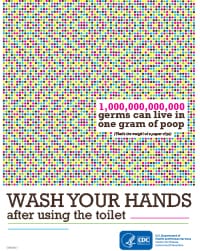
CDC – Handwashing Posters

CDC Handwashing Posters

Some examples and there are links to many others.

superhero poster featuring a boy and girl with african-american features        One trillion germs - english    Poster featuring a princess with african american features


Keep Calm and Wash Your Hands (english version)   Keep Calm and Wash Your Hands (spanish version)         Keep Calm and Wash Your Hands (chinese version)

A nine-panel photo storyboard poster that depicts the step-by-step progression of a foodborne illness outbreak. A food employee is experiencing vomiting at work.  


USA – More than 200 people ill from parasite in Del Monte vegetable tray recall

CNN

An outbreak of cyclosporiasis has sickened 212 people in four states since May, the US Centers for Disease Control and Prevention said Thursday. Seven of those individuals have been hospitalized.

 Illnesses linked to Del Monte vegetable trays have been reported in Michigan, Iowa, Minnesota and Wisconsin.
The outbreak is linked to Del Monte vegetable trays with fresh broccoli, cauliflower, celery sticks, carrots and dill dip. A recall of these 6-,12- and 28-ounce trays in clear, plastic clamshell packaging that contain these items was issued on June 15. The trays have a “Best if used by” date of June 17, 2018 and were sold at Kwik Trip, Kwik Star, Demond’s, Sentry, Potash, Meehan’s, Country Market, FoodMax Supermarket, and Peapod stores in Iowa, Minnesota, Wisconsin, Illinois, Indiana and Michigan.


CDC – 

Multistate Outbreak of Cyclosporiasis Linked to Del Monte Fresh Produce Vegetable Trays — United States, 2018


USA – Multistate Outbreak of Burkholderia cepacia Complex Infections Associated with the Use of Medline Remedy Essentials No-Rinse Cleaning Foam

uuCDC 


Update May 21, 2018

CDC is collaborating with the Food and Drug Administration (FDA), state and local health departments, and healthcare facilities to investigate a recent outbreak of Burkholderia cepacia complex (Bcc) infections. As of May 21, 2018, CDC confirmed 15 cases of Bcc infections associated with use of Medline (Northfield, IL) Remedy Essentials No-Rinse Cleansing Foam. Seven infections were in patients in Pennsylvania, seven were in California, and one was in New Jersey. These patients were already hospitalized for acute conditions and acquired the infections while hospitalized.

As of May 8, 2018 FDA is advising health professionals and consumers to avoid using all lots of Medline Remedy Essentials No-Rinse Cleansing foam, manufactured by Shadow Holdings dba Bocchi Laboratories (Santa Clarita, CA), as these products might be contaminated with Bcc. Shadow Holdings dba Bocchi Laboratories has recalled certain lots of the product.

The FDA is investigating this matter further to determine whether any additional products or lots may present a risk to consumers.

B. cepacia complex bacteria are environmental pathogens. Infections can be transmitted through infection control lapses, including indirect contact via environmental surfaces. Person-to-person transmission is possible but less common. B. cepacia complex bacteria can grow in aqueous environments, can exhibit resistance to preservatives, and can cause contamination of liquid medications or other liquid products. These factors have led to previous healthcare-associated outbreaks of B. cepacia complex. For additional information on B. cepacia complex bacteria please visit: Burkholderia cepacia in Healthcare Settings(https://www.cdc.gov/hai/organisms/bcepacia.html).

Report adverse reactions or quality problems experienced with the use of this product to the FDA’s MedWatch Adverse Event Reporting program either online, by regular mail or by fax.

The product recall notice and list of products can be found here: Medline Canada, Corp. recalls Remedy Essentials Foaming Cleanser

FDA Alert May 7, 2018 – Multistate Outbreak of Burkholderia cepacia Infections Associated with the Use of Medline Remedy Essentials No-Rinse Cleaning Foam  

Additional updates will be posted as they become available.

USA – Salmonella outbreak over, but CDC says coconut threat lingers

Food Safety News

Federal officials say an outbreak of Salmonella traced to dried coconut appears to be over, but they are renewing their public warning about a lingering threat.

Fourteen people across eight states and the District of Columbia were confirmed with the outbreak strain of Salmonella Typhimurium. Three people were admitted to hospitals. The strain was also laboratory confirmed in unopened packages of the coconut. 

“This outbreak appears to be over. However, recalled dried coconut products have a long shelf life and may still be in people’s homes. Consumers unaware of the recall could continue to eat these products and potentially get sick,” according to an update posted Friday by the Centers for Disease Control and Prevention.

USA – Update Multistate Outbreak of E. coli O157:H7 Infections Linked to Romaine Lettuce

CDC

What’s New?

  • Thirty-one more ill people from 10 states were added to this investigation since the last update on April 18, 2018.
  • Three more states have reported ill people: Colorado, Georgia, and South Dakota.
  • The most recent illness started on April 12, 2018. Illnesses that occurred in the last two to three weeks might not yet be reported because of the time between when a person becomes ill with E. coli and when the illness is reported to CDC.