Category Archives: Bacteria

RASFF Alerts – Salmonella – Laurel Leaves – Chicken – Minced Pork – Onion Powder – Seasoning Mix

RASFF-Logo

RASFF -Salmonella in laurel leaves powder from Turkey in Italy

RASFF-Salmonella enteritidis (presence /25g) in frozen raw chicken meat from Poland in France

RASFF-Salmonella enteritidis (presence /25g) in frozen poultry meat processed in Poland, with raw material from the Czech Republic in Poland

RASFF-Salmonella in minced pork from Germany in Sweden

RASFF-Salmonella spp. (presence /25g) in onion powder from unknown origin, via the Netherlands in Sweden

RASFF-Salmonella spp. (presence /25g) in seasoning mix from India in Finland

RASFF Alerts – Animal Feed – Salmonella – Aflatoxin

RASFF-Logo

RASFF -Salmonella Rissen in corn gluten meal from the Netherlands in Sweden

RASFF -Salmonella spp. in pet food from Mauritius in Italy

RASFF -aflatoxins (B1 = 4.8 / B1 = 28.4 / B1 = 55.9 µg/kg – ppb) in organic soy beans from Kazakhstan in Denmark.

USA – Green Chillies Recall – Listeria monocytogenes

Listeria Blog

Bueno Foods has announced a voluntary recall of its frozen non-ready-to-eat green chile.

According to the company, the measure is being taken due to the possibilty of low levels of the listeria bacteria being present in the product.

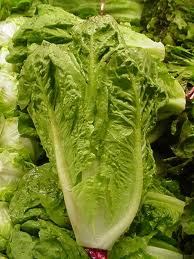
Research – Brasil – Risk of Infection by Salmonella and Listeria from RTE Vegetables

Science DirectEurofins Food Testing UK

The current study was carried out to estimate the risks of infection due to consumption of RTE vegetables contaminated with Salmonella and Listeria monocytogenes in Brazil. The risk assessment model was composed of five different modules comprising the retail-consumption steps. Scenarios were simulated using prevalence and concentration levels reported in RTE vegetables in Brazil as well as considering values 10 times lower. In addition, scenarios in which temperature during transportation and storage are maintained below 5 °C were also evaluated. Models built in Excel spreadsheets were run (100,000 iterations) using @Risk software. The two outputs were risk of infection per month (probability of infection per month due to consumption of RTE vegetables) and number of infections per month (number of people that consumed RTE vegetables and get infected per month). The QMRA models predicted that the mean risk of Salmonella infection per month is 5.7E-03, while the mean risk of infection for L. monocytogenes was 8.1E-06 per month. The reduction of prevalence of Salmonella from 1.7% to 0.17% resulted in a decrease of risk of infection per month by about 6 times. In the case of L. monocytogenes, the reduction of prevalence from 2.2% to 0.22% resulted in decrease of risk of infection from 8.1E-06 to 1.0E-06. The risks and number of cases predicted in scenarios in which temperature was kept below 5 °C were reduced for both pathogens studied when compared to scenarios where this was not the case. The scenario where prevalence and concentration of pathogens was reduced and where temperature was <5 °C led to the lowest number of infections due by Salmonella and L. monocytogenes (187 and 3.3E-05 cases, respectively). The results suggest that effective mitigation strategies need to be adopted. The strict control of temperature during transportation, storage and consumption was more effective to reduce risk and number of cases due to L. monocytogenes than to Salmonella. More data is needed to improve the accuracy of risk assessment models developed.

UK -Four more E.coli O157 Cases in Scotland Linked to Burgers

STV NewsBurger

Four more cases of E coli have been linked to the SSE Hydro in Glasgow, health bosses said.

The new cases bring the total number to 15 and are all linked to events at the venue on January 17, 18 and 19.

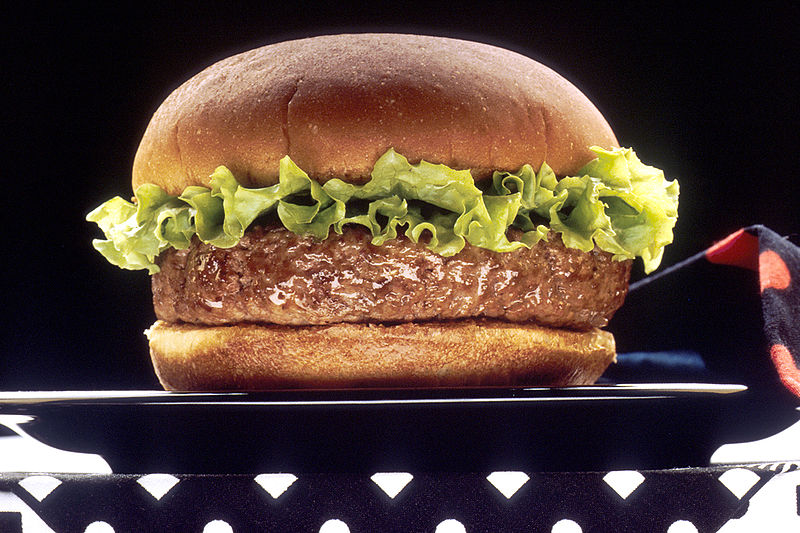
An investigation by NHS Greater Glasgow and Clyde (NHSGGC) alongside other public health bodies has indicated that burgers sold at the Hydro could have been the cause of the outbreak.

USA – FDA Recall Nephros Filtered Water Products – Bacteria – Virus

FDAFDA

Nephros is recalling its non-medical water filtration SafeSpout and SafeShower products because they may pose risks to health, potentially resulting in sickness or death. The Nephros SafeSpout and SafeShower are intended to filter water for washing and drinking. The devices are installed at the end of a standard sink faucet or shower head.

This recall involves all production lots of the following filters, manufactured between July 2011 and September 2013 and distributed between October 2011 – 2013.

  • SafeSpout 70-0233, 70-0238
  • SafeShower HH (Hand Held) 70-0237
  • SafeShower FH (Fixed Head) 70-0236

Risk: Exposure to harmful bacteria may occur when the fiber filter or the sealing compound holding the fiber in place breaks apart. If the filter breaks, consumers could be exposed to bacteria or viruses, which could result in infection or death. Reports of one death and one infection are associated with this recall.

Recommendations

  • Consumers who have purchased these products should stop using them immediately and return all filters to Nephros Inc. 41 Grand Ave., River Edge, NJ 07661-1947.
  • Consumers may contact Nephros Inc. at: 1-201-343-5202 ext.100 Monday – Friday 9:30 a.m. to 5 p.m. ET.

RASFF Alert – Salmonella – Turkey – Chicken

RASFF-Logo

RASFF – Salmonella Schwarzengrund in skinless boneless spiced turkey breasts from Brazil in Spain

RASFF – Salmonella enteritidis (presence /25g) in chilled chicken drumsticks, wings and legs from Poland in Italy

RASFF – Salmonella enteritidis in chilled chicken from Belgium

RASFF Alerts – Animal Feed – Salmonella – Aflatoxin

RASFF-Logo

RASFF-Salmonella (present /25g) in processed animal protein of chicken from the Netherlands in Sweden

RASFF– Salmonella Give (present /25g) in fish meal from Spain in Hungary

RASFF– Salmonella Montevideo and Salmonella Tennessee in non GMO soy bean meal from Bosnia and Herzegovina in Austria

RASFF– aflatoxins (B1 = 190 / B1 = 150 / B1 = 29 µg/kg – ppb) in groundnut kernels from Sudan in the UK

RASFF– aflatoxins (B1 = 0.084 mg/kg – ppm) in maize from Croatia in Slovenia

RASFF– aflatoxins (B1 = 333 / B1 = 287 µg/kg – ppb) in sunflower seeds from Egypt in Belgium

USA – FDA – Recall Dog and Cat Food – Salmonella

FDAFDA

Pro-Pet LLC, St. Marys, Ohio, has initiated a voluntary recall of a limited number of Dry Dog and Cat Foods for possible Salmonella contamination. A single field test indicated products manufactured during a two day period, on a single production line may have the potential for Salmonella contamination. Pro-Pet LLC is voluntarily recalling the potentially impacted products made during this timeframe. There have been no reports of illness related to this product to date.

Salmonella can affect animals eating the products and there is risk to humans from handling contaminated pet products, especially if they have not thoroughly washed their hands after having contact with the products or any surfaces exposed to these products.

Healthy people infected with Salmonella should monitor themselves for some or all of the following symptoms: nausea, vomiting, diarrhea or bloody diarrhea, abdominal cramping and fever. Rarely, Salmonella can result in more serious ailments, including arterial infections, endocarditis, arthritis, muscle pain, eye irritation, and urinary tract symptoms. Consumers exhibiting these signs after having contact with this product should contact their healthcare providers.

Pets with Salmonella infections may be lethargic and have diarrhea or bloody diarrhea, fever, and vomiting. Some pets will have only decreased appetite, fever and abdominal pain. Infected but otherwise healthy pets can be carriers and infect other animals or humans. If your pet has consumed the recalled product and has these symptoms, please contact your veterinarian.

UK – FSA Recall – Cheese Recall – Listeria monocytogenes

FSAfood_standards_agency_logo

Loch Arthur Creamery has recalled batches of its Criffel unpasteurised cheese, because Listeria monocytogenes has been detected in the product. Listeria monocytogenes can cause illness in certain groups of people, such as pregnant women, unborn and newborn babies, and anyone with reduced immunity, particularly the over-60s.