Category Archives: Aflatoxin B1

RASFF Alerts – Aflatoxin – Pistachios – Groundnuts – Organic Buckwheat – Dried Peanuts – Rice – Organic Cornflakes

RASFF

Aflatoxin in Argentine groundnuts in the Netherlands

RASFF

Aflatoxin in Indian groundnuts in the Netherlands and Switzerland

RASFF

Aflatoxins in organic buckwheat from Poland, via Austria in Germany

RASFF

Aflatoxins in dried peanuts with skin from Vietnam, via the Netherlands in Germany

RASFF

Aflatoxins in pistachios from Iran in Belgium

RASFF

Aflatoxins above the limits in Pistachios from United States in Italy

RASFF

Aflatoxin in Turkish Pistachio Nuts in the Netherlands

RASFF

Aflatoxin in rice from India in the Netherlands

RASFF

Aflatoxin B1 in organic cornflakes from Germany, made from organic corn grits from Italy in Austria, Germany and the Czech Republic

RASFF Alerts – Aflatoxin – Shelled Hazelnuts – Pistachios – Hazelnut Kernels – Super Basmati Brown Rice – Groundnuts – Peanuts – Seasoning Mixes – Roasted Peanuts – Shelled Almonds

RASFF

Presence above the permitted limits of Aflatoxins on shelled hazelnuts from Azerbaijan in Italy

RASFF

Aflatoxins in pistachios from United States in Spain

RASFF

Aflatoxins in hazelnut kernels from Azerbaijan in Bulgaria, Germany and Slovakia

RASFF

Aflatoxins in super basmati brown rice(husked rice) from Pakistan in the Netherlands

RASFF

Aflatoxin B1 in super basmati brown rice(husked rice) from Pakistan in the Netherlands

RASFF

Aflatoxin B1 in super basmati brown rice(husked rice) from Pakistan in the Netherlands

RASFF

Aflatoxins in Indian Groundnut Kernels from India in the Netherlands and Switzerland

RASFF

Aflatoxin B1 in Argentine peanuts in the Netherlands

RASFF

Aflatoxins in basmati brown rice(husked rice) from Pakistan in the Netherlands

RASFF

Aflatoxins in groundnuts from United States in Spain

RASFF

Aflatoxins in groundnuts in-shell from USA in Poland

RASFF

Aflatoxins in organic groundnut kernels from Bolivia in the Netherlands and Spain

RASFF

Aflatoxin B1 in Indian Groundnuts from India in the Netherlands and Switzerland

RASFF

Elevated Aflatoxin B1 and Total Aflatoxin in Seasoning Mixes from Pakistan in Ireland and the UK

RASFF

Increased levels of aflatoxins in roasted peanut without skin from Vietnam via the Netherlands in Germany

RASFF

High aflatoxin content in shelled pistachios from Turkey in Italy

RASFF

Presence of aflatoxin (B1 and sum) higher than the legal limits in shelled almonds from Spain in Italy

RASFF

Aflatoxin B1 (Samples A: 2,74 ± 0,41, B: 2,79 ± 0,42 µg/kg) in blanched groundnuts from Argentina in Poland

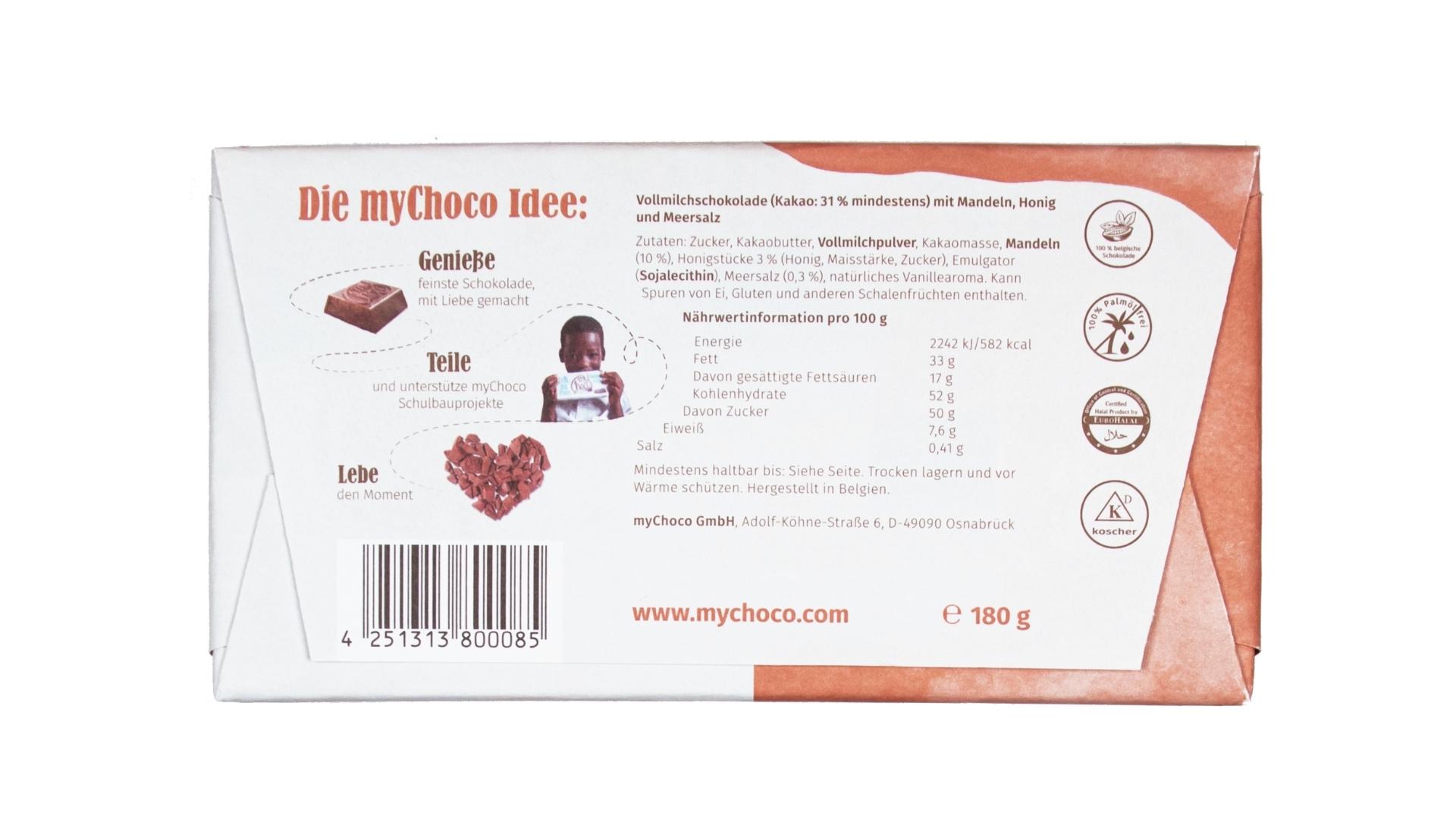
Luxembourg – MYCHOCO BRAND MILK CHOCOLATE WITH ALMONDS, HONEY AND SEA SALT – Aflatoxin

SAP

capture-de-bvl.PNG

name Milk chocolate with almonds, honey and sea salt
Brand MyChoco
Unity 180g
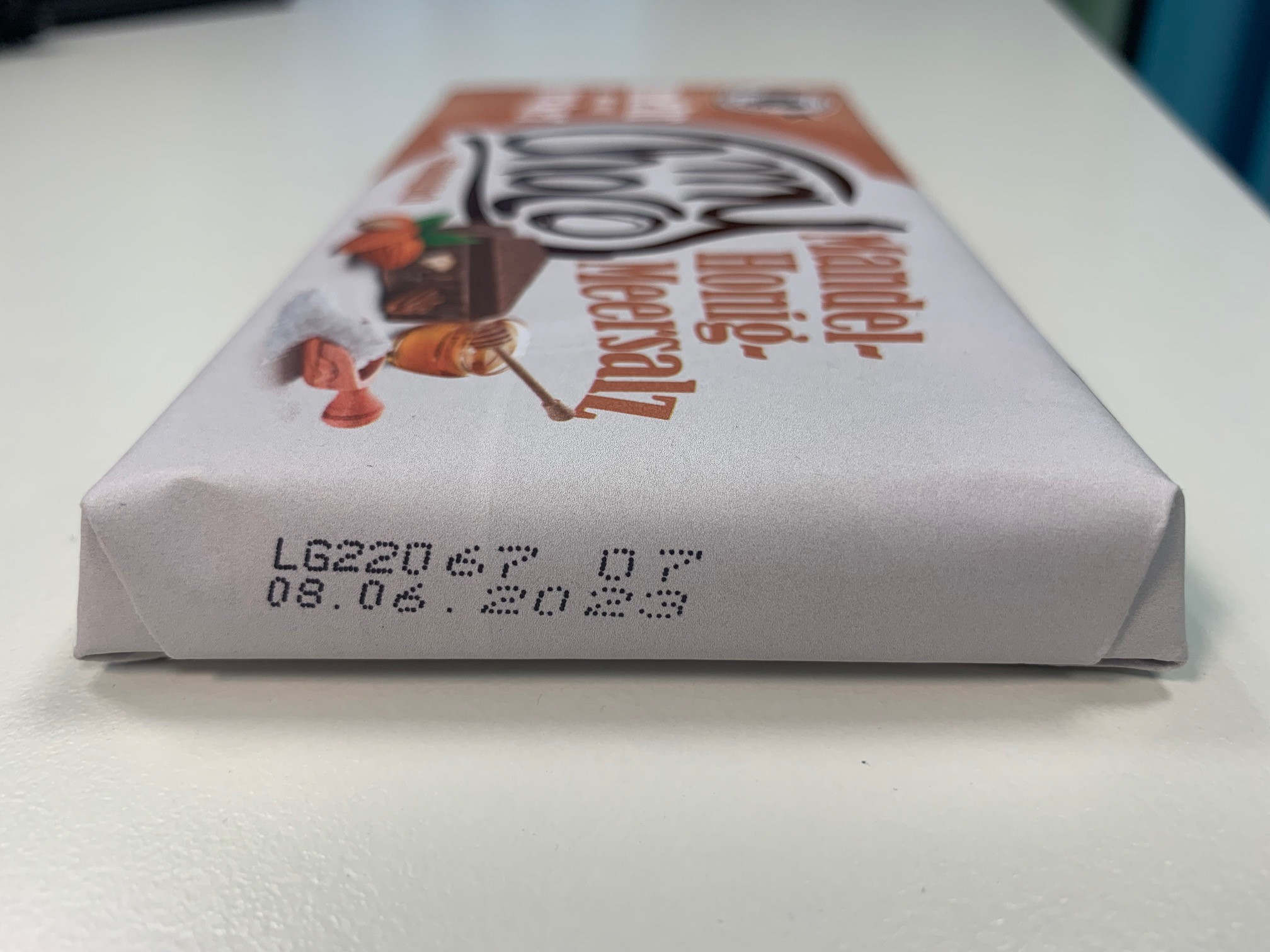
Date of minimum durability (MDD) 08/06/2023
Batch 22067

Danger  : Too high aflatoxin content

Aflatoxins are mycotoxins produced by certain species of Aspergillus molds which develop when the degree of temperature and humidity of the food is high. Aflatoxins are considered genotoxic and carcinogenic by the European Food Safety Authority and can be dangerous with high and repeated consumption.

Sale in Luxembourg by: Center Bohey

A sale by other operators cannot be excluded.

Germany – Whole milk chocolate (cocoa: 31% minimum) with almonds, honey and sea salt – Aflatoxin B1+B2+G1+G2

LMW

Alert type: Food
Date of first publication: 05/10/2022
Product name:

Whole milk chocolate (cocoa: 31% minimum) with almonds, honey and sea salt

Product images:
Honey-almond-sea salt_front.jpg

Honey-almond-sea salt_backside.jpg

myChoco_Charge and MHD.jpg

Manufacturer (distributor): myChoco GmbH Adolf-Köhne-Strasse 6 49090 Osnabrück
Reason for warning:

The item may contain high levels of Aflatoxin B1 and Total Aflatoxin B1+B2+G1+G2. This increased aflatoxin content is due to the almonds contained in the product.

Packaging Unit:

180g

Durability:

06/08/2023

Production date:

03/08/2022

Lot identification:

22067

Additional Information:

See company press release (attachment)

Manufacturer’s website:

RASFF Alerts – Aflatoxin – Groundnut Kernels – Pistachios – Almonds in Chocolate Products – Basmati Brown Rice – Super Basmati Brown Rice – Peanuts – Cracker Nuts

RASFF

Aflatoxins beyond the limits shelled pistachios via Turkey from Iran in Italy

RASFF

Aflatoxins in pistachios from United States. in Spain

RASFF

Aflatoxin in almonds used in chocolate products from Spain and Belgium in Belgium, Spain, Israel, Germany, Italy, Japan, Malaysia, Poland, Russia, Serbia, Slovakia, Taiwan and Turkey

RASFF

Aflatoxins in super basmati brown rice from Pakistan in the Netherlands

RASFF

Aflatoxin in Indian groundnuts in the Netherlands and Switzerland

RASFF

Aflatoxin B1 in super kernel basmati brown rice from Pakistan in the Netherlands

RASFF

Aflatoxin B1 in Pakistan super basmati brown rice in the Netherlands

RASFF

Aflatoxins in Peanuts from the U.S.A in the Netherlands

RASFF

Aflatoxins in Indian Groundnut Kernels in the Netherlands and Switzerland

RASFF

Aflatoxin in Egyptian groundnuts in the Netherlands and Germany

RASFF

Aflatoxins in cracker nuts from the Philippines in Belgium, Denmark, France, Germany, Ireland, Italy, Netherlands, Norway, Philippines, Portugal, Spain, Sweden and the UK.

RASFF

Aflatoxins in Indian Groundnut Kernels in the Netherlands and Switzerland

RASFF

Aflatoxins in Indian Groundnut Kernels in the Netherlands

RASFF

Aflatoxins in Indian Groundnut Kernels in the Netherlands and Switzerland

RASFF

Aflatoxins in Indian Groundnut Kernels in the Netherlands and Switzerland

RASFF

Aflatoxins in Indian Groundnut Kernels in the Netherlands and Switzerland

RASFF

Aflatoxin B1 in Indian Groundnut Kernels in the Netherlands and Switzerland

Research – Will climate change increase the risk of aflatoxin in U.S. corn?

Science Daily

As climate change continues to alter weather patterns around the planet including the Midwest, researchers at Michigan State University are modeling the impact on crops such as corn.

“The United States is the largest exporter and donor of field corn around the world,” said Felicia Wu, a John A. Hannah Distinguished Professor and an international expert on food safety in the Department of Food Science and Human Nutrition and the Department of Agricultural, Food, and Resource Economics in the College of Agriculture and Natural Resources at MSU. “Here in the U.S., we consume field corn in the form of corn chips, corn flakes, corn grits and corn tortillas; as opposed to sweet corn, which is frozen, canned and eaten off the cob. Field corn is also used for animal feed and for ethanol production.”

The fungi Aspergillus flavus and Aspergillus parasiticus produce aflatoxin which can infect peanuts, tree nuts and corn. Aflatoxin not only degrades corn quality but can also cause health problems for humans and animals depending on the amount and length of time it is ingested. While aflatoxin contamination occurs annually in the southern United States because of the hot and dry climate, it has rarely been a serious problem in the Corn Belt region of the U.S.

“When we ran our near-term climate model scenarios, we found that between 2031-2040, aflatoxin is going to become more of a problem in the U.S. Corn Belt in the Midwest,” Wu said. “The last time there was a serious problem was in 2012 when we had an unusually hot and dry summer throughout the Midwest; particularly Iowa, Illinois and Indiana.”

Wu’s research was published April 5, 2022 in the journal Environmental Research Letters. Co-authors on the paper include her former doctoral student Jina Yu (Hong Kong Baptist University), David Hennessy (Iowa State University) and Jesse Tack (Kansas State University).

Hot and dry conditions encourage fungi spores to be airborne which increases their chances of contaminating crops. Water helps plants withstand stress that makes them vulnerable to harmful fungi. Steps growers, grain elevators and processors can take to reduce the risk of aflatoxin contamination include storing corn harvests in cool, dry conditions and keeping crops irrigated to the extent possible given declining water tables.

Researchers are already using both biotechnological and conventional breeding techniques to develop hybrid crops that can withstand drought, insect damage and fungal infections. In many parts of the world, corn growers are using biocontrol to reduce aflatoxin. Biocontrol infects plants with Aspergillus fungi which is unable to produce aflatoxin because this these fungi competitively exclude the fungi that produce aflatoxin.

Another possibility shifts crop production further north or further south geographically where the climate is cooler or wetter to reduce aflatoxin risk. That, however, impacts farms that have been passed down for generations.

For consumers concerned about eating field corn and their aflatoxin risk, Wu suggests eating your greens and garlic. “Green leafy vegetables are good for your overall health,” Wu said. “Chlorophyll has a sandwich molecular structure that traps aflatoxin molecules so that humans excrete them before the toxin can enter our bloodstream.”

Also, cruciferous vegetables like broccoli, cauliflower, kale and allium vegetables like garlic, onions and leeks can help detoxify carcinogens in our bodies.

“We predict seeing an increase in aflatoxin problems over the next 10-20 years,” Wu said. “So, we need to rely on technologies and a whole suite of interventions that can reduce the problem.”


Story Source:

Materials provided by Michigan State University. Original written by Emilie Lorditch. Note: Content may be edited for style and length.

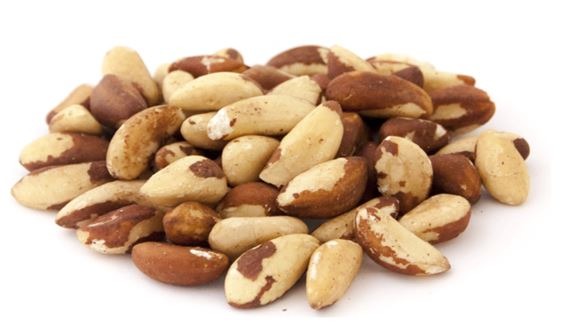
France – ORGANIC AMAZONIAN NUTS – ORGANIC VILLAGE – SOLD IN BULK – Aflatoxins

Gov france

Identification information of the recalled product

  • Product category Food
  • Product subcategory Nuts and seeds
  • Product brand name ORGANIC VILLAGE
  • Model names or references ORGANIC AMAZONIAN NUTS – ORGANIC VILLAGE – SOLD IN BULK
  • Identification of products
    Batch Date
    These nuts were marketed in the bulk department from 02/14/2022 to 04/25/2022 Date of minimum durability 01/24/2023
  • Packaging BULK
  • Marketing start/end date From 02/14/2022 to 04/25/2022
  • Storage temperature Product to be stored at room temperature
  • Further information These nuts were marketed in the bulk department from 02/14/2022 to 04/25/2022. The DDM concerned is 24/01/2023.
  • Geographic area of ​​sale Whole France
  • Distributors E.LECLERC

Practical information regarding the recall

  • Reason for recall Presence of aflatoxins B1 and total aflatoxins
  • Risks incurred by the consumer Aflatoxins

France – ORGANIC AMAZONIAN NUTS – ORGANIC VILLAGE – SOLD IN BULK – Aflatoxin B1

Gov france

Identification information of the recalled product

  • Product category Food
  • Product subcategory Nuts and seeds
  • Product brand name ORGANIC VILLAGE
  • Model names or references ORGANIC AMAZONIAN NUTS – ORGANIC VILLAGE – SOLD IN BULK
  • Identification of products
    Batch Date
    These nuts were marketed in the bulk department from 02/14/2022 to 04/25/2022 Date of minimum durability 01/24/2023
  • Packaging BULK
  • Marketing start/end date From 02/14/2022 to 04/25/2022
  • Storage temperature Product to be stored at room temperature
  • Further information These nuts were marketed in the bulk department from 02/14/2022 to 04/25/2022. The DDM concerned is 24/01/2023.
  • Geographic area of ​​sale Whole France
  • Distributors E.LECLERC

Practical information regarding the recall

  • Reason for recall Presence of aflatoxins B1 and total aflatoxins
  • Risks incurred by the consumer Aflatoxins

RASFF Alerts- Aflatoxins – Groundnut Kernels – Ground Ginger – Organic Spelt Flour – Basmati Brown Rice – Groundnuts – Shelled Pistachios – Dried Figs

RASFF

Aflatoxins in Indian Groundnut Kernels in the Netherlands and Switzerland

RASFF

Aflatoxins in Indian Groundnut Kernels in the Netherlands and Switzerland

RASFF

Aflatoxin B1 in Indian Groundnut Kernels in the Netherlands and Switzerland

RASFF

Aflatoxins in ground ginger from Syria in Germany

RASFF

Aflatoxins in organic spelt flour from France in Belgium

RASFF

Aflatoxin B1 in super basmati brown rice from Pakistan in the Netherlands

RASFF

Aflatoxin in Bolivian Groundnuts in the Netherlands and Spain

RASFF

Aflatoxins in organic blanched Egyptian Groundnuts in Germany and the Netherlands

RASFF

Aflatoxins beyond the maximum limits allowed in shelled Pistachios from Turkey in Italy

RASFF

Pistachios in shell origin Iran / aflatoxins above the legal limits in pistachios in shell from Iran in Italy

RASFF

Aflatoxin B1 in Turkish organic diced dried Figs in the Netherlands

RASFF Alerts – Aflatoxin – Groundnut Kernels – Spelt Flour – Pistachios – Pakistan Rice – Cashews – Super Basmati Brown Rice –

RASFF

High aflatoxin content in shelled pistachios from USA / Aflatoxins above the legal limit in shelled pistachios from USA, via Turkey in Italy

RASFF

Aflatoxin in Pakistan Rice from Pakistan in the Netherlands

RASFF

Aflatoxins in blanched groundnut kernels from Argentina in the Netherlands

RASFF

Aflatoxins over the limits in Cashews from Vietnam in the Netherlands, Spain and Italy

RASFF

Aflatoxins in shelled pistachios from the United Arab Emirates // Aflatoxins in pistachios kernels from the United Arab Emirates in Italy

RASFF

Aflatoxins in Indian Groundnut Kernels in the Netherlands and Switzerland

RASFF

Aflatoxin B1 in Pakistan super basmati brown rice in the Netherlands

RASFF

Aflatoxin B1 in super kernel basmati brown rice from Pakistan in the Netherlands

RASFF

Aflatoxins in Indian Groundnut Kernels in the Netherlands and Switzerland

RASFF

Aflatoxins in organic Bolivian groundnut kernels in the Netherlands and Spain

RASFF

Aflatoxins in spelt flour from France in Belgium