Author Archives: KSW

USA – Cooperstown Cheese Company Recalls Products Because of Possible Health Risk – Listeria monocytogenes

FDA

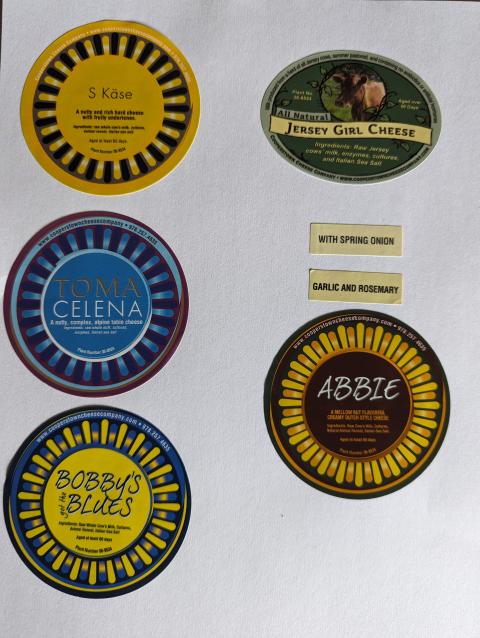
Product images of S Kase, Toma Celena, Bobby’s got the Blues, Jersey Girl with spring onion, Jersey Girl with garlic and rosemary, and Abbie cheese products

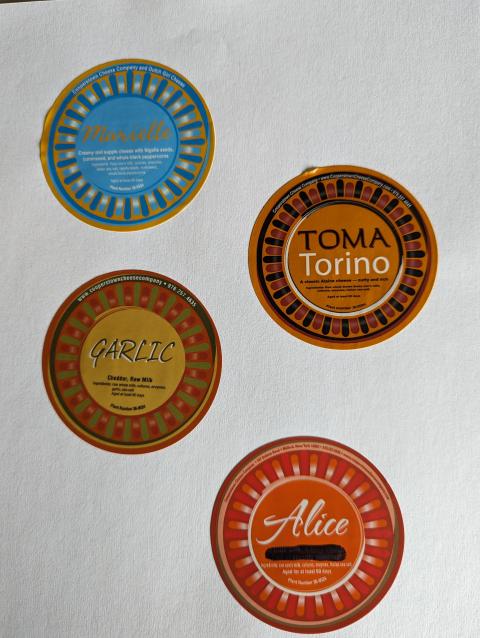
Product images of  Marielle, Garlic, Toma Torino, and Alice cheese products

Company Announcement

Cooperstown Cheese Company of Milford, NY, is recalling 1400 pounds of cheese purchased, sold or distributed from June 21, 2023 to July 10, 2023 because it has the potential to be contaminated with Listeria monocytogenes, an organism which can cause serious and sometimes fatal infections in young children, frail or elderly people, and others with weakened immune systems. Although healthy individuals may suffer only short-term symptoms such as high fever, severe headache, stiffness, nausea, abdominal pain and diarrhea, listeria infection can cause miscarriages and stillbirths among pregnant women.

Product was distributed in New York State and reached customers through farmers markets, restaurants and retail stores. In a retail store, the product may be repackaged and wrapped in cellophane or cheese paper or vacuum sealed. The products are labelled as Jersey Girl, Toma Celena and Abbie. At farmers markets, the product is wrapped in cheese paper or plastic. The products found at farmers markets are labelled as Jersey Girl, Toma Celena, SK, Jersey Gold, Marielle, Jersey Girl with garlic/rosemary, Jersey Girl spring onion, Bobby’s got the Blues, Toma Torino, Jersey Gold with garlic, and Abbie. Cut and wrapped, the product would last roughly 2 weeks, depending on storage. In restaurants, the products are labelled as Jersey Girl and Toma Celena. All are labelled with Cooperstown Cheese Company labels that contain the company contact information.

The listeria was found through routine environmental testing by the firm and during an FDA inspection.

The company has ceased production as they and FDA continue to investigate the problem.

No illnesses have been reported to date.

Consumers who have purchased any of the products can return them to where they were purchased for refund. For more information, please contact Sharon Tomaselli of Cooperstown Cheese Company at 978-257-4635, 9 to 5, EST.


Company Contact Information

Consumers:
Sharon Tomaselli of Cooperstown Cheese Company
 978-257-4635

Italy – Robiola di Eros pure raw goat’s milk gr. 250 – STEC E.coli

Salute

Brand : La Casera Srl

Denomination : Robiola di Eros pure raw goat’s milk gr. 250

Reason for reporting : Recall for microbiological risk

Publication date : July 22, 2023

Documentation

Documentation

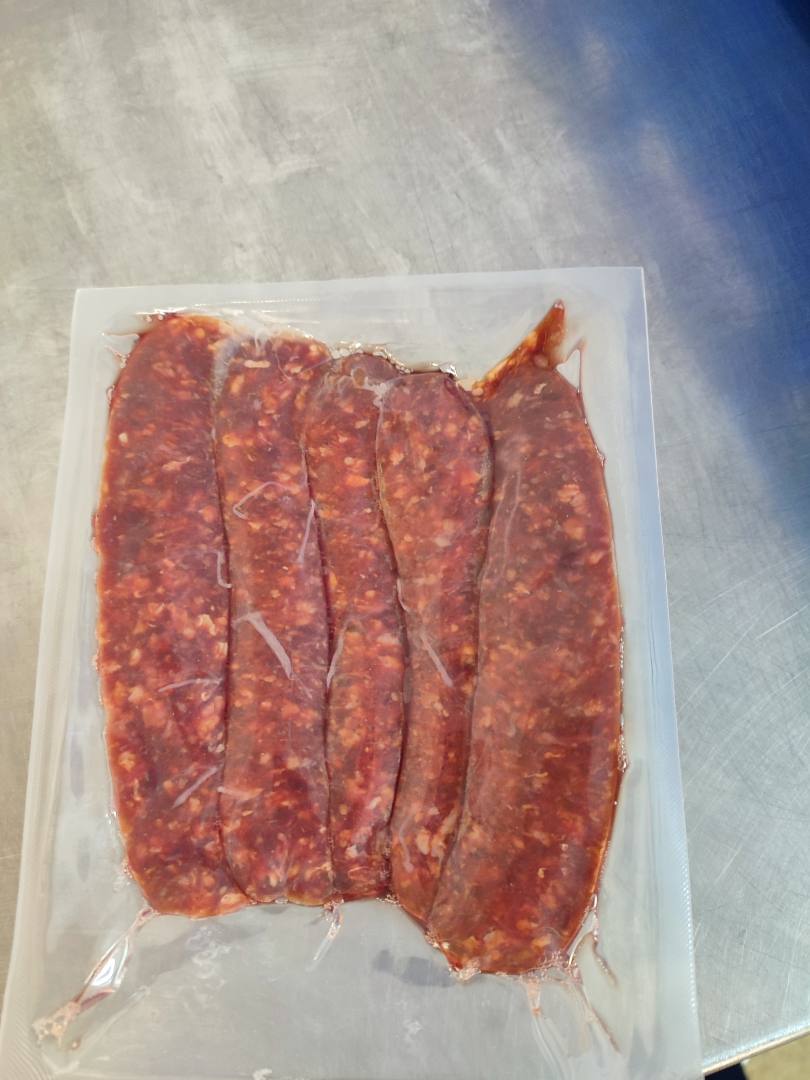
France – Beef Minced Steak -Small pure beef sausage – STEC E.coli O26: H11

Gov france

Gov france

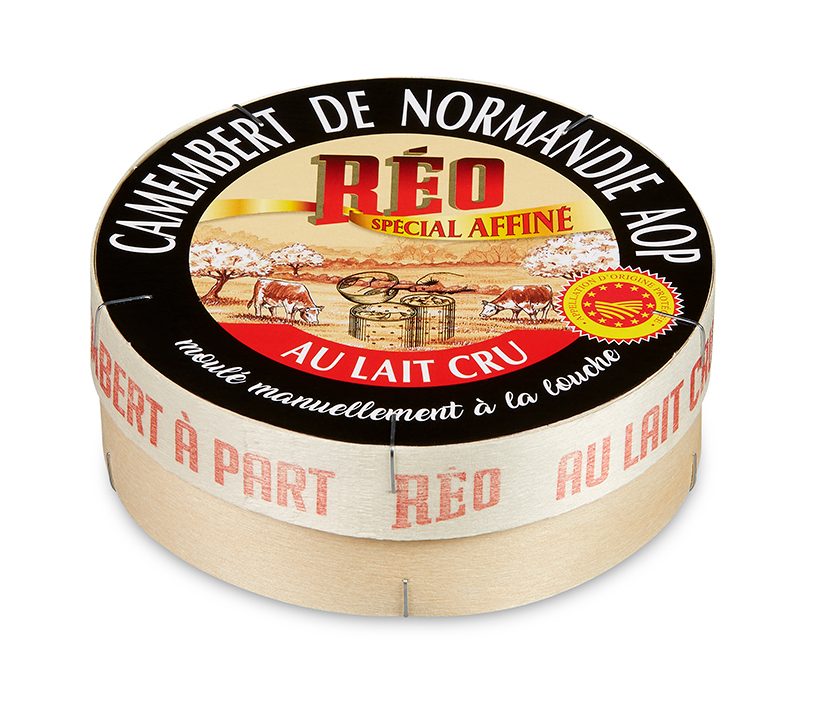
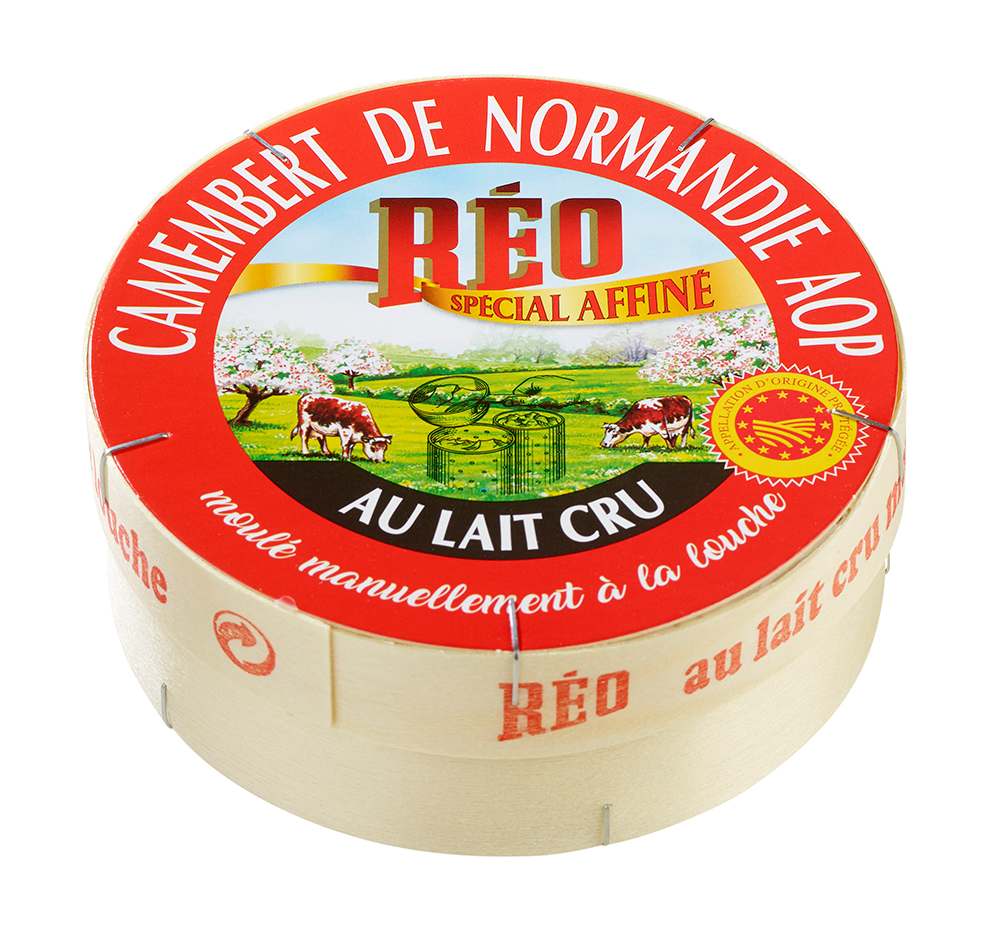
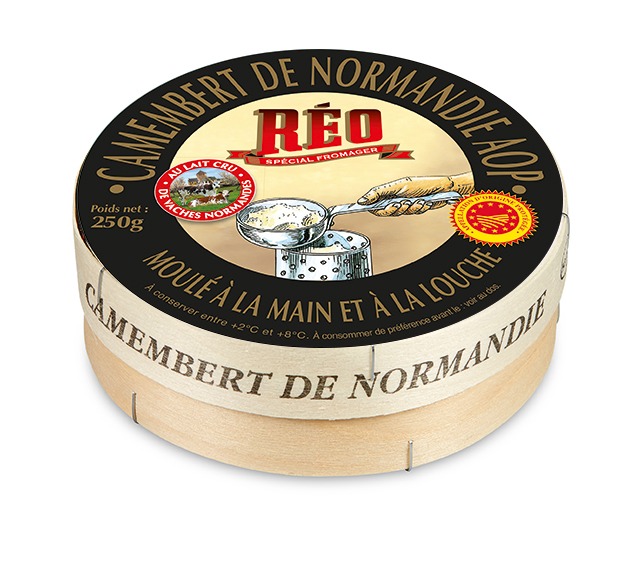
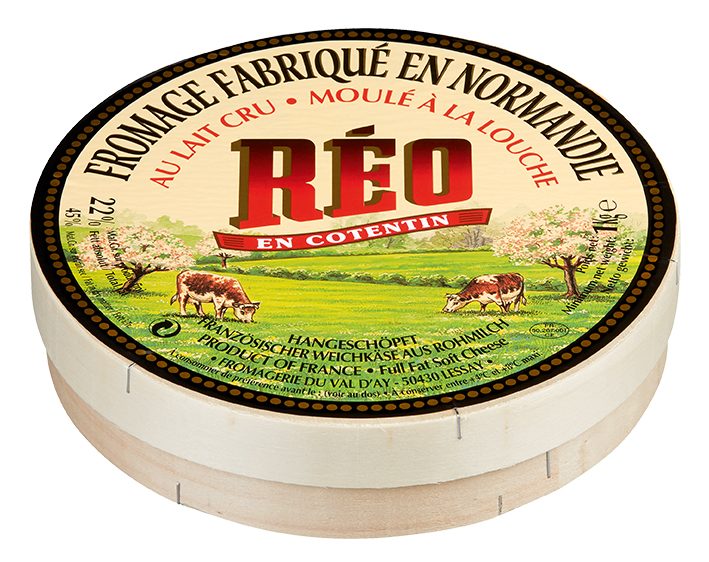
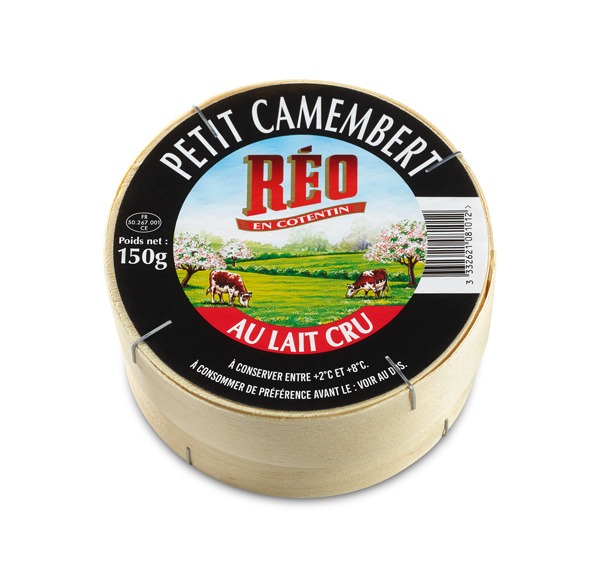
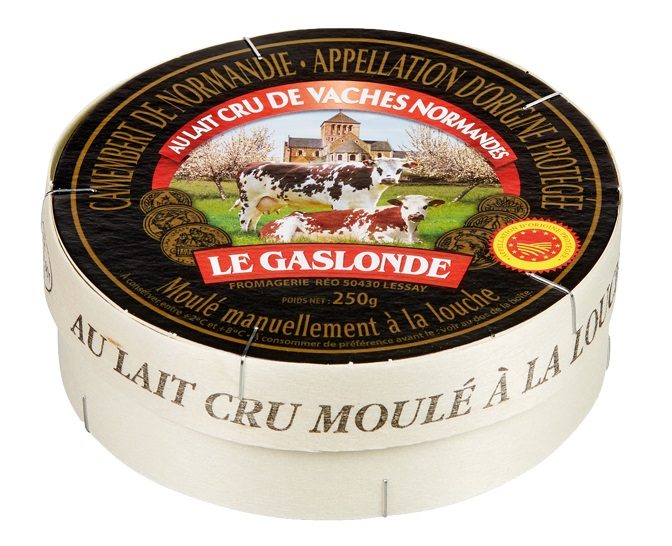
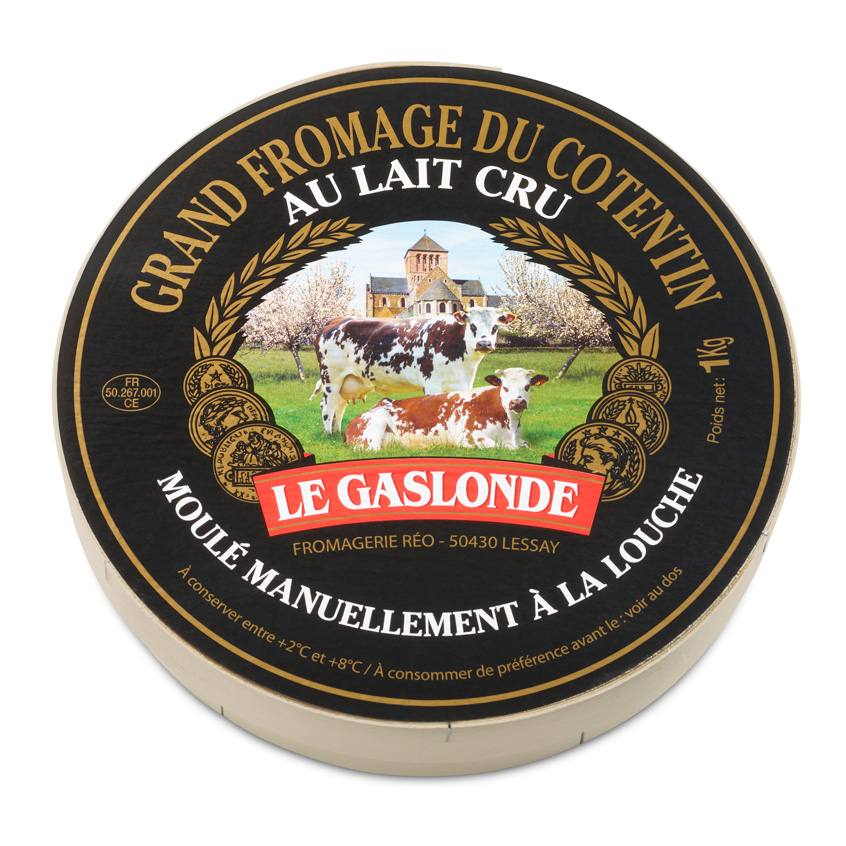
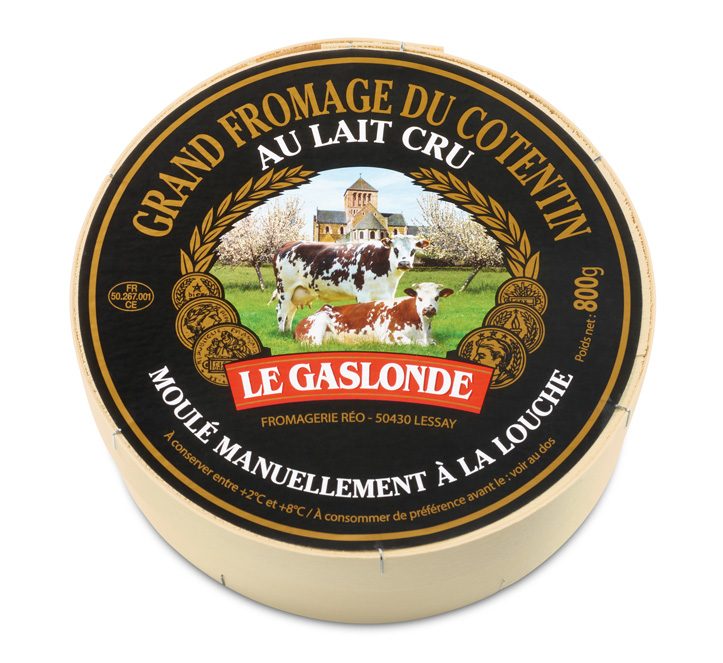
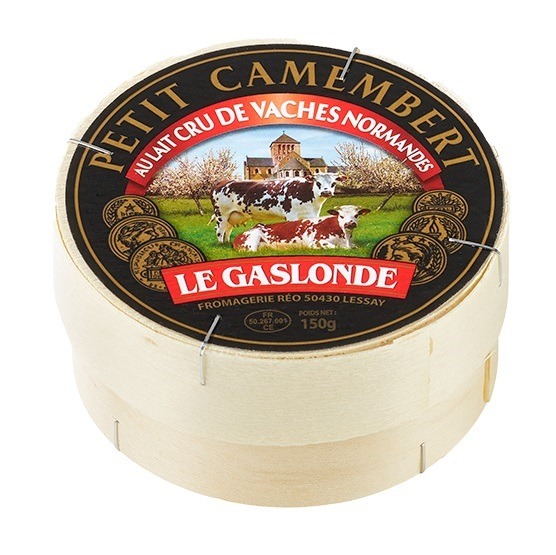
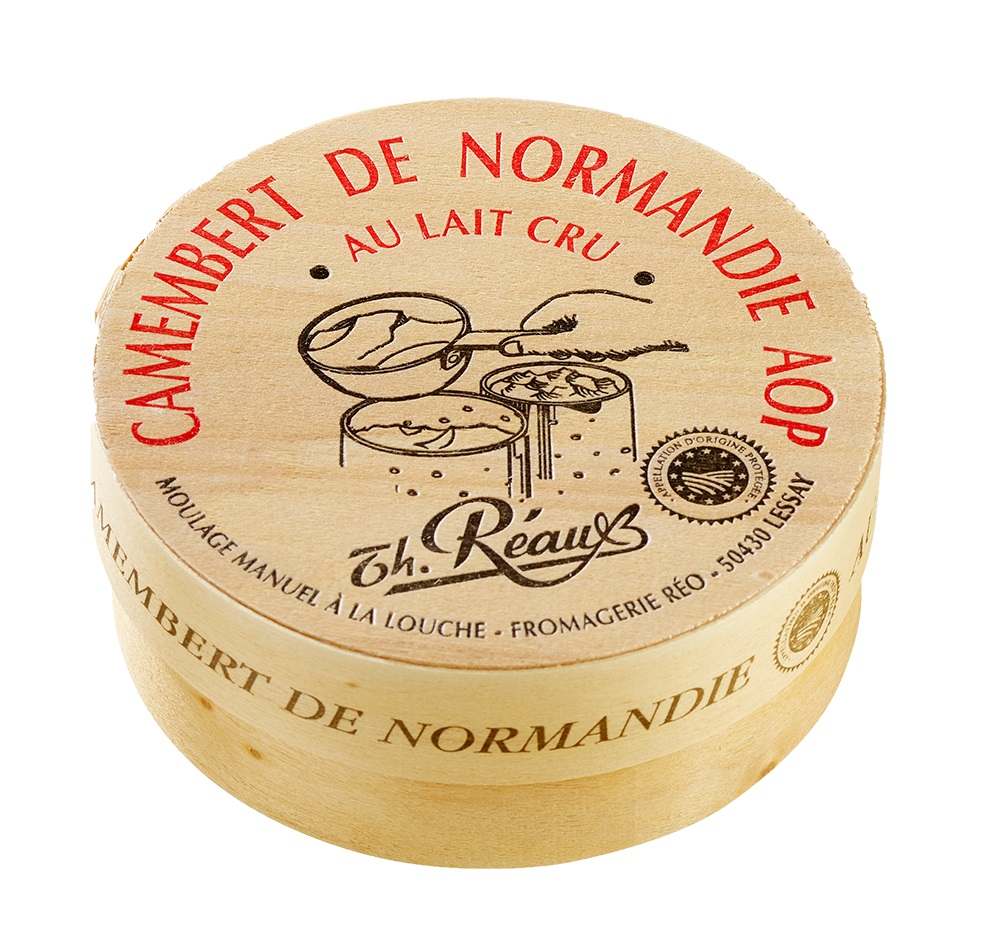
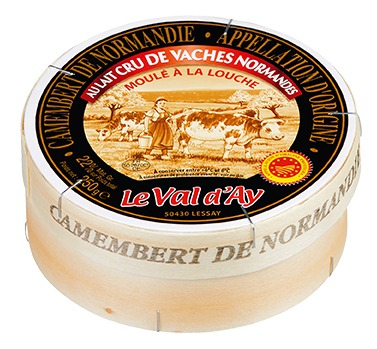
France – Raw milk cheeses – Listeria monocytogenes

Gov france

Gov france

Gov france

Gov france

France – Various Ham Sausage Products – Mold/Mould

Gov france

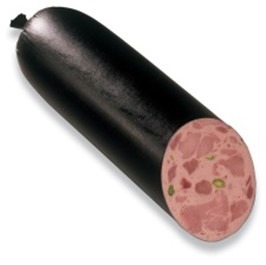
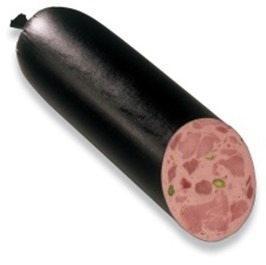
Ham sausage

Gov france

Ham sausage

UK – Potts Partnership recalls Potts’ Truffle Mayonnaise because of the presence of Listeria monocytogenes

FSA

Potts Partnership Ltd is recalling Potts’ TruffleMayonnaise because Listeria monocytogenes has been found in the product.

Product details

name: Potts’ Truffle Mayonnaise
Pack size 230g
Batch code 18823
Best before July 2024

Risk statement

The presence of Listeria monocytogenes in the product listed above.

Symptoms caused by this organism can be similar to flu and include high temperature, muscle ache or pain, chills, feeling or being sick and diarrhoea. However, in rare cases, the infection can be more severe, causing serious complications, such as meningitis.

Some people are more vulnerable to listeria infections, including those over 65 years of age, pregnant women and their unborn babies, babies less than one month old and people with weakened immune systems.

Action taken by the company

Pott’s Partnership Ltd is recalling the above product. Point of sale notices will be displayed in retail stores where this product is sold. These notices explain to customers why the product is being recalled and tell them what to do if they have bought the product. Please see the attached notice.

Our advice to consumers

If you have bought the above product do not eat it. Instead return it to the store you bought it from for a full refund. For further information contact info@pottspartnership.co.uk

Research – Modified Atmosphere Packaging (MAP) for Seaweed Conservation: Impact on Physicochemical Characteristics and Microbiological Activity

MDPI

Abstract

Conventional conservation techniques such as drying, salting or freezing do not allow for preserving the original characteristics of seaweeds. The present work aims to study the impact of minimal processing, in particular “Modified Atmosphere Packaging” (MAP), on the physicochemical characteristics and food safety of two seaweed species, “laver” (Porphyra umbilicalis) and “sea-lettuce” (Ulva lactuca), stored at 6 °C for 15 days. Different parameters were evaluated using analytical methods, namely the composition of headspace gases, color, texture, microorganisms, and volatile organic compounds (VOCs). The main findings of this study were that the MAP treatment was able to inhibit the respiration rate of minimally processed seaweeds, also preserving their color and texture. There was a remarkable reduction in the microbial load for P. umbilicalis treated under modified and vacuum atmospheres, and U. lactuca exhibited relatively steady values with no notable differences between the treatments and the control. Therefore, during the 15-day study period, both seaweeds met the requirements for food safety. GC–TOF-MS allowed to conclude that both MAP and vacuum treatments were more efficient in maintaining the odor characteristics of U. lactuca compared to P. umbilicalis with no significant differences throughout the storage days. Metabolic responses to diverse sources of abiotic stress seemed to account for most of the changes observed.

Research – The brink of a phage paradigm shift in the EU?

Poultry World

We might be on the brink of a phage paradigm shift in the European Union. This was the view of various experts during an online webinar on 11 July organised by PhageEU, a coalition of stakeholders representing phages in industry, the scientific community and civil society.

A feed additive based on phage technology could be authorised by the European Commission in the near future, they agreed, adding that this would be a template for the development of ground-breaking phage products in poultry and other food-producing animals.

The webinar was an opportunity to discuss technical challenges to designing bacteriophage products, the regulatory hurdles in Europe for this new product category as well as to analyse the recent political debate in the EU institutions and the future outlook.

Food caterer fined $4,800 for hygiene lapses after 345 suffer food poisoning in Nov 2022

Straits Time

SINGAPORE – Catering firm Rasel Catering Singapore was fined $4,800 on Wednesday for multiple hygiene lapses under the Environmental Public Health (Food Hygiene) Regulations, said the Singapore Food Agency (SFA).

In November 2022, the Ministry of Health (MOH) and SFA received reports of gastroenteritis involving 345 people after they ate food prepared by Rasel. Gastroenteritis symptoms include diarrhoea and vomiting.

During their inspection of Rasel’s premises, MOH and SFA found several hygiene lapses, including cockroach infestations, usage of a dirty food container and pathogens in ready-to-eat food items.

Research – Microbial Inhibition by UV Radiation Combined with Nisin and Shelf-Life Extension of Tangerine Juice during Refrigerated Storage

MDPI

Abstract

This study evaluated the efficiency of UV radiation doses (4.68–149.76 J/cm2) and nisin (50–200 ppm) and their combination in comparison with thermal pasteurization on the microbial inhibition kinetics and physicochemical properties of tangerine juice. It was noted that UV-149.76 J/cm2 and nisin (NS) at 200 ppm in conjunction exhibited the highest log reduction in spoilage and pathogenic microbes including Escherichia coli, Lactiplantibacillus plantarum, and Saccharomyces cerevisiae, yeast and molds, and total plate count in tangerine juice. Additionally, the first-order kinetic model provides a better fit for spoilage and pathogenic strains compared with the zero-order model (higher coefficient of determination, R2), particularly for E. coli. UV and NS showed insignificant effects (p > 0.05) on pH, TSS, and TA values compared with pasteurization. However, there were notable differences observed in color analysis, total phenolic compound, total flavonoid content, vitamin C, carotenoid content, and antioxidant activity using DPPH and FRAP assays. The optimized UV + NS samples were subjected to refrigerated storage for 21 days. The results revealed that during the entire storage period, the pH values and the TSS values slightly decreased, and the TA values increased in the treated samples. The UV + NS treatment insignificantly impacted the color properties. The total phenolic, total flavonoid, and carotenoid contents, and vitamin C decreased over time for all sample treatments, whereas the antioxidant properties exhibited varying outcomes, compared with an untreated control and pasteurization. Therefore, UV radiation and nisin (UV-149.76 J/cm2 + NS-200 ppm) in combination could serve as a viable alternative to traditional heat pasteurization of fruit juice during cold storage.