Brand : AZZOCCHI ROBERTO SRL
Name : SALAMINO DOLCE
Reason for reporting : Recall due to microbiological risk
Publication date : 28 June 2024


Brand : AZZOCCHI ROBERTO SRL
Name : SALAMINO DOLCE
Reason for reporting : Recall due to microbiological risk
Publication date : 28 June 2024
Posted in food contamination, food handler, Food Hazard, Food Hygiene, Food Inspections, Food Micro Blog, Food Microbiology, Food Microbiology Blog, Food Microbiology Testing, Food Pathogen, Food Quality, food recall, Food Safety, Food Safety Alert, Food Safety Management, Food Safety Regulations, Food Testing, Salmonella
| The Spanish Agency for Food Safety and Nutrition (AESAN) has been informed by the German health authorities, through the European Food Alert Network (RASFF), of the presence of botulinum toxin in mushrooms in brine of the TPYZAH brand with an expiration date of 20/05/25.
People who have the product included in this alert at home are recommended to refrain from consuming it. |
The Spanish Agency for Food Safety and Nutrition (AESAN) has learned, through the European Food Alert Network (RASFF), of an alert notification sent by the German health authorities regarding the presence of botulinum toxin in mushrooms in brine.
The data of the product involved are:
Available image is attached.

Posted in Clostridium, Clostridium botulinum, food contamination, food handler, Food Hazard, Food Hygiene, Food Inspections, Food Micro Blog, Food Microbiology, Food Microbiology Blog, Food Microbiology Testing, Food Pathogen, Food Poisoning, food recall, Food Safety, Food Safety Alert, Food Safety Management, Food Safety Regulations, Food Testing, Food Toxin
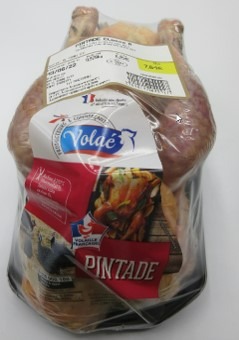
Product category
Food
Product subcategory
Meats
Product brand name
Stolen
Model names or references
Tray of guinea fowl ready to cook under atmosphere
Product identification
GTIN Batch Date
3250390314530 0044021739 Use-by date 06/11/2024
Packaging
Tray in protective atmosphere
Start/End of marketing date
From 05/30/2024 to 06/11/2024
Storage temperature
Product to be kept in the refrigerator
Health mark
FR49 119 001 CE
Further information
Bar code starting with 2 410 712 XXX XXX
Geographic area of sale
Whole France
Distributors
Intermarche
Posted in food contamination, food handler, Food Hazard, Food Hygiene, Food Inspections, Food Micro Blog, Food Microbiology, Food Microbiology Blog, Food Microbiology Testing, Food Pathogen, Food Quality, food recall, Food Safety, Food Safety Alert, Food Safety Management, Food Safety Regulations, Food Testing, Listeria, Listeria France, Listeria monocytogenes
Do not consume, use, sell, serve or distribute recalled products

The affected product is being recalled from the marketplace because it may permit the growth of Clostridium botulinum.
Food contaminated with Clostridium botulinum toxin may not look or smell spoiled but can still make you sick. Symptoms in adults can include facial paralysis or loss of facial expression, unreactive or fixed pupils, difficulty swallowing, drooping eyelids, blurred or double vision, difficulty speaking, including slurred speech, and a change in sound of voice, including hoarseness. Symptoms of foodborne botulism in children can include difficulty swallowing, slurred speech, generalized weakness and paralysis. In all cases, botulism does not cause a fever. In severe cases of illness, people may die.
Posted in CFIA, Clostridium, Clostridium botulinum, food contamination, food handler, Food Hazard, Food Hygiene, Food Inspections, Food Micro Blog, Food Microbiology, Food Microbiology Blog, Food Microbiology Testing, Food Pathogen, Food Quality, food recall, Food Safety, Food Safety Alert, Food Safety Management, Food Safety Regulations, Food Testing, Food Toxin
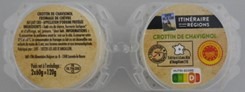
Product Category
Food
Product subcategory
Milk and dairy products
Product brand name
ITINERARY OF OUR REGIONS
Model names or references
CROTTIN DE CHAVIGNOL AOP X2
Product identification
GTIN Batch Date
3250390155478 123-01 all time codes Use-by date 06/29/2024
Packaging
Blister of 2 cheeses
Start/End of marketing date
From 05/21/2024 to 06/27/2024
Storage temperature
Product to be kept in the refrigerator
Health mark
FR 18.194.050 CE
Geographical sales area
Whole France
Distributors
INTERMARCHE
Posted in E.coli O26, E.coli O26 :H11, food contamination, food handler, Food Hazard, Food Hygiene, Food Inspections, Food Micro Blog, Food Microbiology, Food Microbiology Blog, Food Microbiology Testing, Food Pathogen, Food Quality, food recall, Food Safety, Food Safety Alert, Food Safety Management, Food Safety Regulations, Food Testing, STEC, STEC E.coli


Sunco and Frenchie LLC of Pine Brook, New Jersey is recalling Terrafina brand Macadamia in the Raw packed in 6 oz plastic containers, because it has the potential to be contaminated with Salmonella, an organism which can cause serious and sometimes fatal infections in young children, frail or elderly people, and others with weakened immune systems. Healthy persons infected with Salmonella often experience fever, diarrhea (which may be bloody), nausea, vomiting and abdominal pain. In rare circumstances, infection with Salmonella can result in the organism getting into the bloodstream and producing more severe illnesses such as arterial infections (i.e., infected aneurysms), endocarditis and arthritis.
Terrafina Brand Macadamia in the Raw was distributed in New York through retail stores. Oak Foods LLC was the distributor.
Brand Name Terrafina with the product name Macadamia in the Raw. Best by Date is 05/2025 and Lot # is RMA241201. UPC# 847938003570. The container is plastic square shaped, and the label indicates size 6 oz and has a light green color for the front label. The nutrition label indicates distributed by Oak Foods LLC, Bronx NY 10474.
The raw macadamia nuts were manufactured by SolCaribe, S.A., Costa Rica.
No illnesses have been reported to date.
The potential contamination of Salmonella was discovered through the State of New York Department of Agriculture and Markets Food Laboratory through routine testing. The company is recalling this product as FDA and Sunco and Frenchie LLC continue their investigation.
Consumers that have purchased this product should bring it back to the place of purchase for a full refund or dispose of it immediately and refrain from consuming it. Please call 973-478-1011 from Monday to Friday.
Posted in FDA, food contamination, food handler, Food Hazard, Food Hygiene, Food Inspections, Food Micro Blog, Food Microbiology, Food Microbiology Blog, Food Microbiology Testing, Food Pathogen, Food Quality, food recall, Food Safety, Food Safety Alert, Food Safety Management, Food Safety Regulations, Food Testing, Salmonella, Salmonella in Nuts
Imagine a group of bacteria teaming up like a gang, creating a fortress around them. This is essentially what bacterial biofilms are – a tough, sticky barrier that makes them incredibly difficult to defeat. They form on medical devices, water pipes, kitchen surfaces, and even in our bodies, leading to persistent infections and contamination. In the food industry, bacterial biofilms formed on food and non-food contact surfaces are associated with many foodborne outbreaks.
Once attached to surfaces, biofilms can remain for long periods, ranging from days to years. A recent scientific study indicated that Listeria monocytogenes biofilms persisted for 17 years on contact surfaces in a seafood processing environment (see below for further reading). Although this formidable microbial community is resistant to chemical, physical, or biological treatments, there are proven ways to deal with them.
Posted in Biofilm, Food Microbiology Research, Research
Listeria monocytogenes is an important pathogen responsible for listeriosis, a serious foodborne illness associated with high mortality rates. Therefore, L. monocytogenes is considered a challenge for the food industry due to the ability of some strains to persist in food-associated environments. Biofilm production is presumed to contribute to increased L. monocytogenes resistance and persistence. The aims of this study were to (1) assess the biofilm formation of L. monocytogenes isolates from a meat processing facility and sheep farm previously characterized and subjected to whole-genome sequencing and (2) perform a comparative genomic analysis to compare the biofilm formation and the presence of a known set of biofilm-associated genes and related resistance or persistence markers. Among the 37 L. monocytogenes isolates of 15 sequence types and four serogroups involved in this study, 14%, 62%, and 24% resulted in the formation of weak, moderate, and strong biofilm, respectively. Increased biofilm-forming ability was associated with the presence of the stress survival islet 1 (SSI-1), inlL, and the truncated inlA genes. Combining the phenotypic and genotypic data may contribute to understanding the relationships between biofilm-associated genes and L. monocytogenes biofilm-forming ability, enabling improvement in the control of this foodborne pathogen.
The Food Standards Agency (FSA) has analyzed the risk to dogs and cats from eating contaminated raw pet food and the impact on the people who feed them such products.
Raw pet food has become increasingly popular in recent years. Such items are made from Category 3 Animal-By-Products (ABP) that have been passed fit for human consumption in a slaughterhouse but are surplus to requirements. They do not undergo cooking or heat treatment so that the end product can be contaminated with pathogens. The majority are sold frozen and typically have a best-before date of over one year.
The assessment considers the risk of dogs and cats acquiring Salmonella, beta-glucuronidase-positive E. coli, Shiga toxin-producing E. coli (STEC), Campylobacter, and methicillin-resistant Staphylococcus aureus (MRSA) infection from contaminated products. It also covers the risk of infection to animal owners by handling these products at home or via transmission from an infected pet.
Non-typhoidal salmonellosis is an infectious disease caused by salmonella that infects the digestive tract. It is usually characterized by gastrointestinal disorders.
More information at the link above


