Monthly Archives: July 2022

Belgium – Kippers – smoked herring fillet from the Boni Selection brand- Listeria monocytogenes

AFSCA

Recall by Colruyt Group
Product: Kippers – smoked herring fillet from the Boni Selection brand.
Problem: possible presence of Listeria monocytogenes.


OKay and OKay Compact recall the product “Kippers – smoked herring fillet” (2 pieces / ± 240 g) from the Boni Selection brand.

During microbiological checks at the supplier, the presence of Listeria monocytogenes was observed in the product “Kippers – smoked herring fillet” (2 pieces / ± 240 g) from the Boni Selection brand bearing the expiry dates (DLC) 10 /7/2022 and 12/7/2022.

In consultation with the FASFC, OKay and OKay Compact have therefore decided to withdraw the product concerned from sale.

Customers who have purchased this product are invited not to consume it and to bring it back to the store, where they will be reimbursed. In the meantime, all stores have removed the affected products from the shelves.

Product Description :

Product name: Kippers – smoked herring fillet
Brand: Boni Selection Use
-by dates (DLC): 10/7/2022 and 12/7/2022
Sales period: from 21/6/2022 to 30/6/2022 inclusive
Article number: 27790
Batch number: 14140622
Weight: ± 240 g (2 pieces)

This product was offered for sale in OKay and OKay Compact stores.

For more information, customers can contact Colruyt Group Customer Service on 0800 99 124.

Possible symptoms of Listeria monocytogenes poisoning

Infection with Listeria monocytogenes can be dangerous for young children, pregnant women (risk of miscarriage), immunocompromised people and the elderly. Possible symptoms of Listeria monocytogenes poisoning include nausea and vomiting, abdominal cramps, diarrhea or constipation, headache, and persistent fever (feeling like the flu). These symptoms generally appear 2 to 60 days after the absorption of Listeria monocytogenes.

People who have consumed this product and who have these types of symptoms are invited to consult their doctor, notifying him of this consumption.

Ireland – Recall of a Batch of The Foodie Market Milled Brown Flaxseed Due to the Presence of Salmonella

FSAI

Summary
Category 1: For Action
Alert Notification: 2022.39
Product: The Foodie Market Milled Brown Flaxseed; pack size: 200 g
Batch Code: L131315; best before date: end of January 2023
Country Of Origin: United Kingdom

Message:

Aldi is recalling the above batch of The Foodie Market Milled Brown Flaxseed due to detection of Salmonella Typhimurium.  Point-of-sale recall notices will be displayed in Aldi stores supplied with the implicated batch.

Nature Of Danger:

People infected with Salmonella typically develop symptoms between 12 and 36 hours after infection, but this can range between 6 and 72 hours. The most common symptom is diarrhoea, which can sometimes be bloody.  Other symptoms may include fever, headache and abdominal cramps. The illness usually lasts 4 to 7 days. Diarrhoea can occasionally be severe enough to require hospital admission. The elderly, infants, and those with impaired immune systems are more likely to have more severe illness.

Action Required:

Inspectors:

EHOs are requested as part of their routine checks to verify that the implicated batch is recalled from sale in Aldi stores. Please notify FSAI (foodincidents@fsai.ie) of any concerns.

Consumers:

Consumers are advised not to eat the implicated batch.

flax

Canada – Lao Beijing brand Drinkable Yogurt recalled due to mould

CFIA

Summary

Product
Drinkable Yogurt
Issue
Food – Microbial Contamination – Non harmful (quality or spoilage)
What to do

Do not use, sell, serve or distribute the affected products

Audience
Retail

Issue

Lao Beijing brand Drinkable Yogurt recalled due to mould.
The recalled products were sold in British Columbia and Ontario.

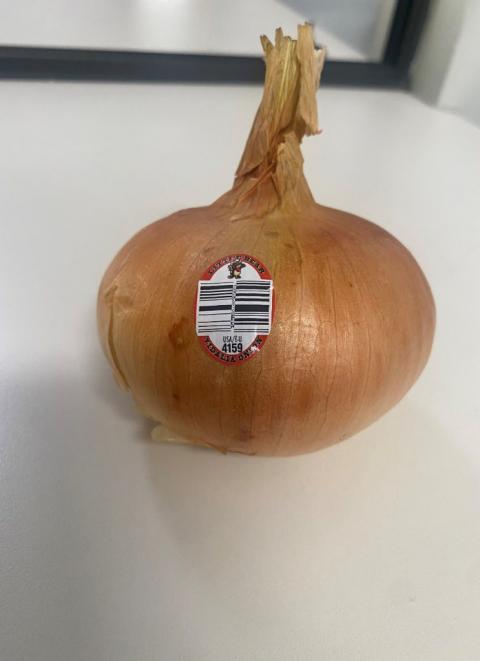
USA – A&M Farms Initiates a Recall Of Specific Little Bear Brand Whole Vidalia Onions Sold By The Pound at Retail Because of Possible Health Risk – Listeria monocytogenes

FDA

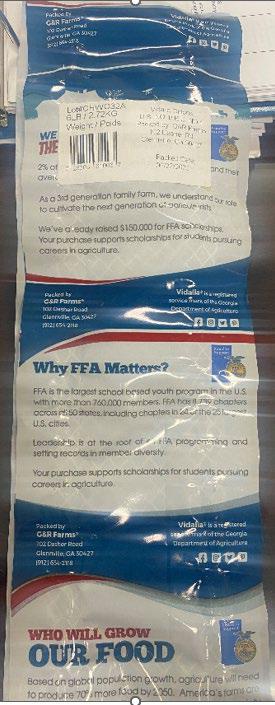
Vidalia onion with brand sticker, Little Bear brand Vidalia sweet onions (PLU 4159) 6lb. bag Vidalia sweet onions , Why FFA Matters brand (Lot#CHW032A and UPC 026303610067

Summary

Company Announcement Date:
FDA Publish Date:
Product Type:
Food & Beverages
Reason for Announcement:
Potential to be contaminated with Listeria monocytogenes
Company Name:
A&M Farms
Brand Name:
Little Bear
Product Description:
Whole Vidalia onions

Company Announcement

A&M Farms of Lyons, Georgia, is voluntarily recalling select whole Vidalia onions packed on one pack line between June 20 – June 23, 2022, because they have the potential to be contaminated with Listeria monocytogenes, an organism that can cause serious and sometimes fatal infections in young children, frail or elderly people, and others with weakened immune systems. Although healthy individuals may suffer only short-term symptoms such as high fever, severe headache, stiffness, nausea, abdominal pain, and diarrhea, Listeria infection can cause miscarriages and stillbirths among pregnant women.

Consumers can identify the recalled Vidalia Onions by the purchase location, PLU 4159 and Little Bear brand on the PLU sticker as provided in the table at the end of the notice. The recalled Vidalia Onions are sold in bulk in the produce section of retail stores. The recalled Little Bear onions were available for sale to consumers on June 23 and 24 at WegmansExternal Link Disclaimer stores in the Rochester-area, Massachusetts, and at the Erie West and Erie Peach Street Wegmans stores in Pennsylvania. The onions were also available for sale June 22 – 24, 2022 at Publix stores in the state of Florida and in Publix stores in Georgia in Barrow, Clarke, DeKalb, Forsyth, Fulton, Gwinnett, Hall, Jackson, Oconee and Walton counties. No other onions are included in this recall notice.

To date, no illnesses or adverse events have been reported. The company shipped the recalled product directly to retailer distribution centers in Florida, North Carolina, and Pennsylvania. The distribution centers further distributed the recalled product to retail stores in Florida, Georgia, New York, Massachusetts and Pennsylvania.

The recall comes after internal company testing detected Listeria on a single pack line. Although the company cleans and sanitizes its pack lines regularly, it is recalling onions packed on the implicated packing line before and after June 21 out of an abundance of caution. No other products grown, packed, or sold by A&M Farms are affected by this recall.

Italy – Russian salad – Listeria monocytogenes

Salute

Brand : Gastronomic Bontà

Denomination : Russian salad

Reason for reporting : Recall due to microbiological risk

Publication date : 30 June 2022

Documentation

Documentation

France – TUNA LOIN – Histamine

Gov france

Identification information of the recalled product

  • Product category Feed
  • Product subcategory Fishery and aquaculture products
  • Product brand name UNBRANDED
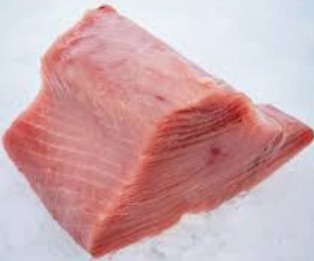
  • Model names or references TUNA LOIN
  • Identification of products
    GTIN Batch
    1111111111116 1191399
  • Marketing start/end date From 06/21/2022 to 06/22/2022
  • Storage temperature Product to be stored in the refrigerator
  • Further information LOIN OF TUNA SOLD AT THE TRADITIONAL MARKET COSNE SUR LOIRE RN7 ON JUNE 21 AND 22, 2022
  • Geographic area of ​​sale MARKET COSNE SUR LOIRE RN7
  • Distributors MARKET COSNE SUR LOIRE RN7 ONLY

Practical information regarding the recall

  • Reason for recall PRESENCE OF HISTAMINE
  • Risks incurred by the consumer Endogenous toxins: histamine (fish, cheese, alcoholic beverages, meats)

Canada – TWA Fungi brand King Oyster Mushroom recalled due to Listeria monocytogenes

CFIA

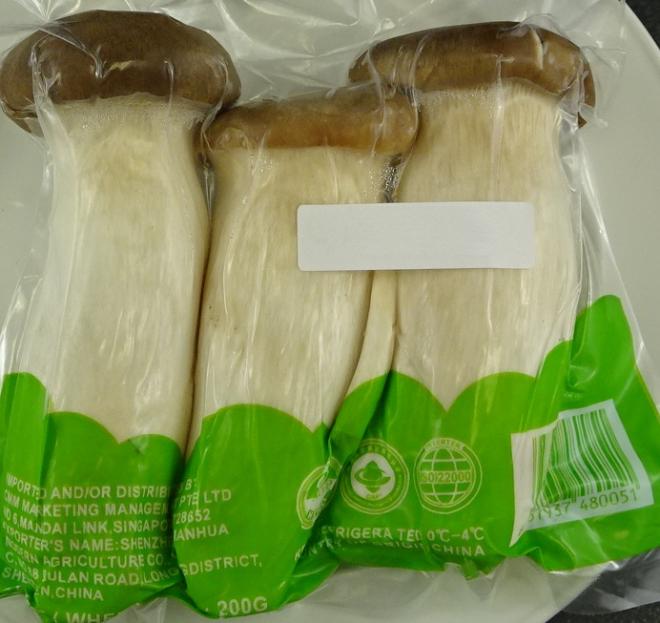
TWA Fungi King Oyster Mushroom, 200 g - Back

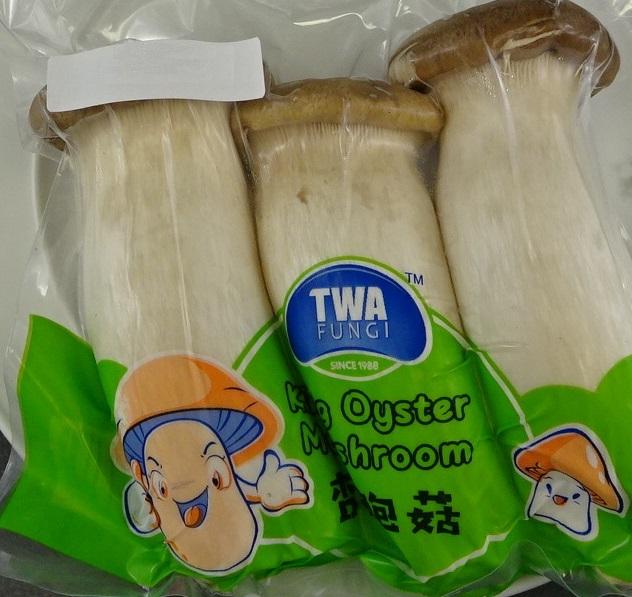
TWA Fungi King Oyster Mushroom, 200 g - Front

Summary

Product
King Oyster Mushroom
Issue
Food – Microbial Contamination – Listeria
What to do

Do not consume, use, sell, serve, or distribute recalled products.

The affected product is being recalled from the marketplace due to possible Listeria monocytogenes contamination.

The recalled product has been sold in British Columbia and may have been distributed in other provinces and territories.

What you should do

  • If you think you became sick from consuming a recalled product, contact your healthcare provider
  • Check to see if you have recalled products
  • Do not consume, serve, use, sell, or distribute recalled products
  • Recalled products should be thrown out or returned to the location where they were purchased

Food contaminated with Listeria monocytogenes may not look or smell spoiled but can still make you sick. Symptoms can include vomiting, nausea, persistent fever, muscle aches, severe headache and neck stiffness. Pregnant women, the elderly and people with weakened immune systems are particularly at risk. Although infected pregnant women may experience only mild, flu-like symptoms, the infection can lead to premature delivery, infection of the newborn or even stillbirth. In severe cases of illness, people may die.

Belgium – Barry Callebaut detected Salmonella positive production lot in Wieze

Barry Callebaut

  • Barry Callebaut detected a salmonella positive production lot manufactured in the chocolate factory in Wieze/Belgium
  • All chocolate products manufactured in Wieze since June 25 were placed on hold
  • As precautionary measure, Barry Callebaut stopped chocolate production in Wieze, while continuing the root cause analysis and risk assessment
  • When the analyses is completed, all chocolate production lines will be cleaned and disinfected before resuming the production process

On Monday June 27, Barry Callebaut detected a salmonella positive production lot manufactured in Wieze, Belgium. For Barry Callebaut food safety is paramount. Our robust food safety programs in place allowed us to quickly identify lecithin as the source of the contamination. Barry Callebaut informed the Belgian food authorities (FAVV) about the incident and has taken the precautionary measure to stop all chocolate production lines and to block all products manufactured since the time of testing. We are currently reaching out to all customers who may have received impacted products. The chocolate production in Wieze will remain suspended until further notice.

Our quality experts identified lecithin as the source of the contamination. As lecithin is used in all chocolate production, we have taken the precautionary measure to stop all production lines and to block all products manufactured since the time of testing, while we continue the root cause analysis and risk assessment. Out of precaution, we have also asked our customers to block any shipped products.

Food Safety is paramount for Barry Callebaut and this is a very exceptional case. Not only do we have a Food Safety charter and procedure in place, we also have over 230 people working on food safety and quality in Europe. In our local site in Wieze, we train our people to recognize food safety risks. This allowed us to quickly identify the risk and successfully start the root cause analysis.

Barry Callebaut will now take the time to continue with the very diligent root cause analysis – keeping the FAVV informed in the process. When that is completed the lines will be cleaned and disinfected before resuming the production process.

Research – Effect of Biltong Dried Beef Processing on the Reduction of Listeria monocytogenes, E. coli O157:H7, and Staphylococcus aureus, and the Contribution of the Major Marinade Components

MDPI

Biltong is a dry beef product that is manufactured without a heat lethality step, raising concerns of whether effective microbial pathogen reduction can occur during biltong processing. Raw beef inoculated with 4-strain cocktails of either E. coli O157:H7, Listeria monocytogenes, or Staphylococcus aureus, and processed with a standard biltong process, were shown to incur a >5-log reduction in 6–8 days after marination by vacuum-tumbling for 30 min in vinegar, salt, spices (coriander, pepper) when dried at 23.9 °C (75 °F) at 55% relative humidity (RH). Pathogenic challenge strains were acid-adapted in media containing 1% glucose to ensure that the process was sufficiently robust to inhibit acid tolerant strains. Internal water activity (Aw) reached < 0.85 at 5-log reduction levels, ensuring that conditions were lower than that which would support bacterial growth, or toxin production by S. aureus should it be internalized during vacuum tumbling. This was further confirmed by ELISA testing for staphylococcal enterotoxins A and B (SEA, SEB) after marination and again after 10 days of drying whereby levels were lower than initial post-marination levels. Comparison of log reduction curves obtained for E. coli O157:H7, L. monocytogenesS. aureus, and Salmonella (prior study) showed that microbial reduction was not significantly different (p < 0.05) demonstrating that even without a heat lethality step, the biltong process we examined produces a safe beef product according to USDA-FSIS guidelines.

Research – Use of Whole Genome Sequencing by the Federal Interagency Collaboration for Genomics for Food and Feed Safety in the United States

Journal of Food Protection

This multiagency report developed by the Interagency Collaboration for Genomics for Food and Feed Safety provides an overview of the use of and transition to whole genome sequencing (WGS) technology for detection and characterization of pathogens transmitted commonly by food and for identification of their sources. We describe foodborne pathogen analysis, investigation, and harmonization efforts among the following federal agencies: National Institutes of Health; Department of Health and Human Services, Centers for Disease Control and Prevention (CDC) and U.S. Food and Drug Administration (FDA); and the U.S. Department of Agriculture, Food Safety and Inspection Service, Agricultural Research Service, and Animal and Plant Health Inspection Service. We describe single nucleotide polymorphism, core-genome, and whole genome multilocus sequence typing data analysis methods as used in the PulseNet (CDC) and GenomeTrakr (FDA) networks, underscoring the complementary nature of the results for linking genetically related foodborne pathogens during outbreak investigations while allowing flexibility to meet the specific needs of Interagency Collaboration partners. We highlight how we apply WGS to pathogen characterization (virulence and antimicrobial resistance profiles) and source attribution efforts and increase transparency by making the sequences and other data publicly available through the National Center for Biotechnology Information. We also highlight the impact of current trends in the use of culture-independent diagnostic tests for human diagnostic testing on analytical approaches related to food safety and what is next for the use of WGS in the area of food safety.