Monthly Archives: April 2022

USA – USDA investigating a new Salmonella Enteritidis outbreak. Little information has been released.

Food Poisoning News

The US Department of Agriculture Food Safety and Inspection Service (FSIS) announced this week they are investigating a Salmonella Enteritidis outbreak. Not much information has been released, but according to the FSIS situation report, the early stages of the investigation have been launched.

The FSIS has not released details about how many people are sick or where they live. The most recent update was posted on April 20, 2022 and states that chicken is a possible source of the outbreak and Salmonella Enteritidis is the pathogen involved.

The Centers for Disease Control and Prevention (CDC) has not released any information on this particular outbreak, but they frequently post updates on illnesses from all kinds of foodborne pathogens.

Symptoms of a Salmonella infection include diarrhea, fever and abdominal cramps that develop within 12 hours to 3 days after exposure to the organism. The illness typically lasts four to seven days and most people recover without treatment. However, in some cases, hospitalization is necessary and in rare cases death can occur. Children, the elderly and people with compromised immune systems are at an increased risk for severe illness.

If you think you have a Salmonella infection, it’s important to see a doctor right away for treatment.

USA – FDA investigates outbreak linked to cereal; continues with other outbreak work

Food Safety News

The FDA is investigating more than 200 “adverse events” related to an unnamed dry cereal. In recent days reports from across the country regarding illnesses linked to Lucky Charms cereal have been filed with government agencies and the iwaspoisoned.com website.

The reports include vomiting, diarrhea and other gastrointestinal symptoms. The Food and Drug Administration has separately reported in recent days that is is investigating complaints about Lucky Charms but has not released any other details about the investigation. General Mills, the maker of Lucky Charms, has reported that it is not aware of any confirmed illnesses associated with the cereal.

As of April 20, the FDA has initiated an on-site inspection in relation to the complaints about the cereal. 

The agency has not reported any information about the people who made the complaints of adverse events related to the cereal and has not reported where they live.

Belgium – Ground Cumin from the Larissa brand – Salmonella

AFSCA

FASFC recall
Product: ground cumin from the Larissa brand.
Problem: possible presence of Salmonella.

The FASFC is today recalling consumers of ground cumin (1kg) of the Larissa brand. This recall follows a RASFF (Rapid Alert System for Food and Feed) concerning the possible presence of Salmonella.

The FASFC asks not to consume these products and to bring them back to the point of sale where they were purchased.

Product Description :

Product category: spices
Product name: ground cumin
Brand: Larissa Best before
date (BDD): 27/01/2024
Batch number: 420322022

This product was sold through multiple outlets.

For any additional information, you can contact the FASFC contact point for consumers: 0800/13.550 or pointdecontact@afsca.be .

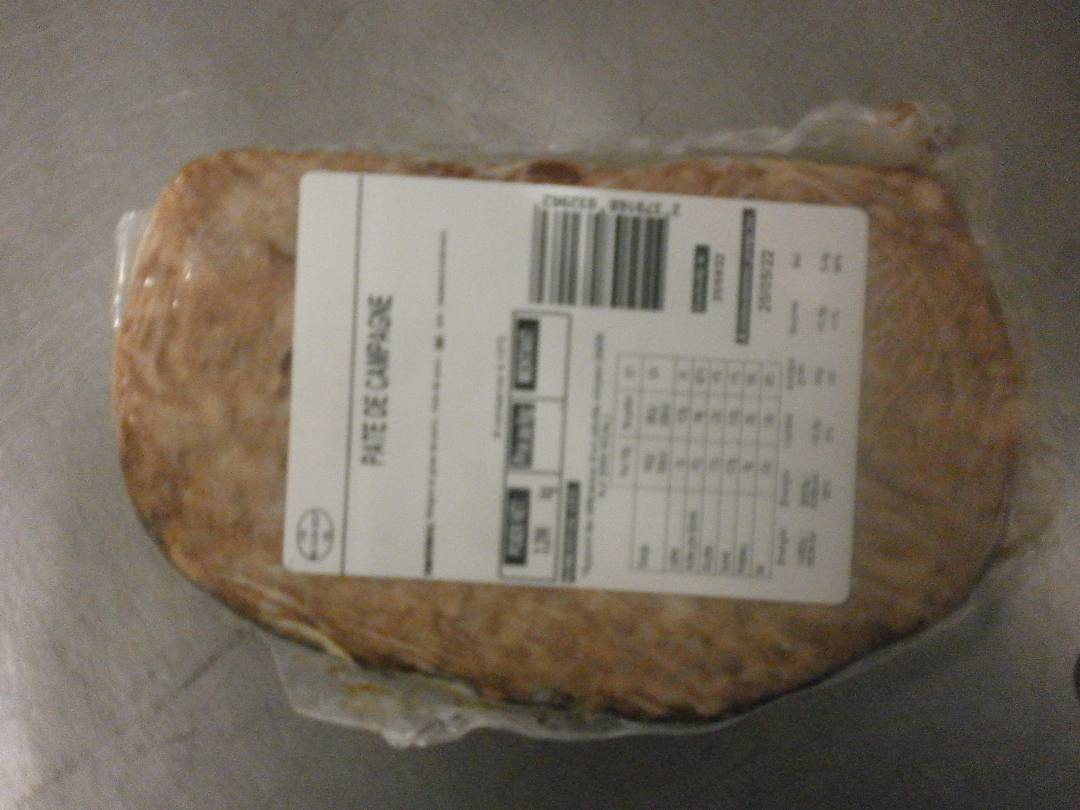
France – OVEN DOUGH – Listeria monocytogenes

Gov france

Identification information of the recalled product

  • Product category Food
  • Product subcategory Meats
  • Product brand name SALTED FROM LA VERNEDE
  • Model names or references OVEN DOUGH
  • Identification of products
    Batch
    BATCH 11 BATCH 14
  • Packaging UNDER VACUUM
  • Marketing start/end date From 03/15/2022 to 04/20/2022
  • Storage temperature Product to be stored in the refrigerator
  • Health markFR81124027CE
  • Geographic area of ​​sale Whole France
  • Distributors RAYGAL LACAUNE WEYDMANN RIOLS HOUSE NEGRE LACAUNE CALAS LACAUNE HOUSE MONTALET ST DENIS HOUSE ENJALBAL LACAUNE HOUSE MIMOSA PORTIRAGNES DEJEAN STEPHANIE VIVIERS LES MONTAGNES

Practical information regarding the recall

  • Reason for recall SUSPICION OF LISTERIA MONOCYTOGENES
  • Risks incurred by the consumer Listeria monocytogenes (causative agent of listeriosis)

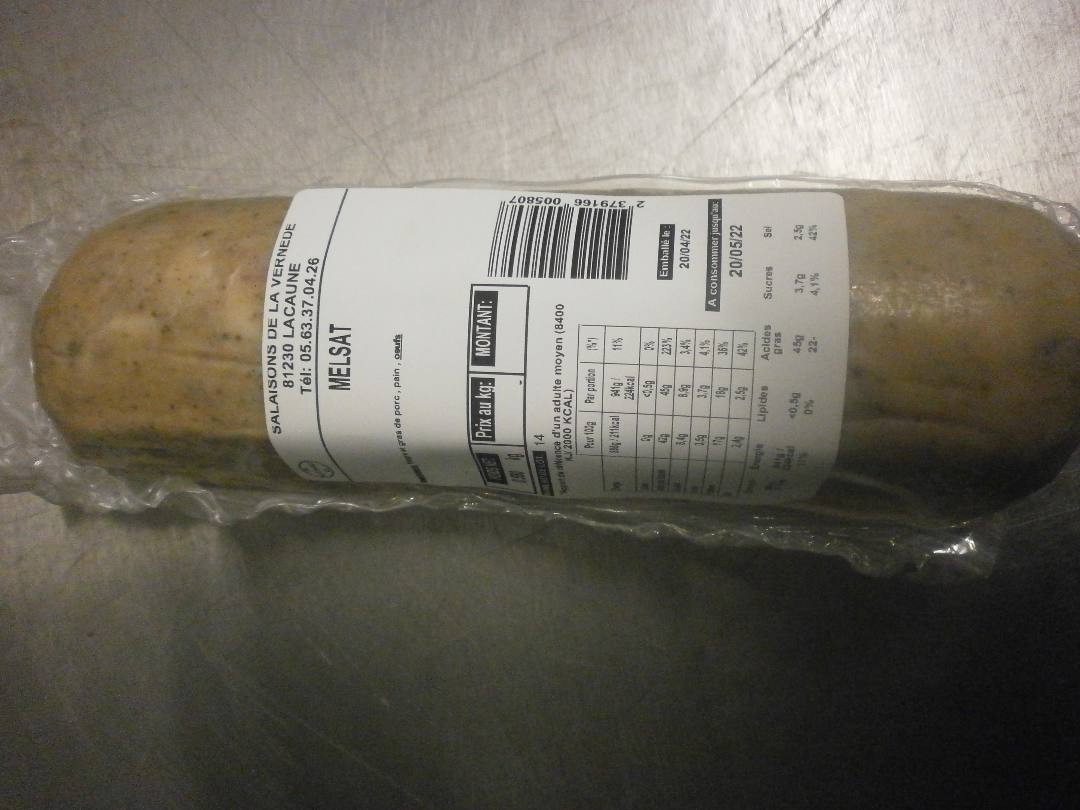
France – MELSATS – Listeria monocytogenes

Gov france

Identification information of the recalled product

  • Product category Food
  • Product subcategory Meats
  • Product brand name SALTED FROM LA VERNEDE
  • Model names or references MELSATS
  • Identification of products
    Batch
    BATCH 10 BATCH 14
  • Packaging UNDER VACUUM
  • Marketing start/end date From 08/03/2022 to 20/04/2022
  • Storage temperature Product to be stored in the refrigerator
  • Health markFR81124027CE
  • Geographic area of ​​sale Whole France
  • Distributors MAISON HERVE TOULOUSE SARL SOVIT ALBI EUROCHARCUTERIE TOULOUSE WEYDMANN RIOLS

Practical information regarding the recall

  • Reason for recall SUSPECTED LISTERIA
  • Risks incurred by the consumer Listeria monocytogenes (causative agent of listeriosis)

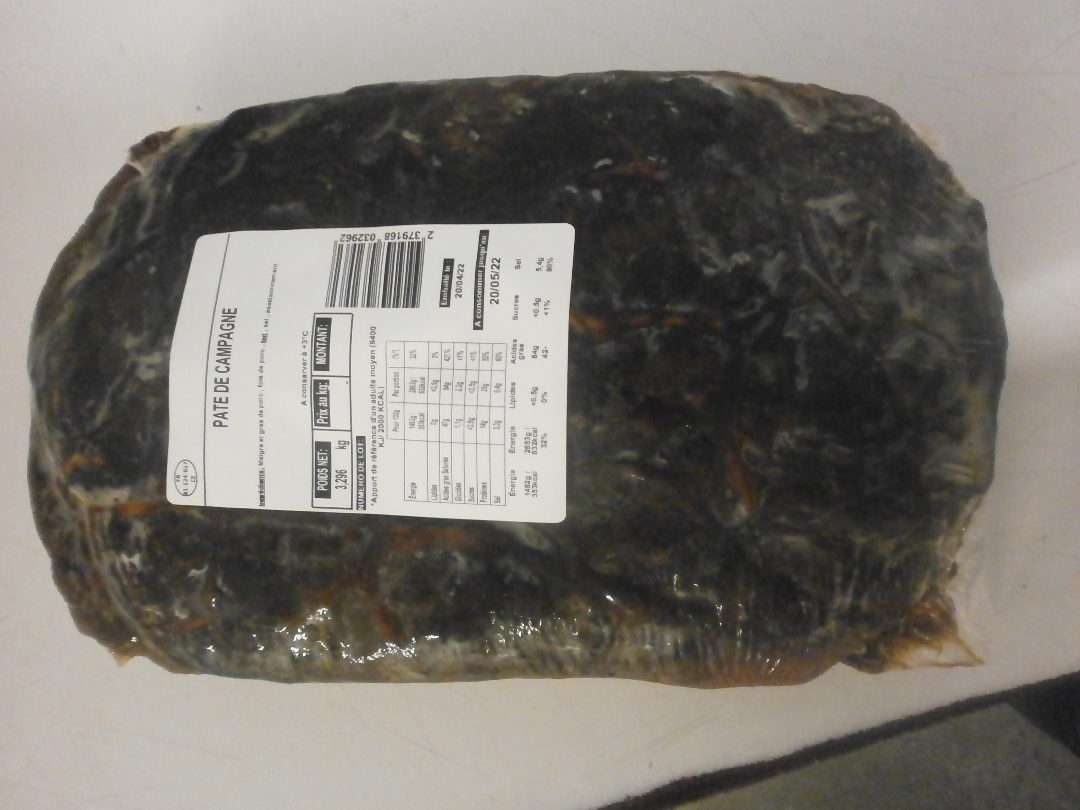
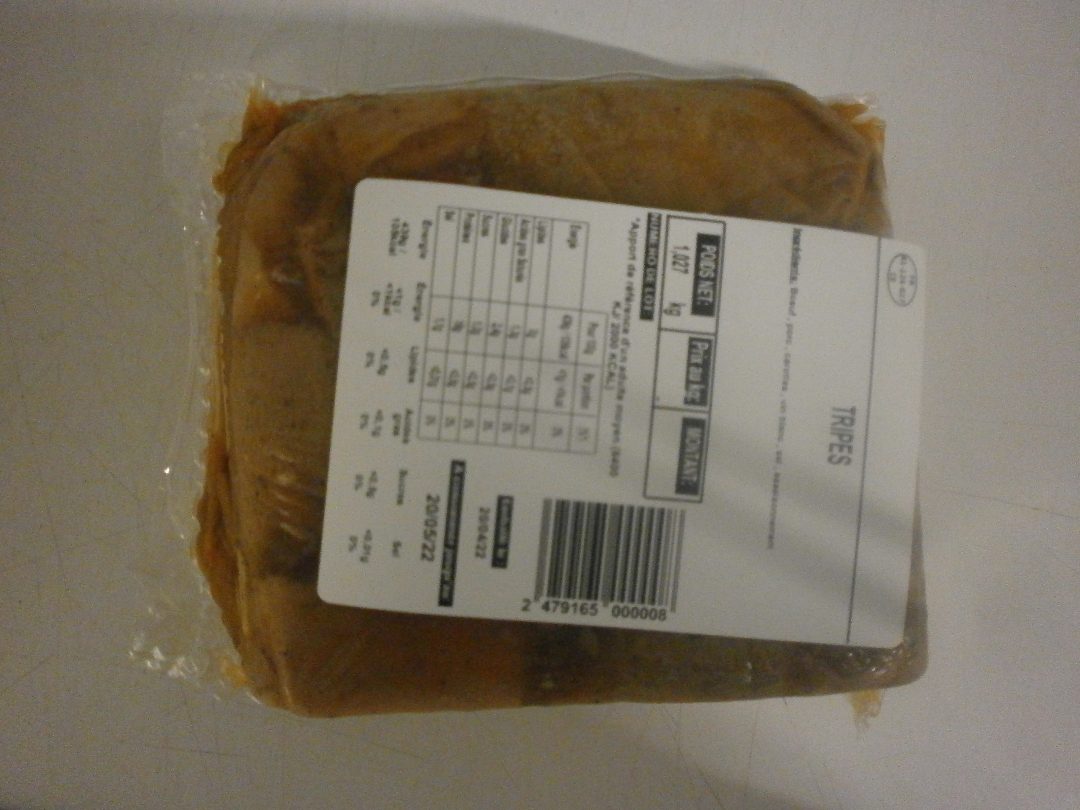
France – GUT – Listeria monocytogenes

Gov france

Identification information of the recalled product

  • Product category Food
  • Product subcategory Meats
  • Product brand name SALTED FROM LA VERNEDE
  • Model names or references GUT
  • Identification of products
    Batch
    LOT 11/ LOT 12// LOT 14
  • Packaging UNDER VACUUM
  • Marketing start/end date From 03/15/2022 to 04/20/2022
  • Storage temperature Product to be stored in the refrigerator
  • Health mark81124027CE
  • Geographic area of ​​sale Whole France
  • Distributors SARL CALAS LACAUNE MAISON MIMOSA PORTIRAGNES LE RAYGAL LACAUNE ALBA FREDERIC LACAUNE LOU MAZEL LACAUNE MAISON HERVE TOULOUSE MAISON ENJALBAL LACAUNE

Practical information regarding the recall

  • Reason for recall LISTERIA MONOCYTOGENES
  • Risks incurred by the consumer Listeria monocytogenes (causative agent of listeriosis)

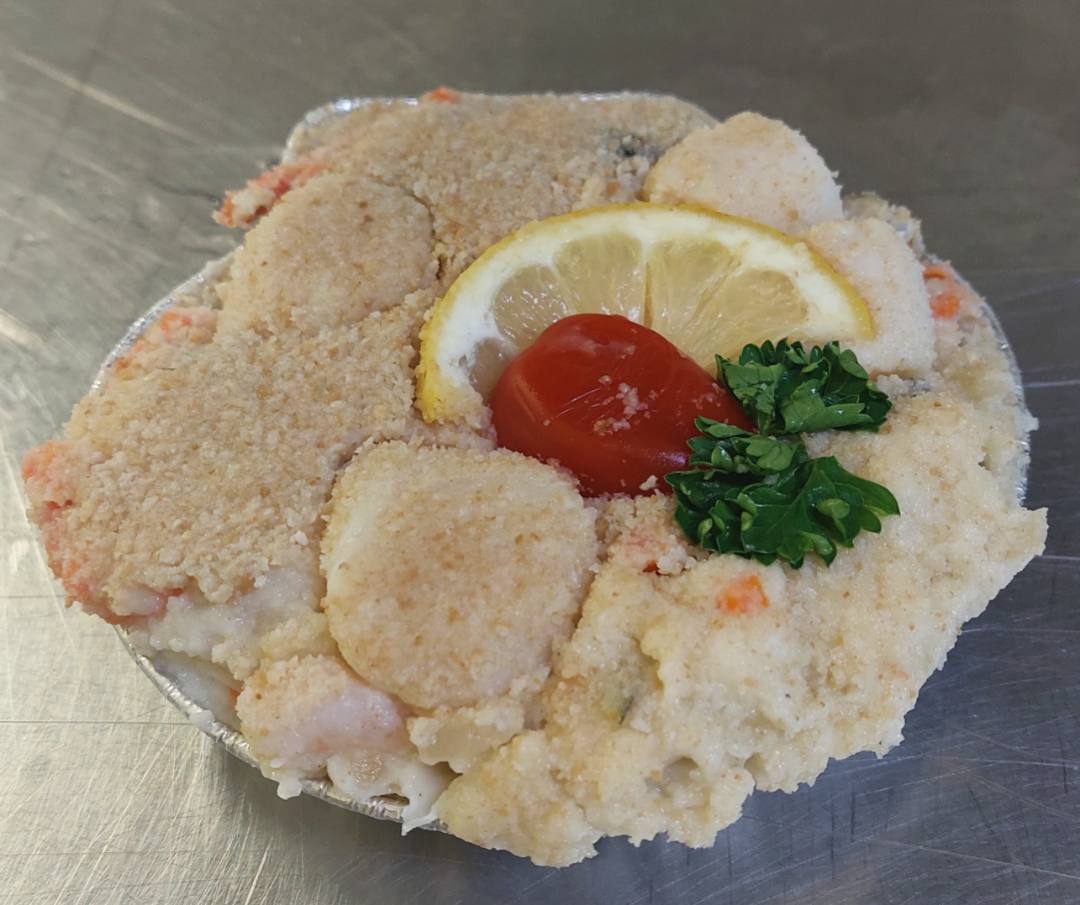
France – Scallop shell – Listeria monocytogenes

Gov france

Identification information of the recalled product

  • Product category Food
  • Product subcategory Prepared meals and snacks
  • Product brand name NO BRAND: IN-HOUSE MANUFACTURING
  • Model names or references Scallop shell sold in the traditional catering department Scallop shell x2 sold in the self-service catering department
  • Identification of products
    GTIN Batch Date
    0206302000000
    0208009000000 094 Use-by date 04/16/2022
  • Packaging sold individually in the traditional catering department sold by 2 in the self-service catering department.
  • Marketing start/end date From 05/04/2022 to 13/04/2022
  • Storage temperature Product to be stored in the refrigerator
  • Geographic area of ​​sale SOLD TO THE E.LECLERC CENTER in LAMBALLE.
  • Distributors E.LECLERC DE LAMBALLE 66 rue mouexigné 22400 LAMBALLE

Practical information regarding the recall

  • Reason for recall PRESENCE OF LISTERIA MONOCYTOGENES
  • Risks incurred by the consumer Listeria monocytogenes (causative agent of listeriosis)

Italy – Kinder Product Recalls – Salmonella

Salute

Brand : FERRERO
Name : KINDER HAPPY MOMENT 162 GR.
Reason for reporting : Recall due to microbiological risk
Publication date : April 20, 2022
Documentation

Documentation

Salute

Brand : FERRERO KINDER
Name : KINDER HAPPY MOMENTS
Reason for reporting : Recall due to microbiological risk
Publication date : 20 April 2022
Documentation

Documentation

Salute

Brand : FERRERO KINDER
Name : KINDER MINI EGGS
Reason for reporting : Recall due to microbiological risk
Publication date : 20 April 2022
Documentation

Documentation

Salute

Brand : FERRERO KINDER
Name : KINDER MIX
Reason for reporting : Recall due to microbiological risk
Publication date : 20 April 2022
Documentation

Documentation

Salute

Brand : FERRERO KINDER
Name : KINDER SCHOKO BONS
Reason for reporting : Recall due to microbiological risk
Publication date : 20 April 2022
Documentation

Documentation

Salute

Brand : FERRERO KINDER
Name : KINDER ÜBERRASCHUNG
Reason for reporting : Recall due to microbiological risk
Publication date : 20 April 2022
Documentation

Documentation

Salute

Brand : FERRERO KINDER
Name : KINDER ÜBERRASCHUNG MAXI
Reason for reporting : Recall due to microbiological risk
Publication date : 20 April 2022
Documentation

Documentation

Canada – Various poppy seeds recalled due to Salmonella

CFIA

Summary Update

Product
Various poppy seeds
Issue
Food – Microbial Contamination – Salmonella
What to do

Do not consume, use, sell, serve, or distribute the recalled products.

Issue

Industry is recalling various poppy seeds from the marketplace due to possible Salmonella contamination.

The recalled products have been sold as indicated in the table.

What you should do

  • If you think you became sick from consuming a recalled product, call your doctor
  • Check to see if you have the recalled products in your home
  • Do not consume the recalled products
  • Do not serve, use, sell, or distribute the recalled products
  • Recalled products should be thrown out or returned to the location where they were purchased

Food contaminated with Salmonella may not look or smell spoiled but can still make you sick. Young children, pregnant women, the elderly and people with weakened immune systems may contract serious and sometimes deadly infections. Healthy people may experience short-term symptoms such as fever, headache, vomiting, nausea, abdominal cramps and diarrhea. Long-term complications may include severe arthritis.

Research – Raw-milk cheeses: What are the associated health risks and what preventive measures can be taken?

ANSES

Salmonella, enterohaemorrhagic E. coli, Listeria monocytogenes – a wide range of bacteria can be found in the raw-milk cheeses and other raw-milk dairy products we consume. These are sometimes involved in cases of food poisoning, leading them to be recalled or withdrawn from the market. In order to further improve the control of these risks, ANSES has identified the types of raw-milk cheeses on which efforts should focus as a priority.

ANSES received a request from the Directorate General for Food to identify and classify the main bacterial hazards associated with the various types of raw-milk cheeses and other dairy products made from raw milk. The aim was also to assess the main sources of contamination and the means implemented to control the associated risks.

The main microbiological hazards in raw-milk cheeses and dairy products

In France over the last decade, 34%, 37% and 60% of outbreaks of salmonellosis, listeriosis and enterohaemorrhagic E. coli (EHEC) infections respectively have been linked to the consumption of raw-milk cheeses. While some bacteria can cause gastroenteritis symptoms (Salmonella spp. and Staphylococcus aureus), others can have much more serious consequences such as kidney failure (EHEC) or even death (L. monocytogenes, EHEC).

The main sources of these hazards are soft cheeses with a surface mould (such as Camembert, Brie and Crottin) and short-ripened uncooked pressed cheeses (such as Morbier, Reblochon and Saint-Nectaire). Next come soft washed-rind cheeses such as Munster and Maroilles.

Continue efforts to prevent microbiological risks, from farm to consumer

The means implemented to control microbiological risks in the main dairy sectors (cattle, sheep, goats), from the rearing stage to the consumption stage, were studied by the Agency. It concluded that:

At farm level, good animal husbandry and hygiene practices are well known in the various sectors. The efforts already well under way in terms of hygiene during milking and the management of mastitis should be continued;
At the production stage, levels of risk control are also very high; the Agency recommends continuing to implement good hygiene practices and to carry out self-checks in order to best anticipate any risk of an outbreak;
At consumer level, in order to avoid a foodborne infectious disease, it is essential to comply with the information on the packaging or that given by the seller concerning the temperature at which the cheese should be stored in the refrigerator and its use-by date. Lastly, ANSES reiterates its recommendation that pregnant women, immunocompromised individuals, people over the age of 65 and young children should avoid consuming raw-milk cheeses, with the exception of hard pressed cheeses such as Gruyère and Comté.

“For several years now, we have been seeing a strong commitment on the part of the various raw-milk cheese sectors to preventing microbiological risks. Thanks to the actions taken, levels of hygiene and risk control are now very high on farms. The self-checks implemented at the processing stage are able to identify a large number of problematic batches. However, there is still a residual risk and it is important to identify new ways of optimising the current control measures. For example, this could involve improving epidemiological investigations, identifying poor hygiene practices at an earlier stage, or communicating more with consumers”, explains Laurent Guillier, who coordinated ANSES’s expert appraisal.

Did you know?

Contrary to popular belief, removing the rind from a raw-milk cheese is not enough to protect yourself against bacteria, as these can be found everywhere in the cheese.

On the other hand, when raw-milk cheeses are well cooked, as in an oven-baked recipe, they no longer pose a health risk.

A new forthcoming expert appraisal
This work to classify raw-milk cheeses was a first step in responding to the formal request. The expert appraisal work is continuing, to evaluate the effectiveness of the various health measures such as the sorting of milk at farm level and self-checks at the production stage. The next step will be to identify priority work areas for further reducing microbiological risks.

Click to access BIORISK2019SA0033.pdf