Monthly Archives: February 2022

USA – Kick off your Super Bowl gathering with critical food safety precautions

Food Safety News

Sport football.svg

Here are some food safety tips for Super Bowl Sunday from the USDA:

#1 Remember Your Four Steps to Food Safety

  • Clean: Wash hands for 20 seconds before and after handling food, especially raw meat and poultry. Clean hands, surfaces and utensils with soap and warm water before cooking, during preparation and serving. After cleaning surfaces that raw meat and poultry have touched, apply a commercial or homemade sanitizing solution (1 tablespoon of liquid chlorine bleach per gallon of water). Use hand sanitizer that contains at least 60 percent alcohol.
  • Separate: Use separate cutting boards, plates and utensils to avoid cross-contamination between raw meat or poultry and foods that are ready-to-eat, such as raw vegetables and fruits.
  • Cook: Confirm foods are cooked to a safe internal temperature by using a food thermometer.
  • Chill: Chill foods promptly if not consuming immediately after cooking. Don’t leave food at room temperature for longer than two hours. Set out portions of foods and refill serving dishes instead of setting out all of the food at the beginning of the game.

#2 Cook Your Food to a Safe Internal Temperature

  • Using a food thermometer, ensure you reach a safe internal temperature when cooking: meat (whole beef, pork and lamb) 145 degrees F with a 3-minute resting time after removing from heat; ground meats 160 degrees F; poultry (ground and whole) 165 degrees F; eggs 160 degrees F; fish and shellfish 145 degrees F; and leftovers and casseroles 165 degrees F.
  • If chicken wings are on the menu, use a food thermometer on several wings to gauge the doneness of the entire batch. If one is under 165 F, continue cooking all wings until they reach that safe internal temperature.

#3 Avoid the Danger Zone

  • Bacteria multiply rapidly between 40 degrees F and 140 degrees F. This temperature range is called the Danger Zone.
  • Perishable foods, such as chicken wings, deli wraps and meatball appetizers, should be discarded if left out for longer than two hours. To prevent food waste, refrigerate or freeze perishable items within two hours.
    • Keep cold foods at a temperature of 40 degrees F or below by keeping food nestled in ice bowls or refrigerated until ready to serve.
    • Keep hot foods at a temperature of 140 degrees F or above by placing food in a preheated oven, warming trays, chafing dishes or slow cookers.
  • Divide leftovers into small portions and refrigerate or freeze them in shallow containers, which helps leftovers cool quicker than storing them in large containers.

#4 Keep Takeout Food Safe

  • If you order food and it’s delivered or picked up in advance of the big game, divide the food into smaller portions or pieces, place in shallow containers and refrigerate until ready to reheat and serve. You can also keep the food warm (above 140 degrees F) in a preheated oven, warming tray, chafing dish or slow cooker.
  • When reheating food containing meat or poultry, make sure the internal temperature reaches 165 degrees F as measured by a food thermometer.
  • If heating food in the microwave, ensure that contents are evenly dispersed. Because microwaved food can have cold spots, be sure to stir food evenly until the food has reached a safe internal temperature throughout.

A special word on salsa and guacamole:

“The reason that salsa and guacamole are so susceptible to contamination is that they are made with multiple raw, uncooked vegetables and are often stored at room temperature,” according to the Food and Drug Administration.

In addition to being left out for long periods of time, salsa and guacamole often contain diced raw produce including hot peppers, tomatoes and cilantro, increasing their chance of carrying harmful bacteria.

Anyone preparing fresh salsa and guacamole at home should be aware that these foods contain raw ingredients and that they should be carefully prepared and refrigerated to help prevent illness.

To prevent bacteria growth, these side dishes should be refrigerated within two hours. Those serving these foods should be aware of the length of time they have been out at room temperature.

Belgium – 4 Albert Heijn brand products containing pumpkin seeds – Salmonella

AFSCA

Recall of Albert Heijn
Products: 4 Albert Heijn brand products containing pumpkin seeds.
Problem: possible presence of Salmonella.
In agreement with the FASFC, Albert Heijn is withdrawing four AH products containing pumpkin seeds from sale and reminding consumers of them due to the possible presence of salmonella.

Consumption of these products can potentially cause foodborne infections and pose a health risk, especially to young children, the elderly, people with weakened immune systems and pregnant women.

Albert Heijn asks his customers not to consume these products and to return them to the point of sale. There they will be replaced or refunded. Please contact a doctor in case of health problems.

Description of products:

• Product category: nuts and seeds
• Product name: AH pumpkin seed products
• Brand: Albert Heijn
• Best before date (BDD – date of minimum durability):
            o BDD 27/2/22 – AH ontbijt moerbei goji bessen mix
            o BDD 27/2 /22 – AH pitten mix salad
            o DDM 2/27/22 – AH Italiaanse mix
            o DDM 1/30/22 – AH pitten mix croutons
               (our packaging says “Look, smell and taste after this date”).
• Sales period: 9/15/21 – 11/30/21
• Type of packaging: jars/plastic bags
• Weight: various weights

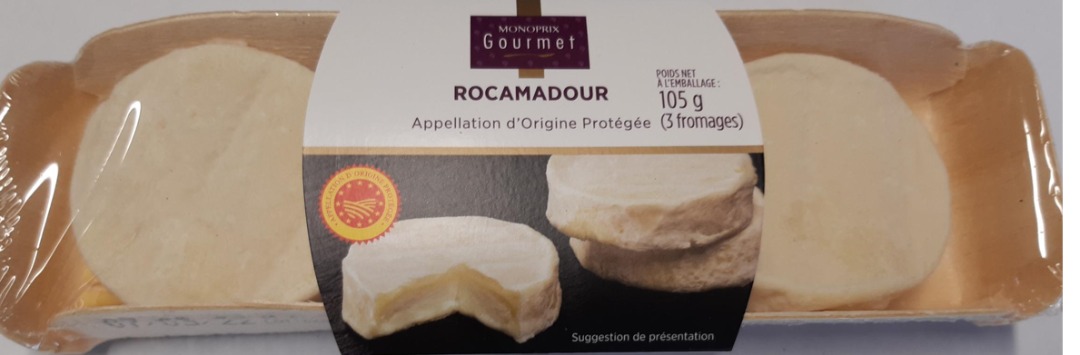
France – ROCAMADOUR AOP 105G (3X35G) MONOPRIX GOURMET -Salmonella

Gov france

Identification information of the recalled product

  • Product category Food
  • Product subcategory Milk and dairy products
  • Product brand name MONOPRIX GOURMET
  • Model names or references ROCAMADOUR AOP 105G (3X35G) MONOPRIX GOURMET
  • Identification of products
    GTIN Lot Dated
    3350030108557 022 Date of minimum durability 07/03/2022
    3350030108557 026 Date of minimum durability 03/11/2022
  • Packaging Wrapped wooden tray of 3 cheeses
  • Marketing start/end date From 02/02/2022 to 10/02/2022
  • Storage temperature Product to be stored in the refrigerator
  • Health mark EN 46.204.002 EC
  • Geographic area of ​​sale Whole France
  • Distributors MONO PRICE

Practical information regarding the recall

  • Reason for recall Presence of Salmonella spp
  • Risks incurred by the consumer Salmonella spp (causative agent of salmonellosis)

Research – Denmark – New Methods to Reduce Campylobacter on Chicken Meat

Food DTU

Campylobacter kswfoodworld

Researchers and businesses will use a GUDP grant to develop new ways to prevent campylobacter bacteria from ending up on chicken meat and to ensure that fewer consumers get sick.

The greater focus on more sustainable diets may increase demand for chicken, which is the meat with the lowest carbon footprint. However, chicken is also the food source that most frequently gives Danes and Europeans campylobacter infections, which is a major challenge for the food industry.

Because chicken may become an even more popular food in future, it is important to gain more knowledge about and develop more solutions for reducing the presence of campylobacter bacteria in broiler chickens. By 2025, chicken producers will also have to comply with stricter EU rules on preventing campylobacter in chicken meat.

Moreover, free-range flocks of broiler chickens are far more often campylobacter-positive than conventional flocks. This is because they roam outside, where the bacterium occurs naturally. Existing measures used for conventional broilers such as increased biosecurity and fly nets are therefore not practical for free-range and organic broiler chickens.

Promising methods to be tested on a larger scale

In the SafeChicken project, researchers from DTU National Food Institute and DTU’s Department of Chemical Engineering will work with the Danish chicken producer Danpo and the Icelandic company Thor Ice Chilling Solutions to develop and test ways of producing chicken meat containing fewer campylobacter bacteria.

The project will test methods in different parts of the food chain in the production of both organic and conventional broiler chickens by: adding selected substances to the chickens’ feed and water which have the potential to prevent the growth of campylobacter bacteria in the chickens; reducing the prevalence of the bacteria in the environment with a new decontamination technology; and reducing bacteria on the carcasses by using a special cooling technology.

Some of the methods have already been tested and have shown promising results on a small scale under controlled conditions. To ensure that they are applicable in practice, also for free range and organic chicken production, the project partners will investigate and document the methods’ effectiveness under normal production conditions. They will also assess the extent to which each measure can help lower the risk of humans becoming infected and sick from campylobacter bacteria.

Combatting campylobacter from a ‘green’ perspective

The fewer bacteria chicken meat contains, the longer the meat can stay fresh. This will also result in fewer withdrawals of goods that have to be destroyed due to unacceptable levels of campylobacter. This will help to achieve the UN Sustainable Goal no. 12 concerning responsible consumption and production.

As part of the Green Development and Demonstration Programme (GUDP), the Danish Ministry of Food, Agriculture, and Fisheries has allocated DKK 7.4 million for the three-year project, which is led by DTU National Food Institute.

About campylobacter

Campylobacter infection is the most frequently occurring foodborne disease in the EU and Denmark. According to the official statistics, the bacterium makes approximately 4,500 Danes ill each year. However, many cases are never reported, and researchers believe the real number is about ten times higher.

The more campylobacter bacteria a food contains, the greater the risk that it will make people ill when they ingest it. Therefore, Danish authorities have initiated national action plans with the aim of reducing the risk of contracting campylobacter infection. The target for 2018-21 was a 50% reduction compared to 2013—and this goal has not yet been reached.

USA – Fisherman’s Wharf cooked shrimp recalled over Listeria monocytogenes

Food Poison Journal

Southeastern Grocers, located in Jacksonville, FL, is recalling 20,830 packages of Fisherman’s Wharf cooked shrimp because of possible Listeria monocytogenes contamination.

The products were distributed domestically in the U.S.

There is concern that consumers may have the frozen shrimp in their homes because of the long shelf life. Consumers can use this label information to determine whether they have the shrimp in their home freezer:

  • Fisherman’s Wharf, Shrimp 16 /20 Cooked Shrimp in 16-ounce packages with the number 7306067
  • Lot 77185, Expiration Date 4/5/2023 and 4/6/2023

USA – Pepperoni recalled due to Bacillus cereus

FSIS USDA

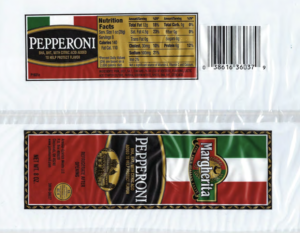
WASHINGTON, Dec. 14, 2021 – Smithfield Packaged Meats Corp., doing business as Margherita Meats, Inc., an Omaha, Neb. establishment, is recalling approximately 10,990 pounds of ready-to-eat (RTE) pepperoni products that may be adulterated with Bacillus cereus (B. cereus), the U.S. Department of Agriculture’s Food Safety and Inspection Service (FSIS) announced today.

The RTE unsliced pepperoni product was produced and packaged on June 17, 2021.  The following products are subject to recall [view label]:

  • 8-oz. plastic shrink-wrapped packages containing unsliced pepperoni “Margherita PEPPERONI” with lot code P1931C and a “use by date” of 12-14-21 represented on the label.

The products subject to recall bear establishment number “EST. 19” inside the USDA mark of inspection. These items were shipped to retail locations nationwide.

The problem was discovered when the Department of Defense notified FSIS that they found B. cereus during routine product testing.

B. cereus is a toxin-producing microorganism that causes diarrhea and vomiting in people. Those with compromised immune systems are at risk for more severe illness. Vigorous rehydration and other supportive care including antibiotics are the usual treatment.

There have been no confirmed reports of adverse reactions due to consumption of these products. Anyone concerned about an injury or illness should contact a healthcare provider.

FSIS is concerned that some product may be in consumers’ pantries or refrigerators. Consumers who have purchased these products are urged not to consume them. These products should be thrown away or returned to the place of purchase.

FSIS routinely conducts recall effectiveness checks to verify recalling firms notify their customers of the recall and that steps are taken to make certain that the product is no longer available to consumers. When available, the retail distribution list(s) will be posted on the FSIS website at www.fsis.usda.gov/recalls.

Media with questions regarding the recall can contact Jim Monroe, Corporate Affairs, Margherita Meats Corp., at (703) 559-1875. Consumers should call the Margherita Consumer Affairs Hotline at (844) 342-2596.

Consumers with food safety questions can call the toll-free USDA Meat and Poultry Hotline at 1-888-MPHotline (1-888-674-6854) or live chat via Ask USDA from 10 a.m. to 6 p.m. (Eastern Time) Monday through Friday. Consumers can also browse food safety messages at Ask USDA or send a question via email to MPHotline@usda.gov. For consumers that need to report a problem with a meat, poultry, or egg product, the online Electronic Consumer Complaint Monitoring System can be accessed 24 hours a day at https://foodcomplaint.fsis.usda.gov/eCCF/.

Belgium – Jumbo brand pumpkin seeds (Jumbo pompoenpitten) – Salmonella

AFSCA

Jumbo recall
Product: Jumbo brand pumpkin seeds (Jumbo pompoenpitten) .
Issue: The product may contain Salmonella bacteria.

In agreement with the FASFC, Jumbo withdraws from sale the “Jumbo pumpkin seeds” with DDM 29-05-2022 of the Jumbo brand and recalls it from consumers because the product may contain salmonella bacteria.
Jumbo asks its customers not to consume this product and to return it to the point of sale where it was purchased, where they will be reimbursed.

Product description Product

name: Jumbo Pompoenpitten (Jumbo pumpkin seeds)
Brand: Jumbo
EAN: 8718452238989 Best before
date (BDD): 29-05-2022
Sale period: From 29-10-2021 to 09-02-2022
Nature packaging: Plastic packaging
Weight: 100 g

The product was distributed to Jumbo subsidiaries in Belgium.

For more information , customers can contact customer services on 0800-98998 or Jumbo.com .

Our apologies for the inconvenience caused.

Ireland – Recall of a Batch of Burren Smokehouse Smoked Irish Organic Salmon Due to the Presence of Listeria monocytogenes

FSAI

Burren Smokehouse

Summary
Category 1: For Action
Alert Notification: 2022.12
Product: Burren Smokehouse Smoked Irish Organic Salmon; pack sizes: 90g, 180g, 500g, 1 kg; approval number: IE MO 0022 EC
Batch Code: 288/02
Country Of Origin: Ireland

Message:

Burren Smokehouse is recalling the above batch of its Smoked Irish Organic Salmon due to detection of a very low level of Listeria monocytogenes.

Nature Of Danger:

Symptoms of Listeria monocytogenes infection can include vomiting, nausea, persistent fever, muscle aches, severe headache and neck stiffness.  In rare cases, the infection can be more severe, causing serious complications.  Some people are more vulnerable to Listeria monocytogenes infections, including pregnant women, babies, and people with weakened immune systems, including the elderly.  The incubation period (time between initial infection and first symptoms appearing) is on average 3 weeks but can range between 3 and 70 days.  

Action Required:

Inspectors:

A distribution list will be emailed to relevant PEHOs in due course. Please notify the FSAI (foodincidents@fsai.ie) of any concerns.

Manufacturers, wholesalers, distributors, caterers & retailers:

Retailers should recall the implicated batch from their customers. Caterers should not use the implicated batch.

Consumers:

Consumers are advised not to eat the implicated batch.

Netherlands – Safety warning pumpkin seeds various supermarkets – Salmonella

NVWA

Safety warning pumpkin seeds various supermarkets (attention)

Safety warning pumpkin seeds various supermarkets

Albert Heijn, ALDI and Jumbo warn against various products with pumpkin seeds. There may be salmonella in the pumpkin seeds. Do not eat these products.

Which products are involved?

Albert Heijn

  • AH breakfast mulberry goji berry mix, best before date until 2/27/2022 
  • AH salad seed mix, best before date up to and including 27-2-2022 
  • AH Italian mix, best before and including 27-2-2022 
  • AH croutons seed mix, best before date up to and including 30-1-2022

See the website of Albert Heijn

ALDI

  • Pumpkin seeds & seed mix 200-300 g, EAN code 23037045, best before date until 20-2-2022

See Aldi .’s website

Jumbo

  • Jumbo Pumpkin seeds, EAN code 8718452238989, best before date up to and including 29-05-2022

Sincerely

The Dutch Food and Consumer Product Safety Authority

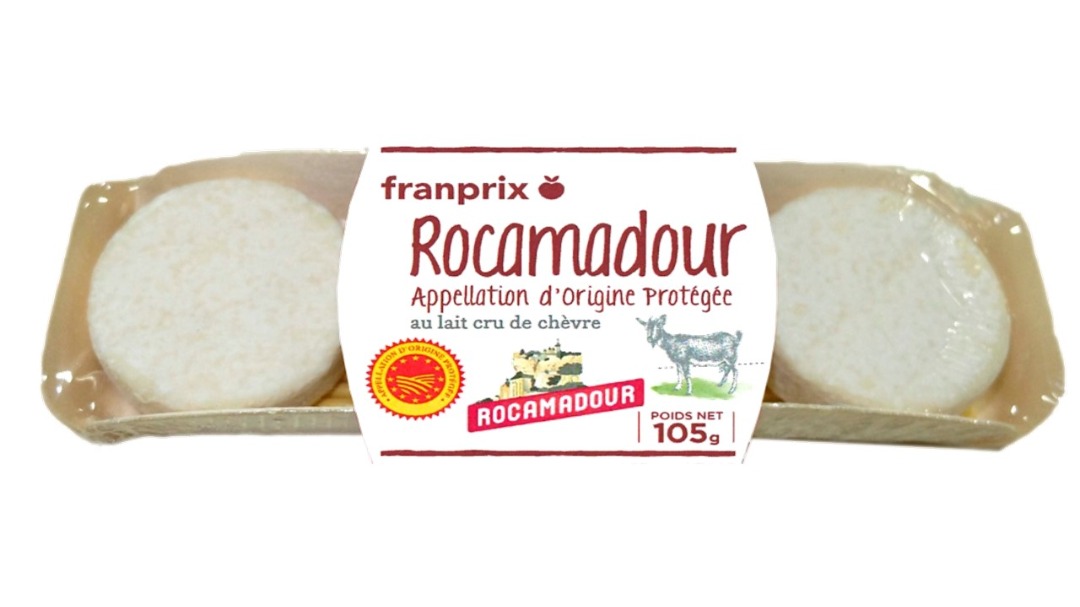
France – ROCAMADOUR AOP 105G (3X35G) FRANPRIX -Salmonella

Gov france

Identification information of the recalled product

  • Product category Food
  • Product subcategory Milk and dairy products
  • Product brand name FRANPRIX
  • Model names or references ROCAMADOUR PDO 3X35G
  • Identification of products
    GTIN Lot Dated
    3263858063611 022 Date of minimum durability 07/03/2022
  • Packaging Wrapped wooden tray of 3 cheeses
  • Marketing start/end date From 04/02/2022 to 10/02/2022
  • Storage temperature Product to be stored in the refrigerator
  • Health mark EN 46.204.002 EC
  • Geographic area of ​​sale Whole France
  • Distributors FRANPRIX and Franprix distribution networks

Practical information regarding the recall

  • Reason for recall Presence of Salmonella spp
  • Risks incurred by the consumer Salmonella spp (causative agent of salmonellosis)