Monthly Archives: June 2019

Research – Microbial ecology: Salmonella and the dairy calf

AllAboutFeed


Besides faeces and other cattle, pathogenic vectors in the dairy farm can include feed, water, rodents, wild animals, flies, birds, etc. What are the producer’s management priorities to sustain dairy calf health?

A dairy farm in the simplest form is a population of dairy cattle living in barns, corrals, or pastures that surround a centralised milking parlour where animals are milked for commerce. However, co-existing on these facilities is another population, one that is often overlooked as it is invisible to the naked eye. It is the microbial population. The dairy farm’s microbial populace consists of a vast and diverse array of commensal and pathogenic micro-organisms that are easily transmitted. Among the pathogens, there are viruses, fungi, algae, protozoa, and bacteria. Among the bacteria, Salmonella can have an especially serious impact on calf health.

Research – Microbiological and real-time mechanical analysis of Bacillus licheniformis and Pseudomonas fluorescens dual-species biofilm

Microbiology Research

n natural habitats, bacterial species often coexist in biofilms. They interact in synergetic or antagonistic ways and their interactions can influence the biofilm development and properties. Still, very little is known about how the coexistence of multiple organisms impact the multispecies biofilm properties. In this study, we examined the behaviour of a dual-species biofilm at the air–liquid interface composed by two environmental bacteria: Bacillus licheniformis and a phenazine mutant of Pseudomonas fluorescens . Study of the planktonic and biofilm growths for each species revealed that P. fluorescens grew faster than B. licheniformis and no bactericidal effect from P. fluorescens was detected, suggesting that the growth kinetics could be the main factor in the dual-species biofilm composition. To validate this hypothesis, the single- and dual-species biofilm were characterized by biomass quantification, microscopy and rheology. Bacterial counts and microscale architecture analysis showed that both bacterial populations coexist in the mature pellicle, with a dominance of P. fluorescens . Real-time measurement of the dual-species biofilms’ viscoelastic (i.e. mechanical) properties using interfacial rheology confirmed that P. fluorescens was the main contributor of the biofilm properties. Evaluation of the dual-species pellicle viscoelasticity at longer time revealed that the biofilm, after reaching a first equilibrium, created a stronger and more cohesive network. Interfacial rheology proves to be a unique quantitative technique, which combined with microscale imaging, contributes to the understanding of the time-dependent properties within a polymicrobial community at various stages of biofilm development. This work demonstrates the importance of growth kinetics in the bacteria competition for the interface in a model dual-species biofilm.

Research – The effect of silver nanocomposite packaging based on melt mixing and sol–gel methods on shelf life extension of fresh chicken stored at 4 °C

Wiley Online

Abstract

In the present study, seven types of films were produced using different proportions of polyethylene containing silver, clay, and titanium dioxide nanoparticles. Following the determination of the minimum inhibitory concentration of the films in the eradication of Staphylococcus aureus and Escherichia coli, the film containing 5% silver nanoparticles and 5% titanium dioxide nanoparticles was found to have the highest antimicrobial property and was determined to be an ideal cover for food products. The antibacterial effect of the films on the shelf life extension and quality of the chicken stored at 4 °C in the Days 1, 3, and 5 of the experiment was checked. The structure and morphology of the nanoparticles and the selected films were evaluated using a field emission scanning electron microscope, scanning electron microscope, transmission electron microscope, Fourier‐transform infrared spectroscopy, and dynamic light scattering. The analysis of the results indicated that the most appropriate inhibition growth was observed with S. aureus and E. coli in nutrient agar and the largest diameter of the radial inhibition zone occurred with S. aureus. Moreover, the analysis of variance showed that the effect of different concentrations of silver and titanium dioxide nanoparticles was significant (p < .05). The results of this study showed that the produced nanocomposite was used to preserve chicken meat for 5 days at 4 °C inhibited the growth of both types of bacteria.

Practical applications

Nowadays production of active packaging is increasing worldwide as they were proved to have numerous effects on inhibiting of microbial growth and even bactericidal effects. Therefore, a wide variety of food producers in different sections namely agriculture, dairy, and meat industries have applied nanopackaging using different nanoparticles. Thus, more research on different physicochemical and antimicrobial effects are needed.

Canada- Ground spice from Nigeria under recall; no codes on product labels – Salmonella

Food Safety News

A spice product imported into Canada from Nigeria is under recall because government testing showed possible contamination with Salmonella bacteria.

MyChopChop, which has offices in Ontario, sold the recalled “Grounded Peper” to consumers nationwide via the internet, according to a recall notice posted by the Canadian Food Inspection Agency. The agency reported that as of the posting of the notice no reports of confirmed illnesses had been reported in connection with the recalled product.

Because of the long shelf life of dry spices, public health officials are concerned there may be consumers who have the recalled spice product in their homes. Anyone who has such spice in their homes that is not still in its original package should discard it because they won’t be able to determine whether it is the recalled product.

UK – An investigation is underway into cases of listeria linked to sandwiches.

FSA

Public Health England (PHE), The Food Standards Agency (FSA), Public Health Wales (PHW), Food Standards Scotland (FSS), Health Protection Scotland (HPS) and a number of local authorities are currently investigating the source of listeria infections linked to pre-packed sandwiches.

Sandwiches and salads linked to the cases have been withdrawn and the supplier, The Good Food Chain, has voluntarily ceased production while the investigation continues. This business had been supplied with meat produced by North Country Cooked Meats which subsequently produced a positive test result for the outbreak strain of listeria. This business and North Country Quality Foods who they distribute through, have also voluntarily ceased production.

The cases of listeria infection were in six seriously ill hospital patients in England. Three of these patients have sadly died. Currently there are no cases in Scotland, Wales or Northern Ireland.

Listeria infection in healthy people is usually either unnoticed or may cause very mild illness. However, it can have more serious consequences for some people, particularly those with pre-existing health conditions and pregnant women. The health risk to the public remains low and individuals should only seek medical attention if they develop symptoms.

Food Standards Scotland (FSS) and Health Protection Scotland (HPS) are also involved in the investigation and currently there are no cases in Scotland or in Wales.

The sandwiches and salads affected are no longer being produced while investigations continue and the affected products were withdrawn from hospitals when the links to the listeria infections were first identified.

Dr Nick Phin, Deputy Director at the National Infection Service at PHE said:

“Our thoughts are with the families of those patients who have sadly died. We, along with the FSA, colleagues in local authorities and the NHS have worked quickly to determine the likely cause of this outbreak and taken action to reduce the risk to the public’s health.

“To date, there have been no associated cases identified outside healthcare organisations, and any risk to the public is low.”

Dr Colin Sullivan, Chief Operating Officer at the FSA said:

“Our sympathies are with the families of those patients who have tragically passed away.

“We have taken action along with local authorities to minimise the risk based on the evidence so far. The FSA will continue to investigate how the outbreak occurred and if further steps are required to protect vulnerable groups.”

USA – Salmonella Outbreak at Elite Childcare Academy in Omaha, NE

Food Poisoning Bulletin

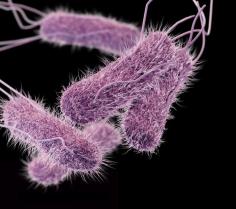
Salmonellaa

Image CDC

A possible Salmonella outbreak at Elite Childcare Academy in Omaha, Nebraska may have sickened an unknown number of children, according to news reports. The Douglas County Health Department is investigating. One hundred children are enrolled.

USA – Side Hill Acres Raw Goat Milk Recalled For Possible Listeria Monocytogenes

Food Poisoning Bulletin

he New York Department of Agriculture and Markets is warning consumers that Side Hill Acres raw goat milk may be contaminated with Listeria monocytogenes bacteria. Some of the milk tested positive for the pathogen.

RASFF Alerts – Salmonella – Salted Chicken Breasts – Duck Inner Fillets – Chilled Chicken – Sesame Seeds – Whitish Sesame Seeds – Betel Leaves – Chicken Drumsticks – Chilli Powder – Herb Mix

RASFF-Logo

RASFF – Salmonella (presence /25g) in frozen salted chicken half breasts from Brazil in the UK

RASFF – Salmonella (presence /25g) in frozen duck inner fillets from Hungary in Italy

RASFF – Salmonella enterica ser. Münster (present in 1out of 5 samples /25g) in chilled chicken from Poland in the Czech Republic

RASFF – Salmonella (presence /25g) in sesame seeds from Uganda in Germany

RASFF – Salmonella (presence /25g) in frozen half chicken breast from Brazil, via the Netherlands in the UK

RASFF – Salmonella (in 1 out of 5 samples /25g) in organic sesame seeds from Uganda in the Netherlands

RASFF – Salmonella (in 1 out of 5 samples /25g) in whitish sesame seeds from Sudan in Greece

RASFF – Salmonella (in 2 out of 5 samples /25g) in whitish sesame seeds from Sudan in Greece

RASFF – Salmonella (presence /25g) in betel leaves from Malaysia in the UK

RASFF – Salmonella (in 1 out of 5 samples /25g) in white sesame seeds from Nigeria in Poland

RASFF – Salmonella (presence /25g) in sesame seeds from Uganda in the Netherlands

RASFF – Salmonella (presence /25g) and high count of Escherichia coli (7.8×10*3 CFU/g) in betel Leaves from Malaysia in the UK

RASFF – Salmonella (presence /25g) in sesame seeds from Sudan in Greece

RASFF – Salmonella enterica ser. Infantis (presence /25g) in chilled chicken breast fillet from Poland in the Czech Republic

RASFF – Salmonella (presence /25g) in sesame seeds from Sudan in Greece

RASFF – Salmonella (presence /25g) in sesame seeds from Sudan in Greece

RASFF – Salmonella enterica ser. Newport (presence /25g) in chilled chicken breast fillets from Poland in the Czech Republic

RASFF – Salmonella (presence /25g) in chicken drumsticks from the Netherlands in the Netherlands

RASFF – Salmonella (presence /25g) and Salmonella enterica ser. Newport (presence /25g) in chilli powder from India in Finland

RASFF – Salmonella enterica ser. Agona (presence /25g) in herbs mix for meat preparation from the Netherlands in the Netherlands

RASFF Alerts -E.coli – Live Venus Clams – Betel Leaves – Herbal Infusion

RASFF-Logo

RASFF – too high count of Escherichia coli (330; 230; 130; 700; 490 MPN/100g) in live venus clams (Chamelea gallina) from Italy in Spain

RASFF – high count of Escherichia coli (presence /25g) in betel leaves from Malaysia in the UK

RASFF – high count of Escherichia coli (8.2 x 10*3 CFU/g) in betel leaves from Malaysia in the UK

RASFF – high count of Escherichia coli (9 x 10*3 CFU/g) in betel leaves from Malaysia in the UK

RASFF – high count of Escherichia coli in herbal infusion from Italy, produced in Spain, with raw material from Germany in Italy

RASFF Alerts – Aflatoxins – Seasoning Mix Chicken Tikka – Pistachios – Groundnuts

RASFF-Logo

RASFF – aflatoxins (B1 = 16.2; Tot. = 16.9 µg/kg – ppb) in seasoning mix chicken tikka from Pakistan in Ireland

RASFF – aflatoxins (B1 = 14.44; Tot. = 22.46 µg/kg – ppb) in pistachios from Turkey in Germany

RASFF – aflatoxins (B1 = 22; Tot. = 27.3 µg/kg – ppb) in groundnuts in shell from China in Portugal