Monthly Archives: December 2012

Research- New Listeria Strains Discovered from the US Canteloupe Outrbreak 2011

Food Safety Newscatalopue

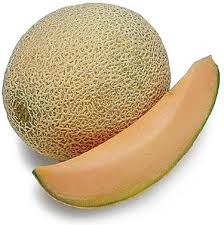
After analyzing four of the five types of Listeria implicated in last year’s deadly cantaloupe outbreak, scientists have discovered that a new outbreak strain was among those that contributed to the nearly 150 illnesses and 33 deaths caused by contaminated melons.

The researchers, an international team of government and university scientists, also compared the strains involved in the 2011 outbreak to those that had caused other outbreaks or been collected from other food facilities. By doing this, they identified two new sets of “epidemic clones” –  strains isolated in different times and places that appear to have common ancestors.

Only five epidemic clones, or ECs, of Listeria had been identified prior to this study, which raises that number to seven.

Research – Hot Water and Chlorine Treatments – Bean Sprout

Science DirectEurofins

Abstract

The majority of bean sprout-related outbreaks have been associated with Escherichia coli O157:H7 and Salmonella, and an effective method to inactivate these organisms on seeds prior to sprouting is important to avoid foodborne pathogen diseases. We have previously tested treatment with a combination of hot water and chlorine, and a high bactericidal effect without decreases in the germination ratio was observed on mung bean seeds produced in China. To evaluate the versatility of this treatment, the present study confirmed whether our disinfection treatment can be applied to mung bean seeds produced in another country (Myanmar). A more than 5.0 log CFU/g reduction of E. coli O157:H7 was achieved when the mung bean seeds were treated with hot water at 85 °C for 10–40 s, followed by soaking in a 2000 ppm chlorine solution for 2 h; the hot water treatment at 85 °C for 40 s followed by the chlorine treatment completely eliminated E. coli O157:H7 from the mung bean seeds. Additionally, a more than 5.0 log CFU/g reduction was obtained for Salmonella after the hot water treatment at 85 °C followed by the chlorine treatment. These treatments did not significantly affect the viability and germination of the mung bean seeds, and a sufficient yield for commercial uses was obtained.

Research – Staphylococcus Nasal Colonisation

HACCPEUROPAStaphylococcus

Staphylococcus aureus (S. aureus) is one of the five most common causes of infections after injury or surgery and can be a food contaminant. Around one third of healthy individuals carry this bacteria in their noses, pharynx and on their skin. In normal healthy and immunocompentent person, S. aureus colonization of the skin, intestinal tract, or nasopharynx does not lead to any symptoms or disease.

Nasal colonisation by Staphylococcus aureus depends upon clumping factor B binding to the squamous epithelial cell envelope protein loricrin.

USA – Leftover Food Storage Tips Chart

Food Safety.gov

These short but safe time limits for home-refrigerated foods will keep them from
spoiling or becoming dangerous to eat. The guidelines for freezer storage are
for quality only. Frozen foods remain safe indefinitely.

Food Safety.gov Egg Products

Egg Safety Information

USDA Tips on Thawing and Re-Heating

USA – Norovirus Updates

Food Poisoning BulletinNorovirus

A suspected norovirus outbreak has been declared at the Stateville Correctional Facility in Illinois. Illinois Department of Corrections spokesperson Melaney Arnold told Food Poisoning Bulletin that approximately 144 inmates reported becoming ill after Christmas. No patients have been hospitalized.  Food testing is underway to try to determine the source of the outbreak.

The Department of Corrections and the Illinois Department of Public Health are working on the outbreak investigation and control efforts. Samples have been sent to the state laboratory, and public health officials are waiting for results.

CalCoast

A new strain of a stomach virus has caused at least three outbreaks in San Luis Obispo County within the past month, according to local health officials.

All three outbreaks, two of which occurred in restaurants and one in a long-term care facility, were caused from a new strain of the Norovirus from Australia, GII strain. Symptoms include nausea, vomiting, diarrhea, fever and body aches.

The highly contagious virus is spread through contact with infected people, consuming infected foods or touching infected surfaces. Health officials are asking those who are infected to stay home as they are still contagious for a time after symptoms have subsided.

Each Year Norovirus infections cause an estimated 21 million illnesses in the United States, and 70,000 hospitalizations.

UK – FSA Recall – Salted Peanuts – Aflatoxins

FSAAflatoxin

Budgens, Londis  and SuperValu have recalled some of their SuperValu Salted Peanuts, because one batch of the product has been found to contain aflatoxins at levels higher than the regulatory limits. The levels of aflatoxins found are not considered a safety risk. However, if you have bought any of the product do not eat it. The Agency has issued a Product Recall Information Notice.

UK – HPA Update Norovirus 2012

HPANorovirus

Latest figures from the Health Protection Agency (HPA) show there have been 3,538 laboratory confirmed cases of norovirus this season (from week 27 to week 50 2012), up from 3,046 cases last week. The latest figures are 83 percent higher than the number of cases reported at this point last year (the same increase as was reported last week), when there were 1,934 cases.

During the two weeks up to 23 December there were 70 hospital outbreaks reported, compared to 61 in the previous fortnight, bringing the total of outbreaks for the season to 538.

UK – FSA – Update on Tofu Recall – Bacillus cereus

FSABacillus_cereus_01

Heads of Environmental Health and Directors of Trading Standards will wish to be aware of this update to Food Alert for Action 07/2012 issued on 20 December 2012 concerning the recall associated with rose bean curd tofu and chilli bean curd tofu originating from China via The Netherlands. The Agency has now received further information confirming that other lots of tofu from the same Chinese producer are contaminated with high levels of Bacillus cereus. Based on the findings, the Dutch importer Liroy B.V. is recalling all the tofu products they have imported this year from the Chinese producer.

The affected products have been distributed widely throughout the UK.

The Dutch importer will contact all their customers regarding withdrawing all other rose bean curd tofu and chilli bean curd tofu as a precaution.

Identification of the affected products:

1. Koon Yick Wah Kee – Rose Bean Curd (Tofu) 454g Best Before Date 30.06.14 Lot number 023424

2. Koon Yick Wah Kee – Chilli Bean Curd (Tofu) 454g Best Before Date 30.06.14 Lot Number 023421

(Photo Courtesy of the CDC via Wiki)

Culture Better Than Rapid?

The Packer

Tests for foodborne pathogens in which a culture is not grown in a lab may be necessary for produce companies, but they can’t replace traditional culture tests, industry leaders and government officials say.

Nonculture diagnostic tests have been around since the early 1980s, said David Gombas, senior vice president of food safety and technology for the Washington D.C.-based United Fresh Produce Association.

But there has been a recent push, Gombas said, to use them to replace culture tests that the Centers for Disease Control and Prevention, the Food and Drug Administration and other agencies and organizations rely on to accurately diagnose cases of salmonella, E. coli and other foodborne illnesses.

That trend was highlighted in a recent article in Scientific America magazine, which found that many clinics and state-run labs are turning to nonculture tests, which are faster than culture tests.

They’re faster, but are they better?

“Right now, the answer is no,” Gombas said. “CDC, FDA, and those in the produce industry I talk to — they want a live bug.”

USA – Walmart Recall – Listeria monoctyogenes in Smoked Salmon

Listeria Blog

Multiexport Foods, Inc of Miami, FL is expanding the voluntary recall that it launched Saturday, December 22nd, 2012 of cold smoked salmon, 12 oz Twin Pack and the 1.25 lb Pack under the “Paramount Reserve”, because it has the potential to be contaminated with Listeria monocytogenes, an organism which can cause serious and sometimes fatal infections in young children, frail or elderly people, and others with weakened immune systems. Healthy individuals may suffer only short-term symptoms such as high fever, severe headache, stiffness, nausea, abdominal pain and diarrhea. The recall is being expanded to include additional lot-sublot-batch codes.