CDC offers many free educational resources about preventing food poisoning. Read patient stories and newsletters to learn more, share infographics and videos on social media and on your site to help educate others.
KSWFoodWorld

CDC offers many free educational resources about preventing food poisoning. Read patient stories and newsletters to learn more, share infographics and videos on social media and on your site to help educate others.

In agreement with the AFSCA, Profuma sprl is withdrawing whole and sliced cold-smoked duck breast from sale and recalling it from consumers due to the possible presence of Listeria monocytogenes.
Profuma srl asks its customers not to consume this product and to return it to the point of sale where it was purchased, where it will be refunded.
Product Description:
– Product Name: Whole and Sliced Cold Smoked Duck Breast
– Use By Dates (UBD): 08/21/2024, 09/03/2024, 10/01/2024, 10/06/2024, 10/12/2024, 10/13/2024, 10/15/2024 & 10/19/2024 –
Batch Number: 142991
– Sales Period: 07/31/2024 to 08/20/2024
– Type of Packaging: Vacuum Packed
– Weight: Variable or 100g
The products were distributed by Profuma and sold through various points of sale .
For further information please contact:
Mr Shwartsberg or Sarah Korn
Telephone number: +3223347560
Posted in afsca, food contamination, food handler, Food Hazard, Food Hygiene, Food Inspections, Food Micro Blog, Food Microbiology, Food Microbiology Blog, Food Pathogen, Food Quality, food recall, Food Safety, Food Safety Alert, Food Safety Management, Food Safety Regulations, Food Testing, Listeria, Listeria monocytogenes
For many of us, freezers serve as a sort of black hole for our leftovers and miscellaneous food items. Everything from half-eaten cartons of ice cream to Thanksgiving leftovers tend to find a home in the freezer—sometimes indefinitely.
Though it’s a convenient catch-all for extra food, the freezer can also be a source of some confusion and even, if used improperly, food-borne illness. You might wonder, for instance, whether it’s OK to put steaming-hot leftovers directly in the freezer. Also: Is that partially crystallized muffin still safe to eat? And what should you do with unidentifiable red sauce that’s been thawed and refrozen a few times?
Experts weigh in on frozen food safety and tips for best freezer hygiene.
Brand : AMADORI
Name : FRESH EGGS CAT. ADA FARMING, FRIDGE, VARIOUS SIZE, AMADORI
Reason for reporting : Recall due to microbiological risk
Publication date : 2 September 2024

Posted in bacterial contamination, food contamination, food handler, Food Hazard, Food Hygiene, Food Inspections, Food Micro Blog, Food Microbiology, Food Microbiology Blog, Food Microbiology Testing, Food Pathogen, Food Quality, food recall, Food Safety, Food Safety Alert, Food Safety Management, Food Safety Regulations, Food Testing, microbial contamination, Salmonella, Salmonella in Eggs
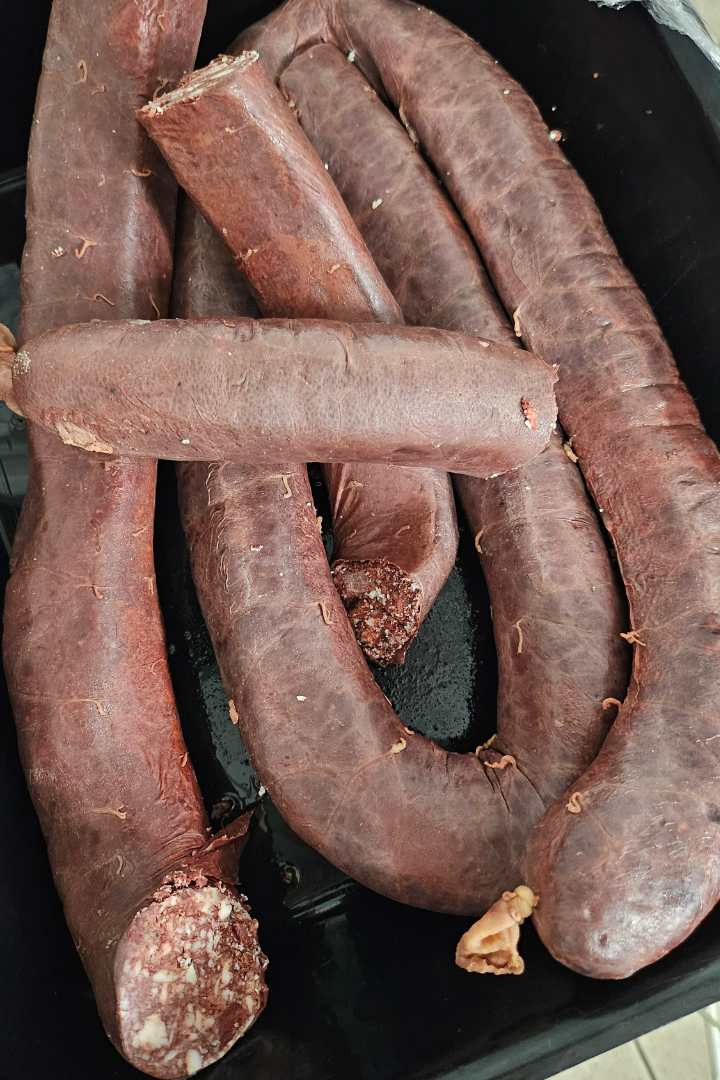
Product Category
Food
Product subcategory
Meats
Product brand name
Cambes Farm
Model names or references
Meat pudding
Product identification
Batch Date
310824 Expiry date 08/15/2024
320824 Expiry date 08/22/2024
Packaging
Sold by the slice in the traditional delicatessen section
Start/End of marketing date
From 08/06/2024 to 08/14/2024
Storage temperature
Product to be kept in the refrigerator
Geographic area of sale
Casteljaloux
Distributors
E.Leclerc Casteljaloux Center
Posted in food contamination, food handler, Food Hazard, Food Hygiene, Food Inspections, Food Micro Blog, Food Microbiology, Food Microbiology Blog, Food Microbiology Testing, Food Pathogen, Food Quality, food recall, Food Safety, Food Safety Alert, Food Safety Management, Food Safety Regulations, Food Testing, Listeria, Listeria France, Listeria monocytogenes
Product Category
Food
Product subcategory
Fishery and aquaculture products
Product brand name
GUYADER
Model names or references
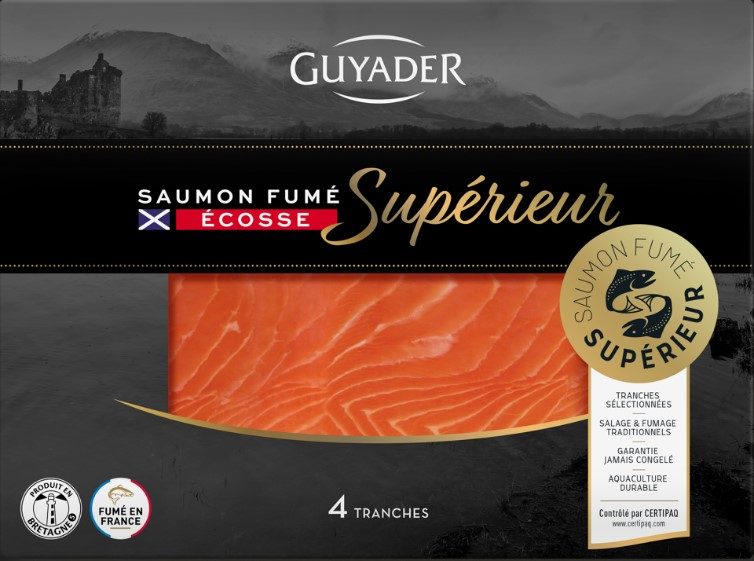
SUPERIOR SCOTLAND SMOKED SALMON 140G 4 SLICES GUYADER
Product identification
GTIN Batch Date
3355200090144 38768X221 Expiry date 03/09/2024
Packaging
140g cardboard pouch
Start/End of marketing date
From 08/08/2024 to 20/08/2024
Storage temperature
Product to be kept in the refrigerator
Health mark
FR29027500CE
Geographic area of sale
Whole France
Distributors
LELERC, INTERMARCHE, COOPERATIVE U, WE ANTI-WASTE GROCERY STORES, COST 2 FEES
Posted in food contamination, food handler, Food Hazard, Food Hygiene, Food Inspections, Food Micro Blog, Food Microbiology, Food Microbiology Blog, Food Microbiology Testing, Food Pathogen, Food Quality, food recall, Food Safety, Food Safety Alert, Food Safety Management, Food Safety Regulations, Food Testing, Listeria, Listeria France, Listeria monocytogenes, Listeria Smoked Fish
Product Category
Food
Product subcategory
Fishery and aquaculture products
Product brand name
Leclerc
Model names or references
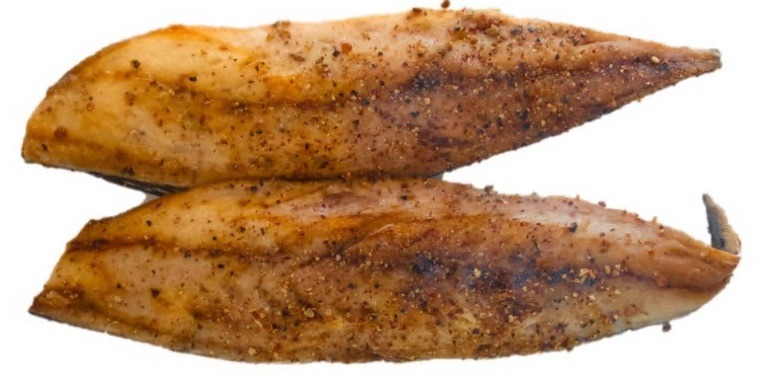
Mackerel with onions ready to smoke
Product identification
GTIN Batch Date
0299923000000 19082024 Expiry date 08/19/2024
List of products
Mackerel_with_onions_ready_to_smoke.pdfAttachment
Packaging
Tray under skin – variable weight
Start/End of marketing date
From 08/09/2024 to 08/19/2024
Storage temperature
Product to be kept in the refrigerator
Additional information
Product sold in self-service in the fishmonger’s section between 08/09/2024 and 08/19/2024
Geographic area of sale
In-store only
Distributors
E. Leclerc Ploërmel
Posted in food contamination, food handler, Food Hazard, Food Hygiene, Food Inspections, Food Micro Blog, Food Microbiology, Food Microbiology Blog, Food Microbiology Testing, Food Pathogen, Food Quality, food recall, Food Safety, Food Safety Alert, Food Safety Management, Food Safety Regulations, Food Testing, Listeria, Listeria France, Listeria monocytogenes, Listeria Smoked Fish
Fungi are prolific producers of secondary metabolites, which are diverse bioactive compounds essential for their environmental interactions. Mycotoxins, a notable group of these metabolites, have significant toxic effects on humans, animals, and crops, posing global health and economic challenges. Recent scientific advances have enhanced our understanding of fungal secondary metabolites, enabling the discovery of new compounds with potential applications in drug development, agriculture, and biotechnology. Additionally, there is increasing recognition of the ecological roles of these metabolites, driving research into their use for sustainable agriculture, biocontrol, and environmental management. Interdisciplinary studies in mycology, chemistry, ecology, and biotechnology are vital for addressing the complexities of fungal secondary metabolites and mycotoxins. Currently, the study of these compounds is at a dynamic and transformative stage. By following current trends and exploring future directions, researchers can unlock new applications of fungal metabolites and solutions benefiting society and the environment.
Posted in Food Microbiology Research, Mycotoxin, Research

 FoodWorld