Food Poisoning in the United States: A Comprehensive Overview of Annual Cases, Economic Costs, and Preventive Efforts by Health Agencies and Food Poisoning Attorneys

Food Poisoning News

Food poisoning, also known as foodborne illness, is a significant public health issue in the United States. Every year, millions of people suffer from foodborne illnesses, ranging from mild discomfort to life-threatening conditions. These illnesses arise from consuming contaminated food, which may harbor harmful bacteria, viruses, or parasites. Beyond the personal toll on those affected, food poisoning has far-reaching economic implications, from medical costs to lost productivity. Various health agencies, including the Centers for Disease Control and Prevention (CDC), the Food and Drug Administration (FDA), and state and local health departments, work tirelessly to mitigate the impact of foodborne illnesses. This article will provide an in-depth examination of the annual cases of food poisoning in the U.S., the associated economic costs, and the roles of these agencies in safeguarding public health.

Research – The microwave bacteriome: biodiversity of domestic and laboratory microwave ovens

Frontiers In.org

Microwaves have become an essential part of the modern kitchen, but their potential as a reservoir for bacterial colonization and the microbial composition within them remain largely unexplored. In this study, we investigated the bacterial communities in microwave ovens and compared the microbial composition of domestic microwaves, microwaves used in shared large spaces, and laboratory microwaves, using next-generation sequencing and culturing techniques. The microwave oven bacterial population was dominated by ProteobacteriaFirmicutesActinobacteria, and Bacteroidetes, similar to the bacterial composition of human skin. Comparison with other environments revealed that the bacterial composition of domestic microwaves was similar to that of kitchen surfaces, whereas laboratory microwaves had a higher abundance of taxa known for their ability to withstand microwave radiation, high temperatures and desiccation. These results suggest that different selective pressures, such as human contact, nutrient availability and radiation levels, may explain the differences observed between domestic and laboratory microwaves. Overall, this study provides valuable insights into microwave ovens bacterial communities and their potential biotechnological applications.

Research – Food processing aid against Listeria gets approval for use in the U.S. market

Food Safety News

This innovative technology, developed by Canadian biotechnology company Innodal, uses antimicrobial peptides to eliminate the harmful pathogen.  With its entry into the U.S. market, Innodal is set to launch industrial-scale projects with U.S. processing companies.

Listeria monocytogenes is feared by public health because it potentially has a high mortality rate. In a 2008 Canadian outbreak, that rate approached 40 percent.

INNEO is  Innodal’s flagship product.  It has been successfully commercialized in Canada for four years and will now be available in the U.S. market. Designed to target Listeria monocytogenes — a severe foodborne pathogen responsible for listeriosis — INNEO has proven significantly more effective than traditional chemical treatments in industry trials, particularly against strains that have led to major recalls in North America.

UK – Heavy rainfall played a role in the 2022 UK E. coli outbreak

Food Safety News

Scientists have revealed that lettuce contaminated by animal waste during flooding was the likely vehicle of infection in an E. coli outbreak in 2022.

In September 2022, a large outbreak of STEC O157:H7 was identified in the United Kingdom. It was one of the biggest E. coli outbreaks since the early 1980s.

In late August and early September, the UK Health Security Agency (UKHSA) Gastrointestinal Bacteria Reference Unit (GBRU) reported a substantial increase in submitting certain fecal samples and isolates that were presumptive for STEC.

Information – Mouldy foods

MAST

Moldy food usually has to be thrown away, but sometimes the mold can be cut off. It depends on the nature of the food, ie density and water content. In moist and airy foods, mold can grow much longer and the threads are not visible to the naked eye.

Some molds can cause allergic reactions and breathing problems, others can contain mycotoxins, which are cancer-causing substances. If mold toxins are present, they do not disappear when cooking food. But when is it safe to cut off mold and when to throw away the food:

Moldy bread 

Moldy bread should always be thrown away, as mold may be present without being visible. 

Moldy fruits and vegetables

Moldy watery fruits (eg plums, oranges, melons) and watery vegetables (eg cucumbers, tomatoes) should always be thrown away. It is very important to use only undamaged berries and fruits when making jam and juice. 

In denser and less watery vegetables such as carrots and cabbage, mold spots can be cut off. 

White membrane on mushrooms

If there is a white membrane on the root of mushrooms, it is not mold but their own mycelium. The white membrane can simply be cut off along with particles of soil. 

Moldy jam 

If mold spots are visible in the jam, it should always be thrown away, the fungicide may have spread throughout the jam in the jar.

Moldy nuts 

Always throw away moldy nuts. You have to check especially if Brazil nuts are moldy in the middle. 

Moldy dairy products

All dairy products such as cream, sour cream or soft cheeses (eg brie) should be discarded if any mold is present (other than mold that is a normal part of the cheese). Mold spots on hard cheeses can be cut off, plus 1 cm of the cheese itself around the mold spot. 

Moldy meat

Moldy meat should always be thrown away if mold is detected. It is not enough to remove visible mold spots, the same applies to liver pate and other meat toppings.

Research – Food-borne disease risk: bio-surveillance in water networks 

Eurosurveillance

In 2018, food-borne disease (FBD) was estimated to be responsible for 2.4 million cases of illness and more than 16,000 hospitalisations per year in the United Kingdom (UK) [1], with revised estimates indicating ca 180 deaths annually in the UK arising from exposure to 11 key pathogens [2]. The estimated annual cost from these illnesses is EUR 10.5 billion (GBP 9 billion) [3], with far-reaching impacts on health providers, industry and individuals.

Food for human consumption can become contaminated at any stage of food production, delivery, storage or preparation, and can involve contamination from environmental, human or animal sources [46], making identification of sources and pathways of pathogens responsible for FBD outbreaks a complex process. Furthermore, there is currently no fully integrated framework in the UK for the monitoring and surveillance of FBD, causing difficulty in the prediction and delay in the mitigation of outbreaks.

In 2022, a series of programmes was launched under HM Treasury Shared Outcomes Fund, one of which, Pathogen Surveillance in Agriculture, Food and Environment (PATH-SAFE) [7], aimed to pilot a better national surveillance programme for FBD and antimicrobial resistance (AMR).

Pilot studies carried out under PATH-SAFE focused on norovirus,  and  spp., identified by the Food Standards Agency (FSA) as being among the top five priority pathogens of concern with respect to FBD outbreaks [8], along with , used as an indicator organism for faecal contamination.

To present the findings and discuss the challenges, needs and opportunities for implementing a successful national biosurveillance programme, the Centre for Environment, Food and Aquaculture Science (Cefas) and Bangor University hosted a workshop at the Royal Institution, London, on 31 January 2024. Stakeholders with a range of interests in pathogens implicated in FBD and AMR were invited to contribute their views and recommendations on how best to achieve the desired outcomes for an effective national surveillance framework. Participants from diverse roles (scientists, decisionmakers, public health analysts, policy advisors) across government, academia and charities attended the event.

The first part of the workshop was devoted to presentations of work carried out under the pilot studies, including a combined poster and networking session. For the second part of the workshop, participants were guided into breakout groups to participate in discussions on “Surveillance and management of microbiological risks: gaps & limitations, knowledge & perceptions, approaches & opportunities”.

This workshop was a collaboration across disciplines with participants from multiple organisations: Declan Power (Animal & Plant Health Agency); Jaime Martinez-Urtaza (Universitat Autonòma de Barcelona); Davey Jones, Kata Farkas, Reshma Silvester (Bangor University); Andrew Weightman (Cardiff University); Craig Baker-Austin, David Haverson, David Walker, Richard Heal (Centre for Environment, Fisheries & Aquaculture Science); Steve Morris (Department for Environment, Food & Rural Affairs); Edward Haynes (Fera Science Ltd); Anthony J. Wilson (Food Standards Agency); K. Marie McIntyre (Newcastle University); Mandy Wootton (NHS Wales); Ellie Brown (Ribble Rivers Trust); Oliver Pybus (Royal Veterinary College); Rob Collins (The Rivers Trust); Andrew Singer (UK Centre for Ecology & Hydrology); Matthew Wade (UK Health Security Agency); Edel Light (Veterinary Medicines Directorate).

Research – Effects of Thermally-Assisted and High-Pressure Processing on Background Microbiota and the Listeria monocytogenes Load of a Minimally Processed Commodity

MDPI

Abstract

The current study investigated the impact of treatments with elevated hydrostatic pressure (500 MPa) for inactivation of Listeria monocytogenes on smoked rainbow trout (Oncorhynchus mykiss) at high and low inoculation levels. The temperature values of the trials were set at 4.4 and 60.0 °C, adjusted with a circulating water bath connected to a stainless steel jacket surrounding the pressure processing chamber. Before pressure processing, the counts (selective counts of PALCAM, mean ± SD) of L. monocytogenes were 6.45 ± 0.1 log CFU/g and were reduced (p < 0.05) to 3.72 ± 0.3, and <1.48 ± 0.8 log CFU/g after 10 min of treatment at 4.4 and 60.0 °C, respectively. Treatments of low inoculation level samples were similarly efficacious and resulted in a reduction (p < 0.05) of the pathogen to 1.62 ± 0.3 and <0.82 ± 0.0 log CFU/g for treatments at 4.4 and 60.0 °C, respectively. At 4.4 °C, linear D-value and non-linear kmax1 were 8.68 and 0.50, and 5.81 and 2.41 for high-inoculation and low-inoculation samples, respectively. Application of hydrostatic pressure at 500 MPa at cold and elevated temperatures was efficacious for up to 5.03 log CFU/g reduction of L. monocytogenes, illustrating the potential for further adaptation of this technology.

Research – Experimental Investigation of Bacterial Inactivation of Beef Using Indirect Cold Plasma in Cold Chain and at Room Temperature

MDPI

Abstract

Pathogen contamination is a severe problem in maintaining food safety in the cold chain. Cold plasma (CP) is a novel non-thermal disinfection method that can be applied for the bacterial inactivation of food in appropriate contexts. Currently, research on CP used on food at cold chain temperatures is rare. This work investigated the bacterial inactivation effect of CP on beef at typical cold storage temperatures of 4 and −18 °C and room temperature (25 °C). The reactive species in CP were indirectly tested by evaluating O3, NO3 and NO2 in cold plasma-activated water (PAW), which indicated the highest concentrations of reactive species in CP at 25 °C and the lowest at −18 °C. The bactericidal efficacy of CP treatment against beef inoculated with Escherichia coli at −18 °C, 4 °C, and 25 °C was 30.5%, 60.1%, and 59.5%, respectively. The 4 °C environment was the most appropriate treatment for CP against beef, with the highest bactericidal efficacy and a minor influence on beef quality. The indirect CP treatment had no significant effect on the texture, color, pH, or cooking loss of beef at −18 °C. CP shows significant potential for the efficient decontamination of food at cold chain temperatures.

Research – An outbreak of Shiga toxin-producing Escherichia coli (STEC) O157:H7 associated with contaminated lettuce and the cascading risks from climate change, the United Kingdom, August to September 2022

Eurosurveillance

Shiga toxin-producing  (STEC) serotype O157 is a food-borne gastrointestinal pathogen of public health concern. Infections with STEC can present as sporadic cases or as outbreaks, and they can be symptomatic or asymptomatic. Symptoms can range from mild diarrhoea to abdominal cramps, vomiting and severe bloody diarrhoea, with ca 30% of cases requiring hospital admission. Overall, around 5% of cases (rising to 11% in children aged 1–4 years) develop haemolytic-uraemic syndrome (HUS), which is a severe multisystem condition that predominantly affects the kidneys and can be fatal [1].

In 2022, STEC was the third most commonly notified food-borne zoonotic pathogen in the European Union/European Economic Area (EU/EEA) countries [2]. Of the 29 EU/EEA countries reporting data for 2022, 25 reported 8,565 confirmed cases of STEC infection [3], with 71 food-borne STEC outbreaks reported by 14 countries [4].

The gastrointestinal tract of ruminants is the ecological niche of STEC, with cattle and sheep being the main animal reservoirs [5]. Transmission from animals to humans can occur via direct contact with colonised animals or their environment or by the consumption of food or water contaminated with the pathogen. Food items frequently associated with food-borne outbreaks of STEC O157 include raw or undercooked beef or lamb meat products, unpasteurised dairy products and fresh produce exposed to rainwater run-off, floodwater or irrigation water containing animal faeces [6].

Climate hazards have previously been described as having the potential to activate cascading risk pathways with a sequence of secondary, causally connected events [7]. For example, cascading risks associated with heavy precipitation followed by flooding of animal environments, may lead to contamination of crops and cause food-borne outbreaks of zoonotic diseases. Higher pathogen loads frequently detected in floodwater after rainstorms [8,9] and extreme weather events have been associated with outbreaks of gastrointestinal illness [1012].

Outbreak detection

In late August and early September 2022, the United Kingdom (UK) Health Security Agency (UKHSA) Gastrointestinal Bacteria Reference Unit (GBRU) reported a substantial increase in the submission of containment level 3 faecal samples and isolates that were presumptive for STEC. The number of presumptive STEC isolates received by the reference laboratory in the first 6 days of September 2022 was 245, compared with 259 isolates received during the whole of September 2019, the most recent pre-pandemic year for which data were comparable. Between 5 and 7 September, the number of confirmed STEC O157 cases was 73 compared with an average of 16 cases of STEC O157 reported each week in the previous 4 weeks. This, coupled with a substantial increase in the number of enhanced surveillance questionnaires (ESQs) for STEC cases suggested a surge in cases warranting further investigation. On 7 September 2022, a national level outbreak was declared and a multi-agency incident management team (IMT) established.

The IMT aimed to investigate the source of the outbreak by undertaking traditional epidemiological analyses and traceback investigations. A separate sub-group of the IMT explored a novel triangulation methodology using meteorological, flood risk, land use and land-classification and sheep holding density data, to explain the contamination and independently determine the potential source of the STEC outbreak.

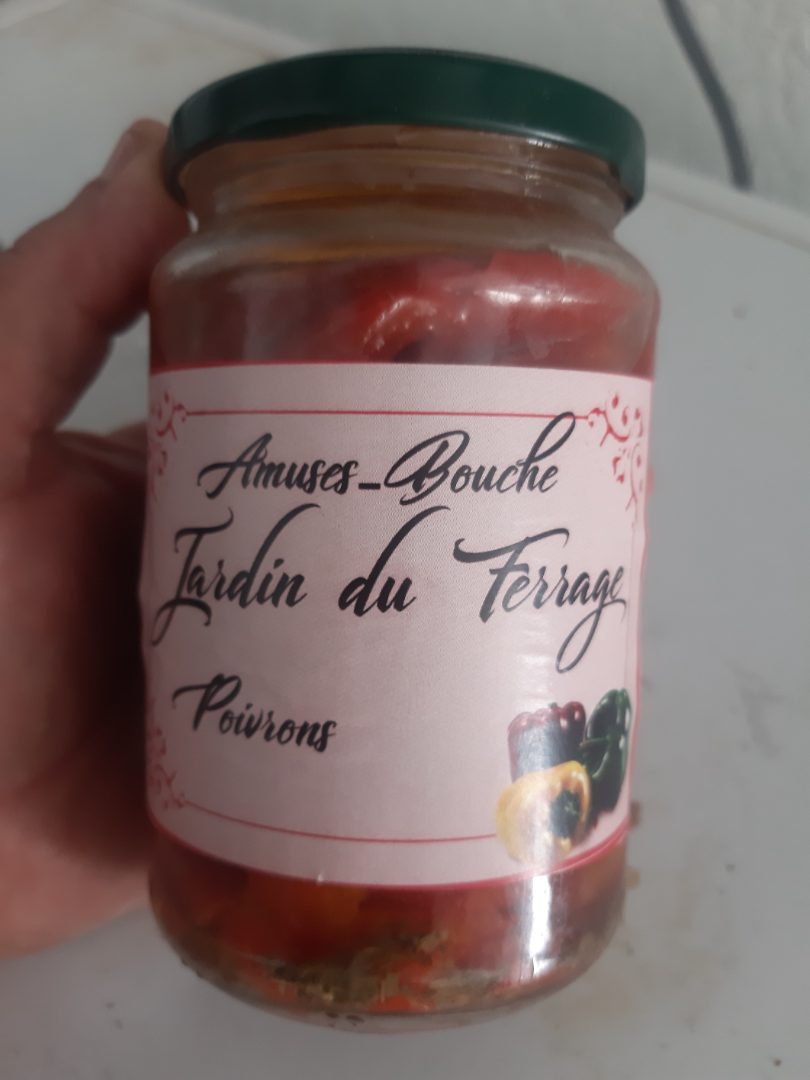
France – Pickles ratatouille tomato sauce jams – Microbiological Contamination

Gov France

Product Category
Food
Product subcategory
Soups, sauces and condiments
Product brand name
Ironworks Garden
Model names or references
350 gr jars
Product identification
Batch
Jams pickles tomato sauce ratatouille
Jams pickles tomato sauce ratatouille 12/30/2025
Packaging
350gr jars
Start/End of marketing date
From 09/13/2020 to 09/12/2024
Storage temperature
Product to be stored at room temperature
Geographic area of ​​sale
Berre the Alps 06390
Distributors
Marie’s little grocery store 1 place Bellevue Berre les Alpes