Category Archives: Uncategorized

USA – Cryptosporidiosis Outbreak at Shades of Sherwood Campground in Zumbrota, MN

Food Poisoning Bulletin 


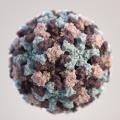
crypto

Image CDC Enter a caption

An outbreak of cryptosporidiosis has occurred among people who visited the Shades of Sherwood Campground in Zumbrota, Minnesota. Three people have been sickened in this outbreak; one person has been hospitalized. One of these patients was also infected with Shiga toxin-producing E. coli.

Canada -Food Recall Warning – Randsland brand Classic Coleslaw and Broccoli Slaw recalled due to Listeria monocytogenes

CFIA CIFA

Recall details

Ottawa, August 3, 2018 – Randsland Farms Inc. is recalling Randsland brand Classic Coleslaw and Broccoli Slaw from the marketplace due to possible Listeria monocytogenes contamination. Consumers should not consume the recalled products described below.

Recalled products

Brand Name Common Name Size Code(s) on Product UPC
Randsland Classic Coleslaw 340 g 080118 0 57225 00007 0
Randsland Broccoli Slaw 340 g 080118 0 57225 00008 7

Research -Growth and survival of Staphylococcus aureus on beef jerky as a function of temperature

Wiley Online

Abstract

The objective of this study was to investigate the effect of temperature on the growth and survival of Staphylococcus aureus and the possibility of enterotoxin A (SEA) production on beef jerky with a water activity (Aw) of 0.78. Beef jerky without seasoning was inoculated with S. aureus producing enterotoxin A at a concentration of approximately 3–4 log cfu/g and stored aerobically at a temperature range of 10°C to 35°C. A modified Gompertz and Weibull model was used to obtain growth and survival kinetics, respectively, and SEA was measured using a Ridascreen SET Total Kit. Growth and survival of S. aureus on beef jerky was observed at temperatures above 21°C and below 19°C, respectively. The maximum population density was observed, but no SEA production was observed above 25°C. Despite the low Aw of beef jerky, the growth of S. aureus was observed above 21°C, indicating that additional safeguards should be considered to reduce the risk of S. aureus in beef jerky in the retail market.

Practical applications

Staphylococcus aureus can survive in beef jerky with low Aw of 0.78 and even grow at temperatures above 21°C, indicating that beef jerky with low Aw may present a public health risk. Thus, distribution temperature must be reevaluated for the safety of beef jerky in the retail market.

Research -Bacteria isolated from the bovine gelatin production line: biofilm formation and use of different sanitation procedures to eliminate the biofilms

Wiley Online

Abstract

The objective of this study was to evaluate the biofilm formation by Staphylococcus aureus, Bacillus cereus, and Bacillus licheniformis, as well to verify the efficiency of the sanitation procedures (cleaning, disinfection, and cleaning + disinfection) on the biofilm removal. Biofilms were formed after immersion of stainless steel and PVC coupons into different culture media (semi‐finished bovine gelatin, final gelatin, and hydrolyzed collagen) at 35°C for 5, 32, and 48 hr. After 32 hr of contact, all microorganisms were capable to form biofilms on the different surfaces in contact with all culture media tested. The semi‐finished gelatin and the hydrolyzed collagen provided a higher biofilm formation (counts between 3.54 and 7.87 log CFU/cm2) when compared to the final gelatin (counts between 3.05 and 6.70 log CFU/cm2). The cleaning step complemented with the disinfection with peracetic acid was the only procedure capable of removing all biofilms (counts ❤ log CFU/cm2).

Practical applications

In this study, we investigated the biofilm formation by different isolates from bovine gelatin, simulating the processing conditions of gelatin and hydrolyzed collagen. The present study showed a peculiar result since the gelatin was the culture medium that provided a lower biofilm formation, while the hydrolyzed collagen and the semi‐finished gelatin provided the best conditions for the formation of biofilms. In addition, we verified that the use of detergent or disinfectant alone was not efficient in the removal of the biofilms formed. In view of this, we suggest the requirements to prevent the formation of microbial biofilms of different bacterial species in the gelatin processing industry. In addition, we suggest measures to remove the biofilms from food processing surfaces.

Research -Occurrence of four pathogenic Vibrios in Chinese freshwater fish farms in 2016

Science Direct

The purpose of this survey was to investigate the distribution of major pathogenic Vibrio spp. (Vibrio parahaemolyticus, Vibrio alginolyticus, Vibrio vulnificus and Vibiro cholerae) in Chinese freshwater fish farms. In total, 4,064 samples of freshwater fish, water and sediment were collected from 12 provinces covering every quarter in 2016. The occurrence of Vibrios was as follows: V. cholerae (10.33%), V. parahaemolyticus (3.89%), V. alginolyticus (1.24%) and V. vulnificus (0.76%). Among 158 confirmed V. parahaemolyticus isolates, 44 isolates (27.85%) had virulence genes (trh/tdh). Among 420 confirmed V. cholerae isolates, 4 were the O1 stains and 4 were the O139 strains. Out of 112 freshwater farms, 58.93% had Vibrios-positive samples. The rates of Vibrios-positive samples from May to October (12.45%∼35.20%) were higher than those in other months (0.00%∼8.07%). Compared the environment factors of Vibrios positive and negative water samples, there was a significantly difference in temperature (P<0.01), while no significant difference in salinity and pH value (P>0.05). In summary, the study presents comprehensive contamination data on the occurrence of four major pathogenic Vibrios in freshwater aquaculture of China for the first time, and the results indicate that Vibrios are widely distributed in aquaculture environment and a further risk assessment is needed to conduct.

Information – Pregnancy and food safety

Food Authority NSW

Pregnant women often call the NSW Food Authority asking why we list certain foods as ‘foods to avoid’.

Certain foods are regarded as having a higher risk of containing the bacteria Listeria monocytogenes which can be harmful to pregnant women and their baby or other bacteria such as Salmonella, which also causes food poisoning.

The common foods we advise women to avoid during pregnancy are:

  • soft and semi-soft cheeses (unless thoroughly cooked to at least 75oC and eaten soon afterwards)
  • processed meats (unless thoroughly cooked to at least 75oC and eaten soon afterwards)
  • cold cooked chicken
  • pre-prepared vegetables and salads
  • pre-cut fruit
  • pậté
  • soft-serve ice-cream
  • raw seafood.

Pregnant women are at a higher risk of becoming infected with Listeria than an average healthy adult and the outcomes for their baby can be fatal.

Hormonal changes in the body during pregnancy lower the immune system, making it harder to fight off disease and infection.

One in 10 cases of listeriosis infection in Australia occur in pregnant women and although cases in Australia are relatively rare, the consequences are dire with 1 in 5 cases of listeriosis in pregnant women proving fatal for the developing foetus.

We put the risks in context and explain the science behind the recommendations on why you should avoid certain foods.

We want you to have the right information so you can make informed, sensible choices about what you eat during pregnancy.

Research -Characterisation of Croatian honey by physicochemical and microbiological parameters with mold identification

Wiley Online

Abstract

Honey is an important food supplement in the human diet because of its nutritional quality. Therefore, honey should be safe for human consumption. The purpose of this research was to evaluate physicochemical and microbiological properties of 64 honey samples. The physicochemical analysis (water content, hydroxymethylfurfural, electrical conductivity and diastase activity) showed that 95.31% of samples meet Croatian and European standards. Microbiological quality of tested samples was considered good with no pathogenic bacteria detected. In 34.38% of the samples, the yeast and mold count exceeded the limit established by legislation. The presence of yeasts was noted in 17 samples varying from 18 to 1300 CFU/g, whereas mold count ranged from 18 to 182 CFU/g. The study revealed that out of six genera of molds recovered, Cladosporium was the most frequent, followed by Alternaria, Penicillium, Mucor, Aureobasidium, and Stachybotrys. Considering that the majority of molds identified in this study are commonly found in bee hive environment and in digestive tract of honey bees, it can be concluded that the mold contamination of honey in this study derives mainly from primary sources. The presence of Stachybotrys sp. is an indicator of contamination that comes from secondary sources.

Practical applications

Due to continuous expansion of the world honey market and increasing awareness of consumers towards healthy food, the importance of quality control of honey has also grown. In respond to these demands, this study presents physicochemical and microbiological properties of different types of Croatian honey, with special emphasis laid on the identification of the present molds in incompatible samples. The results of this study provide useful data that Croatian honey has good level of quality and contribute to better understanding of the genera of molds present in the honey from this region.

Research -Effect of surrounding vegetation on microbial survival or die‐off on watermelon surface in an agriculture setting

Wiley Online

Abstract

Preharvest contamination of produce with food borne pathogens has been a major food safety issue. In this study, we investigated the effect of surrounding vegetation on the survival of natural and inoculated generic Escherichia coli on watermelon rinds in an agricultural field setting. There was no significant difference (p > .05) on the populations of natural generic E. coli (1–1.46 log Most Probable Number (MPN)/sample) and coliforms (<3.99 log CFU/cm2) on watermelons harvested from low, medium, and high levels of vegetation. However, the survival rate of generic E. coli inoculated on watermelon rind discs was variable with the level of vegetation. A significant reduction in generic E. coli count was observed within 12 hr at all vegetation levels. After 108 hr, discs placed at low vegetation level had a highest die‐off reduction (3 log Colony Forming Units (CFU)/cm2) compared to medium and high vegetation levels.

Practical applications

To ensure preharvest produce safety, the Food Safety Modernization Act (FSMA) produce safety rule has suggested a time interval between last irrigation and harvest for potentially contaminating microorganisms to die‐off. However, a knowledge gap exists regarding the influence of surrounding vegetation on microbial die‐off rates on produce in the agricultural field. The findings of this study emphasize the importance of considering the surrounding vegetation while making decisions for developing preharvest risk management strategies based on microbial die‐off rate calculations.

Research -Effect of normal and modified atmosphere packaging on shelf life of roast chicken meat

Wiley Online

Abstract

The objective of this study was to investigate the effect of packaging method on physicochemical and microbiological properties of roast chicken meat. The samples were stored under normal atmosphere (A) and four different proportions of CO2 and N2 modified atmosphere packaging (MAP) conditions: N (N2, 100%), M2 (CO2/N2, 20%/80%), M3 (CO2/N2, 30%/70%), and M4 (CO2/N2, 40%/60%). Microbiological quality, pH, headspace gas composition, color, and lipid oxidation of roast chicken meat were measured. The time to reach the acceptable total viable counts (TVC, 4 log cfu/g) was 8, 16, 18, 21, and 22 days in A, N, M2, M3, and M4 samples, respectively. The thiobarbituric acid values under MAP packaging were lower than those in normal packaging. In addition, the growth rate of TVC, molds, and yeasts in roast chicken was slower with the increase of carbon dioxide content in MAP. The present findings demonstrate that packaging with CO2/N2, 40%/60% could extend the longer shelf life of roast chicken at 4°C.

Practical applications

The results showed that CO2/N2 modified atmosphere packaging (MAP) could effectively extend the shelf life of roast chicken products. The effects of different gas compositions in MAP on the pH, color, and fat oxidation of roasted chicken were not significant. The results of this study have guided significance for the storage and consumption of products in the roast poultry processing industry, and provide the references for the storage of other barbecue products.

Research -Molecules from breast milk and seaweed suggest strategies for controlling norovirus

Science Daily Norovirus Food Safety kswfoodworld

Norovirus is the most common cause of gastroenteritis worldwide; it causes tens hundreds of thousands of deaths each year and is particularly risky for children under 3 years old. If someone gets norovirus in a setting like a hospital, it’s critically important to find a way to protect others from getting infected. New research from several universities in Germany, to be published in the Journal of Biological Chemistry, suggests that it may be easier than anticipated to find a compound that could be used as a food supplement to stop the spread of norovirus in children’s hospitals.

Norovirus causes disease after entering cells in the gut by binding to a sugar molecule called fucose, which is found on cell surfaces as part of the structure that determines human ABO blood types. Fucose is also found in breast milk and other foods. Norovirus can’t tell the difference between fucoses that are part of cells in the gut and those that are simply passing through; for this reason, adding a fucose-based supplement to the diet as a decoy could be a way to capture the virus and keep it from infecting cells.

To develop this strategy, however, researchers needed to understand which features of fucose and virus molecules affected how well they attached to each other. In cells, foods, and milk, fucose is rarely found as a single molecule; rather, it’s part of chains or networks of sugars and proteins. Franz-Georg Hanisch, a researcher at the University of Cologne, led a project to disentangle these molecular elements and understand what kind of fucose-based product would best distract noroviruses. He started by screening the many types of fucose-containing human milk oligosaccharides (HMOs).

To Hanisch’s surprise, the strength of the binding between the norovirus protein and HMOs did not depend much on the specific structure of the HMO, or the types of fucose molecules it contained. Rather, what mattered was only how many fucoses it contained. Each individual fucose stuck weakly to the virus protein, but the more fucoses there were in the compound, the better the compound and the viral protein stuck together.

“The binding of the virus is not dependent in any way on further structural elements (of HMOs),” Hanisch said. “It’s only the terminal fucose which is recognized, and the more fucose at higher densities is presented, the better is the binding.”

Hanisch then turned to the industry standard of where to get a lot of fucose fast. Brown algae — the same family of seaweed that includes kelp — produce a compound called fucoidan, which is a complex network of many fucoses. (Fucoidan has independently been explored as a treatment for HIV, CMV, and HSV for unrelated biochemical reasons.)

“There are procedures for isolating the stuff in quite high yields and in high purity,” Hanisch said.

The organization of the fucose in fucoidans looks nothing like any fucose-containing molecules found in the human body, but fucoidan nevertheless tightly bound to the virus protein in the team’s experiments. This is good news, because it means that fucoidan could be a safe and cheap food additive to block viruses from infecting cells. It also suggests that the sky is the limit for researchers to design an even better fucose-containing compound.

Hanisch and his collaborators are therefore now moving on to experiments with live viruses and live organisms. The hope is to eventually have a fucose-based food supplement that could be given to a group of people, like hospitalized children, at the first sign of a norovirus outbreak, to prevent the circulating viruses from entering their cells and causing disease.

“I hope that in about three years we will have a product which can be used in norovirus defense and to go into clinical studies,” Hanisch said.

Story Source:

Materials provided by American Society for Biochemistry and Molecular Biology. Note: Content may be edited for style and length.


Journal Reference:

  1. Franz-Georg Hanisch, Grant S. Hansman, Vasily Morozov, Clemens Kunz, Horst Schroten. Avidity of α-fucose on human milk oligosaccharides and blood group–unrelated oligo/polyfucoses is essential for potent norovirus-binding targets. Journal of Biological Chemistry, 2018; 293 (30): 11955 DOI: 10.1074/jbc.RA117.001369