RASFF – too high count of Escherichia coli (up to 330 MPN/100g) in live clams from Italy in Italy
RASFF – too high count of Escherichia coli (3500 CFU/100g) in live razor clams from the United Kingdom in the UK

RASFF – Salmonella (presence /25g) in rapeseed from Germany in Germany
RASFF – Salmonella enterica ser. Llandoff (presence /25g), Salmonella enterica ser. Meleagridis (presence /25g) and Salmonella enterica ser. Tennessee (presence /25g) in sesame cake expelled from the Netherlands in Austria
RASFF – Salmonella enterica ser. Tennessee (presence /250g) in organic soybean cake for feed from China in Germany
General Mills announced today a voluntary national recall of five-pound bags of its Gold Medal Unbleached Flour with a better if used by date of April 20, 2020.
The recall is being issued for the potential presence of Salmonella which was discovered during sampling of the five-pound bag product. This recall is being issued out of an abundance of care as General Mills has not received any direct consumer reports of confirmed illnesses related to this product.
This recall only affects this one date code of Gold Medal Unbleached Flour five-pound bags. All other types of Gold Medal Flour are not affected by this recall.
Consumers are asked to check their pantries and dispose of the product affected by this recall.
Image CDC
Health officials in France are reporting four Salmonella Poona cases in infants whose strains are genetically linked.
The babies, two months to ten months in age, were sickened between the end of August 2018 and the end of December 2018. Three babies were hospitalized for their salmonellosis and all have been released.
Early investigations reveal a common food source with the four infants–powdered milk of the same brand produced by the same factory in Spain.
No other common food or drink has been reported.
Investigations are currently being conducted with the Spanish authorities and the manufacturer to define the management measures to be put in place.
Ottawa, January 23, 2019 – The food recall warning issued on January 20, 2019 has been updated to include additional product information. This additional information was identified during the Canadian Food Inspection Agency’s (CFIA) food safety investigation.
Veg-Pak is recalling Veg-Pak brand Hot Peppers Red Thai and Longo’s brand Hot Red Thai Chili Peppers from the marketplace due to possible Salmonella contamination. Consumers should not consume the recalled products described below.
| Brand Name | Common Name | Size | Code(s) on Product | UPC |
|---|---|---|---|---|
| Veg-Pak | Hot Peppers Red Thai |
75 g | B2401801 015 C2401801 016 D2407801 017 D2401801 017 E2407801 018 E2401801 018 |
0 59559 00021 4 |
| Longo’s | Hot Red Thai Chili Peppers | Variable | 017 2401801 017 2407801 |
Starts with 0200175 60 |
This recall was triggered by the company. The CFIA is conducting a food safety investigation, which may lead to the recall of other products. If other high-risk products are recalled, the CFIA will notify the public through updated Food Recall Warnings.
The CFIA is verifying that industry is removing recalled product from the marketplace.
There have been no reported illnesses associated with the consumption of these products.
Campylobacter as an inhabitant of the poultry gastrointestinal tract has proven to be difficult to reduce with most feed additives. The use of in-feed antibiotics have been taken out of poultry diets due to the negative reactions of consumer along with concerns regarding the generation of antibiotic resistant bacteria. Consequently, interest in alternative feed amendments to antibiotics has grown. One of these alternatives, prebiotics has been examined as a potential animal and poultry feed additive. Prebiotics are non-digestible ingredients that enhance growth of indigenous gastrointestinal bacteria that elicit metabolic characteristics which are considered beneficial to the host. In addition, these compounds support microbial activities in the gastrointestinal tract that are antagonistic to the establishment of pathogens. There are several carbohydrate polymers that qualify as prebiotics and have been fed to poultry. These include mannoligosaccharides and fructooligosaccharides as the most common ones marketed commercially that have been used as feed supplements in poultry. More recently several non-digestible oligosaccharides have also been identified as possessing prebiotic properties when implemented as feed supplements. While prebiotics appear to be generally effective in poultry and limit establishment of foodborne pathogens such as Salmonella in the gastrointestinal tract, less is known about their impact on Campylobacter. This review will focus on the potential of prebiotics to limit establishment of Campylobacter in the poultry gastrointestinal tract and future research directions.
Posted in Campylobacter, Uncategorized
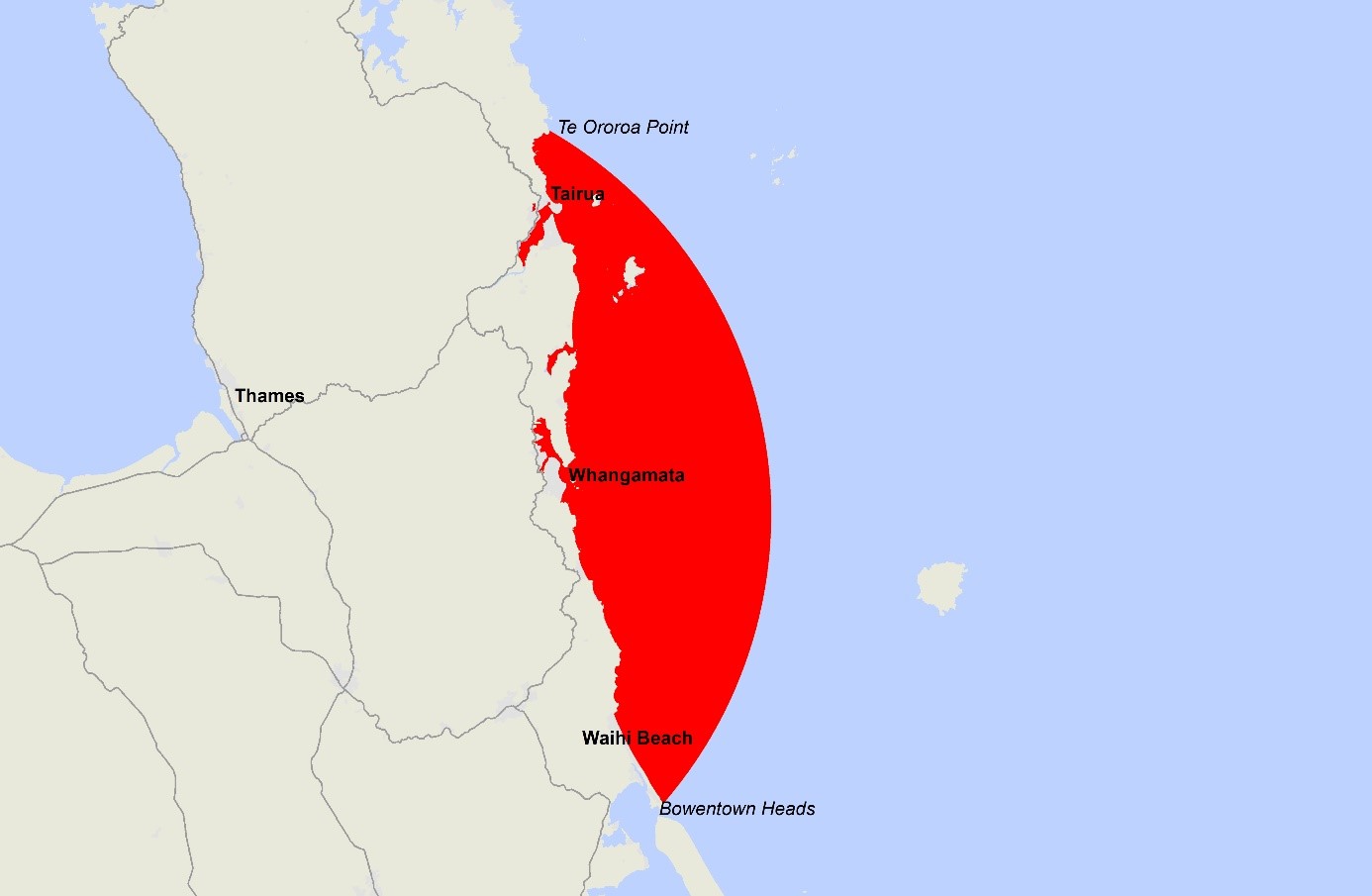
The Ministry for Primary Industries (MPI) today issued a public health warning advising the public not to collect or consume shellfish harvested from the Bay of Plenty/Waikato region from Te Ororoa Point, just north of Tairua, down to Bowentown Heads but not including Tauranga Harbour.
Routine tests on shellfish samples taken from this region have shown levels of Paralytic Shellfish Poisoning (PSP) toxins above the safe limit of 0.8 mg/kg set by MPI. Anyone eating shellfish from this area is potentially at risk of illness.
Mussels, oysters, tuatua, pipi, toheroa, cockles, scallops, catseyes, kina (sea urchin) and all other bivalve shellfish should not be eaten.
Note: Cooking shellfish does not remove the toxin.
Pāua, crab and crayfish may still be eaten if the gut has been completely removed prior to cooking, as toxins accumulate in the gut. If the gut is not removed its contents could contaminate the meat during the cooking process.
Symptoms typically appear between 10 minutes and 3 hours after ingestion and may include:
The state of Assam has prohibited the manufacture, storage, distribution and sale of Bailley brand packaged drinking water effective from January 18 citing violation of Food Safety and Standards Act, 2006.
It is learnt that some samples tested by Food and Drug Administration (FDA), Assam, were found violating biological parameters. Also there were issues with high fluoride content.
In this regard, a statement by the FDA says, “In the interest of public health, the packaged drinking water has been banned from production for a period of 30 days, effective today (January 18).”
The packaged drinking water in question is being manufactured by Udayak Agro Products Pvt. Ltd in Kahilakuchi, Satgaon in Guwahati, while the testing was done at various labs including reference lab in Kolkata.
Meanwhile, L R Nampui, designated officer, food safety, Kamrup (M), Guwahati, revealed that during a routine drive, it was found that the packaged water concerned was not complying with the norms.
He pointed out, “As a part of routine work, food safety officers set out on the duty with their team to M/s Udayak Agro Products Pvt. Ltd in Kahilakuchi, Satgaon in Guwahati and collected the samples of packaged drinking water in which fluoride and microbiological parameters were found in violation of the prescribed norms.”
He informed that the Assam government has given 30 days rectification time to the brand.
Bailley is a packaged drinking water brand of Parle Agro. When contacted, the company did not respond to queries.
A child has been hospitalised in Southern Australia as part of a Salmonella outbreak.
The outbreak has been traced to an early learning center and seven children aged up to four years are affected.
The Whyalla City Council said the cause and origin of the incident is currently unknown. Whyalla is in the Australian state of South Australia (SA).
“The City of Whyalla is working with SA Health to help identify the cause of a localized Salmonella outbreak involving children that attend a Whyalla early learning center,” according to a council statement.
“There have been no reported cases of Salmonella at the Council-run Whyalla Child Care Centre. Council health officers conduct regular checks of commercial and community food outlets and uphold a stringent set of regulations that all food outlets must abide by.”