
Category Archives: Toxin

Summary of the last two weeks RASFF Alerts – Aflatoxin – Blanched Groundnut Kernels – Basmati Rice -Ground Cumin -Nutmeg – Groundnuts- Peanuts – Coconut Oil – Peanut Halva

RASFF-Logo

RASFF – aflatoxins (B1 = 8.3; Tot. = 9.7 µg/kg – ppb) in blanched groundnut kernels from China in the UK

RASFF – aflatoxins (B1 = 3.60 µg/kg – ppb) in basmati rice from the Netherlands in Germany

RASFF – aflatoxins (B1 = 8.82; Tot. = 12.19 µg/kg – ppb) in ground cumin from Portugal in Luxembourg

RASFF – aflatoxins (B1 = 20; Tot. = 35 µg/kg – ppb) in nutmeg from Grenada in the Netherlands

RASFF – aflatoxins (B1 = 8.5; Tot. = 9 µg/kg – ppb) in groundnuts from the United States in Germany

RASFF – aflatoxins (B1 = 186; Tot. = 198 µg/kg – ppb) in peanuts in shell from the United States in Germany

RASFF – aflatoxins (B1 = 8; Tot. = 10 µg/kg – ppb) in coconut oil from India in switzerland

RASFF – aflatoxins (B1 = 7.5; Tot. = 8.6 µg/kg – ppb) in shelled groundnuts from the United States in the UK

RASFF – aflatoxins (B1 = 13.2; Tot. = 15.2 µg/kg – ppb) in almonds from the United States in Spain

RASFF – aflatoxins (B1 = 1.9 µg/kg – ppb) in peanut halva from Ukraine in Lithuania

RASFF – aflatoxins (B1 = 3.1 µg/kg – ppb) in groundnuts with shell from China in Spain
Summary of the last two weeks RASFF Alerts – Ochratoxin A – Raisins – Blanched Groundnut Kernels

RASFF-Logo

RASFF – ochratoxin A (20.2 µg/kg – ppb) in raisins from Turkey in the UK

RASFF – ochratoxin A (25 µg/kg – ppb) in blanched groundnut kernels from India in the Netherlands

Research – Deoxynivalenol and ochratoxin A in North Carolina grown organic wheat grains

Wiley Online

Abstract

The main safety issue of cereal grains is mycotoxin contamination. There is no published information about mycotoxin contamination of organic wheat in the United States. This study quantified the contents of deoxynivalenol (DON) and ochratoxin A (OTA), two frequently occurring mycotoxins, in organic wheat samples collected from six counties in North Carolina by enzyme‐linked immunosorbent assay (ELISA) and high‐performance liquid chromatography (HPLC). By ELISA, all samples were DON and OTA positive, and the DON contents in the flour and bran samples were 0.7–2.35 ppm and 5–8 ppm, respectively, while OTA in the flour and bran samples were 9.54–25.55 ppb and 21.67–32.55 ppb, respectively. By HPLC, the DON detected in flour and bran were 0.24–0.47 ppm and 0.35–0.83 ppm, respectively; all flour samples were OTA negative, but 5 out of 6 bran samples were OTA positive (0.48–1.28 ppb). More studies with larger sample number are needed to obtain representative results.

Practical applications

This study provides preliminary results about the DON and OTA in organic wheat grains. The results indicate that the organic wheat produced in North Carolina during 2018 season were contaminated by DON and OTA to various degrees. However, the concentrations of these two mycotoxins determined by ELISA were significantly higher than those determined by HPLC. Therefore, to avoid overestimation or underestimation, it is important for researchers and regulatory agencies to conduct multi‐lab studies to develop and standardize analytical methods and detailed procedures for accurate DON and OTA quantification. Regardless of analytical methods, all bran samples showed higher DON and OTA concentrations than flour samples. Thus, when using organic wheat bran or whole wheat as food or feed ingredients, the level of bran inclusion should be controlled to protect consumers and animals from mycotoxicosis.

RASFF Alerts – Ochratoxin A – Raisins – Pistachios – Raisin Fruit Filling – Dried Grapes –

RASFF-Logo

RASFF – ochratoxin A (20.6 µg/kg – ppb) in raisins from Turkey in the UK

RASFF – ochratoxin A (71 µg/kg – ppb) in pistachios from the United States in the Netherlands

RASFF – ochratoxin A (18 µg/kg – ppb) in raisins from Turkey in France

RASFF – ochratoxin A (19.7 µg/kg – ppb) in raisin fruit filling from the Czech Republic in the Czech Republic

RASFF – ochratoxin A (17 µg/kg – ppb) in dried grapes from Turkey in France

RASFF – ochratoxin A (53 µg/kg – ppb) in pistachios from the United States in the Netherlands

RASFF Alerts – Aflatoxin – Blanched Groundnuts – Shelled Peanuts – Nutmeg – Peanuts

RASFF-Logo

RASFF – aflatoxins (B1 = 11.0; Tot. = 12.7 µg/kg – ppb) in blanched groundnut kernels from China in the UK

RASFF – aflatoxins (B1 = 204; Tot. = 244 µg/kg – ppb) in shelled peanuts from Angola in Portugal

RASFF – aflatoxins (B1 = 12; Tot. = 12 µg/kg – ppb) in nutmeg from Indonesia in the Netherlands

RASFF – aflatoxins (B1 = 7.1; Tot. = 8.6 µg/kg – ppb) in peanuts from Brazil in Spain

New Zealand – Shellfish biotoxin alert – Taranaki/Waikato coastline

MPI

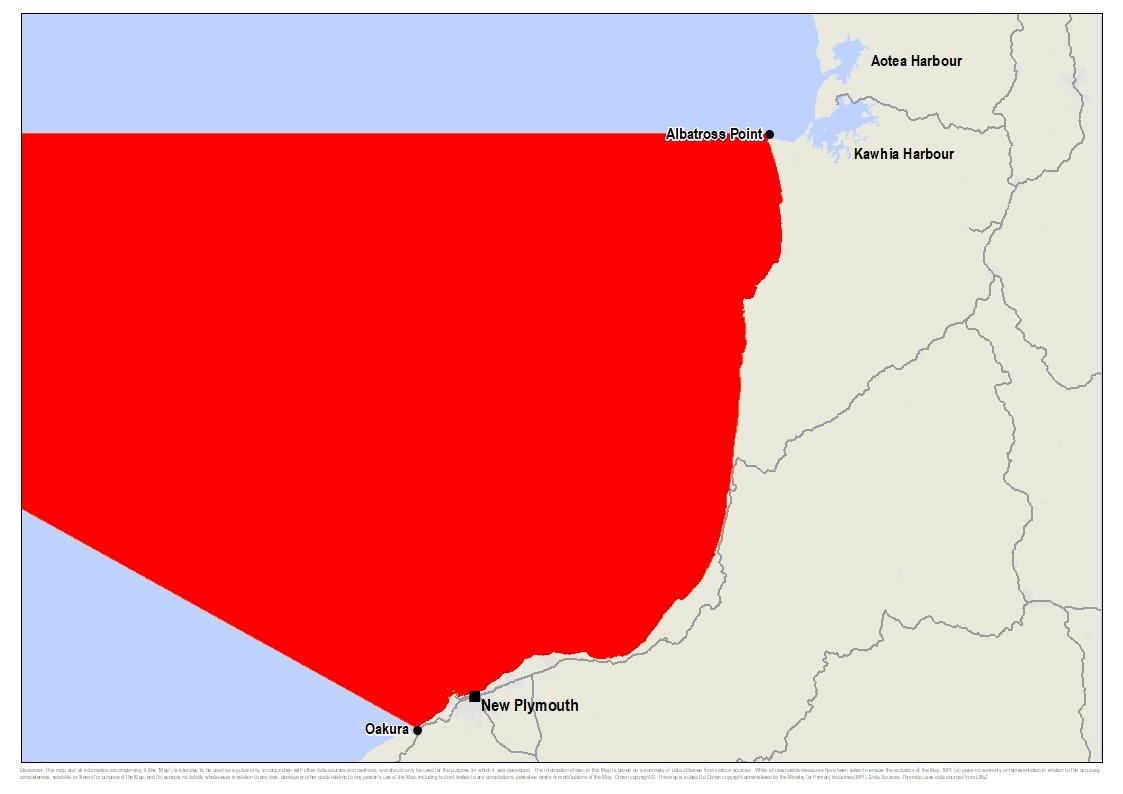
The Ministry for Primary Industries (MPI) today issued a public health warning advising the public not to collect or consume shellfish harvested on the West Coast (Taranaki/Waikato) of the North Island between Oakura north to Albatross Point south of Kawhia Harbour.

Routine tests on shellfish samples taken from this region have shown levels of Paralytic Shellfish Poisoning (PSP) toxins above the safe limit of 0.8 mg/kg set by MPI. Anyone eating shellfish from this area is potentially at risk of illness.

Map highlighting in red the areas affected.

Mussels, oysters, tuatua, pipi, toheroa, cockles, scallops, catseyes, kina (sea urchin) and all other bivalve shellfish should not be eaten.

Note: Cooking shellfish does not remove the toxin.

Pāua, crab and crayfish may still be eaten if the gut has been completely removed prior to cooking, as toxins accumulate in the gut. If the gut is not removed its contents could contaminate the meat during the cooking process.

New Zealand – Shellfish biotoxin alerts – Hawkes Bay

MPI

The Ministry for Primary Industries (MPI) today issued a public health warning advising the public not to collect or consume shellfish harvested from the Hawkes Bay Coast between Mahanga Beach south to Porangahau Beach.

Routine tests on shellfish samples taken from this region have shown levels of Paralytic Shellfish Poisoning (PSP) toxins above the safe limit of 0.8 mg/kg set by MPI. Anyone eating shellfish from this area is potentially at risk of illness.

Map highlighting in red the areas affected.

Mussels, oysters, tuatua, pipi, toheroa, cockles, scallops, catseyes, kina (sea urchin) and all other bivalve shellfish.

Note, cooking shellfish does not remove the toxin.

Pāua, crab and crayfish may still be eaten if the gut has been completely removed prior to cooking, as toxins accumulate in the gut. If the gut is not removed its contents could contaminate the meat during the cooking process.

USA – Animal Feed Recalled Due to Aflatoxin Test Results Exceeding FDA Action Levels

WebWire

In May, the U.S. Food and Drug Administration (FDA) posted information about one company’s voluntary recall of 14 animal feed products produced in late 2018 and early 2019. The products were produced for consumption by everything from cows and horses to sheep and poultry.

According to the recall notice, the feed manufacturer first learned of the issue when it received notification from the North Carolina Department of Agriculture of test results showing that a single lot of a specific product contained elevated levels of aflatoxin. The recall involved products manufactured and sold in the eastern United States. These products were removed from retail shelves earlier this year and the company reports no adverse health effects to animals had been reported at the time of the recall notice.

RASFF Alerts – Aflatoxin – Groundnuts -Peanut Butter – Mixed Nuts – Dried Fig Cubes – Cayenne Pepper – Hazlenut Kernels – Pistchios – Chilli Powder – Dried Figs

RASFF-Logo

RASFF – aflatoxins (B1 = 2.6; Tot. = 3.3 µg/kg – ppb) in groundnuts with shell from Argentina in the UK

RASFF – aflatoxins (B1 = 149.1; Tot. = 168.55 µg/kg – ppb) in groundnuts from the United States in Slovakia

RASFF – aflatoxins in organic peanut butter from the Netherlands, with raw material from Germany in the Netherlands

RASFF – aflatoxins (B1 = 15; Tot. = 17.9 µg/kg – ppb) in groundnuts from Egypt in Italy

RASFF – aflatoxins (B1 = 3.1; Tot. = 3.7 µg/kg – ppb) in mixed nuts from Turkey in France

RASFF – aflatoxins (B1 = 11.1; Tot. = 16.6 µg/kg – ppb) in dried fig cubes from Turkey in France

RASFF – aflatoxins (B1 = 9.1; Tot. = 18.5 µg/kg – ppb) in dried figs cubes from Turkey in France

RASFF – aflatoxins (B1 = 7.8 µg/kg – ppb) in groundnuts with shell from India in the UK

RASFF – aflatoxins (B1 = 90; Tot. = 103 µg/kg – ppb) in ground nuts from China in Belgium

RASFF – aflatoxins (B1 = 11.1; Tot. = 11.6 µg/kg – ppb) in Cayenne pepper powder from India in the UK

RASFF – aflatoxins (B1 = 7.2 mg/kg – ppm) in hazelnut kernels from Georgia in Greece

RASFF – aflatoxins (B1 = 106.19; Tot. = 117.01 µg/kg – ppb) in pistachios with shell from the United States, dispatched from Turkey in Italy

RASFF – aflatoxins (B1 = 7.6 µg/kg – ppb) in chili powder from India in Belgium

RASFF – aflatoxins (B1 = 13.5; Tot. = 15.5 µg/kg – ppb) in groundnuts with shell from China in Spain

RASFF – aflatoxins (B1 = 21; Tot. = 29 µg/kg – ppb) in dried figs from Turkey in France

Canada – Certain Pacific Oysters may be unsafe due to a marine biotoxin which causes Paralytic Shellfish Poisoning

CFIA

Recall details

Ottawa, July 19, 2019 – Industry is recalling certain Pacific oysters from the marketplace due to a marine biotoxin which causes Paralytic Shellfish Poisoning. Consumers should not consume the recalled products described below.

Recalled products

Brand Name Common Name Size Code(s) on Product Additional Info
Union Bay Seafood Ltd. Pacific oysters, Mica’s Petite Effingham Inlet 5 dozen Location: BC 23-6
Landfile: 1403799
Lot: 20190715NW
Harvest Date:14 July 2019
Union Bay Seafood Ltd. Pacific oysters Effingham Inlet Xs 5 dozen Location: BC 23-6
Landfile: 1403799
Lot: 20190715NW
Harvest Date:14 July 2019
Intercity Packers Ltd. Oyster N/Shell Effingham XSM 5 dozen Harvest Location: BC 23-6
LF#: 1403799
P.O. No.: 114994
Harvest Date:7/14/2019