
KSWFoodWorld
Category Archives: Salmonella
Israel – Notice to consumers OATMEAL SQUARES Oat-based square breakfast cereal with brown sugar produced in a Quaker factory in the USA – Salmonella
Posted in food contamination, food handler, Food Hazard, Food Hygiene, Food Inspections, Food Micro Blog, Food Microbiology, Food Microbiology Blog, Food Microbiology Testing, Food Pathogen, Food Quality, food recall, Food Safety, Food Safety Alert, Food Safety Management, Food Safety Regulations, Salmonella
Luxembourg – Mettwurst from the Cobolux brand
The following product is recalled in Luxembourg:
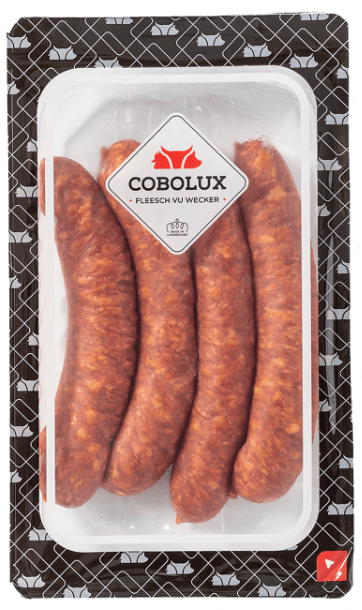
| Name | Mettwurst |
| Brand | Cobolux |
| Unit | x2, x4, x6, x10, x25, Bulk |
| Product Appearance | Mettwurst necklace, Mettwurst Apéro, Mettwurst Cocktail, Plastic tray. |
| DLC/DDM | 01/31/2024 |
| Batch | 20231229 |
| Sales period | 02.-10.01.2024 |
Danger : Possible presence of Salmonella
Salmonella can cause symptoms such as nausea, vomiting, abdominal cramps, diarrhea, fever and headache within 6 to 72 hours after consumption. These symptoms may be aggravated in young children, immunocompromised individuals and the elderly. People who have consumed these products and present these symptoms are invited to consult a doctor and report this consumption.
The product can be distributed by different points of sale in Luxembourg.
Information Source: Recall Notification
Posted in food contamination, food handler, Food Hazard, Food Hygiene, Food Inspections, Food Micro Blog, Food Microbiology, Food Microbiology Blog, Food Microbiology Testing, Food Pathogen, Food Quality, food recall, Food Safety, Food Safety Alert, Food Safety Management, Food Safety Regulations, Food Testing, Salmonella
France – Various Whole Turkey Ready to Cook Products – Listeria monocytogenes
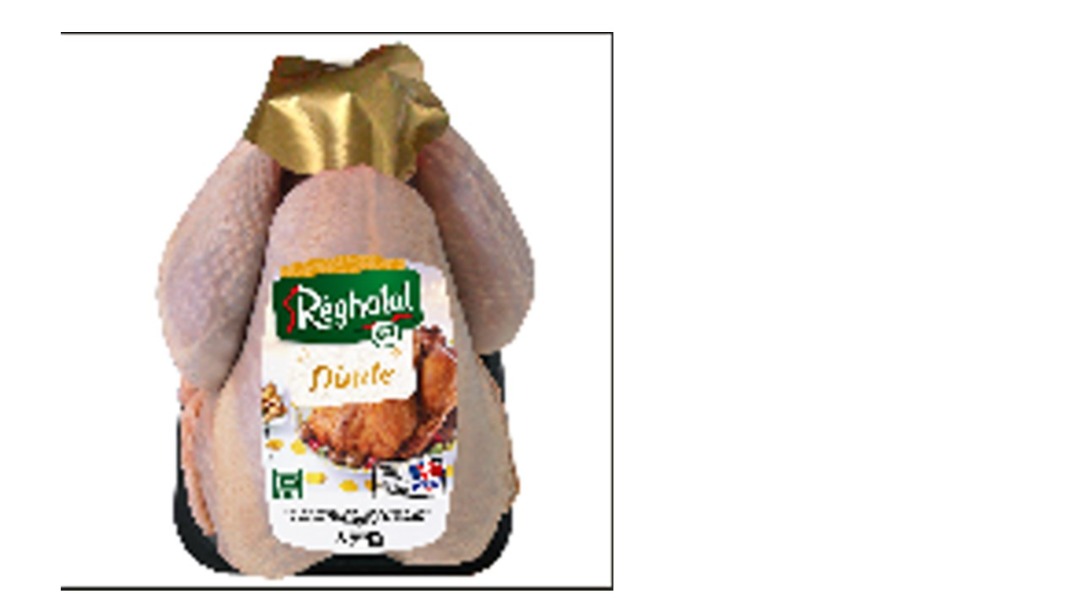
READY TO COOK TURKEY
Brand: REGHALAL
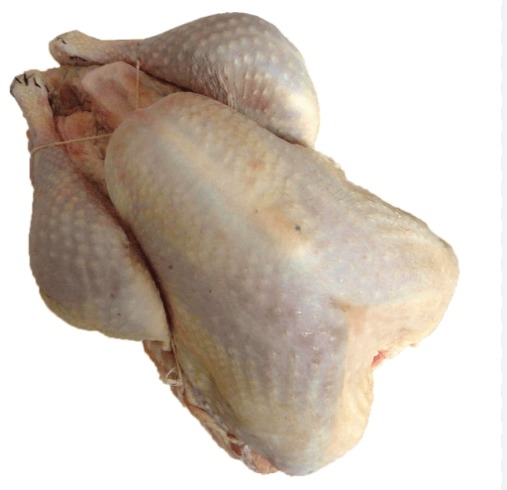
Turkey Ready to Cook
Brand: AUTHENTIC HALAL

Turkey Ready to Cook
Brand: AUTHENTIC HALAL
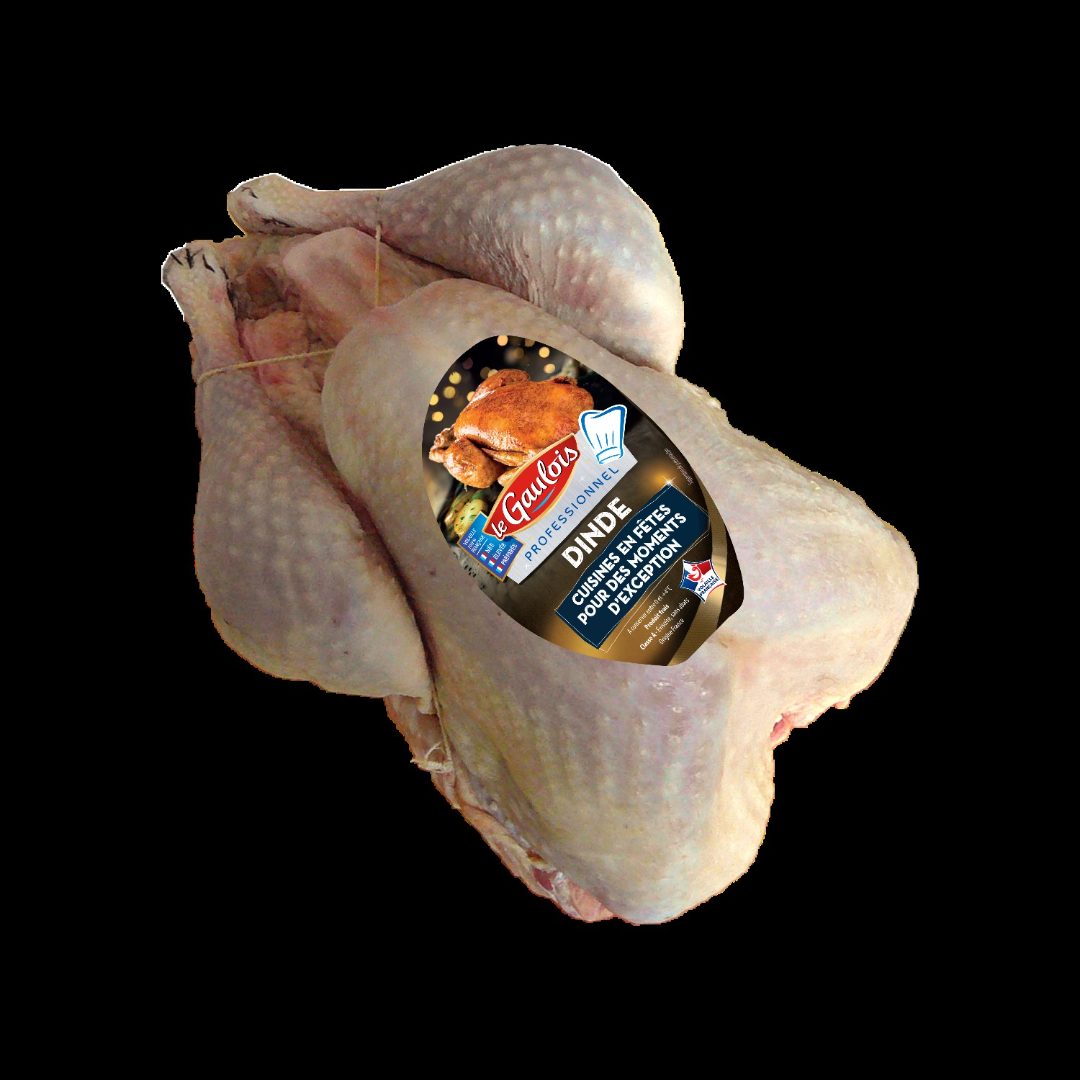
Turkey Ready to Cook
Brand: LE GAULOIS PRO
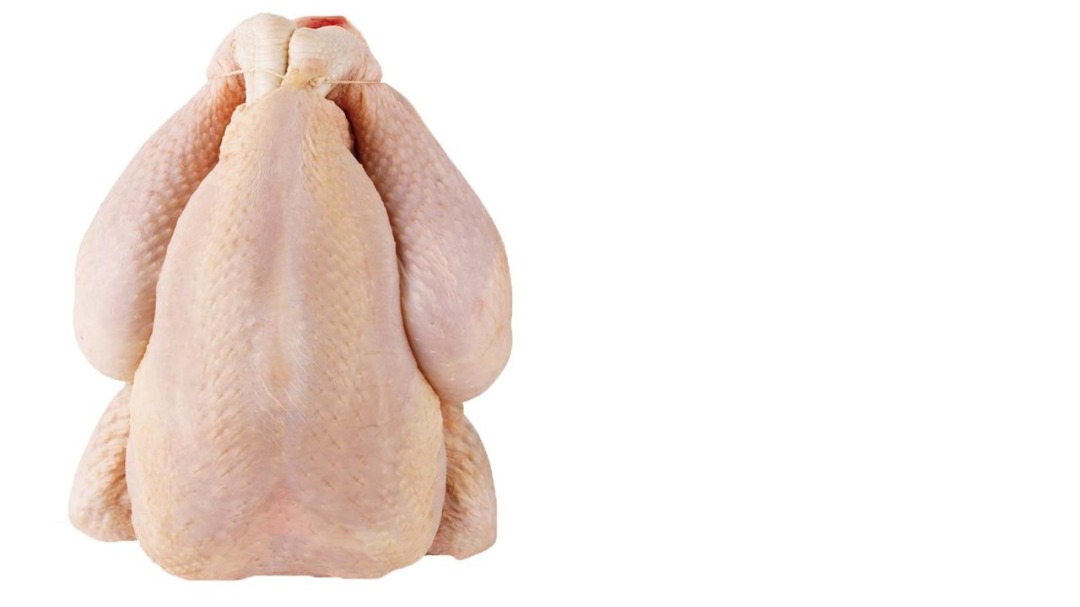
TURKEY READY TO COOK NAKED
Brand: LE GAULOIS PROFESSIONAL
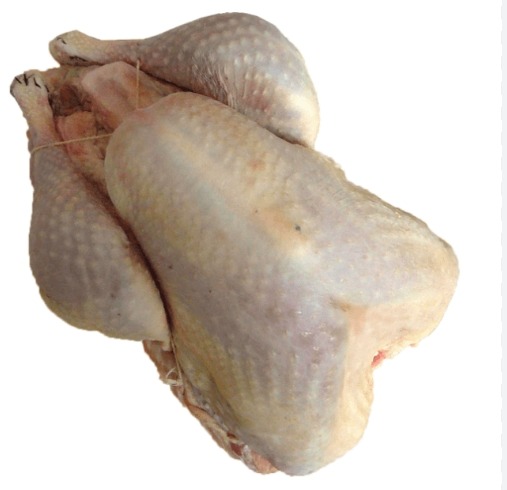
Turkey Ready to Cook
Brand: HALAL MEDINA

Turkey Ready to Cook
Brand: REMIN RAMON POULTRY
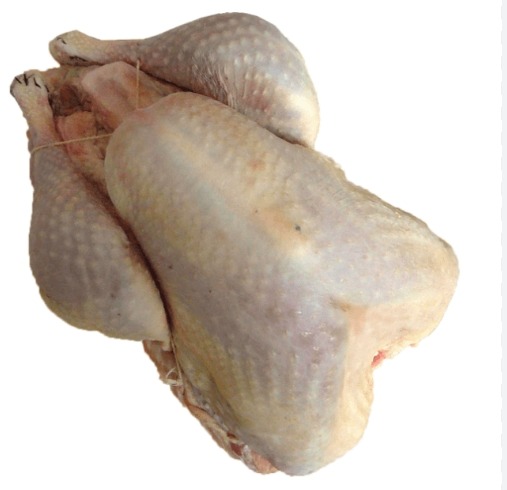
Turkey Ready to Cook
Brand: FINE FRANCE
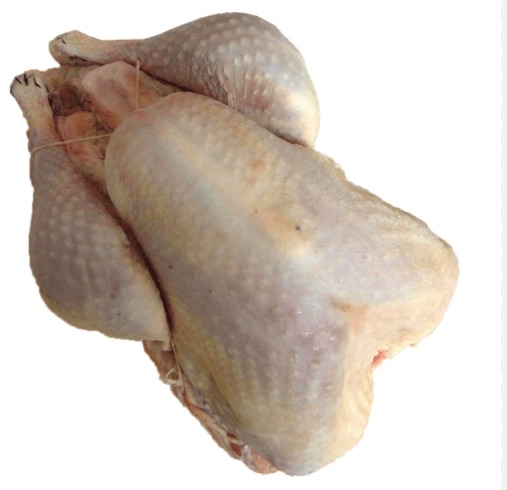
Turkey Ready to Cook
Brand: LE GAULOIS PRO
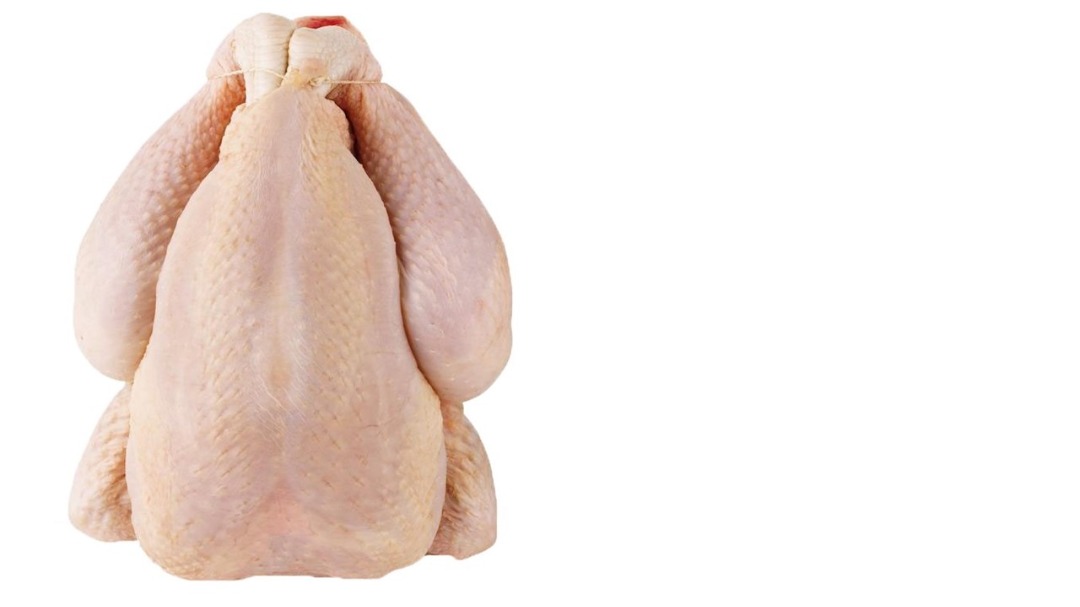
READY TO COOK TURKEY
Brand: LE GAULOIS PROFESSIONAL
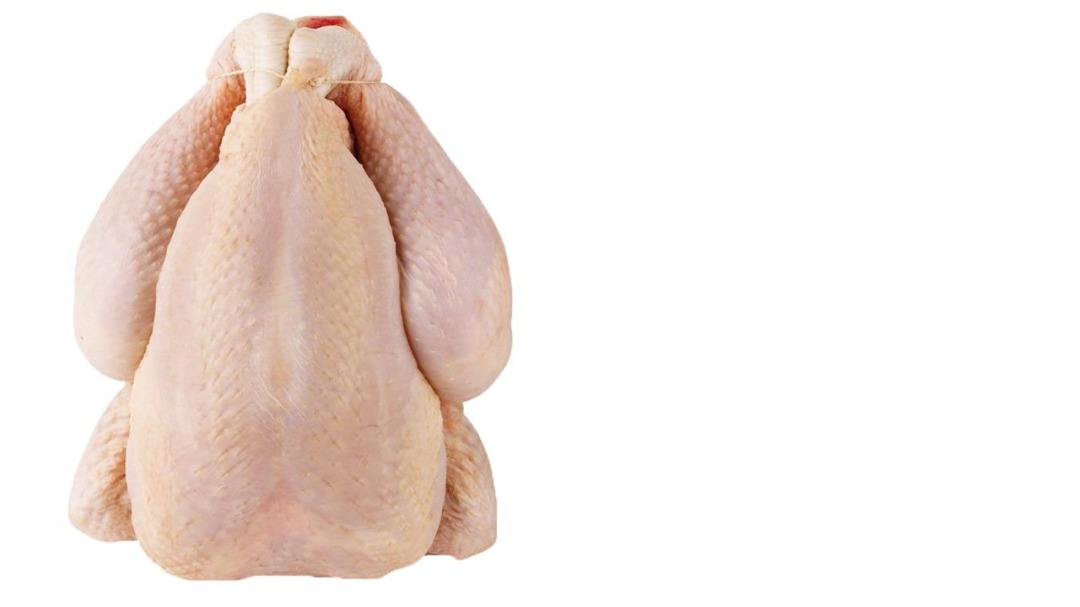
READY TO COOK TURKEY
Brand: LE GAULOIS PROFESSIONAL
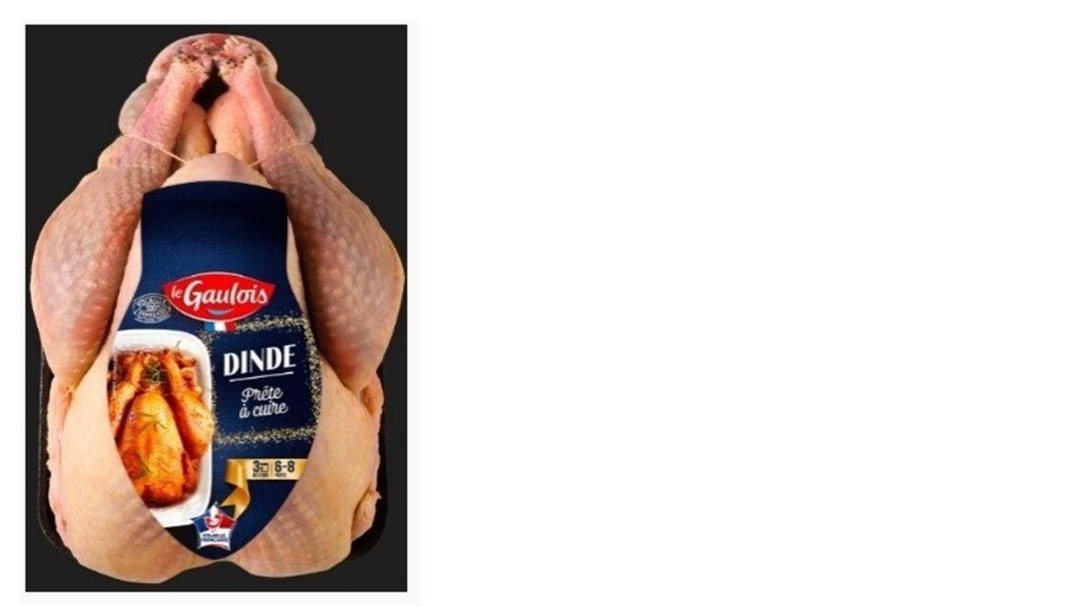
READY TO COOK TURKEY
Brand: LE GAULOIS
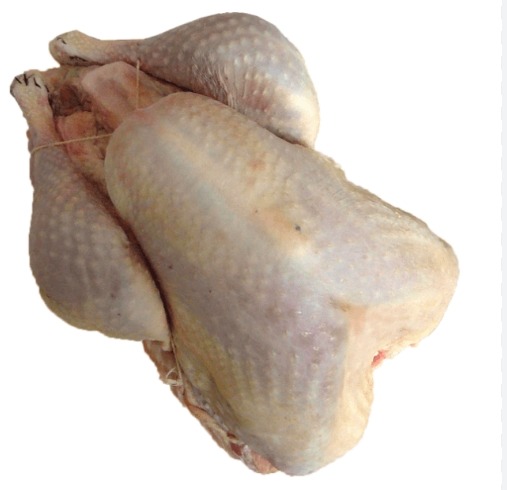
Turkey Ready to Cook
Brand: LE GAULOIS PRO
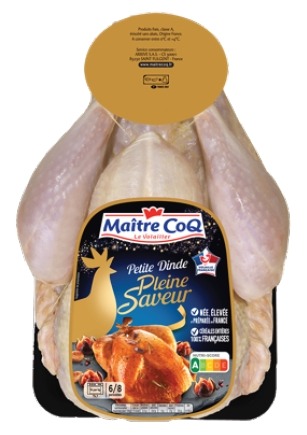
Little Turkey
Brand: MAÎTRE COQ
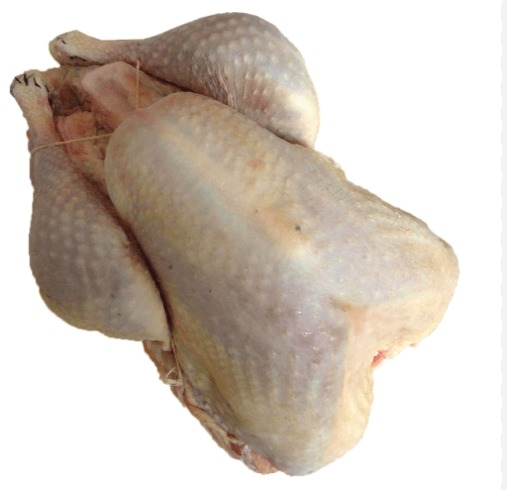
Turkey Ready to Cook
Brand: SELECTION DU POULTRY
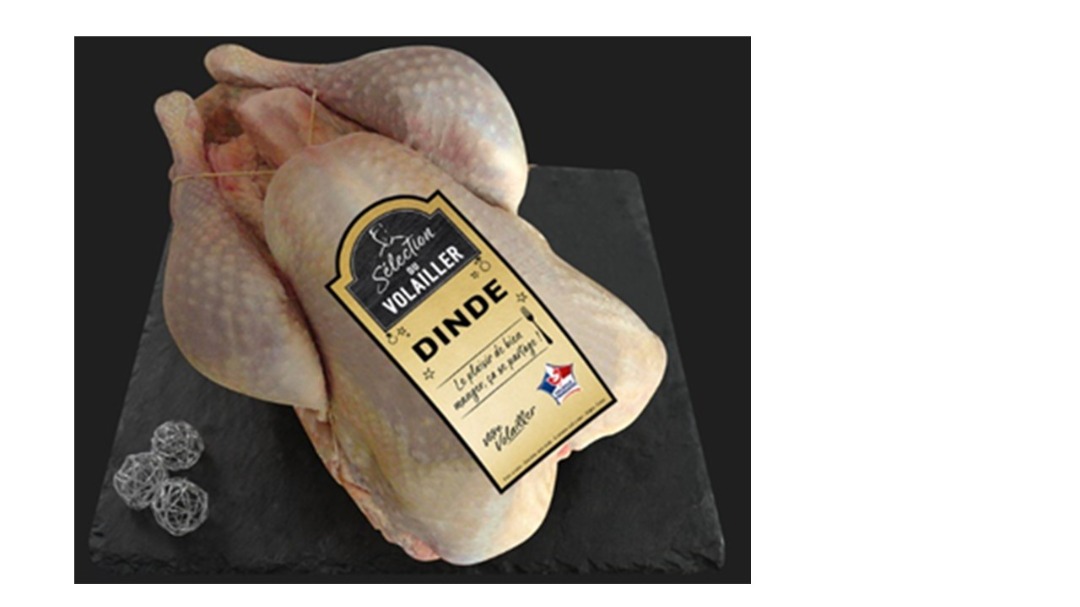
TURKEY READY TO COOK NAKED
Brand: SELECTION DU POULTRY
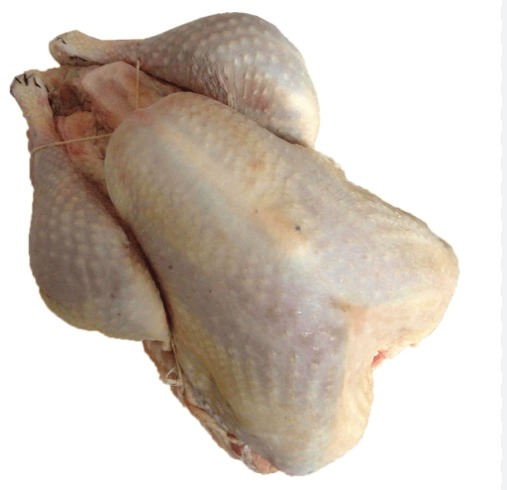
Turkey Ready to Cook
Brand: COLRUYT
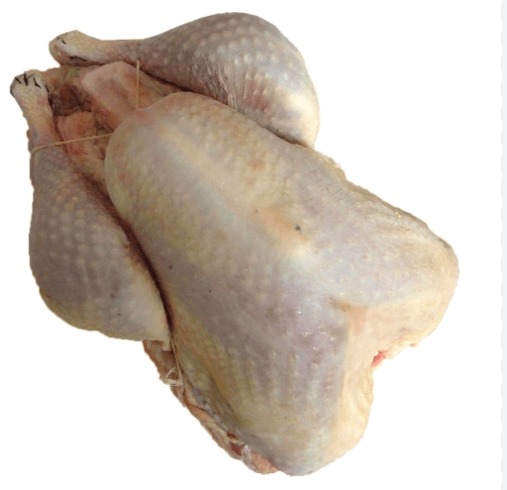
Turkey Ready to Cook
Brand: HALAL MEDINA
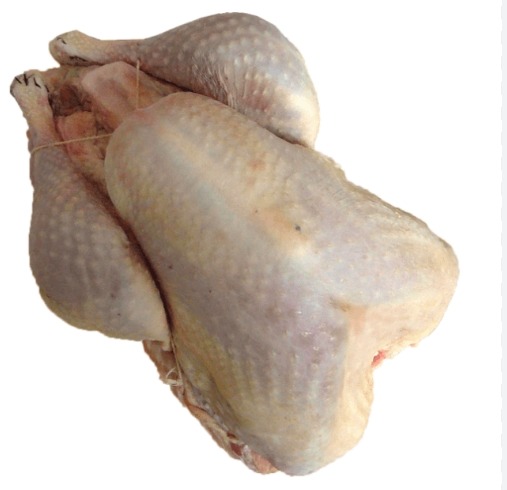
Turkey Ready to Cook
Brand: VICOMTE PRO
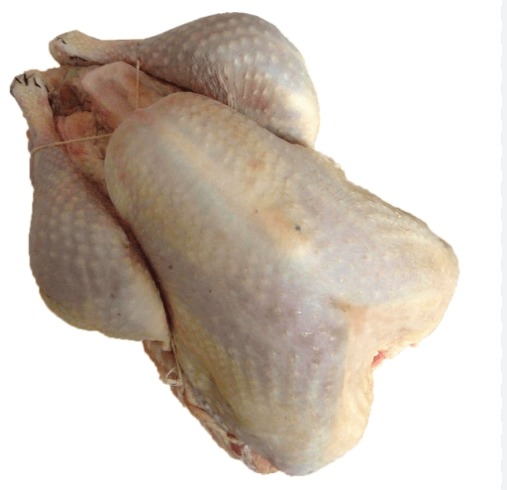
Turkey Ready to Cook
Brand: COLRUYT
Posted in food contamination, food handler, Food Hazard, Food Hygiene, Food Inspections, Food Micro Blog, Food Microbiology, Food Microbiology Blog, Food Microbiology Testing, Food Pathogen, Food Quality, food recall, Food Safety, Food Safety Alert, Food Safety Management, Food Safety Regulations, Food Testing, Salmonella
Canada – Various parfait and yogurt bowls recalled due to Salmonella
Summary
Product
Various parfait and yogurt bowls
Issue
Food – Microbial Contamination – Salmonella
What to do
Do not consume, use, sell, serve or distribute recalled products
Distribution
National
Issue
The affected products are being recalled from the marketplace due to possible Salmonella contamination. These products were made using granola recalled by Quaker Canada on January 11, 2024.
List of Loblaw banners:
- Atlantic: Atlantic Superstore, Dominion, Atlantic Your Independent Grocer, Wholesale Club
- Quebec: Provigo, Maxi, Wholesale Club
- Ontario: Superstore, Fortinos, Loblaw, Valu-Mart, Your Independent Grocer, Zehrs
- Western Canada: Superstore, Your Independent Grocer, Extra Foods, Wholesale Club
List of Sobeys banners:
- Atlantic: Coop, Foodland, Sobeys
- Quebec: IGA, IGA Extra, IGA Express, IGA Mini, Tradition, Bonichoix, Bonisoir, Omni, Voisin, Rachelle-Béry
- Ontario: Foodland, Sobeys
- Western Canada: IGA, Safeway, Sobeys, Thrifty Foods
What you should do
- If you think you became sick from consuming a recalled product, contact your healthcare provider
- Check to see if you have recalled products
- Do not consume, serve, use, sell, or distribute recalled products
- Recalled products should be thrown out or returned to the location where they were purchased
Food contaminated with Salmonella may not look or smell spoiled but can still make you sick. Young children, pregnant women, the elderly and people with weakened immune systems may contract serious and sometimes deadly infections. Healthy people may experience short-term symptoms such as fever, headache, vomiting, nausea, abdominal cramps and diarrhea. Long-term complications may include severe arthritis.
Posted in CFIA, food contamination, food handler, Food Hazard, Food Hygiene, Food Inspections, Food Micro Blog, Food Microbiology, Food Microbiology Blog, Food Microbiology Testing, Food Pathogen, Food Quality, food recall, Food Safety, Food Safety Alert, Food Safety Management, Food Testing, Salmonella
Research – Salmonella in horses at slaughter and public health effects in Italy
Abstract
The study assessed the role of equids at slaughter as faecal carriers of Salmonella enterica and the occurrence of contaminated equid carcasses during the slaughter process in Northern Italy (Emilia-Romagna Region). From June to November 2021, 152 equids (146 horses, 5 donkeys and 1 mule) were tested for Salmonella both in caecal contents and through carcass swabs. Antimicrobial resistance (AMR) of recovered strains was tested against 15 antimicrobials. Salmonella was detected in 3/152 of the caecal contents (2.0 %), while all carcass samples were negative. S. enterica serovars Enteriditis, Typhimurium and Stanleyville were identified. The only AMR isolate was S. Typhimurium with AMR profile AmCStxT.
Considering the consumption of raw horse meat (i.e., minced raw meat named “pesto di cavallo” and dried and smoked strips named “sfilacci di cavallo”) in different areas of Northern Italy, we also investigated the possible link between horse meat eating and salmonellosis cases in the human population in the same area. Specifically, we compared the Salmonella strains collected during the study with those routinely processed in the laboratory surveillance system for human salmonellosis in Emilia-Romagna (a region with about 4.5 million inhabitants). The comparison was based on whole genome sequencing data through core genome multi-locus sequence typing (cgMLST) used in routine surveillance. A genomic match in cgMLST was found between the strain of S. enterica serovar Enteritidis isolated from a horse caecal content and an enduring outbreak of 17 human cases in Emilia-Romagna during the study period. The consequent epidemiological investigation highlighted that a number of cases with known food history reported the consumption of horse meat and traced different batches of the consumed meat, released weeks apart from each other, to the slaughter investigated in the study. The results of the epidemiological investigation suggested the role of horses in the S. enterica serovar Enteritidis outbreak affecting raw horse meat consumers.
This study shows that, despite the low prevalence on equid carcasses, S. enterica in horse meat can represent a risk to consumers. From the perspective of the slaughter activities, this highlights the need to maintain a high level of hygiene during the entire process, starting from the hygiene at lairage up to the slaughtering phase and dressing of carcasses.
Research – Measures for the control of non-typhoidal Salmonella spp.in poultry meat
FAO & WHO. 2023. Measures for the control of non-typhoidal Salmonella spp. in poultry meat – Meeting report. Microbiological Risk Assessment Series, No. 45. Rome. https://doi.org/10.4060/cc9026e
Executive summary
Scope and objectives
In response to a request from the 52nd Session of the Codex Committee on Food
Hygiene (CCFH), the FAO/WHO Joint Expert Meetings on Microbiological
Risk Assessment (JEMRA) convened a meeting in Geneva, Switzerland from 12 to 16
September 2022, to collate and assess the most recent scientific information
relating to the control of non-typhoidal (NT)-Salmonella spp. in chicken meat,
including a review of the Codex Guidelines for the Control of Campylobacter
and Salmonella in Chicken Meat (CXG 78-2011). 1 The group of subject matter
experts reviewed the available data on NT Salmonella spp. control in the broiler
production chain, including scientific literature published since 2008 and
data submitted in response to a call for data for this meeting. The experts: 1)
determined the extent to which various control measures, good hygiene practices
(GHPs) or hazard-based control measures (targeted to reduce NT-Salmonella
spp.), provided adequate evidence for assessing their efficacy; 2) evaluated the
impact or efficacy of control measures relevant to NT-Salmonella spp. in the
broiler production chain, noting the variability of the impact reviewed and
recommended revisions to the Guidelines for the Control of Campylobacter and
Salmonella in Chicken Meat (CXG 78-2011), Paragraphs 1 to 114, based on the
evidence currently available (Annex 3).
Based on evaluation criteria such as the number, quality, applicability and
representativeness of reports and research on a particular intervention available
for screening, many control measures lacked sufficient evidence to allow the
experts to assess their effectivness.
Research Bio- Mapping Salmonella and Campylobacter Loads in Three Commercial Broiler Processing Facilities in the United States to Identify Strategic Intervention Points
Abstract
The poultry industry in the United States is one of the largest in the world. Poultry consumption has significantly increase since the COVID-19 pandemic and is predicted to increase over 16% between 2021 and 2030. Two of the most significant causes of hospitalizations and death in the United States are highly related to poultry consumption. The FSIS regulates poultry processing, enforcing microbial performance standards based on Salmonella and Campylobacter prevalence in poultry processing establishments. This prevalence approach by itself is not a good indicator of food safety. More studies have shown that it is important to evaluate quantification along with prevalence, but there is not much information about poultry mapping using quantification and prevalence. In this study, enumeration and prevalence of Salmonella and Campylobacter were evaluated throughout the process at three different plants in the United States. Important locations were selected in this study to evaluate the effect of differences interventions. Even though there were high differences between the prevalences in the processes, some of the counts were not significantly different, and they were effective in maintaining pathogens at safe levels. Some of the results showed that the intervention and/or process were not well controlled, and they were not effective in controlling pathogens. This study shows that every plant environment is different, and every plant should be encouraged to implement a bio-mapping study. Quantification of pathogens leads to appropriate risk assessment, where physical and chemical interventions can be aimed at specific processing points with higher pathogen concentrations using different concentrations of overall process improvement.
Research – Multinational collaboration in solving a European Salmonella Braenderup outbreak linked to imported melons, 2021
Multinational food-borne outbreak investigations require cross-sectoral collaboration not only at the local, regional and national level, but also across countries. This typically involves a number of organisations such as health authorities, regulatory food and veterinary authorities, central and regional laboratories as well as clinicians. Successful outbreak investigation is built on a coordinated approach at all regulatory and administrative levels. This paper presents an example of how a coordinated effort with cross-national collaboration was beneficial in solving a multinational outbreak of Salmonella Braenderup in Europe in the spring of 2021.
S. Braenderup is a serovar of Salmonella enterica subsp. enterica, which causes symptoms of gastrointestinal illness including abdominal cramps, diarrhoea, nausea and fever [1]. S. Braendrup ranked 19th among Salmonella serovars reported to the European Surveillance System (TESSy) between 2015 and 2019 and around 300 cases of S. Braenderup in the EU/EEA are reported each year.
USA – Update: Quaker Issues Revised Recall Notice with Additional Products Due to Possible Health Risk
Summary
- Company Announcement Date:
- FDA Publish Date:
- Product Type:
- Food & Beverages
- Reason for Announcement:
-
Potential for Salmonella contamination
- Company Name:
- The Quaker Oats Company
- Brand Name:
-
Multiple brand names
- Product Description:
-
Cereal, bars, and snacks
Company Announcement
A previous press release was issued on 12/15/2023. This new press release is to communicate additional products due to possible health risk.
CHICAGO, Illinois – January 11, 2024 – The Quaker Oats Company today announced an expansion of the December 15, 2023, recall to include additional cereals, bars and snacks listed below because they have the potential to be contaminated with Salmonella, an organism which can cause serious and sometimes fatal infections in young children, frail or elderly people, and others with weakened immune systems. Healthy persons infected with Salmonella often experience fever, diarrhea (which may be bloody), nausea, vomiting and abdominal pain. In rare circumstances, infection with Salmonella can result in the organism getting into the bloodstream and producing more severe illnesses such as arterial infections (i.e., infected aneurysms), endocarditis and arthritis.
The products listed in the link above are sold throughout the 50 United States, Puerto Rico, Guam and Saipan. Consumers should check their pantries for any of the products listed below and dispose of them. Additionally, consumers with any product noted below can contact Quaker Consumer Relations (9 a.m. – 4:30 p.m. CST, Mon.-Fri.) at 1-800-492-9322 or visit www.QuakerRecallUSA.comExternal Link Disclaimer for additional information or product reimbursement.
Consumers can scan the SmartLabel QR code on the product package to determine if it has been recalled. Click here for information on how to use SmartLabel.External Link Disclaimer
Quaker has informed the FDA of our actions.
This recall applies to the specific products listed below, in addition to the products announced on December 15, 2023. A combined list of recalled products is available on www.QuakerRecallUSA.comExternal Link Disclaimer.
Posted in food contamination, food handler, Food Hazard, Food Hygiene, Food Inspections, Food Micro Blog, Food Microbiology, Food Microbiology Blog, Food Microbiology Research, Food Microbiology Testing, Food Pathogen, food recall, Food Safety, Food Safety Alert, Food Safety Management, Food Safety Regulations, Food Testing, product recall, Recall, Salmonella
Canada – Quaker brand granola bars and cereals and Cap’n Crunch brand Treat Bars – Berry Bar recalled due to Salmonella
Product
Granola bars and cereals
Issue
Food – Microbial Contamination – Salmonella
What to do
Do not consume, use, sell, serve, or distribute recalled products
Distribution
National
Online
Issue
The affected products are being recalled from the marketplace due to possible Salmonella contamination.
What you should do
- If you think you became sick from consuming a recalled product, contact your healthcare provider
- Check to see if you have recalled products
- Do not consume, serve, use, sell, or distribute recalled products
- Recalled products should be thrown out or returned to the location where they were purchased
Food contaminated with Salmonella may not look or smell spoiled but can still make you sick. Young children, pregnant women, the elderly and people with weakened immune systems may contract serious and sometimes deadly infections. Healthy people may experience short-term symptoms such as fever, headache, vomiting, nausea, abdominal cramps and diarrhea. Long-term complications may include severe arthritis.
Posted in food contamination, food handler, Food Hazard, Food Hygiene, Food Inspections, Food Micro Blog, Food Microbiology, Food Microbiology Blog, Food Microbiology Testing, Food Pathogen, Food Quality, food recall, Food Safety, Food Safety Alert, Food Safety Management, Food Safety Regulations, Food Testing, Salmonella

 FoodWorld