Category Archives: Salmonella

Danish Salmonella outbreak traced to English beef

Food Safety News

Imported beef is to blame for a Salmonella outbreak that has sickened more than 50 people, according to Danish officials.

Since March, 51 people in Denmark have been infected with the same type of Salmonella, said the Statens Serum Institut (SSI).

The Salmonella Typhimurium outbreak has sickened 31 men and 20 women. Patients are between the ages of less than 1 year old to 83 years old with a median age of 37. They live throughout the country. 18 people have been hospitalized but no deaths have been recorded.

Vietnam – Hundreds sick in Vietnam after eating at a bakery – Salmonella?

Food Safety News

Almost 550 people have fallen sick in a large food poisoning outbreak in Vietnam.

People were taken ill after eating at a bakery in Long Khánh, a city in Đồng Nai Province.

In the past week, 547 people were sickened, according to the Dong Nai Department of Health.

An inspection by authorities found the bakery did not have a business license or an eligible food safety certificate. Four employees did not have a certificate of food safety training or a health certificate.

A meeting with local food producers and traders earlier this week revealed that only around 20 percent of 132 bakery outlets in Long Khánh have business licenses. In 2023, a training session was organized for food businesses in the area. The owner of Co Bang bakery attended but was not given a certificate on food safety.

Hospitals conducted test results on 29 patient samples, and the Ho Chi Minh City Institute of Public Health recorded 16 positives for two Salmonella and E. coli strains, and nine samples were positive for E. coli.

Results from food samples taken at the implicated bakery by the Ho Chi Minh City Institute of Public Health recorded Salmonella positives in four of eight samples.

Officials said these findings mean it can be concluded that Salmonella caused the food poisoning.

Canada – Yogurt and milk chocolate covered pretzels recalled in Canada over Salmonella contamination

Food Safety News

Huer Foods Inc. is recalling Western Family brand yogurt covered pretzels and milk chocolate covered pretzels because of possible Salmonella contamination.

Food contaminated with Salmonella bacteria does not usually look, smell, or taste spoiled. Anyone can become sick with a Salmonella infection. Infants, children, seniors, and people with weakened immune systems are at higher risk of serious illness because their immune systems are fragile, according to the CDC.

Anyone who has eaten any of the recalled products and developed symptoms of Salmonella infection should seek medical attention. Sick people should tell their doctors about the possible exposure to Salmonella bacteria because special tests are necessary to diagnose salmonellosis. Salmonella infection symptoms can mimic other illnesses, frequently leading to misdiagnosis.

USA – Hy-Vee Cream Cheese Spreads and Cookies & Cream Mix recalled over Salmonella concerns

Food Safety News

Hy-Vee, Inc. of West Des Moines, IA, is recalling two varieties of its Hy-Vee Cream Cheese Spread and its bulk-packaged Cookies & Cream Mix because of potential Salmonella contamination.

These products are manufactured at different third-party facilities around the Midwest and are sold under HyVee’s private label and bulk packaging programs. The manufacturers of these products notified Hy-Vee of the potential issue.

The affected products were distributed to Hy-Vee, Hy-Vee Drugstore and Dollar Fresh Market

Denmark – Salmonella in ground beef

Foedevarestyrelsen

Hilton Foods Danmark A/S is recalling ground beef as it may contain Salmonella. If you have the product, you should discard it or return it to the store where it was purchased. (Edited on 10-05-2024, with help for consumers regarding slaughter in England)

Which foods are recalled

Minced Beef 8-12% 450 g

EAN: 5700380825600

Minced Beef 8-12% 500 g

EAN: 5700381638551

 Minced Beef 8-12% 600 g

EAN: 5700382774388

 Minced Beef 8-12% 250 g

EAN: 5700380838990

 Minced Beef 8-12% 1200 g

5715348091904

 Minced Beef 5-8% 700 g

EAN: 5700384578472

 Minced Beef 5-8% 700 g

5700384312663

 Minced Beef 8-12% 250 g

EAN: 5700380838990

 Minced Beef 14-18% 400 g

EAN: 5715348033652

 Minced Beef 4-7% 400 g

EAN: 5700382238569

 Minced Beef 14-18% 400 g

EAN: 5715348033652

 Minced Beef 14-18% 800 g

EAN: 5715348086276

Last date of use: From 11 March to 13 May (be aware that you as a consumer may have frozen the product)

Other than that:

Minced steaks 225 g

EAN: 5700383456146

Production date: 26.03.2024

Expiry date. 04/02/2024

About all products, it only concerns meat that has been slaughtered in England (see picture):

Where are the products sold?

The products are sold in Dagli’Brugsen, SuperBrugsen, 365 Discount, Coop, Irma and Kvickly throughout the country

Why are the products being recalled?

Minced beef containing meat of English origin produced on 19-23. March 2024 is revoked, as it has been assessed as a probable source of infection for cases of illness with Salmonella.

Minced beef containing meat of English origin produced on 4-5 is also being recalled. May, as Salmonella was found in the product in connection with the company’s own inspection.

As a precautionary measure, all ground beef with a use-by date from March 11 to and including May 13, as well as ground beef with a use-by date, is being recalled. 02.04.2024, as raw materials from the same supplier are included in the products.

There is a risk of infection with Salmonella. The symptoms of infection with Salmonella are diarrhoea, abdominal pain, fever, headache and possibly nausea and vomiting. The illness can last from a few days to several weeks.

What should you do as a consumer?

The Danish Veterinary and Food Administration advises consumers to return the product to the store where it was purchased or to discard it. 

If you experience symptoms in connection with consuming the product, you should contact your own doctor.

Who recalls the product

Hilton Foods Denmark

Brunagervej 2

8361 Hasselage

USA – Schnucks recalls Cheese due to Salmonella

Food Poison Journal

Schnuck Markets Inc. is recalling three of its cheese spreads for possible Salmonella contamination. Unclear at this point is there are illnesses associated with the products.

Schnucks customers are urged to check for:

Schnucks Whip Cream Spread

UPC 4131858005

Best By: 8/8/2024

Schnucks Strawberry Spread

UPC 4131858007

Best By: 9/8/2024

Schnucks Cream Cheese Spread

UPC 4131858023

Best By: 10/8/2024

Salmonella is one of the most common intestinal infections in the United States. Salmonellosis (the disease caused by Salmonella) is the second most common foodborne illness. Salmonella infection occurs when the bacteria are ingested, typically from food derived from infected food-animals, but it can also occur by ingesting the feces of an infected animal or person. Food sources include raw or undercooked eggs/egg products, raw milk or raw milk products, contaminated water, meat and meat products, and poultry. Raw fruits and vegetables contaminated during slicing have been implicated in several salmonella outbreaks. Since it’s fairly common, it’s important to know the signs of salmonella, so you know whether you have the condition or not. Watch out for fevers over 102 degrees, consistent diarrhea, and not being able to keep liquids down without vomiting.

Spain – Extension of information on the alert for the presence of Salmonella in alfalfa sprouts

ACSA

alfalfa

The Public Health Agency of Catalonia has communicated through the  Coordinated System of Rapid Information Exchange (SCIRI)  an extension of the information on the alert regarding the possible presence of Salmonella in sprouted alfalfa sprouts of the brand Duties from Spain:  as a precautionary measure, the withdrawal of the product is extended to the 150 g format and to all lots on the market, with an expiry date of 11/05/2024 or earlier, for both formats, 50 g 150 g.

The data of the product involved are:

  • Product name:  Alfalfa. Germinated sprouts.
  • Brand:  Tugas
  • Product appearance: Plastic bag
  • Lot number and expiration date: All lots with an expiration date of 05/11/24 or earlier.
  • Unit weight:  50g and 150g
  • Temperature:  Refrigerated

According to the available information, the products have been distributed in the autonomous communities of Catalonia,  Andalusia, Aragon, the Balearic Islands, the Canary Islands, the Valencian Community and the Community of Madrid, although it cannot be ruled out that there may be redistribution to other autonomous communities.

The Spanish Agency for Food Safety and Nutrition (AESAN) has transferred this information to the competent authorities of the autonomous communities, through SCIRI, with the aim of verifying the withdrawal of the affected products from the marketing channels.

As a precautionary measure,  people who may have the above-mentioned product in their homes are advised to refrain from consuming it.

If you have consumed any of the products from the affected batch and have symptoms compatible with salmonellosis (vomiting, diarrhea or fever), it is recommended to go to a health center. 

France – Recalls from Last Week – Salmonella

Gov France

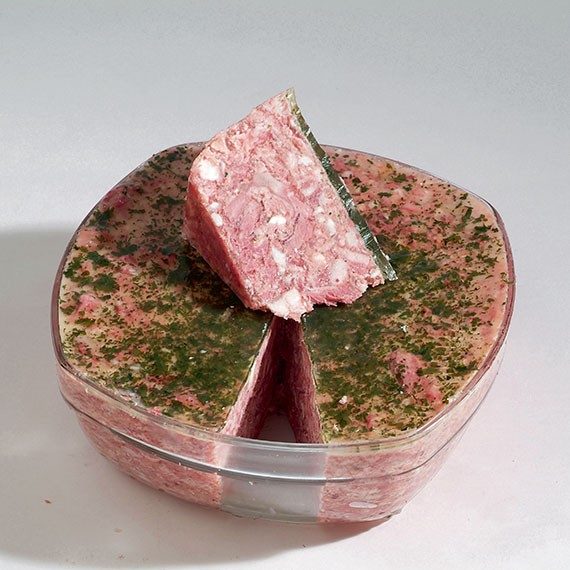
Parsley Head

Gov France

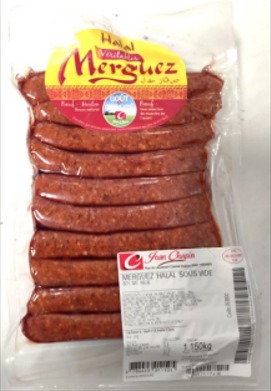
MERGEZ HALAL

Gov France

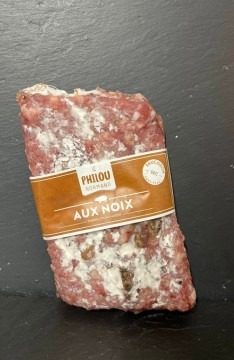
nature/ hazelnut/walnuts/ Porcini mushrooms/ Camembert / Goat cheese/ zizisson/ neufchâtel/ livarot / shallot red wine / tartiflette

Gov France

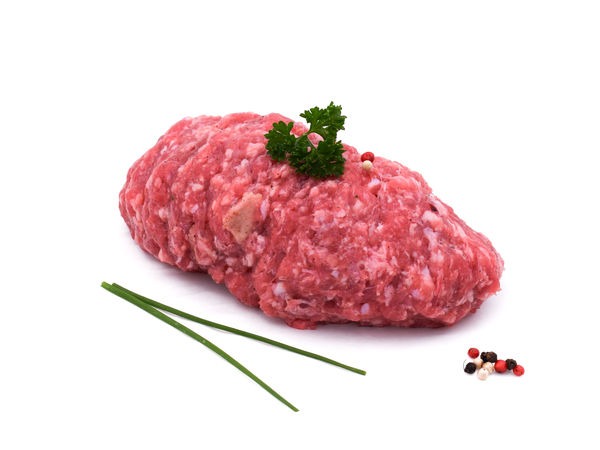
Tomato Stuffing

Gov France

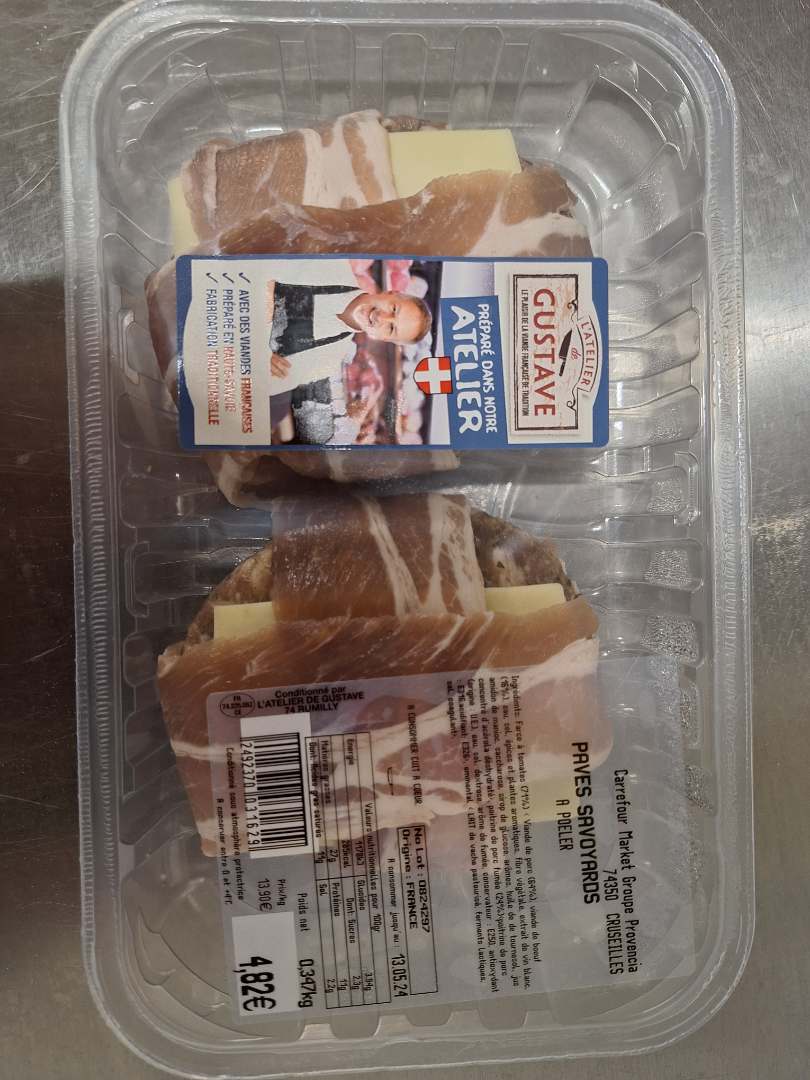
Savoyard Pavé

Research – Validation of a simulated commercial traditional crust pepperoni pizza baking process and thermal inactivation parameters of a 3-serovar Salmonella inoculum in pizza dough

Wiley Online

The objective of this study was to validate a simulated commercial baking process for traditional crust pepperoni pizza to inactivate Salmonella when contamination was introduced through inoculated flour and pepperoni slices. The unbleached flour and pepperoni slices were inoculated (separate studies) with a 3-serovar Salmonella cocktail and dried back to their respective pre-inoculation water activity level to achieve 6.14 and 6.84 log CFU/g, respectively. The inoculated traditional crust pizza was baked at 260°C (500 °F) for 12 min followed by 15 min of ambient cooling. In both cases, a >6 log CFU/g reduction in Salmonella population was achieved by the first 8 min of baking. The pH (5.23–5.25) and water activity (0.958 ± 0.001–0.938 ± 0.005) of the pizza in this study did not change significantly. The D-values of 3-serovar Salmonella cocktail in traditional crust pepperoni pizza dough were 23.2 ± 1.82, 7.50 ± 0.32, and 2.0 ± 0.15 min at 56°C, 59°C, and 62°C, respectively, with a z-value of 5.7°C. The study validated that traditional crust pepperoni pizzas when baked at 260°C (500 °F) for at least 12 min will reduce Salmonella populations by ≥5 log CFU/g if prebaking contamination occurs via flour and/ or pepperoni.

Research – Opportunistic Pathogens in Drinking Water Distribution Systems—A Review

MDPI

Abstract

In contrast to “frank” pathogens, like Salmonella entrocoliticaShigella dysenteriae, and Vibrio cholerae, that always have a probability of disease, “opportunistic” pathogens are organisms that cause an infectious disease in a host with a weakened immune system and rarely in a healthy host. Historically, drinking water treatment has focused on control of frank pathogens, particularly those from human or animal sources (like Giardia lambliaCryptosporidium parvum, or Hepatitis A virus), but in recent years outbreaks from drinking water have increasingly been due to opportunistic pathogens. Characteristics of opportunistic pathogens that make them problematic for water treatment include: (1) they are normally present in aquatic environments, (2) they grow in biofilms that protect the bacteria from disinfectants, and (3) under appropriate conditions in drinking water systems (e.g., warm water, stagnation, low disinfectant levels, etc.), these bacteria can amplify to levels that can pose a public health risk. The three most common opportunistic pathogens in drinking water systems are Legionella pneumophilaMycobacterium avium, and Pseudomonas aeruginosa. This report focuses on these organisms to provide information on their public health risk, occurrence in drinking water systems, susceptibility to various disinfectants, and other operational practices (like flushing and cleaning of pipes and storage tanks). In addition, information is provided on a group of nine other opportunistic pathogens that are less commonly found in drinking water systems, including Aeromonas hydrophilaKlebsiella pneumoniaeSerratia marcescensBurkholderia pseudomalleiAcinetobacter baumanniiStenotrophomonas maltophiliaArcobacter butzleri, and several free-living amoebae including Naegleria fowleri and species of Acanthamoeba. The public health risk for these microbes in drinking water is still unclear, but in most cases, efforts to manage Legionella, mycobacteria, and Pseudomonas risks will also be effective for these other opportunistic pathogens. The approach to managing opportunistic pathogens in drinking water supplies focuses on controlling the growth of these organisms. Many of these microbes are normal inhabitants in biofilms in water, so the attention is less on eliminating these organisms from entering the system and more on managing their occurrence and concentrations in the pipe network. With anticipated warming trends associated with climate change, the factors that drive the growth of opportunistic pathogens in drinking water systems will likely increase. It is important, therefore, to evaluate treatment barriers and management activities for control of opportunistic pathogen risks. Controls for primary treatment, particularly for turbidity management and disinfection, should be reviewed to ensure adequacy for opportunistic pathogen control. However, the major focus for the utility’s opportunistic pathogen risk reduction plan is the management of biological activity and biofilms in the distribution system. Factors that influence the growth of microbes (primarily in biofilms) in the distribution system include, temperature, disinfectant type and concentration, nutrient levels (measured as AOC or BDOC), stagnation, flushing of pipes and cleaning of storage tank sediments, and corrosion control. Pressure management and distribution system integrity are also important to the microbial quality of water but are related more to the intrusion of contaminants into the distribution system rather than directly related to microbial growth. Summarizing the identified risk from drinking water, the availability and quality of disinfection data for treatment, and guidelines or standards for control showed that adequate information is best available for management of L. pneumophila. For L. pneumophila, the risk for this organism has been clearly established from drinking water, cases have increased worldwide, and it is one of the most identified causes of drinking water outbreaks. Water management best practices (e.g., maintenance of a disinfectant residual throughout the distribution system, flushing and cleaning of sediments in pipelines and storage tanks, among others) have been shown to be effective for control of L. pneumophila in water supplies. In addition, there are well documented management guidelines available for the control of the organism in drinking water distribution systems. By comparison, management of risks for Mycobacteria from water are less clear than for L. pneumophila. Treatment of M. avium is difficult due to its resistance to disinfection, the tendency to form clumps, and attachment to surfaces in biofilms. Additionally, there are no guidelines for management of M. avium in drinking water, and one risk assessment study suggested a low risk of infection. The role of tap water in the transmission of the other opportunistic pathogens is less clear and, in many cases, actions to manage L. pneumophila (e.g., maintenance of a disinfectant residual, flushing, cleaning of storage tanks, etc.) will also be beneficial in helping to manage these organisms as well.