Category Archives: PSP

New Zealand – Kawhia- Shellfish Toxin Alert – PSP

MPI

Reason for alert Paralytic Shellfish Poisoning (PSP)

Date warning issued Media release: 6 December 2023
Affected area The warning extends from Papanui Point, just south of Raglan, to Tirua Point, which is just south of Marokopa. The warning also includes Kawhia and Aotea harbours.
Shellfish affected Mussels, oysters, tuatua, pipi, toheroa, cockles and scallops, as well as pūpū (cat’s eyes), Cook’s turban and kina (sea urchin).

Note, cooking shellfish does not remove the toxin.

Pāua, crab and crayfish may still be eaten if the gut has been completely removed prior to cooking, as toxins accumulate in the gut. If the gut is not removed its contents could contaminate the meat during the cooking process. Finfish are not affected by this warning.

New Zealand – Do not collect or eat shellfish from areas where shellfish biotoxin warnings have been issued – Hawke Bay – PSP

MPI

Hawke Bay

Reason for alert Paralytic Shellfish Poisoning (PSP)

Date warning issued Media release: 1 November 2023
Affected area Hawke Bay: Cape Kidnappers to Mohaka River.
Shellfish affected Mussels, oysters, tuatua, pipi, toheroa, cockles, scallops, catseyes, kina (sea urchin) and all other bivalve shellfish.

Note, cooking shellfish does not remove the toxin.

Pāua, crab and crayfish may still be eaten if the gut has been completely removed prior to cooking, as toxins accumulate in the gut. If the gut is not removed its contents could contaminate the meat during the cooking process.

Symptoms Symptoms typically appear between 10 minutes and 3 hours after ingestion and may include:

  • numbness and a tingling (prickly feeling) around the mouth, face, and extremities (hands and feet)
  • difficulty swallowing or breathing
  • dizziness
  • headache
  • nausea
  • vomiting
  • diarrhoea
  • paralysis and respiratory failure and in severe cases, death.
Other information Paralytic shellfish toxins have been detected in shellfish at levels over the safe limit of 0.8mg/kg set by New Zealand Food Safety. Ongoing testing will continue and any changes will be communicated accordingly.

New Zealand -Public health warning: shellfish biotoxin alert for Raglan coastline

MPI

New Zealand Food Safety today issued a public health warning advising the public not to collect or consume shellfish harvested from the Raglan coastline.

The warning extends from Port Waikato, southward to Tauratahi Point at the entrance of Kawhia Harbour. The warning includes the entire Raglan and Aotea Harbours but not Kawhia Harbour. Paralytic Shellfish Toxins have been detected in shellfish from Raglan at levels above the safe limit set by MPI.

Mussels, oysters, tuatua, pipi, toheroa, cockles, scallops, catseyes, kina (sea urchin) and all other bivalve shellfish should not be eaten.

Note that cooking shellfish does not remove the toxin.

Pāua, crab and crayfish may still be eaten if the gut has been completely removed prior to cooking, as toxins accumulate in the gut. If the gut is not removed, its contents could contaminate the meat during the cooking process.

Symptoms typically appear between 10 minutes and 3 hours after ingestion and may include:

  • numbness and a tingling (prickly feeling) around the mouth, face, and extremities (hands and feet)
  • difficulty swallowing or breathing
  • dizziness
  • headache
  • nausea
  • vomiting
  • diarrhoea
  • paralysis and respiratory failure and in severe cases, death.

If anyone becomes ill after eating shellfish from an area where a public health warning has been issued, phone Healthline for advice on 0800 61 11 16, or seek medical attention immediately. You are also advised to contact your nearest public health unit and keep any leftover shellfish in case it can be tested.

Monitoring of toxin levels will continue and any changes will be communicated accordingly. Commercially harvested shellfish – sold in shops and supermarkets, or exported – is subject to strict water and flesh monitoring programmes by MPI to ensure they are safe to eat.

New Zealand – Public health warning: shellfish biotoxin alert for Nydia Bay/Pelorus Sound area in the Marlborough Sounds

MPI

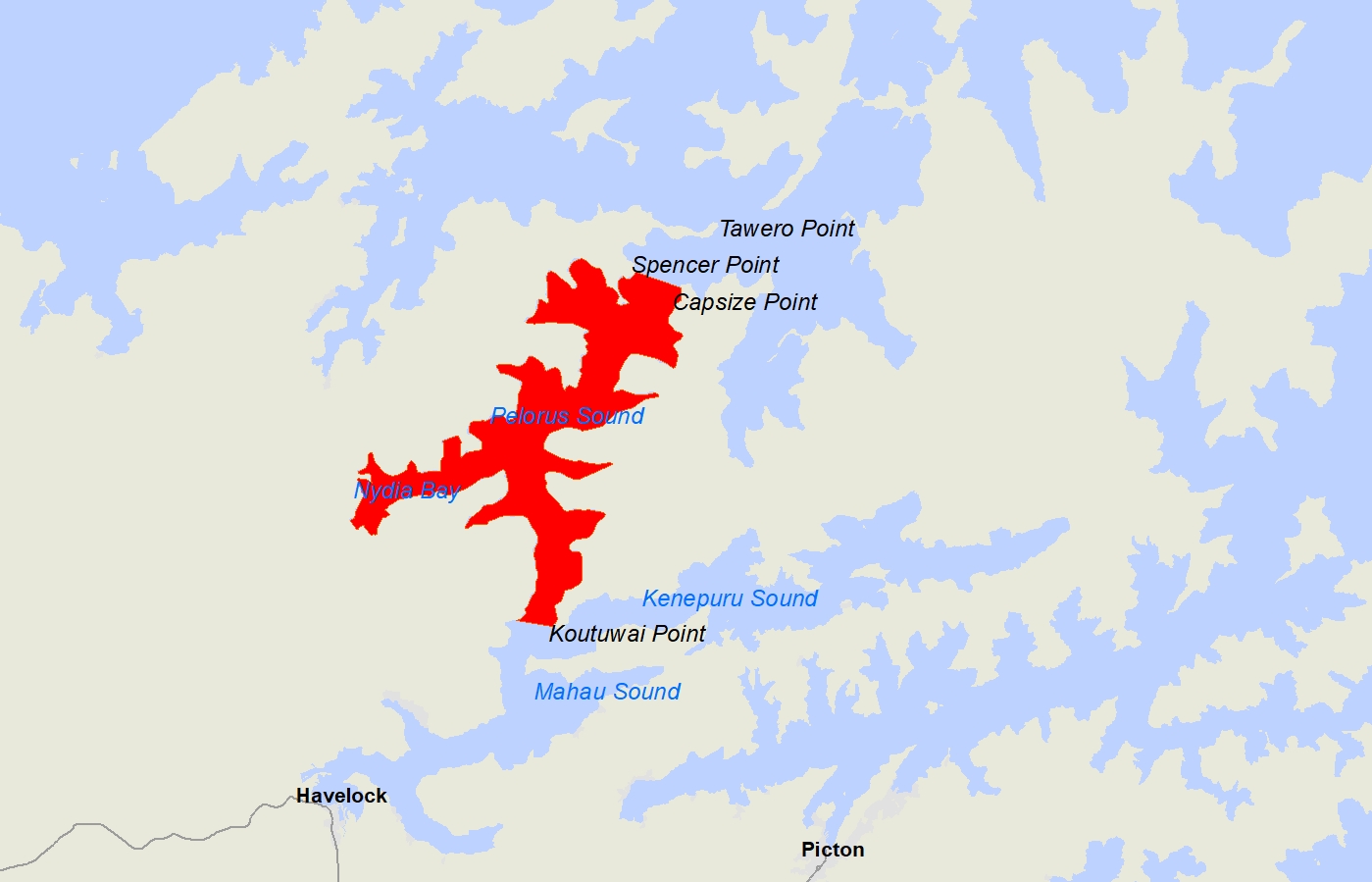
New Zealand Food Safety today issued a public health warning against collecting shellfish from the Pelorus Sound area in the Marlborough Sounds. The area includes Pelorus Sound from Hikapu Reach at Koutuwai Point up to Spencer and Capsize Points.

Paralytic Shellfish Toxins have been detected in shellfish at Nydia Bay at levels several times above the safe limit set by MPI. There is extreme risk from consuming shellfish in this area.

Mussels, oysters, tuatua, pipi, toheroa, cockles, scallops, catseyes, kina (sea urchin) and all other bivalve shellfish should not be eaten.

Note that cooking shellfish does not remove the toxin.

Pāua, crab and crayfish may still be eaten if the gut has been completely removed prior to cooking, as toxins accumulate in the gut. If the gut is not removed, its contents could contaminate the meat during the cooking process.

Symptoms typically appear between 10 minutes and 3 hours after ingestion and may include:

  • numbness and a tingling (prickly feeling) around the mouth, face, and extremities (hands and feet)
  • difficulty swallowing or breathing
  • dizziness
  • headache
  • nausea
  • vomiting
  • diarrhoea
  • paralysis and respiratory failure and in severe cases, death.

If anyone becomes ill after eating shellfish from an area where a public health warning has been issued, phone Healthline for advice on 0800 61 11 16, or seek medical attention immediately. You are also advised to contact your nearest public health unit and keep any leftover shellfish in case it can be tested.

Monitoring of toxin levels will continue and any changes will be communicated accordingly. Commercially harvested shellfish – sold in shops and supermarkets, or exported – is subject to strict water and flesh monitoring programmes by MPI to ensure they are safe to eat.
New Zealand – Shellfish Biotoxin Alert – Port Underwood – South Island

MPI

South Island warning

Reason for alert Paralytic Shellfish Poisoning (PSP)

Date warning issued 31 May 2023
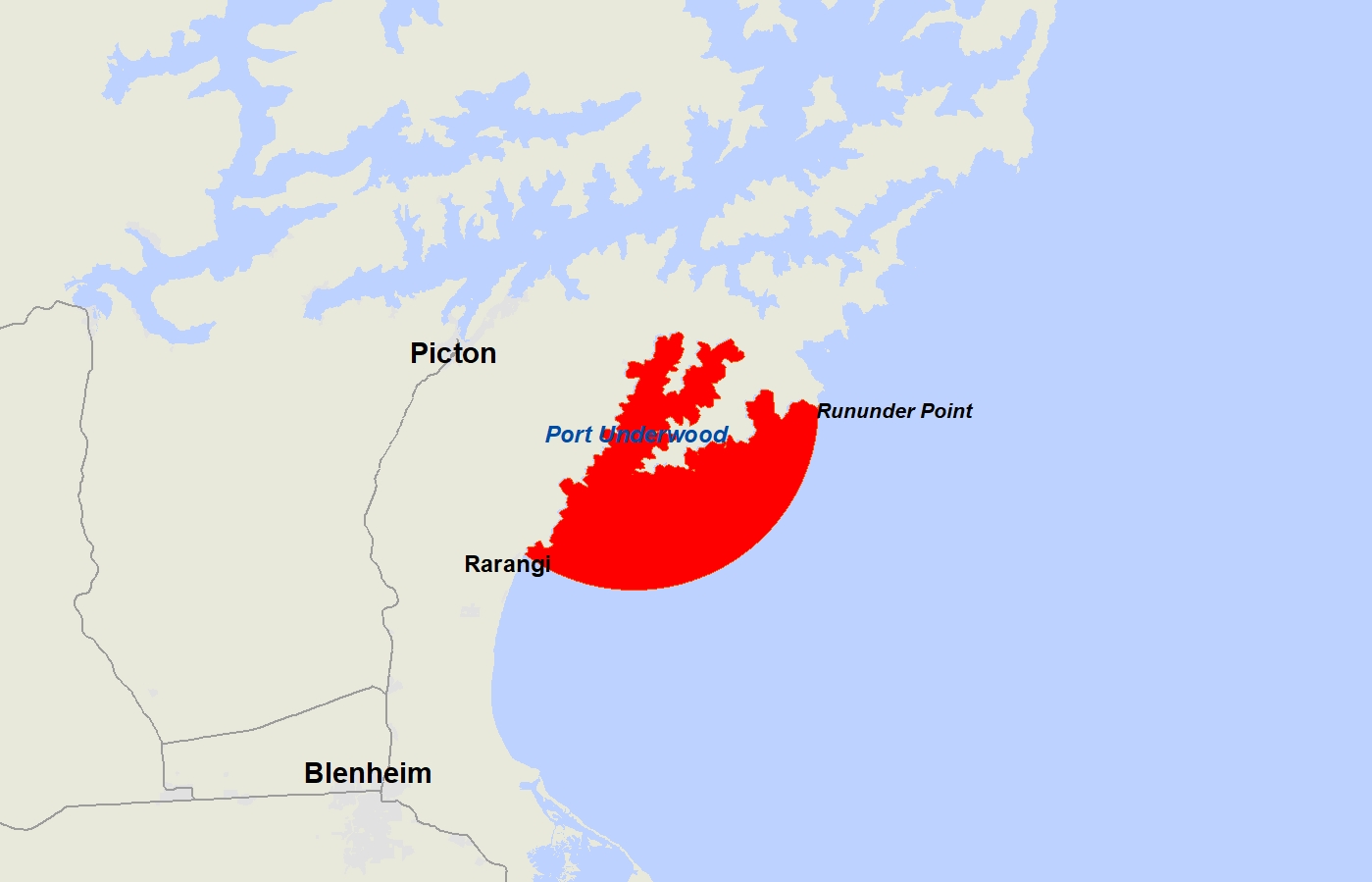
Affected area Port Underwood
Shellfish affected Mussels, oysters, tuatua, pipi, toheroa, cockles, scallops, catseyes, kina (sea urchin) and all other bivalve shellfish.

Note, cooking shellfish does not remove the toxin.

Pāua, crab and crayfish may still be eaten if the gut has been completely removed prior to cooking, as toxins accumulate in the gut. If the gut is not removed its contents could contaminate the meat during the cooking process.

Symptoms Symptoms typically appear between 10 minutes and 3 hours after ingestion and may include:

  • numbness and a tingling (prickly feeling) around the mouth, face, and extremities (hands and feet)
  • difficulty swallowing or breathing
  • dizziness
  • headache
  • nausea
  • vomiting
  • diarrhoea
  • paralysis and respiratory failure and in severe cases, death.
Other information Paralytic shellfish toxins have been detected in mussels throughout Port Underwood at levels well over the safe limit of 0.8mg/kg set by New Zealand Food Safety. Ongoing testing will continue and any changes will be communicated accordingly.

Map of the affected area

Map of affected area from Rarangi to Rununder Point, Port Underwood area in Marlborough.

New Zealand – Shellfish biotoxin alerts – PSP

MPI

South Island warning

Reason for alert Paralytic Shellfish Poisoning (PSP)

Date warning issued 31 May 2023
Affected area Port Underwood
Shellfish affected Mussels, oysters, tuatua, pipi, toheroa, cockles, scallops, catseyes, kina (sea urchin) and all other bivalve shellfish.

Note, cooking shellfish does not remove the toxin.

Pāua, crab and crayfish may still be eaten if the gut has been completely removed prior to cooking, as toxins accumulate in the gut. If the gut is not removed its contents could contaminate the meat during the cooking process.

Symptoms Symptoms typically appear between 10 minutes and 3 hours after ingestion and may include:

  • numbness and a tingling (prickly feeling) around the mouth, face, and extremities (hands and feet)
  • difficulty swallowing or breathing
  • dizziness
  • headache
  • nausea
  • vomiting
  • diarrhoea
  • paralysis and respiratory failure and in severe cases, death.
Other information Paralytic shellfish toxins have been detected in shellfish from the Kaipara Harbour at levels over the safe limit of 0.8mg/kg set by MPI. Ongoing testing will continue and any changes will be communicated accordingly.

Map of the affected area

Map of affected area from Rarangi to Rununder Point, Port Underwood area in Marlborough.

New Zealand – Shellfish biotoxin alert – North Island

MPI

North Island warning

Reason for alert Paralytic Shellfish Poisoning (PSP)

Date warning issued 10 May 2023

Media release

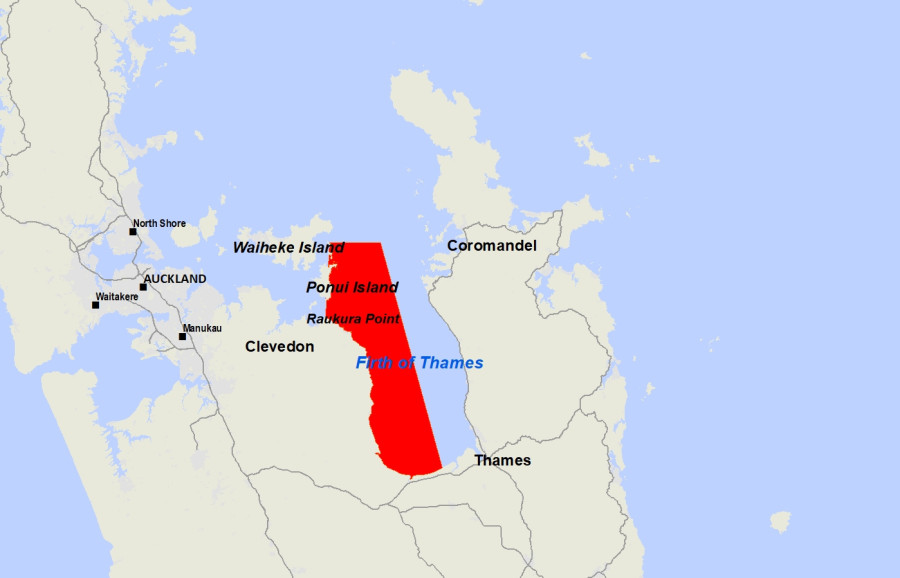
Affected area Western side of the Firth of Thames.
Shellfish affected Mussels, oysters, tuatua, pipi, toheroa, cockles, scallops, catseyes, kina (sea urchin) and all other bivalve shellfish.

Note, cooking shellfish does not remove the toxin.

Pāua, crab and crayfish may still be eaten if the gut has been completely removed prior to cooking, as toxins accumulate in the gut. If the gut is not removed its contents could contaminate the meat during the cooking process.

Symptoms Symptoms typically appear between 10 minutes and 3 hours after ingestion and may include:

  • numbness and a tingling (prickly feeling) around the mouth, face, and extremities (hands and feet)
  • difficulty swallowing or breathing
  • dizziness
  • headache
  • nausea
  • vomiting
  • diarrhoea
  • paralysis and respiratory failure and in severe cases, death.
Other information Paralytic shellfish toxins have been detected in shellfish from the Kaipara Harbour at levels over the safe limit of 0.8mg/kg set by MPI. Ongoing testing will continue and any changes will be communicated accordingly.

Map of the affected area

Map of affected area from the western half of the Firth of Thames.

Public warnings about toxic shellfish

We test shellfish and seawater for toxic algae every week from popular shellfish gathering areas around New Zealand. If the shellfish are not safe to eat, we issue public health warnings and put up signs at affected beaches.

New Zealand – Shellfish biotoxin alert – Firth of Thames

MPI

New Zealand Food Safety today issued a public health warning advising the public not to collect or consume shellfish harvested from the entire Firth of Thames area up to a line from Raukura Point across to Deadmans Point.

Routine tests on shellfish samples taken from this region have shown levels of Paralytic Shellfish Poisoning (PSP) toxins above the safe limit of 0.8 mg/kg set by New Zealand Food Safety. Anyone eating shellfish from this area is potentially at risk of illness.

See a map of the warning

Mussels, oysters, tuatua, pipi, toheroa, cockles, scallops, catseyes, kina (sea urchin) and all other bivalve shellfish should not be eaten.

Note: cooking shellfish does not remove the toxin.

Pāua, crab and crayfish may still be eaten if the gut has been completely removed prior to cooking, as toxins accumulate in the gut. If the gut is not removed its contents could contaminate the meat during the cooking process.

Symptoms typically appear between 10 minutes and 3 hours after ingestion and may include:

  • numbness and a tingling (prickly feeling) around the mouth, face, and extremities (hands and feet)
  • difficulty swallowing or breathing
  • dizziness
  • headache
  • nausea
  • vomiting
  • diarrhoea
  • paralysis and respiratory failure and in severe cases, death.

If anyone becomes ill after eating shellfish from an area where a public health warning has been issued, phone Healthline for advice on 0800 61 11 16, or seek medical attention immediately. You are also advised to contact your nearest public health unit and keep any leftover shellfish in case it can be tested.

Monitoring of toxin levels will continue and any changes will be communicated accordingly. Commercially harvested shellfish – sold in shops and supermarkets, or exported – is subject to strict water and flesh monitoring programmes by MPI to ensure they are safe to eat.
New Zealand – Shellfish Biotoxin Alert – North Island

MPI

Current warning

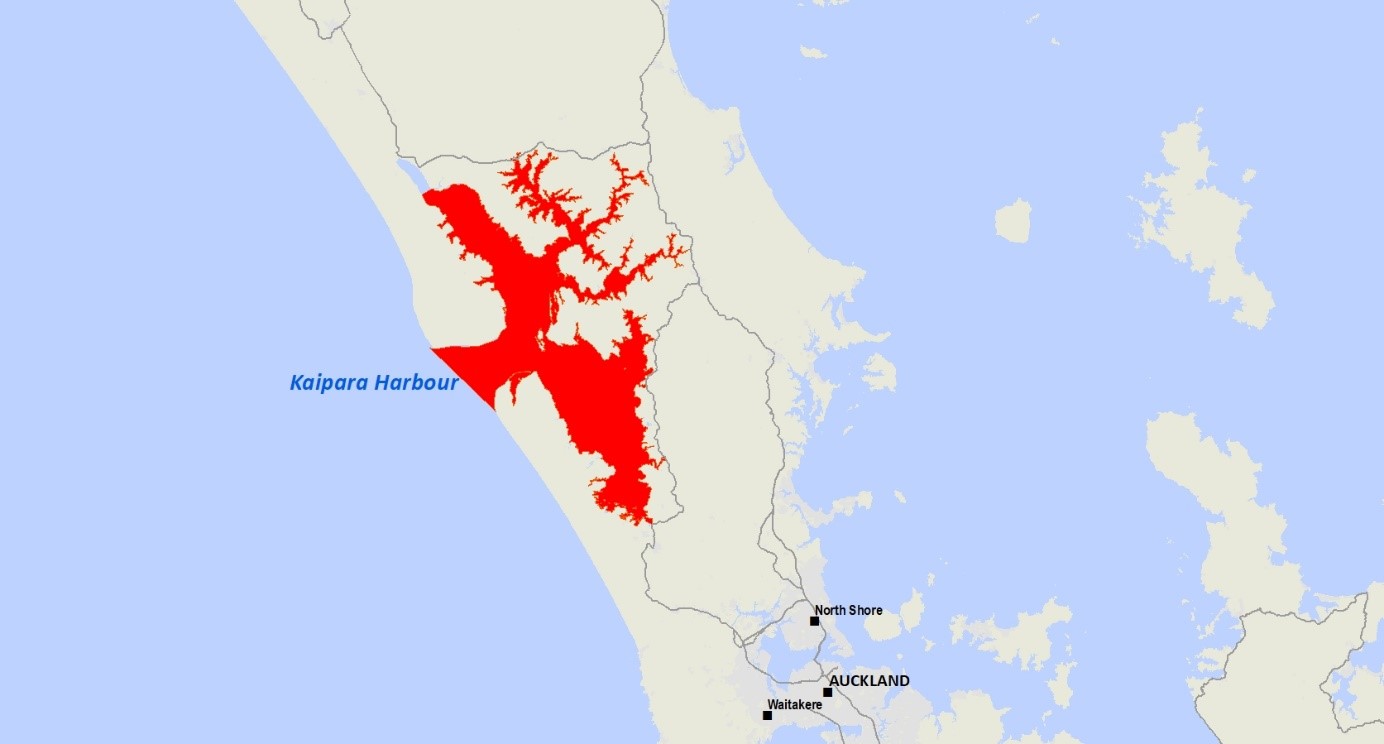
Kaipara Harbour, Auckland

NORTH ISLAND WARNING

Reason for alert Paralytic Shellfish Poisoning (PSP)

Date warning issued 10 February 2023

Media release

Affected area The warning extends throughout the whole of the Kaipara Harbour up to a line across the entrance from the top of Oneone Beach across to North Head.
Shellfish affected Mussels, oysters, tuatua, pipi, toheroa, cockles, scallops, catseyes, kina (sea urchin) and all other bivalve shellfish.

Note, cooking shellfish does NOT remove the toxin.

Pāua, crab and crayfish may still be eaten if the gut has been completely removed prior to cooking, as toxins accumulate in the gut. If the gut is not removed its contents could contaminate the meat during the cooking process.

Symptoms Symptoms typically appear between 10 minutes and 3 hours after ingestion and may include:

  • numbness and a tingling (prickly feeling) around the mouth, face, and extremities (hands and feet)
  • difficulty swallowing or breathing
  • dizziness
  • headache
  • nausea
  • vomiting
  • diarrhoea
  • paralysis and respiratory failure and in severe cases, death.
Other information Paralytic shellfish toxins have been detected in shellfish from the Kaipara Harbour at levels over the safe limit of 0.8mg/kg set by MPI. Ongoing testing will continue and any changes will be communicated accordingly.

Map of affected area

Research – The monitoring program for algal toxins in shellfish 2021

Mattilsynet

In general, less poisonous shells were detected during the covid-19 years 2020 and 2021 than in the three previous years. We cannot determine whether this is due to fewer samples or less blooms of toxic algal plankton.

In 2021, a total of 723 shell samples were taken and analyzed for various toxins; 384 samples from the Norwegian Food Safety Authority’s annual monitoring program (including the Mussel Alert) and 339 samples from the producers’ own control samples. 

The number of samples from the industry was somewhat fewer in 2021 because demand for shells was lower due to covid-19 with closed restaurants and hotels.

On the monitoring of algal toxins in shellfish

The Norwegian coast is monitored throughout the year for marine algal toxins in shells in connection with commercial harvesting and trade in addition to the Mussel Alert.

The shell samples are analyzed for both the fat-soluble toxins DSP (OA group), AZA, YTX and PTX and the water-soluble toxins with the neurotoxin PSP (STX group), and for the amnesia toxin ASP (DA group).

What did we investigate? Mostly mussels, but also some scallops, flat oysters, Pacific oysters, cockles, knife clams, O-clams, carpet clams, sand clams, circle clams, king snails and sea urchins
Time range: 2021
What were we looking for? The algae toxins DSP, YTX, PTX and AZA, PSP and ASP.
What did we find? Around 98 per cent of all submitted mussels were below the limit value for DSP (OA group).

For PSP (STX group) around 95 per cent were below the limit value, while around 99 per cent were below the limit value for ASP.

For the toxin groups YTX, PTX and AZA, all samples were below given limit values.

Mussels: Had the most detections of DSP and PSP above the limit value, but ASP was also detected above the limit value

Scallops : PSP and ASP were detected above the limit value

Flat oysters : PSP was detected above the limit value in Western Norway for a period in April

PSP : As in previous years, was mainly detected in the spring and early summer.

DSP : The detections above the limit value were distributed throughout the year from April to October with a peak in September. This is consistent with previous years where DSP mainly performs in late summer and autumn.