Category Archives: Pseudomonas

Research – Evaluation of weakly acidic electrolyzed water and modified atmosphere packaging on the shelf life and quality of farmed puffer fish (Takifugu obscurus ) during cold storage

Wiley Online

The combined effect of weakly acidic electrolyzed water (WAEW) and modified atmosphere packaging (MAP) treatments on the quality of puffer fish (Takifugu obscurus ) during cold storage was studied on aspects of microbiological activity, texture, total volatile basic nitrogen (TVB‐N), trimethylamine (TMA), free amino acids (FAAs), thiobarbituric acid reactive substance (TBARS), ATP‐related compounds and value, volatile organic compounds (VOCs), and organoleptic properties. As a result, significantly ( < .05) higher inhibitory effects on total viable counts (TVC), H2S‐producing bacteria (including Shewanella putrefaciens ), Pseudomonas spp., and lactic acid bacteria (LAB) were observed in WAEW‐treated puffer fish packaged in 60%CO2/5%O2/35%N2 atmosphere than that in air package and vacuum package with/without WAEW‐treated samples. In addition, chemical results showed that WAEW together with MAP treatments were highly efficient in maintaining lower TVB‐N, TMA, and TBARS values in refrigerated puffer fish. Moreover, the presence of WAEW combined with MAP treatments showed positive effects on retarding the relative content of fishy flavor compounds, such as 1‐octen‐3‐ol, 1‐penten‐3‐ol, hexanal, heptanal, nonanal, decanal, ()‐2‐octenal, and 2,3‐butanedione. As a whole, the combined effect of WAEW and MAP on refrigerated puffer fish is advisable to maintain better quality and extend the shelf life.

Research – Effect of Peracetic Acid Solutions and Lactic Acid on Microorganisms in On-Line Reprocessing Systems for Chicken Slaughter Plants

Journal of Food Protection

ABSTRACT

During poultry slaughter and processing, microbial cross-contamination between individual chickens is possible, as well as from one slaughter animal to the next without direct contact. One option for reducing the risk of cross-contamination is to decrease the number of microorganisms on contact surfaces by using disinfectants. The aim is to decontaminate the surfaces coming into direct contact with the carcasses. In the present study, the effectiveness of different disinfectants was investigated in laboratory settings, simulating the conditions in the slaughterhouses and in a chicken slaughterhouse. For this, an artificial residue substance (consisting of yeast extract, albumin, and agar) was developed, tested, and included in the assays. Two disinfectants were tested under laboratory conditions: lactic acid (5 and 6.67%) and peracetic acid (0.33 and 0.5%). At the slaughterhouse, peracetic acid (0.021%) was used. In the laboratory tests, it was found that the peracetic acid solution had the highest disinfection potential with respect to an Escherichia coli strain (reduction >4 log CFU mL−1) at 0.5% without an artificial residue substance. The tested lactic acid solutions also showed the highest disinfection potential against a Pseudomonas aeruginosa strain, without an artificial residue substance. When applying the artificial residue substance, the reduction potential of lactic acid and peracetic acid was decreased to less than 1.4 log CFU mL−1. Application of peracetic acid in the slaughterhouse reduced the number of total aerobic bacteria by more than 4 log CFU mL−1 and the number of Enterobacteriaceae by more than 3 log CFU mL−1, depending on the place of sampling.

HIGHLIGHTS
  • Peracetic acid and lactic acid decreases E. coli and P. aeruginosa numbers in vitro.
  • Sanitation in place reduces the number of bacteria in a chicken slaughterhouse.
  • The number of total aerobic bacteria and Enterobacteriaceae was significantly reduced.

Research – Occurrence and characterisation of biofilms in drinking water systems of broiler houses

NCBI

Abstract

Background

Water quality in the drinking water system (DWS) plays an important role in the general health and performance of broiler chickens. Conditions in the DWS of broilers are ideal for microbial biofilm formation. Since pathogens might reside within these biofilms, they serve as potential source of waterborne transmission of pathogens to livestock and humans. Knowledge about the presence, importance and composition of biofilms in the DWS of broilers is largely missing. In this study, we therefore aim to monitor the occurrence, and chemically and microbiologically characterise biofilms in the DWS of five broiler farms.

Results

The bacterial load after disinfection in DWSs was assessed by sampling with a flocked swab followed by enumerations of total aerobic flora (TAC) and Pseudomonas spp. The dominant flora was identified and their biofilm-forming capacity was evaluated. Also, proteins, carbohydrates and uronic acids were quantified to analyse the presence of extracellular polymeric substances of biofilms. Despite disinfection of the water and the DWS, average TAC was 6.03 ± 1.53 log CFU/20cm2. Enumerations for Pseudomonas spp. were on average 0.88 log CFU/20cm2 lower. The most identified dominant species from TAC were Stenotrophomonas maltophiliaPseudomonas geniculata and Pseudomonas aeruginosa. However at species level, most of the identified microorganisms were farm specific. Almost all the isolates belonging to the three most abundant species were strong biofilm producers. Overall, 92% of all tested microorganisms were able to form biofilm under lab conditions. Furthermore, 63% of the DWS surfaces appeared to be contaminated with microorganisms combined with at least one of the analysed chemical components, which is indicative for the presence of biofilm.

Conclusions

Stenotrophomonas maltophiliaPseudomonas geniculata and Pseudomonas aeruginosa are considered as opportunistic pathogens and could consequently be a potential risk for animal health. Additionally, the biofilm-forming capacity of these organisms could promote attachment of other pathogens such as Campylobacter spp. and Salmonella spp.

Electronic supplementary material

The online version of this article (10.1186/s12866-019-1451-5) contains supplementary material, which is available to authorized users.

Research – Indoor Particulate Matter From Smoker Homes Induces Bacterial Growth, Biofilm Formation, and Impairs Airway Antimicrobial Activity. A Pilot Study

Frontiers

Background: Particulate matter (PM) air pollution causes deleterious health effects; however, less is known about health effects of indoor air particulate matter (IAP).

Objective: To understand whether IAP influences distinct mechanisms in the development of respiratory tract infections, including bacterial growth, biofilm formation, and innate immunity. Additionally, we tested whether IAP from Iowa houses of subjects with and without recent respiratory exacerbations recapitulated the National Institute of Standards and Technology (NIST) IAP findings.

Methods: To test the effect of NIST and Iowa IAP on bacterial growth and biofilm formation, we assessed Staphylococcus aureus growth and Pseudomonas aeruginosa biofilm formation with and without the presence of IAP. To assess the effect of IAP on innate immunity, we exposed primary human airway surface liquid (ASL) to NIST, and Iowa IAP. Lastly, we tested whether specific metals may be responsible for effects on airway innate immunity.

Results: NIST and Iowa IAP significantly enhanced bacterial growth and biofilm formation. NIST IAP (whole particle and the soluble portion) impaired ASL antimicrobial activity. IAP from one Iowa home significantly impaired ASL antimicrobial activity (p < 0.05), and five other homes demonstrated a trend (p ≤ 0.18) of impaired ASL antimicrobial activity. IAP from homes of subjects with a recent history of respiratory exacerbation tended (p = 0.09) to impair ASL antimicrobial activity more than IAP from homes of those without a history respiratory exacerbation. Aluminum and Magnesium impaired ASL antimicrobial activity, while copper was bactericidal. Combining metals varied their effect on ASL antimicrobial activity.

Conclusions: NIST IAP and Iowa IAP enhanced bacterial growth and biofilm formation. ASL antimicrobial activity was impaired by NIST IAP, and Iowa house IAP from subjects with recent respiratory exacerbation tended to impair ASL antimicrobial activity. Individual metals may explain impaired ASL antimicrobial activity; however, antimicrobial activity in the presence of multiple metals warrants further study.

RASFF Alert – Pseudomonas aeruginosa – Crushed Ice

RASFF-Logo

RASFF – Pseudomonas aeruginosa (1 CFU/ml) in crushed ice from Spain in Italy

Research – Modulation of flagellar rotation in surface-attached bacteria: A pathway for rapid surface-sensing after flagellar attachment

PLOS

Abstract

Attachment is a necessary first step in bacterial commitment to surface-associated behaviors that include colonization, biofilm formation, and host-directed virulence. The Gram-negative opportunistic pathogen Pseudomonas aeruginosa can initially attach to surfaces via its single polar flagellum. Although many bacteria quickly detach, some become irreversibly attached and express surface-associated structures, such as Type IV pili, and behaviors, including twitching motility and biofilm initiation. Paeruginosa that lack the GTPase FlhF assemble a randomly placed flagellum that is motile; however, we observed that these mutant bacteria show defects in biofilm formation comparable to those seen for non-motile, aflagellate bacteria. This phenotype was associated with altered behavior of ΔflhF bacteria immediately following surface-attachment. Forward and reverse genetic screens led to the discovery that FlhF interacts with FimV to control flagellar rotation at a surface, and implicated cAMP signaling in this pathway. Although cAMP controls many transcriptional programs in Paeruginosa, known targets of this second messenger were not required to modulate flagellar rotation in surface-attached bacteria. Instead, alterations in switching behavior of the motor appeared to result from direct or indirect effects of cAMP on switch complex proteins and/or the stators associated with them.

Author summary

Attachment to a surface often triggers programs of gene expression that alter the behavior, virulence and fitness of bacteria. Initial contact is usually mediated by surface exposed adhesins, such as flagella or pili/fimbriae, and there is much interest in how these structures might sense and respond to surface attachment. The human bacterial pathogen Pseudomonas aeruginosa can initially contact surfaces via its polar flagellum, the structure that also powers bacterial swimming. We observed that wild-type bacteria quickly stopped rotating their flagellum after surface attachment, but that a mutant lacking the flagellar-associated protein FlhF did not. Using a combination of genetic approaches, we demonstrated that FlhF interacts with a component of the flagellar rotor (FliG) and with a polar scaffolding protein that positively regulates cAMP production (FimV) to stop flagellar rotation and thereby favor bacterial persistence at a surface. We provide evidence that the second messenger cAMP is the likely signal generated by flagellar-mediated surface attachment and show that cAMP is sufficient to alter the behavior of the flagellar motor.

Ireland -Recall of Certain Batches of Bottled Water Bottled by Celtic Pure due to Microbiological Contamination

FSAI

Pseudomonas aeruginosa, Enterococci or E. coli bacteria were detected in a range of batches of water bottled by Celtic Pure. Please see tables of implicated brands and batches that do not comply with the legal requirements. These implicated batches are unsafe or potentially unsafe and are subject to recall.

Update 1, 22.10.2019: Please note that the recall was extended to include additional batches of bottled waters bottled by Celtic Pure, see FSAI Food Alert 2019.42 Update 1 for further details.

Update 2, 23.10.2019: Please note that the recall was extended to include an additional batch of bottled water bottled by Celtic Pure, see FSAI Food Alert 2019.42 Update 2 for further details.

For more information, please see statement: https://www.fsai.ie/news_alert/bottled_water_21102019.html.


Nature Of Danger:

Pseudomonas aeruginosa poses a higher risk of complications if consumed by severely immunocompromised people such as those who have undergone transplants or chemotherapy. It rarely causes illness in healthy individuals.

Enterococci and E. coli – their presence in water is considered an indicator that the water has been contaminated with faecal material, however, this does not mean that it will make people sick.

Action Required:

Manufacturers, wholesalers, distributors, caterers & retailers:

Retailers are requested to remove the implicated batches from sale. Retailers are also advised to display a point-of-sale recall notice in stores where the implicated batches were sold.

Consumers:

Consumers are advised not to drink the implicated bottled waters.

Research – Culture-Independent Evaluation of Bacterial Contamination Patterns on Pig Carcasses at a Commercial Slaughter Facility

Journal of Food Protection

ABSTRACT

Traditionally, the microbiological status of meat is determined by culture-based techniques, although many bacteria are not able to grow on conventional media. The aim of this study was to obtain quantitative data on total bacterial cell equivalents, as well as taxa-specific abundances, on carcass surfaces during pig slaughter using quantitative real-time PCR. We evaluated microbial contamination patterns of total bacteria, Campylobacter, Escherichia coli, Lactobacillus group, Listeria monocytogenes, Salmonella, and Pseudomonas species throughout slaughtering and on different carcass areas. In addition, we compared contamination levels of breeding sow carcasses with fattening pig carcasses, and we assessed the efficacy of carcass polishing machines under two water amount conditions. Our results demonstrate that relevant meat-spoilage organisms show similar contamination patterns to total bacteria. The highest bacterial load was detected in the stunning chute (4.08 × 10⁵ bacterial cell equivalents per cm2) but was reduced by 3 log levels after singeing and polishing (P < 0.001). It increased again significantly by a 4.73-fold change until the classification step. Levels of Campylobacter, Lactobacillus, and Pseudomonas species and of E. coli followed a similar trend but varied between 0 and 2.49 × 10⁴ bacterial cell equivalents per cm2. Microbial levels did not vary significantly between sampled carcass areas for any analyzed taxa. Running the polishing machine with a low water amount proved to be less prone to microbial recontamination compared with a high water amount (17.07-fold change, P = 0.024). In the studied slaughterhouse, slaughter of breeding sows did not produce microbiologically safe meat products (>104 cells per cm2) and the implementation of specific hazard analysis critical control point systems for the slaughter of breeding sows should be considered. A larger cohort from different abattoirs is needed to confirm our results and determine whether this is universally valid.

HIGHLIGHTS
  • Spoilage bacteria maintain consistent populations throughout slaughtering.

  • Greater water volume during polishing creates higher bacterial populations on carcasses.

  • Microbial populations on breeding sows are higher compared with fattening pigs.

Malaysia – Bottled water contaminated with Pseudomonas aeruginosa

Outbreak News Today 

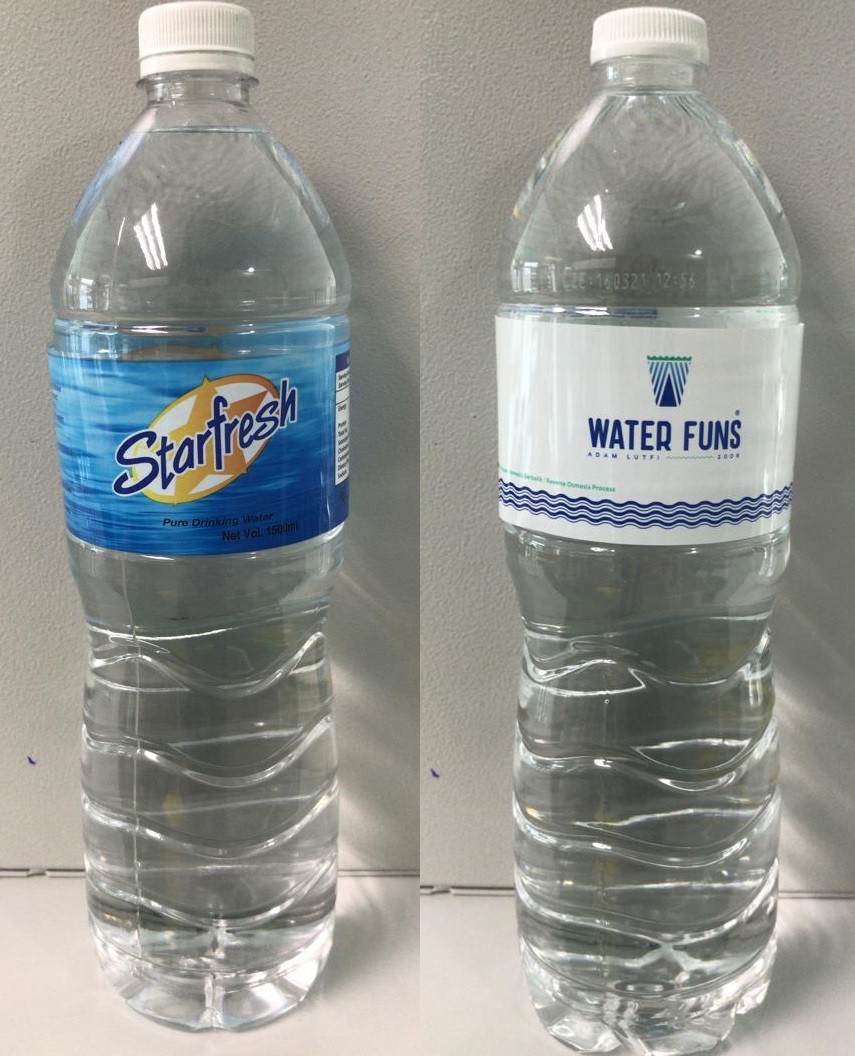
Malaysia health officials reported on the recall of Malaysian Starfresh packaged beverage (AMB) water products from the Singapore market because they are tainted with Pseudomonas aeruginosa bacteria.

AMB products involved in 500ml and 1500ml with the final date on May 11, 2021 and May 13, 2021, respectively.

The Ministry of Health of Malaysia (KKM) through the Food Safety and Quality Division (BKKM) has carried out verification on the refinery and a food safety guarantee program has been found that is not implemented effectively . In addition, the results of an analysis of Starfresh names exported to Singapore and the Waterfuns brand sold on the local market did not comply with the Food Deed 1983 and Food Regulations 1985 because they were found to be contaminated with Pseudomonas aeruginosa bacteria This product may be identified by the final date on the label. KKM has also directed the refineries to withdraw AMB products involved in the local market.

Research -Insights into Psychrotrophic Bacteria in Raw Milk: A Review

Journal of Food Protection

ABSTRACT

Supply of high-quality dairy products is the goal of every dairy producer throughout the world. However, psychrotrophic bacteria in raw milk, generally comprising bacterial species of the genera Pseudomonas, Acinetobacter, Aeromonas, Serratia, Bacillus, Lactococcus, Microbacterium, and Staphylococcus, are of special concern to the dairy industry because they can produce heat-stable enzymes. These enzymes may withstand various heat treatments during dairy processing, causing quality defects over the product storage period. The levels and diversity of psychrotrophic bacteria in raw milk are tightly linked to natural habitats, milking practices, and hygiene practices of farms in different countries. Most psychrotrophic bacteria can form biofilms on various milk storage and processing equipment, which serve as persistent sources of microbial contamination due to their biotransfer potential. A comprehensive review of the diversity of psychrotrophic bacteria in raw milk, the spoilage potential of these bacteria, the specific technological problems caused by biofilms and heat-resistant enzymes, and potential strategies for controlling dairy spoilage starting at the farm level is needed for improving our understanding of these spoilage bacteria.

HIGHLIGHTS
  • Levels of psychrotrophic bacteria in raw milk are affected by to habitats and farm hygiene.

  • Biofilms formed by psychrotrophic bacteria are persistent sources of contamination.

  • Heat-stable enzymes produced by psychrotrophic bacteria compromise product quality.

  • Various strategies are available for controlling dairy spoilage caused by psychrotrophic bacteria.