Category Archives: outbreak

Central America – 4 Dead E.coli Outbreak

Food Safety NewsEcoli Istock

At least 96 people have been hospitalized and 4 have died in an E. coli outbreak in Guatemala linked to fresh produce.

The outbreak, which has affected residents of the town of Santo Domingo Xenacoj in South Central Guatemala, is thought to have originated with contaminated fruits and vegetables, reported the Associated Press Thursday.

A male resident of the town reported that two of his children, ages 9 and 12, had died in the outbreak, according to AP.

Specimen taken from the four victims who died linked their deaths to E. coli, said health officials.

Research – EFSA – ECDC – The European Union Summary Report on Trends and Sources of Zoonoses, Zoonotic Agents

EFSA

The European Food Safety Authority and the European Centre for Disease Prevention and Control analysed the information submitted by 27 European Union Member States on the occurrence of zoonoses and food-borne outbreaks in 2011. Campylobacteriosis was the most commonly reported zoonosis with 220,209 confirmed human cases. The occurrence of Campylobacter continued to be high in broiler meat at EU level.

The decreasing trend in confirmed salmonellosis cases in humans continued with a total of 95,548 cases in 2011. Most Member States met their Salmonella reduction targets for poultry, and Salmonella is declining in these populations. In foodstuffs, Salmonella was most often detected in meat and products thereof.

The number of confirmed human listeriosis cases decreased to 1,476. Listeria was seldom detected above the legal safety limit from ready-to-eat foods.

A total of 9,485 confirmed verotoxigenic Escherichia coli (VTEC) infections were reported. This represents an increase of 159.4 % compared with 2010 as a result of the large STEC/VTEC outbreak that occurred in 2011 in the EU, primarily in Germany. VTEC was also reported from food and animals.

The number of human yersiniosis cases increased to 7,017 cases. Yersinia enterocolitica was isolated also from pig meat and pigs; 132 cases of Mycobacterium bovis and 330 cases of brucellosis in humans were also reported. The prevalence of bovine tuberculosis in cattle increased, and the prevalence of brucellosis decreased in cattle and sheep and goat populations.

Trichinellosis and echinococcosis caused 268 and 781 human cases, respectively and these parasites were mainly detected in wildlife. The numbers of alveolar and of cystic echinococcosis respectively increased and decreased in the last five years. One imported human case of rabies was reported. The number of rabies cases in animals continued to decrease.

Most of the 5,648 reported food-borne outbreaks were caused by Salmonella, bacterial toxins, Campylobacter and viruses, and the main food sources were eggs, mixed foods and fish and fishery products.


© European Food Safety Authority, 2013

Australia – Tasmania Oyster Beds – Norovirus

The MercuryNorwalk_Caspid

SIXTY people have fallen ill after eating contaminated oysters.

All oysters produced by Barilla Bay Seafoods have been recalled from the market after health authorities pinpointed the outbreak yesterday. People who ate the oysters were infected by norovirus, a common cause of gastroenteritis.

None was hospitalised over the Easter weekend but some saw doctors and went to the Royal Hobart emergency department. It is the second incidence of contaminated oysters in southern Tasmania in a week, but health authorities say the two cases are a coincidence. They say the contamination is not related to shellfish from Pitt Water, which was closed last week because of a sewage spill.

Oysters Tasmania spokesman Tom Lewis said the two recalls were a coincidence. “To our knowledge there is no connection,” Dr Lewis said. Barilla Bay Oysters general manager Justin Goc said the company was working closely with the Public Health Director Dr Roscoe Taylor.

“We apologise to the public for inconvenience caused and the public will be informed on developments,” Mr Goc said. The public is asked to dispose of any Barilla Bay Oysters bought from its retail outlet on or before last Sunday or Mures Lower Deck between last Thursday and Saturday. No products from the award-winning oyster company have been sold by Mures Lower Deck since Saturday. Dr Taylor said the Barilla Bay oysters were harvested at lease 113 in Dunalley on the Hobart side of the Denison Canal. He said a survey of the area would be done today in an attempt to find the source of the contamination.

“If people still have Barilla Bay produce in their fridge they should discard it,” he said. People should also not collect and eat wild shellfish.

Why shellfish can become deadly

An adult oyster filters and cleans up to 190 litres of water a day.

They swallow algae, and remove dirt and nitrogen pollution.

Sometimes during the filtering process, bacteria can trigger norovirus which remains in the oyster.

Eating shellfish infected with a norovirus can lead to food poisoning with vomiting, diarrhoea and abdominal pain.

Noroviruses are the most common cause of viral gastroenteritis in humans.

The disease is usually self-limiting and severe illness is rare but it can lead to blood infections of people with compromised immune systems – especially those with chronic liver disease – and can cause severe and life-threatening reactions.


USA – Rich Products – E.coli O121 Update

Food Poisoning Journal

Rich Products Corporation of Buffalo, New York is expanding its recall of various heat treated, not fully cooked frozen mini meals and snack items to more than 10.5 million pounds because they may be contaminated with E. coli O121, the U.S. Department of Agriculture’s Food Safety and Inspection Service (FSIS) announced today. The expanded recall covers all products produced at the company’s Waycross, Ga. plant with “Best by” dates ranging from January 1, 2013 to September 29, 2014.  Each product package above contains the establishment number “EST. 27232″ or “P-27233″ inside the USDA mark of inspection.

The products subject to recall were produced between July 1, 2011 and March 29, 2013 then distributed for retail or restaurant sale nationwide. FSIS and the establishment are concerned that some product may be present in household freezers.

FSIS was notified of a multistate investigation of E. coli O121 illnesses on March 19, 2013. Food samples were collected from an ill individual in New York as part of this investigation, and tested by the New York State Department of Health Wadsworth Laboratory. At present, the outbreak includes 24 cases in 15 states that led to seven hospitalizations and one case of Hemolytic Uremic Syndrome (HUS), a type of kidney failure. A sample of a Farm Rich frozen chicken mini quesadilla product from a New York case tested positive for the outbreak strain of E. coli O121. Additionally, a sample of leftover Farm Rich mini pepperoni pizza slices product from a Texas case tested positive for the same strain, confirmed by FSIS lab technicians.

When available, the retail distribution list(s) will be posted on the FSIS website at: www.fsis.usda.gov/FSIS_Recalls/Open_Federal_Cases/index.asp

Egypt – Cairo University 479 Students with Food Poisoning

Food Safety News

Food poisoning has sent at least 479 students at Cairo’s al-Azhar university to hospitals and sent hundreds of others into the streets to demand the resignation of the school’s president.

The outbreak is so politically charged that Egyptian President Mohammed Morsi took a page out of the West’s political playbook by visiting one of the hospitals where the sickened students are being treated.

Egypt’s Health Ministry said that while hundreds were ill, there have been no deaths recorded among the patients. Those suffering from food poisoning were divided among several Cairo hospitals so they could receive medical attention more promptly. The Health Ministry said all the cases were stabilized.

“Basic hygiene standards are not always observed at Egyptian universities, but this incident is one of the largest cases of food poisoning in recent years,” said BBC, reporting from Cairo.

BBC News


USA – CDC Confirms Multistates E.coli O121 Outbreak

Food Safety NewsEcoli Istock

The U.S. Department of Agriculture Food Safety and Inspection Service has posted a distribution list of where affected products were sent. That list includes Wal Mart stores nationwide, Winn-Dixie stores in Florida, and a variety of retailers in Michigan.

At least 24 people in 15 states have fallen ill with E. coli O121 in an outbreak traced back to Farm Rich brand frozen pizzas, quesadillas, philly cheese steaks and mozzarella bites, the U.S. Centers for Disease Control and Prevention has confirmed, following initial reports Thursday evening.

Seven people have been hospitalized in connection to the products, which were sold nationwide. One patient has developed hemolytic uremic syndrome.

CDC

  • A total of 24 persons infected with the outbreak strain of Shiga       toxin-producing Escherichia coli O121 (STEC O121) have been       reported from 15 states.
    • 78% of ill persons are 21 years of age or younger.
    • 33% of ill persons have been hospitalized. One ill        person developed hemolytic uremic syndrome (HUS), a type of kidney        failure, and no deaths have been reported.
  • CDC and state public health officials are interviewing ill persons to       obtain information regarding foods they might have eaten and other       exposures in the week before illness.
    • Information available to date indicates that        consumption of Farm Rich brand frozen food products is one likely source        of infection for the ill persons in this outbreak.
  • Testing conducted by the New York State Department of Health,       Wadsworth Center Laboratory, identified the outbreak strain of STEC O121       in an open package of Farm Rich brand frozen chicken quesadillas       from an ill person’s home.


USA – Norovirus Suspected – O’Hare International Airport

Daily HeraldNorwalk_Caspid

The stomach ailment that grounded a group of Scandinavian tourists likely was not a Chicago souvenir, officials said Tuesday.

Seven members of a tour group fell ill Monday night before boarding a Scandinavian Airlines aircraft at O’Hare International Airport and were taken to nearby hospitals around 11 p.m

Later, two other travelers took sick after boarding Flight 944, which led the pilot to require all members of the group to leave the airplane before it departed for Copenhagen, Chicago Fire Department spokesman Larry Langford said.

“The pilot made the decision not to have anyone on the tour on his aircraft as he didn’t want anyone becoming violently ill over the ocean,” Langford said.

The Norwegian tourists numbered about 52 people, authorities said, and were on a bus trip from Memphis. Tenn., to Chicago.

Chicago Department of Public Health investigators are checking with food vendors and others with whom the group came into contact. It’s thought the bug was contracted outside of Chicago, spokesman Brian Richardson said.

The preliminary diagnosis is the norovirus, a contagious virus that can cause vomiting and diarrhea. It’s spread through contaminated food or from contact with infected people and surfaces.

USA – Hawaii – E.coli O157 Outbreak

Food Poisoning Journal

Lisa Kubota of Hawaii News Now reports that investigators with the Hawaii Department of Health are looking into at least nine people have now become ill from E. coli O157:H7.  The confirmed cases consist of three adults and six children. All of them live on Oahu except for a Canadian visitor who spent time on Oahu, but was later diagnosed on the Big Island. Officials are having trouble pinpointing the source of the infections.

Oahu healthcare providers recently received a letter from health officials warning them to be on the lookout for E. coli O157:H7. Around the same time, Dr. James Ireland saw a 67-year-old patient with symptoms like severe diarrhea and abdominal cramps.  Ireland said the man is now recovering after being hospitalized. There have been a total of 11 cases so far this year, including two unrelated to the current cluster. There were 20 last year, 9 the previous year, and 29 in 2010.

According to the state, three of the children in this latest group developed a life-threatening complication called Hemolytic Uremic Syndrome.

UK – FSA – HPA – Cryptosporidum 2012 Outbreak

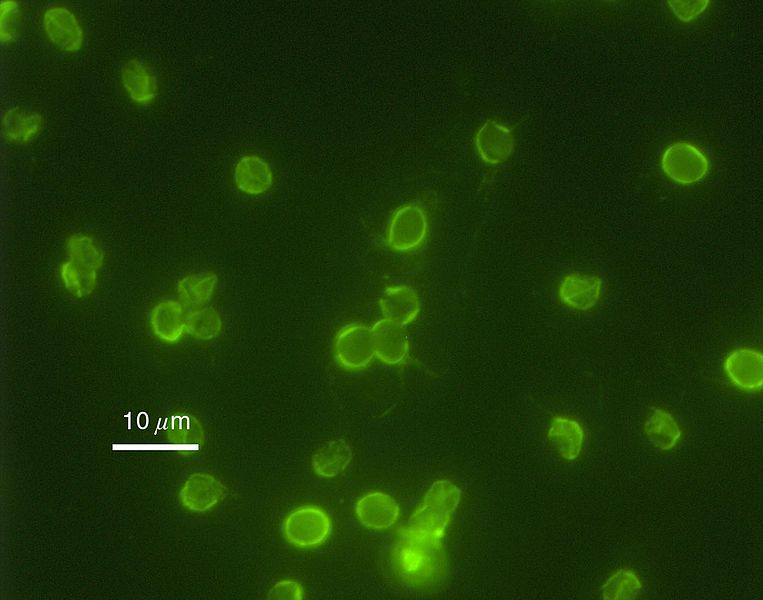
FSA763px-Cryptosporidium_parvum_01

The Health Protection Agency (HPA) today published findings of an investigation into an outbreak of Cryptosporidium infection that affected around 300 people in England and Scotland in May 2012.

The Food Standards Agency was part of the outbreak control team, led by the HPA, and gathered information on the production and distribution of salad vegetables to help identify the likely source of the outbreak.

The full HPA statement can be read via this HPA link

USA – Cuise Ship Norovirus Yet Again?

Food Poisoning NewsNorovirus

The Princess Cruise line Ruby Princess has reported a stomach illness outbreak on its latest cruise. The ship had voyage dates of March 3 to March 10, 2013. Symptoms include vomiting and diarrhea. There is no known cause, although the cause of most outbreaks on cruise ships is norovirus. Symptoms of that highly contagious virus include nausea, diarrhea, vomiting, abdominal pain, along with possible headache and low grade fever.

Two hundred sixty six passengers (out of 3,129) and 10 crew (out of 1,189) reportedly became ill during the voyage. The outbreak was communicated to the Vessel Sanitation Program of the Centers for Disease Control and Prevention on March 10, 2013, so no on board response to the outbreak was conducted.