Presence of Norovirus genotype I and II in clams from Canada in Spain
Presence of Norovirus GII genome in ready-to-cook frozen blackberries (blackbarries) from Italy in Germany

Presence of Norovirus genotype I and II in clams from Canada in Spain
Presence of Norovirus GII genome in ready-to-cook frozen blackberries (blackbarries) from Italy in Germany
Posted in food contamination, food handler, Food Hazard, Food Hygiene, Food Inspections, Food Micro Blog, Food Microbiology, Food Microbiology Blog, Food Microbiology Testing, Food Pathogen, Food Quality, food recall, Food Safety, Food Safety Alert, Food Safety Management, Food Safety Regulations, Food Testing, Food Virus, Norovirus, Norovirus Clams, RASFF
The Sea-Fisheries Protection Authority (SFPA) have today (Tuesday 27th February), published a new Food Safety Information Notice in relation to implementing effective strategies to manage norovirus risks in oysters, with the aim of reducing the incidence of contaminated oysters in the market and minimising the occurrence of norovirus-related illnesses. The publication of the notice coincides with the SFPA/Food Safety Authority of Ireland (FSAI) Annual Food Safety Worshops held in Clonakilty and Athlone on February 27th and 28th which includes a focus on norovirus and food incidents.
Norovirus, commonly known as the “winter vomiting bug”, is a significant cause of acute gastroenteritis often causing diarrhoea and vomiting. The virus is transmitted through the consumption of food or water contaminated with faecal matter or through contact with infected individuals or surfaces. It is prevalent in the community and can be present in discharges from even advanced wastewater treatment systems, which may not entirely eliminate norovirus.
Bivalve molluscs such as oysters are known to accumulate and concentrate norovirus. This poses a particular health risk as these shellfish are often consumed raw or lightly cooked, making them a potential source of infection.
The consumption of oysters contaminated with norovirus presents a significant public health risk. It is vital that Food Business Operators involved in oyster production are cognisant of this risk and implement appropriate management measures, especially during the high-risk winter period. These measures should be a part of their food safety management system, adhering to Hazard Analysis and Critical Control Points (HACCP) principles – further details on HACCP can be accessed here: https://www.fsai.ie/Business-Advice/Running-a-Food-Business/Food-Safety-Management-System-(HACCP)/Principles-of-HACCP.
Posted in FSAI, HACCP, Norovirus, Norovirus Oysters
Abstract
In 2020–2022, a total of 139 foodborne or household waterborne outbreaks were included
in the register of foodborne and waterborne outbreaks maintained by the Finnish Food
Authority. Of these, 135 (97%) were foodborne. A total of four household waterborne
outbreaks were reported over this same period. A total of 2 543 people were reported to
have fallen ill due food and 58 by household water.
As previously in the 2000s, norovirus was the most common reported cause of foodborne
outbreaks in 2020–2022. The norovirus caused 34 (25%) foodborne outbreaks. The largest
foodborne outbreak in 2020–2022 was caused by Salmonella Typhimurium in 2021, when
728 people became ill because of lunch meals in day-care centres. The causative agent
remained unknown in 33 (24%) foodborne outbreaks.
The most reported foods vectors were vegetables and vegetable products. These caused
16 outbreaks (12%). The second most common food vectors were fish and fish products,
including shellfish and mussels (12 outbreaks, 9%). However, in most of the outbreaks,
the food vector remained unidentified, or several foods were suspected as vectors (87
outbreaks, 64%).
The participation of an infected kitchen worker in food preparation and inadequate hand
hygiene resulted in 17% of foodborne outbreaks (23 outbreaks). In nearly all these cases the
causative agent was norovirus. The use of contaminated ingredients was linked to 18 (13%)
outbreaks. In 16 (12%) of outbreaks, there were inadequacies and errors in temperatures and
storage of food. The most reported location where foodborne outbreaks happened were
restaurants, cafés or hotels (64 outbreaks, 47%) The second most common were homes (16
outbreaks, 12%). A total of 16 national outbreaks or outbreaks with multiple locations were
also reported. Noroviruses caused two outbreaks identified as household waterborne and
campylobacters one outbreak. The causative agent remained unknown in one case. The
largest household waterborne outbreak was caused by campylobacter in 2020. A total of 43
people fell ill.
In 2020–2022, three swimming waterborne outbreaks, which caused 210 people to fall ill,
were reported in Finland. Either norovirus was diagnosed in swimmers, or their symptoms
suggested an infection caused by the norovirus. Norovirus was detected in the swimming
water only in one of the outbreaks. In all outbreaks, the quantities of indicator bacteria were
low. No clear cause of swimming water contamination was identified in any of the cases.
Presence of Norovirus genotype II in strawberries from Morocco in the Netherlands and Spain
Norovirus in oysters from France in Belgium
Posted in food contamination, food handler, Food Hazard, Food Hygiene, Food Inspections, Food Micro Blog, Food Microbiology, Food Microbiology Blog, Food Microbiology Testing, Food Pathogen, Food Quality, food recall, Food Safety, Food Safety Alert, Food Safety Management, Food Safety Regulations, Food Testing, Food Virus, Norovirus, Norovirus French Oysters, Norovirus Oysters, RASFF
A norovirus outbreak sickened 163 customers at Kisoji, a traditional Japanese restaurant chain in Tokyo, between Jan 30 and Feb 3.
According to health officials in Adachi Ward, the customers were aged between 6 and 88 and dined at Kisoji’s Nishiarai branch, TV Asahi reported. Some complained of diarrhea, while others vomited after eating the sashimi set menus and ehomaki sushi rolls. Three diners were admitted to the hospital for severe symptoms.
After the hospital determined the patients were suffering from norovirus, the public health center suspended operations at the Nishiarai restaurant from Feb 6 to 10.
Australian cruisers have escaped the current norovirus outbreak currently affecting passengers in the US. While there have been a reported 13 norovirus outbreaks on cruise ships in US ports since the start of the year. So far the southern hemisphere has escaped unscathed.
The most recent norovirus outbreak in the US was on Queen Victoria. She was on her way to Honolulu from San Francisco on a 107-night world cruise when more than 150 people on board reported symptoms.
US Centers for Disease Control and Prevention officials said of the 1824 passengers onboard, 129 (7.07%) reported being ill during the voyage. Of the 967 crew 25 (2.59%) also reported being unwell.
Norovirus is mainly spread directly from person to person or by touching contaminated surfaces.
Norovirus in oysters from France in Belgium
Norovirus in Oysters from France in Italy, Singapore, Switzerland, Kazakhstan
Norovirus in Frozen Giant American Blueberries from Poland in Italy and Malta
Posted in food contamination, food handler, Food Hazard, Food Hygiene, Food Inspections, Food Micro Blog, Food Microbiology, Food Microbiology Blog, Food Microbiology Testing, Food Pathogen, Food Quality, food recall, Food Safety, Food Safety Alert, Food Safety Management, Food Safety Regulations, Food Testing, Food Virus, Norovirus, Norovirus French Oysters, Norovirus Oysters, RASFF
Name of product on label: Mirtilli giganti americani (frozen product)
Brand: Freshona
Weight: 500g
Lot number: LP3144DL7
Durability date: 05/2025
For further information, the public is kindly requested to contact the Health Inspectorate Services between 8:00
a.m. and 2:30 p.m. on telephone number 21337333 or by email on admin.ehd@gov.mt. The public is also being
Posted in food contamination, food handler, Food Hazard, Food Hygiene, Food Inspections, Food Micro Blog, Food Microbiology, Food Microbiology Blog, Food Microbiology Testing, Food Pathogen, Food Quality, food recall, Food Safety, Food Safety Alert, Food Safety Management, Food Safety Regulations, Food Testing, Norovirus
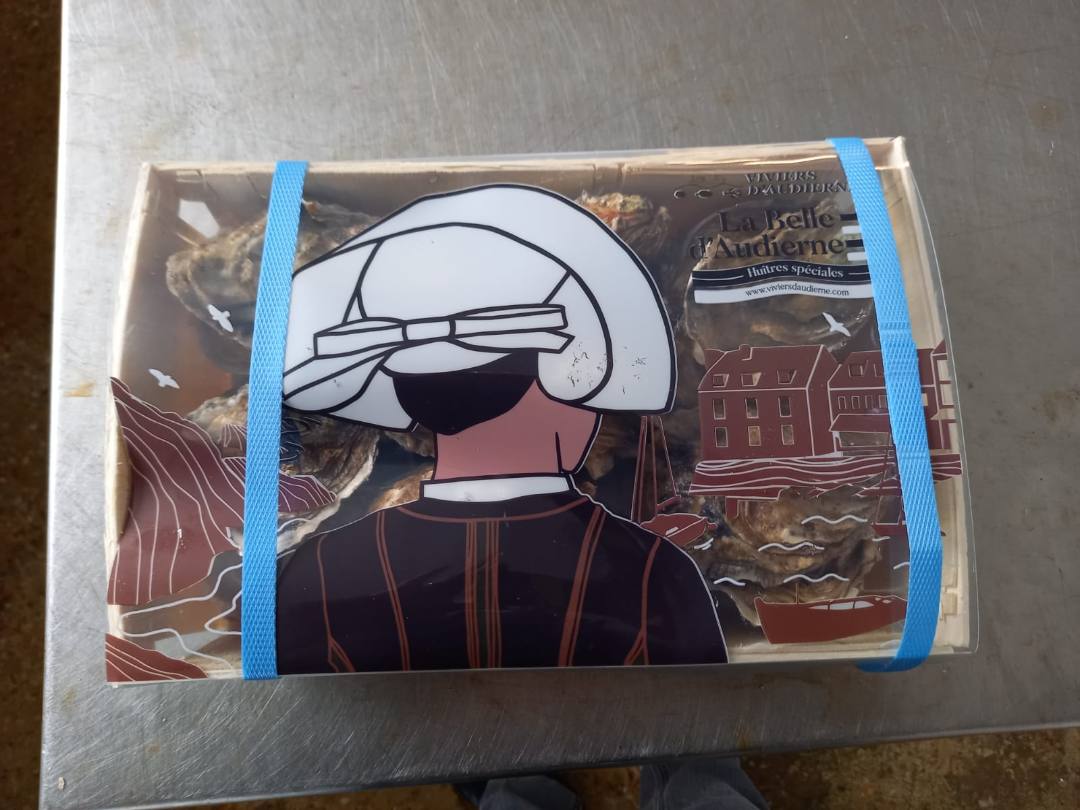
Product category
Food
Product subcategory
Fishing and aquaculture products
Product brand name
The Beauty of Audierne
Model names or references
Special Hollow Oyster n° 2 and n° 3
Product identification
GTIN Batch Date
3445570009386 All lots Use-by date between 01/18/2024 and 01/23/2024
3445570009379 All lots Use-by date between 01/18/2024 and 01/23/2024
Packaging
wooden hamper of 12 pcs – 1Kg, 24 pcs – 2kg, 3kg and 6kg
Start/end date of marketing
From 01/18/2024 to 01/23/2024
Storage temperature
Product to keep in the refrigerator
Health mark
FR 29.003.501 CE
Further information
hamper with personalized lid “LA BELLE D’AUDIERNE”
Geographical sales area
Whole France
Distributors
Brillat
Posted in food contamination, food handler, Food Hazard, Food Hygiene, Food Inspections, Food Micro Blog, Food Microbiology, Food Microbiology Blog, Food Microbiology Testing, Food Pathogen, Food Quality, food recall, Food Safety, Food Safety Alert, Food Safety Management, Food Safety Regulations, Food Testing, Norovirus, Norovirus French Oysters, Norovirus Oysters
Brand : Freshona
Name : American giant blueberries – frozen product
Reason for reporting : Recall due to microbiological risk
Publication date : 2 February 2024

Posted in food contamination, food handler, Food Hazard, Food Hygiene, Food Inspections, Food Micro Blog, Food Microbiology, Food Microbiology Research, Food Microbiology Testing, Food Pathogen, Food Quality, food recall, Food Safety, Food Safety Alert, Food Safety Management, Food Safety Regulations, Food Testing, Food Virus, Norovirus

 FoodWorld