Category Archives: Microbiology

USA – Pet Chicks sicken hundreds with Salmonella since January

Food Poison Journal

Since the last update on June 13, 2019, illnesses in an additional 489 people and eight states have been added to this investigation. Five additional Salmonella serotypes have also been added.

A total of 768 people infected with the outbreak strains of Salmonella have been reported from 48 states. Illnesses started on dates from January 1, 2019, to July 6, 2019. Ill people range in age from less than one year to 99 years, with a median age of 30 years. One hundred fifty-six ill people (24%) of 648 people with information are children younger than 5 years.  Fifty-seven percent are female. Of 419 people with information available, 122 (29%) have been hospitalized. Two deaths have been reported, one from Texas and one from Ohio.

Research – Reducing pathogenic bacteria during slaughtering and processing

Poultry World

Reducing rates of foodborne outbreaks in humans caused by salmonella and campylobacter continues to be a major task across the globe.

Figures from 2016 showed there were more than 356,000 cases of human zoonoses reported across the European Union with Campylobacteriosis (246,307) and Salmonellosis (94,530) by far the most predominant.

Earlier this month, Ireland reported its highest annual level of campylobacteriosiswith 3,030 cases – an increase of 8.7% compared with 2,786 patients in 2017. The highest rates of notification was in the 0-4 year age group.

Similary, in Holland the incidence of campylobacteriosis increased from 33 cases per 1,000 inhabitants in 2017 to 35 last year, with the country reporting 71,000 cases in 2018.

But now Norwegian firm DECON SFS believes it has manufactured a decontamination unit that can remove more than 99% of pathogenic bacteria during poultry meat slaughtering and processing.

And the results have been so successful that the company has garnered backing from the European Commission’s Horizon 2020 fund through grant support totalling €50,000.

USA – Outbreak of Multidrug-Resistant Salmonella Infections Linked to Contact with Pig Ear Dog Treats

CDC

Latest Outbreak Information
Illustration of a clipboard with check marks on it.
At A Glance
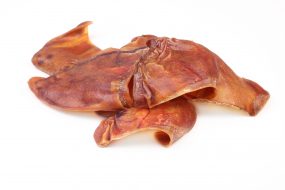
Photo of some pet treats.
  • Since the last update on July 3, 2019, 48 ill people and three additional Salmonella serotypes have been added to this investigation. Additional Salmonella serotypes include Infantis, London, and Newport.
  • A total of 93 people infected with the outbreak strains of Salmonella have been reported from 27 states.
    • Twenty ill people have been hospitalized. No deaths have been reported.
  • Epidemiologic evidence indicates that contact with pig ear dog treats is the likely source of this outbreak.
    • In interviews, 63 (90%) of 70 ill people reported contact with a dog before getting sick.
      • Of 49 people with available information, 34 (69%) reported contact with pig ear dog treats or with dogs who were fed pig ear dog treats.

Recall

  • On July 3, 2019, Pet Supplies Plus recalledexternal icon bulk pig ears stocked in open bins because they might be contaminated with Salmonella.
  • Do not feed recalled pig ears to your dog. Throw them away in a secure container so that your pets and other animals can’t eat them.
  • Even if some of the recalled pig ears were fed to your dog and no one got sick, do not continue to feed them to your dog.
    • Wash containers, shelves, and areas that held the recalled pig ear dog treats with hot, soapy water.
  • A common supplier of pig ear treats in this outbreak has not been identified. Pet owners can take steps to keep their families healthy while feeding pets.
  • This investigation is ongoing, and CDC will provide updates when more information is available.
Advice to Dog Owners

USA – Sixth Case of Legionnaires’ Linked to Sheraton Atlanta Hotel

Outbreak News Today

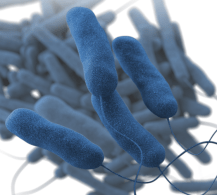
CDC legionella

Image CDC

As of today, 6 cases of Legionnaires’ disease have been linked to the Sheraton Downtown Atlanta Hotel. Following news of the hotel’s shut down last week, the Georgia Department of Health announced its involvement in the outbreak investigation.

The hotel said in a public statement that it could be several weeks before it reopens as health officials investigate. Meanwhile, guests of the hotel were relocated to the Hilton not far from the property.

Georgia Department of Public Health states it doesn’t know if the guests contracted the disease while actually staying at the hotel. The health agency believes the water system of the hotel could be to blame. “They have a beautiful swimming pool and it’s shut down right now. They say they’re working on the filtration system. Maybe they haven’t made the linkage,” Georgia State Epidemiologist Cherie Drenzek said.

But the pool isn’t the only suspect. “Showerheads, hot tubs, perhaps even some outbreaks in the past have been associated with decorative fountains,” Georgia Department of Health epidemiologist Cherie Drenzek said.

RASFF Alert – Animal Feed – Aflatoxin – Bird Feed

RASFF-Logo

RASFF – aflatoxins (B1 = 332 µg/kg – ppb) in groundnut kernels for birdfeed from India in the UK

RASFF Alerts – Animal Feed – Salmonella – Dog Chews – Egg Powder – Lamb Meal

RASFF-Logo

RASFF – Salmonella (presence /25g) in dog chews from Poland in Italy

RASFF – Salmonella enterica ser. Derby (presence /25g) in dog chews from Poland in Italy

RASFF – Salmonella enterica ser. Enteritidis (in 5 out of 5 samples) in egg powder from France in Belgium

RASFF – Salmonella (in 2 out of 5 samples /25g) in lamb meal from New Zealand in Belgium

UK – England: Health officials warn of E. coli STEC infections in individuals returning from Egypt

Outbreak News Today

British health officials are advising travelers to Egypt of a number of Shiga toxin-producing Escherichia coli (STEC) infections reported in people who traveled to the Hurghada region of Egypt.

There have been 18 cases of STEC in individuals returning from Egypt in 2019, including one case of Hemolytic Uremic Syndrome (HUS).

E. coli can cause an unpleasant diarrhea illness with stomach cramps and occasionally fever. Most people will recover without the need for medical treatment, but younger and older people may go on to develop complications of the infection, leading to kidney failure. This rare condition is called hemolytic uremic syndrome (HUS), which in very rare circumstances can be fatal.

E. coli is caught through ingesting contaminated food or water.

PHE

PHE recommends travellers to the region to:

  • where possible, avoid eating salads and uncooked vegetables
  • only eat fruit they can peel
  • avoid unpasteurised milk, cheese and ice cream
  • avoid food that has been left uncovered in warm environments and exposed to flies
  • ensure all meat is cooked thoroughly before you eat it, avoiding any meat that is pink or cold
  • avoid ice, unless made with filtered or bottled water, and tap water, even when brushing teeth
  • only drink bottled water or use ice made from bottled/filtered water
  • wash your hands thoroughly after visiting the toilet, and always before preparing or eating food. Alcohol gel can be helpful (but not entirely effective) when hand washing facilities are not available
  • when swimming, try and avoid swallowing water where possible and supervise children when swimming.
  • don’t swim whilst ill

For more information, visit NHS.UK.

This advice also applies to other countries where E. coli infections are common, including Turkey and Spain.

Dr Nick Phin, Deputy Director, National Infection Service, Public Health England, said:

We are aware of people returning from Egypt with E. coli infections, some with a serious kidney complication called haemolytic uraemic syndrome (HUS). We are gathering information about those affected to better understand the cause.

There are simple precautions that travellers can take. These include ensuring meat is cooked thoroughly, not drinking tap water or ice made from tap water and trying to avoid swallowing water when swimming.

Anyone suffering from diarrhoea and vomiting should ensure they keep well hydrated and seek medical advice if their symptoms don’t improve within 48 hours. They should also avoid preparing or serving food while they have symptoms and thoroughly wash their hands after using the toilet to stop the bug being passed to others. Individuals with symptoms after returning from holiday should seek medical advice from their GP or NHS 111.


Hong Kong – Test results of targeted surveillance on coagulase-positive staphylococci organisms in ready-to-eat food all satisfactory

CFS

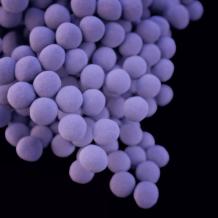
Staph

Image CDC

The Centre for Food Safety (CFS) of the Food and Environmental Hygiene Department today (July 8) announced the results of a recently completed targeted food surveillance project on coagulase-positive staphylococci organisms (including Staphylococcus aureus) in ready-to-eat food. All samples passed the test.

A spokesman for the CFS said that a total of 300 ready-to-eat food samples were collected from different retail outlets (including online retailers) and food factories for testing of coagulase-positive staphylococci organisms this year. The samples included meat, poultry and their products (for example shredded chicken, siu mei and lo mei), salad, sashimi and sushi, dessert, Chinese cold dishes, sandwiches and steamed rice rolls.

The spokesman pointed out that Staphylococcus aureus is a common bacterium that can cause food poisoning. It exists widely in the environment and is commonly found in the nasal cavity, throat, hair and skin of healthy individuals. It is also present in large numbers in wounds and infected regions. If food handlers do not observe good personal hygiene, Staphylococcus aureus can pass to foods from them. Foods stored at ambient temperature for a prolonged period will allow the toxin-producing Staphylococcus aureus to multiply and form elaborate enterotoxins which can cause food poisoning. Although most cases of infection are caused by Staphylococcus aureus, other coagulase-positive staphylococci species can also produce enterotoxins which can lead to food poisoning.

Food poisoning caused by coagulase-positive staphylococci organisms is usually associated with foods that require considerable manual handling during preparation and no subsequent cooking is required before consumption. The poisoning risk cannot be eliminated by reheating as enterotoxins produced by coagulase-positive staphylococci organisms cannot be destroyed under normal cooking temperatures. Common symptoms of food poisoning caused by coagulase-positive staphylococci organisms include nausea, vomiting and abdominal pain, often accompanied by diarrhoea.

“Despite the fact that test results of the samples were all satisfactory, the trade and the public should not take the risk lightly. They should always maintain good personal, environmental and food hygiene to ensure food safety. To prevent food poisoning caused by coagulase-positive staphylococci organisms, members of the public are reminded to keep perishable foods or leftovers at or below 4 degrees Celsius or above 60 degrees C. The trade should adhere to the Good Manufacturing Practice that cooked food should be cooled from 60 degrees C to 20 degrees C as quickly as possible (within two hours), and from 20 degrees C to 4 degrees C within four hours or less,” the spokesman said.
 

Iceland – E. coli O26 cluster rises to 17 cases, Linked to Efstidalur II farm

Outbreak News Today

In a follow-up on a recent report, Iceland health officials reported an additional E. coli infection in a one and a half year old child Friday, bringing the total cases in the cluster to 17.

A cluster of infections due to verotoxin producing Enterohemorrhagic Escherichia coli (EHEC) O26:H11 has been linked to the tourist attraction Efstidalur II, a farm and restaurant near Laugarvatn, about 55 miles from Reykjavik in the south of Iceland.

Research – Stainless Steel Sinks & Taps Linked to Legionnaires’ Disease

Legionella Control

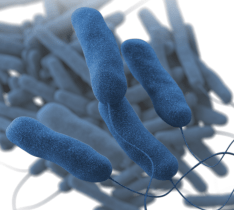
CDC legionella

Image CDC

Recent research looking at the growth of Legionella bacteria on stainless steel sinks and taps has shown that under certain conditions, the use of this popular metal can increase the health risks associated with the potentially life-threatening Legionnaires’ disease.

Stainless steel sinks are a popular choice in kitchens throughout the UK… however, research has indicated it may not be the wisest choice when considering the associated risks presented by the potentially deadly Legionella bacteria.

The same applies to stainless steel taps – also a popular choice for many understandable reasons.