Category Archives: Microbiology Risk

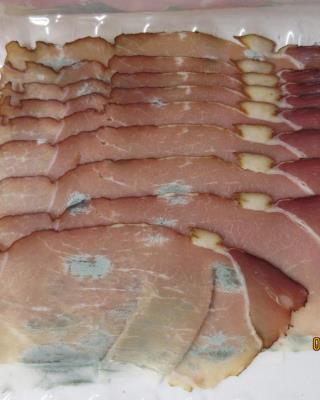
Czech Republic – BILLA Schwarzwälder Schinken – Microbial Activity

Potravinynapranyri

Illustrative photo #3

Place of inspection:
Brno ( Kounicova 966/67a, 602 00 Brno )
ID: 00685976
Food group: Meat and meat products Durable fermented products

BILLA Schwarzwälder Schinken
Category: Dangerous foods
Invalid parameter:

changes caused by microbial activity

Some of the packaging was found to contain mold visible to the naked eye. Food is not considered safe if it shows signs of spoilage.

Unsuitable storage temperatures of this product were not detected during the inspection. The food did not have an expiration date.

Expiration date: 28/02/2024
Packaging: 5 PP
Quantity of the product in the package: 0.1 kg
Manufacturer: MADE FOR: BILLA, spol. sro, Modletice 67, 251 01 Říčany u Prahy, Czech Republic
Date of sample collection: 2/5/2024
Reference number: 24-000152-SZPI-CZ
The sample was detected by the official control of the State Agricultural and Food Inspection.

Research – Leveraging Plasma-Activated Seawater for the Control of Human Norovirus and Bacterial Pathogens in Shellfish Depuration

MDPI

Abstract

Cold plasma is a promising alternative for water treatment owing to pathogen control and a plethora of issues in the agriculture and food sectors. Shellfish pose a serious risk to public health and are linked to large viral and bacterial outbreaks. Hence, current European regulations mandate a depuration step for shellfish on the basis of their geographical growth area. This study investigated the inactivation of relevant viral and bacterial pathogens of three plasma-activated seawaters (PASWs), and their reactive oxygen and nitrogen species (RONS) composition, as being primarily responsible for microbial inactivation. Specifically, F-specific (MS2) and somatic (φ174) bacteriophage, cultivable surrogate (murine norovirus, MNV, and Tulane virus, TV), and human norovirus (HuNoV GII.4) inactivation was determined using plaque counts and infectivity assays, including the novel human intestinal enteroid (HIE) model for HuNoV. Moreover, the kinetic decay of Escherichia coli, Salmonella spp., and Vibrio parahaemolyticus was characterized. The results showed the complete inactivation of phages (6–8 log), surrogates (5–6 log), HuNoV (6 log), and bacterial (6–7 log) pathogens within 24 h while preventing cytotoxicity effects and preserving mussel viability. Nitrites (NO2) were found to be mostly correlated with microbial decay. This research shows that PASWs are a suitable option to depurate bivalve mollusks and control the biohazard risk linked to their microbiological contamination, either viral or bacterial.

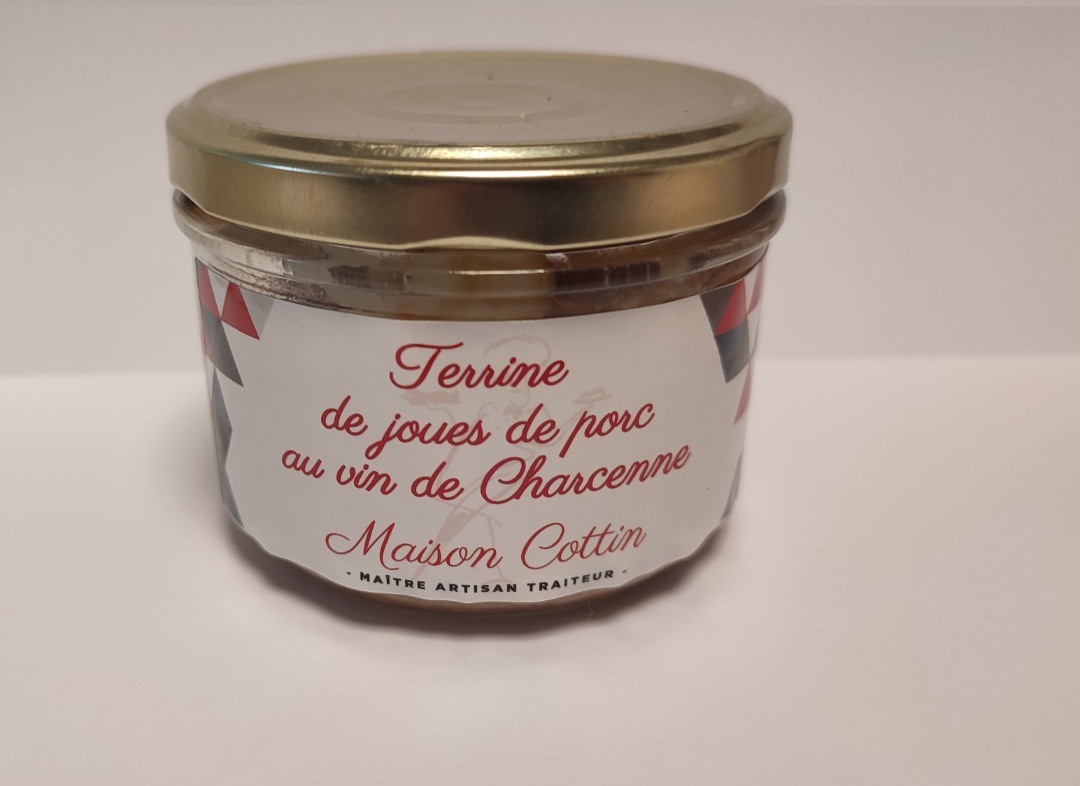
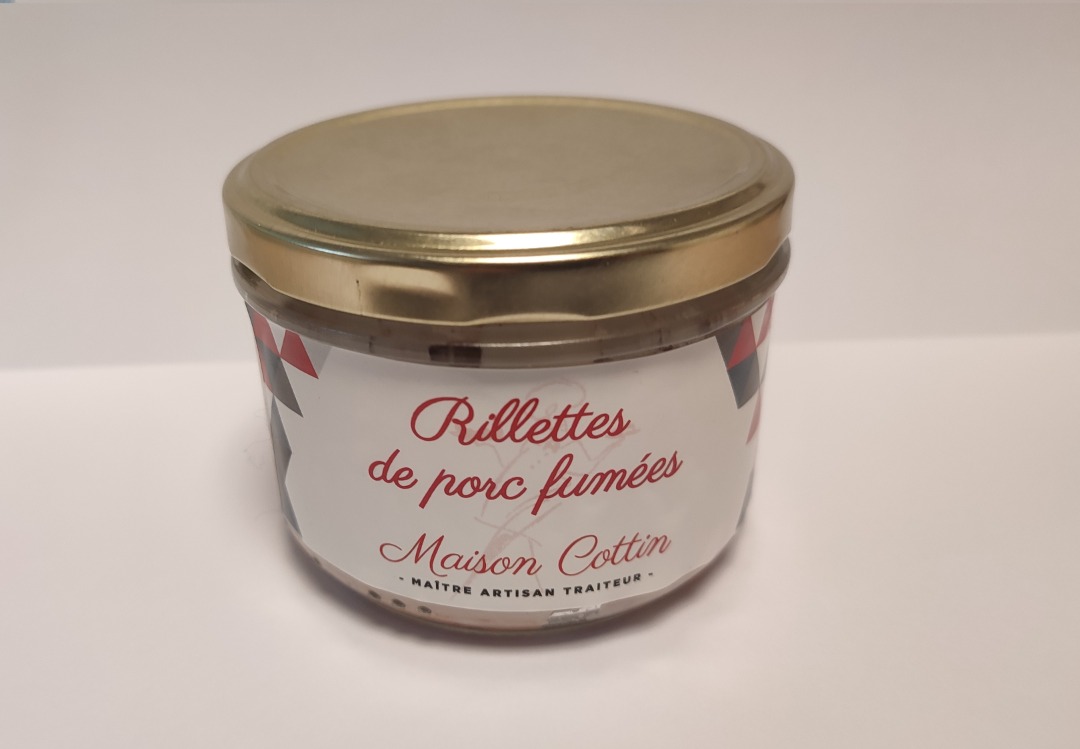
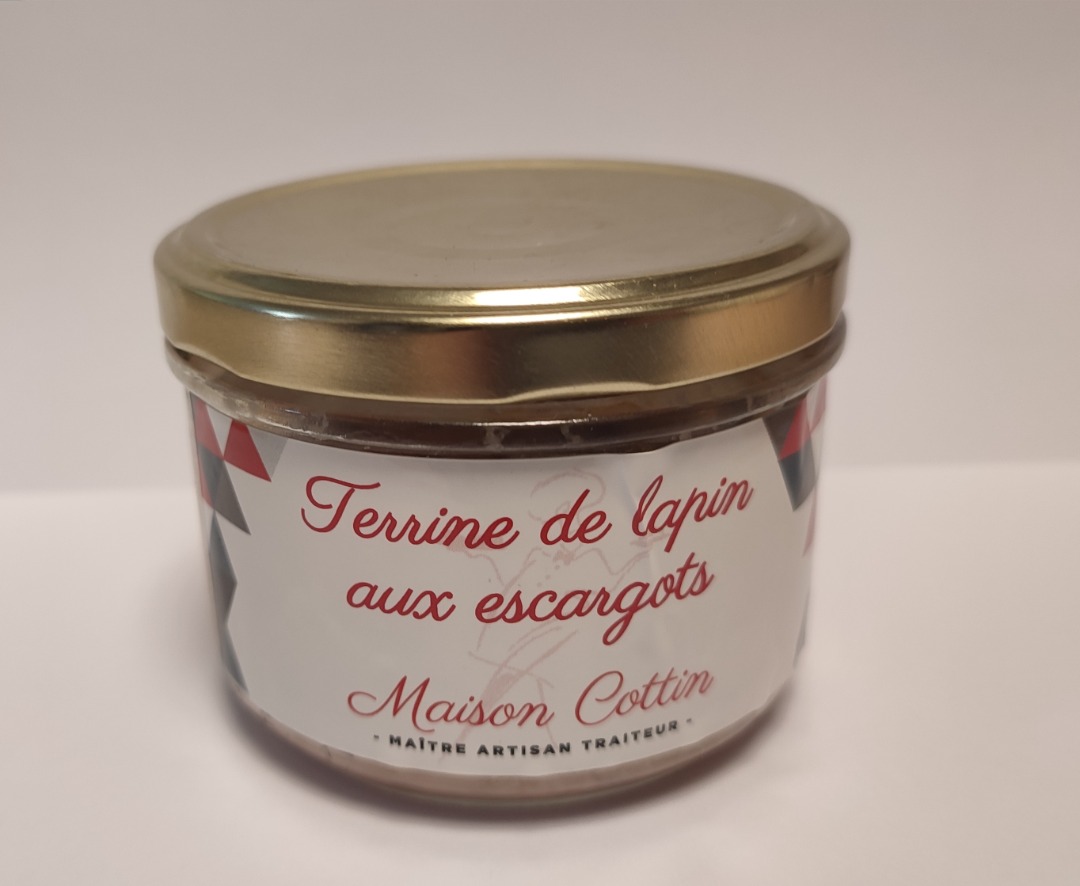
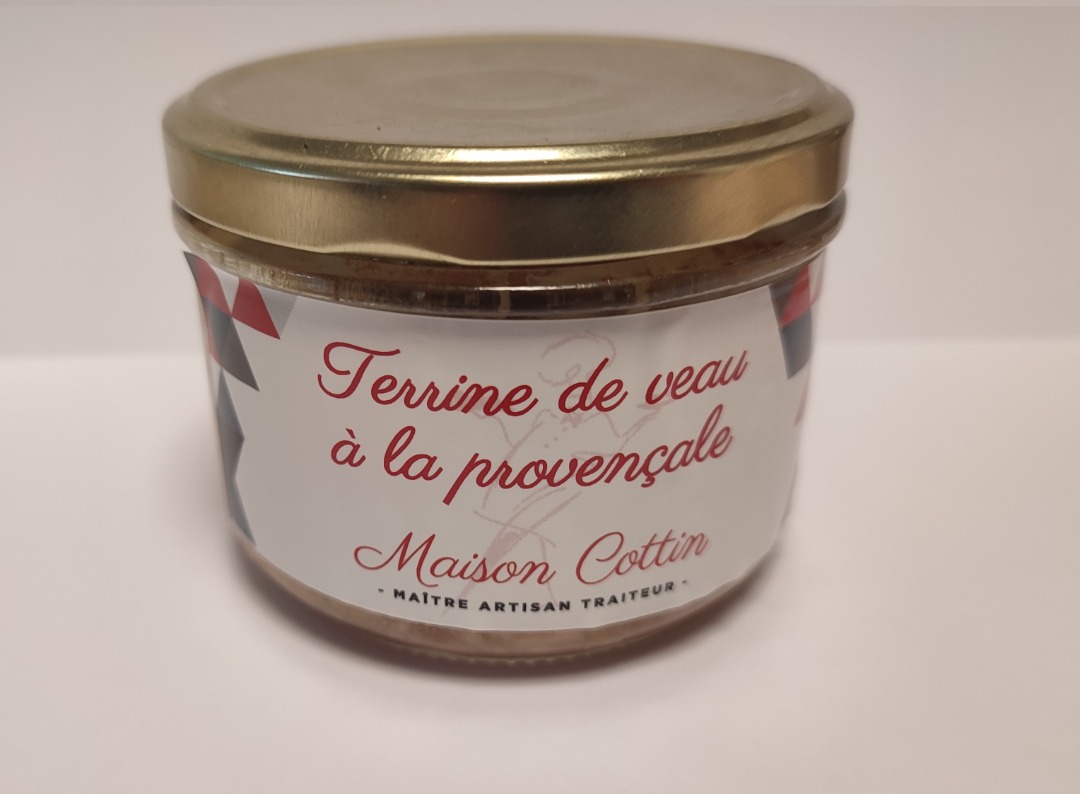
France – Various Bottled Products – Incorrect Manufacture – Possible Microbiology Issues

Gov France

Pork cheek terrine with Charcenne wine

Gov France

Smoked pork rillettes

Gov France

Rabbit terrine with snails

Gov France

Forest poultry terrine

Gov France

Gov France

Provençal-style veal terrine

Gov France

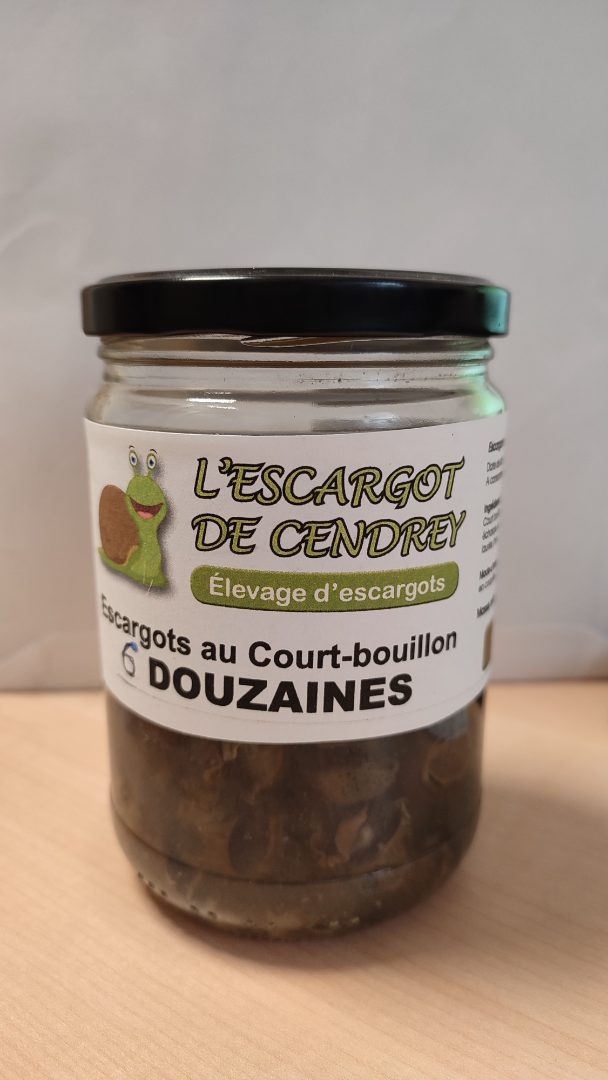
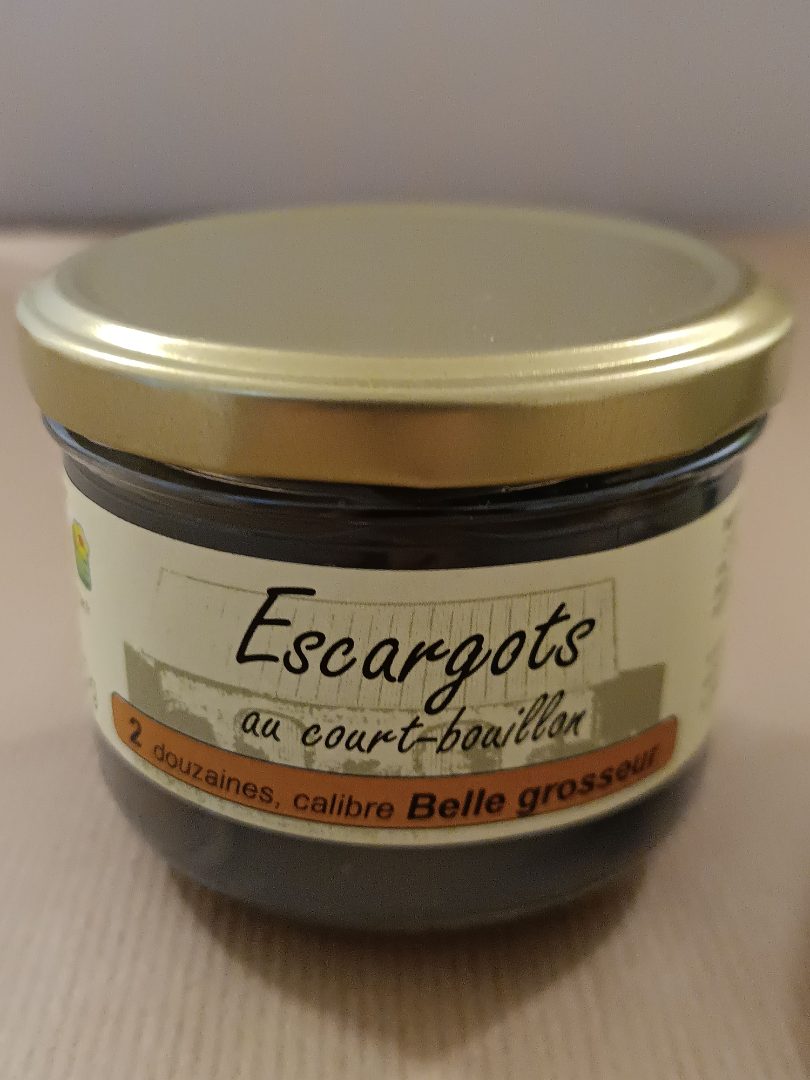
Snails in Court Bouillon

Research – Low-Temperature Plasma used to remove E. coli from hydroponically grown crops

Science Daily

A group led by researchers at Nagoya University and Meijo University in Japan has developed a disinfection technology that uses low-temperature plasma generated by electricity to cultivate environmentally friendly hydroponically grown crops. This innovative technology sterilizes the crops, promoting plant growth without the use of chemical fertilizers. Their findings appeared in Environmental Technology & Innovations.

In hydroponic agriculture, farmers cultivate plants by providing their roots with a nutrient solution.

However, the nutrient solution can become infected with pathogenic E. coli strains, contaminating the crop and leading to foodborne illnesses.

France – More Snail Products – Defects

Gov France

Snails in court broth

Gov France

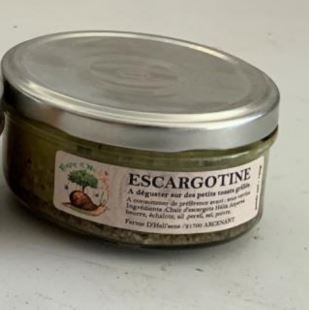
Snail

Gov France

5 dozen snails in broth

Morocco – Food Safety Office: Moroccan Strawberries Cleared of Hepatitis A Virus – Norovirus

Morocco World News

Rabat – The National Office for Food Safety in Morocco (ONSSA) confirmed on Friday that Moroccan strawberries exported to Europe have been cleared of Hepatitis A virus contamination, following an extensive investigation.

The statement from the office comes after the Rapid Alert System for Food and Feed (RASFF) was triggered in Europe and raised concerns over the safety of Moroccan strawberries, alleging the presence of the Hepatitis A virus.

In the wake of the alert, ONSSA carried out extensive analysis. The results showed that strawberries tested negative for both Hepatitis A and Norovirus.

Research – A Critical Review of Risk Assessment Models for Listeria monocytogenes in Seafood

MDPI

Abstract

Invasive listeriosis, due to its severe nature in susceptible populations, has been the focus of many quantitative risk assessment (QRA) models aiming to provide a valuable guide in future risk management efforts. A review of the published QRA models of Listeria monocytogenes in seafood was performed, with the objective of appraising the effectiveness of the control strategies at different points along the food chain. It is worth noting, however, that the outcomes of a QRA model are context-specific, and influenced by the country and target population, the assumptions that are employed, and the model architecture itself. Studies containing QRA models were retrieved through a literature search using properly connected keywords on Scopus and PubMed®. All 13 QRA models that were recovered were of short scope, covering, at most, the period from the end of processing to consumption; the majority (85%) focused on smoked or gravad fish. Since the modelled pathways commenced with the packaged product, none of the QRA models addressed cross-contamination events. Many models agreed that keeping the product’s temperature at 4.0–4.5 °C leads to greater reductions in the final risk of listeriosis than reducing the shelf life by one week and that the effectiveness of both measures can be surpassed by reducing the initial occurrence of L. monocytogenes in the product (at the end of processing). It is, therefore, necessary that future QRA models for RTE seafood contain a processing module that can provide insight into intervention strategies that can retard L. monocytogenes’ growth, such as the use of bacteriocins, ad hoc starter cultures and/or organic acids, and other strategies seeking to reduce cross-contamination at the facilities, such as stringent controls for sanitation procedures. Since risk estimates were shown to be moderately driven by growth kinetic parameters, namely, the exponential growth rate, the minimum temperature for growth, and the maximum population density, further work is needed to reduce uncertainties.

Research – Outbreaks hit record high in France in 2022

Food Poison Journal

France reported a record high number of foodborne outbreaks in 2022, according to recently released data.

Notified outbreaks were at their highest since the start of surveillance in 1987 and continued the upward trend observed before the COVID-19 pandemic.

In 2022, 1,924 outbreaks were declared, affecting 16,763 people, of whom 643 went to hospital, and 17 died, said Santé publique France.

For 376 outbreaks, a pathogen could be confirmed in the food or in at least one sick person. A pathogen was suspected without microbiological confirmation for 1,260 outbreaks. For 288 outbreaks, no infectious agent was identified or suspected.

Italy – VITEL TONNE – slices of cooked adult bovine meat in tuna sauce- Microbiological Risk

Salute

Brand : Gianni Negrini srl

Name : VITEL TONNE – slices of cooked adult bovine meat in tuna sauce

Reason for reporting : Recall due to microbiological risk

Publication date : 16 February 2024

Documentation

Documentation

Italy – VITEL TONNE – slices of cooked adult bovine meat in tuna sauce – Microbiology Risk

Salute

Brand : Gianni Negrini srl

Name : VITEL TONNE – slices of cooked adult bovine meat in tuna sauce

Reason for reporting : Recall due to microbiological risk

Publication date : 16 February 2024

Documentation

Documentation