Mould in post-extraction sunflower meal from Ukraine in Poland and Lithuania
Mould in feed – post-extraction sunflower meal from Ukraine in Poland

Mould in post-extraction sunflower meal from Ukraine in Poland and Lithuania
Mould in feed – post-extraction sunflower meal from Ukraine in Poland
Salmonella Derby in freeze fried Broiler Harts from Estonia in Finland
Salmonella Typhimurium in hemoglobin meal from Spain from Spain in Finland
Salmonella in compound feed for laying hens from Poland in Lithuania
Salmonella Taksony in supplementary feed for dairy cows from Germany in the Czech Republic
Posted in food bourne outbreak, Food Illness, Food Micro Blog, Food Microbiology, Food Microbiology Blog, Food Microbiology Research, Food Microbiology Testing, Foodborne Illness, foodborne outbreak, foodbourne outbreak, Illness, microbial contamination, Microbial growth, Microbiological Risk Assessment, Microbiology, Microbiology Investigations, Microbiology Risk, outbreak, Salmonella
Public health officials are investigating multistate outbreaks of Salmonella linked to contact with backyard poultry. Any backyard poultry can carry Salmonella germs that can make you sick. Always take steps to stay healthy around your flock.
Backyard poultry, like chickens and ducks, can carry Salmonella germs even if they look healthy and clean. These germs can easily spread to anything in the areas where the poultry live and roam.
You can get sick from touching your backyard poultry or anything in their environment and then touching your mouth or food and swallowing Salmonella germs.
Call your healthcare provider right away if you have any of these severe symptoms:
Posted in Decontamination Microbial, Food Illness, Food Micro Blog, Food Microbiology, Food Microbiology Blog, Food Microbiology Testing, Foodborne Illness, foodborne outbreak, foodbourne outbreak, Illness, microbial contamination, Microbial growth, Microbiological Risk Assessment, Microbiology, Microbiology Investigations, Microbiology Risk, outbreak, Salmonella, Salmonella in Chicken

Fifty cases of Cryptosporidium have been traced to a farm on an island off the south coast of England.
The UK Health Security Agency (UKHSA)’s South East branch has tried to contact people who visited Hazelgrove Farm from April to the start of May on the Isle of Wight.
People are thought to have become sick after coming into contact with animals. The farm halted animal petting activity in early May.
No ongoing risk
Dr. Anand Fernandes, the health protection consultant for UKHSA South East, said there is no ongoing risk to the public associated with the farm.
Posted in Contaminated water, Cryptosporidiosis, Cryptosporidium, food bourne outbreak, Food Illness, Food Micro Blog, Food Microbiology, Food Microbiology Blog, Food Microbiology Research, Food Microbiology Testing, Foodborne Illness, foodborne outbreak, foodbourne outbreak, Illness, microbial contamination, Microbial growth, Microbiological Risk Assessment, Microbiology Investigations, Microbiology Risk, outbreak, water microbiology, Water Safety
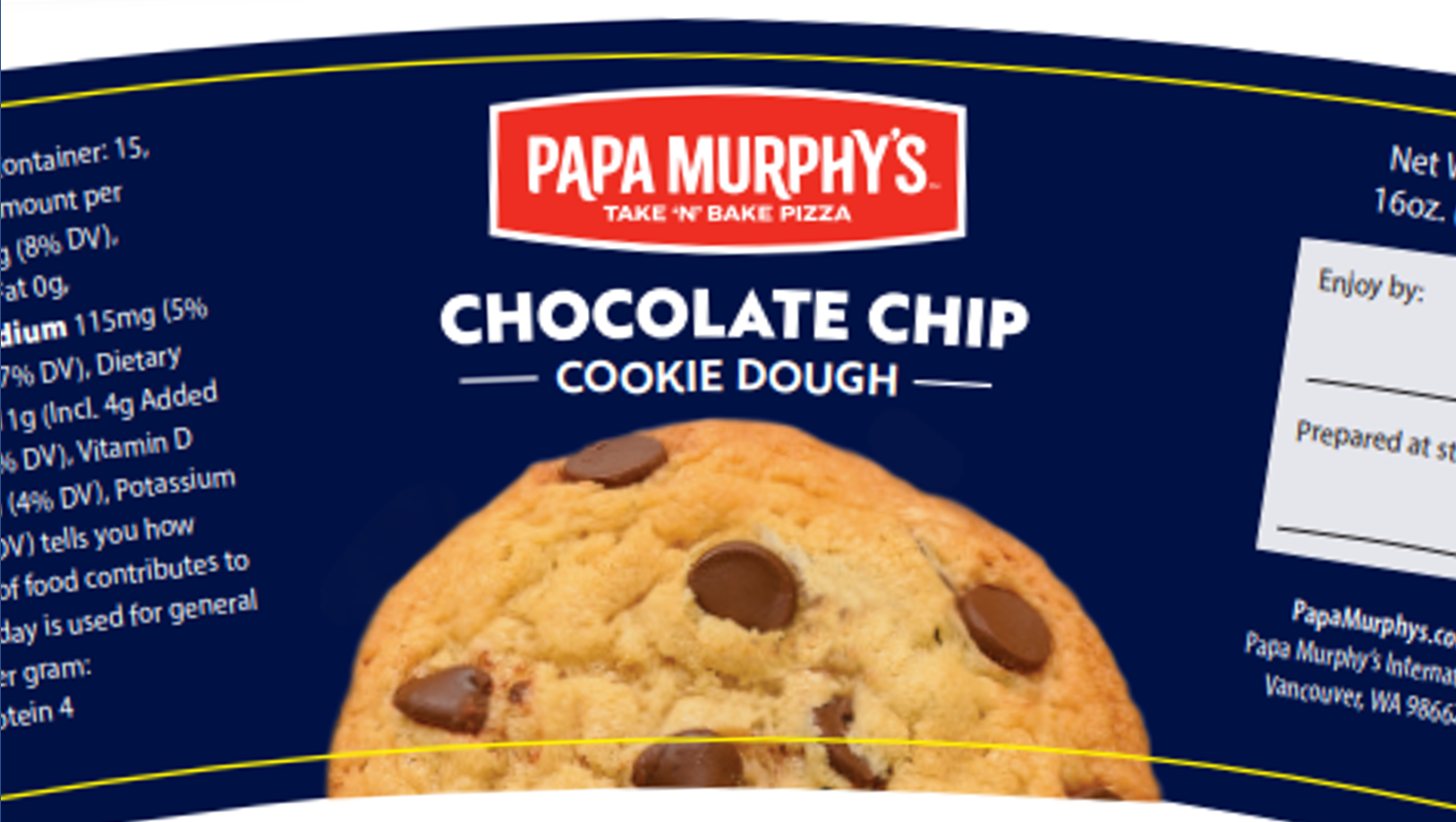
Papa Murphy’s raw cookie dough:
Nine sick people reported eating raw cookie dough from Papa Murphy’s Take ‘N’ Bake Pizza in the week before they got sick. Based on this information, Papa Murphy’s has temporarily stopped selling their raw chocolate chip cookie dough and raw S’mores bars dough.
At least two sick people did not eat at Papa Murphy’s. Investigators are working to identify the contaminated ingredient in the raw cookie dough.
Posted in CDC, food bourne outbreak, Food Illness, Food Micro Blog, Food Microbiology, Food Microbiology Blog, Food Microbiology Research, Food Microbiology Testing, Foodborne Illness, foodborne outbreak, foodbourne outbreak, Illness, microbial contamination, Microbial growth, Microbiological Risk Assessment, Microbiology, Microbiology Investigations, Microbiology Risk, outbreak, Salmonella
Dozens of people were admitted to hospital in India over the weekend after suspected food poisoning at a wedding function on May 17.
The exact numbers remain uncertain, but as many as 135 guests have been hospitalized, the Hindu reported, adding that many of them are children.
The wedding took place in Kalady, in the Malappuram district in Kerala. The following day, many of the guests began experiencing symptoms of diarrhea, vomiting and fever and many were admitted to hospital on May 19, health officials said. No one is said to be in a critical condition.
According to local reports, last Wednesday’s wedding wasn’t the only mass food poisoning incident last week. Roughly 60 guests at a wedding in a neighboring district, including a pregnant woman, were hospitalized on Sunday afternoon due to food poisoning, which the guests claim was caused by a fish curry.
Posted in Food Illness, Food Micro Blog, Food Microbiology, Food Microbiology Blog, Food Microbiology Research, Food Microbiology Testing, Food Poisoning, Foodborne Illness, Illness, microbial contamination, Microbial growth, Microbiological Risk Assessment, Microbiology, Microbiology Investigations, Microbiology Risk
Udayamperoor: Over 75 people have fallen ill after consuming food at a wedding reception in Malekadu in Ernakulam food poisoning is suspected
For centuries, the sudden and mysterious death of King Henry I has been attributed to a large meal of lampreys that accidentally poisoned the unfortunate monarch. In this article, we conclude that lampreys were likely not the cause of the king’s illness, nor is it likely that he was deliberately poisoned. Although a wide variety of abdominal pathologies could have been responsible, we suggest that a sporadic central nervous system (CNS) infection of Listeria monocytogenes appears to be the most likely cause of Henry’s death, correlating with both his symptoms and rapid decline.
Posted in Decontamination Microbial, food death, Food Illness, Food Micro Blog, Food Microbiology, Food Microbiology Blog, Food Microbiology Research, Food Microbiology Testing, Foodborne Illness, Foodborne Illness Death, Illness, Listeria, Listeria monocytogenes, microbial contamination, Microbial growth, Microbiological Risk Assessment, Microbiology, Microbiology Investigations, Microbiology Risk

 FoodWorld