Category Archives: microbial contamination

RASFF Alert- Bacterial Contamination – Spring Water

RASFF

Bacteria in natural sping water from Finland to Singapore

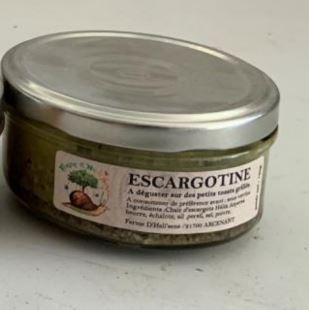
France – Snails – Possible Micro Spoilage

Gov France

Product category
Food
Product subcategory
Snails and frogs
Product brand name
HELI’SENS Farm
Model names or references
Provençal-style escargotine Bourguignone-style escargotine
Product identification
Batch Date
1526 Minimum durability date 11/30/2025
Packaging
Verrine 190TO82, net mass: 120g
Start/end date of marketing
From 11/25/2023 to 03/06/2024
Storage temperature
Product to be stored at room temperature
Health mark
25,056,058
Further information
Snail spread from lot 1526 to be found under the glass.
Geographical sales area
Departments: COTE-D’OR (21)
Distributors
Direct sale by Ferme d’Heli’Sens

Taiwan – Rare toxin suspected in 14 severe cases of food poisoning – Bongkrek acid is a toxin produced by the bacterium Burkholderia gladioli

Radio Taiwan International

14 severe cases of suspected food poisoning have been reported so far, including two deaths and five people currently hospitalized in critical condition. In a Legislature interview on Thursday, Health Minister Hsueh Jui-yuan (薛瑞元) stated that, after discussions with experts, the incident was highly likely caused by Bongkrek acid contamination and testing is currently underway.

Bongkrek acid is a toxin produced by the bacterium Burkholderia gladioli pathovar cocovenenans occasionally found in fermented coconut or corn. When consumed, symptoms can include vomiting, diarrhea, urinary retention, abdominal pain, and excessive sweating as the toxin mainly targets the liver, brain, and kidneys.

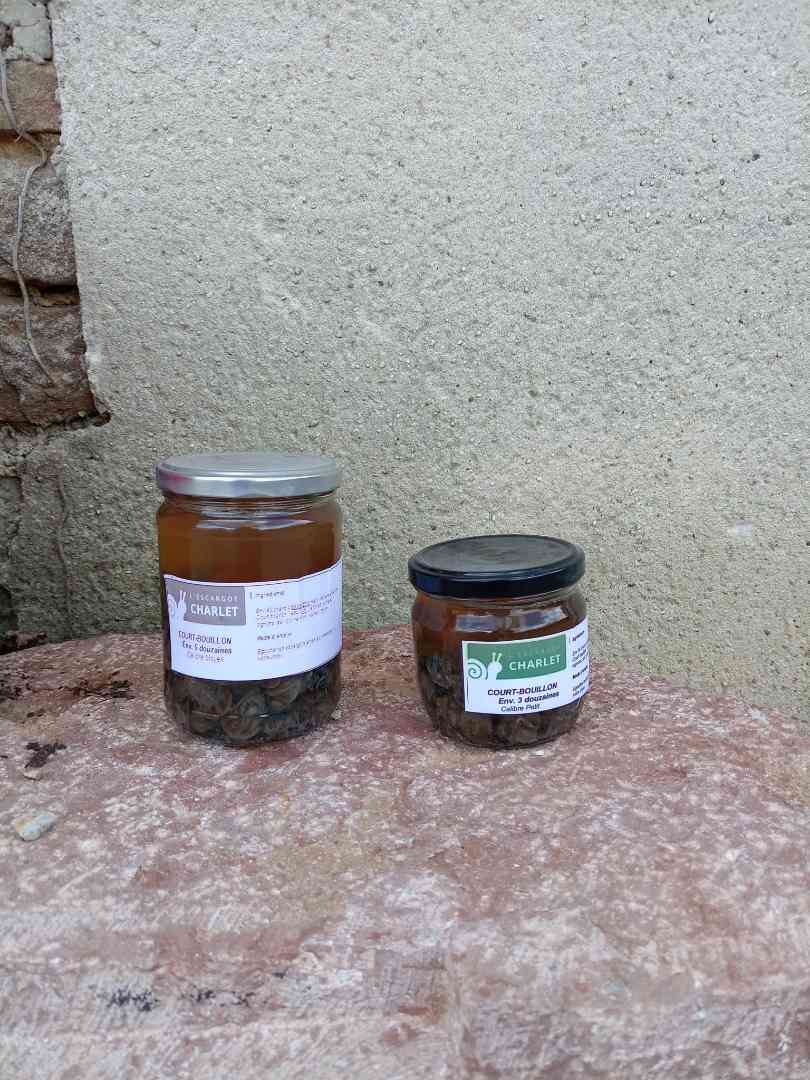
France – Court-bouillon snails – Possible Micro Issues – Manufacturing Defects

Gov France

Product category
Food
Product subcategory
Others
Product brand name
charlet snail
Model names or references
short broth verrine
Product identification
Batch Date
LOT 1529 Use-by date 11/30/2025
Packaging
verrine 580TO82 / verrine 370TO82
Start/end date of marketing
From 01/12/2023 to 15/12/2023
Storage temperature
Product to be stored at room temperature
Health mark
FR 25056058CE
Geographical sales area
Regions: Burgundy-Franche-Comté
Distributors
charlet snail

Finland – Meat products linked to the majority of Hepatitis E cases in Finland

Food Safety News

A hepatitis E-positive meat product appears to be behind most of the infections that occurred earlier this year in Finland.

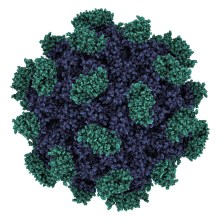
The hepatitis E virus previously detected in sausages from a domestic manufacturer is similar to samples from most people affected by the outbreak at the start of 2024.

This was found during a strain comparison of viruses by the Finnish Food Authority (Ruokavirasto) and the National Institute of Health and Welfare (THL).

More than 120 people from different parts of Finland have fallen ill in the outbreak between January and March.

Czech Republic – BILLA Schwarzwälder Schinken – Microbial Activity

Potravinynapranyri

Illustrative photo #3

Place of inspection:
Brno ( Kounicova 966/67a, 602 00 Brno )
ID: 00685976
Food group: Meat and meat products Durable fermented products

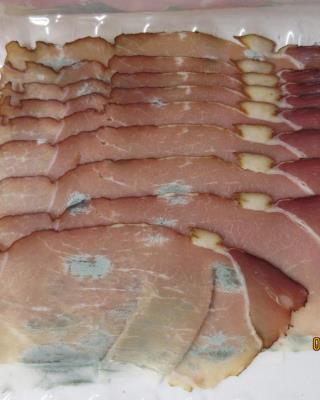
BILLA Schwarzwälder Schinken
Category: Dangerous foods
Invalid parameter:

changes caused by microbial activity

Some of the packaging was found to contain mold visible to the naked eye. Food is not considered safe if it shows signs of spoilage.

Unsuitable storage temperatures of this product were not detected during the inspection. The food did not have an expiration date.

Expiration date: 28/02/2024
Packaging: 5 PP
Quantity of the product in the package: 0.1 kg
Manufacturer: MADE FOR: BILLA, spol. sro, Modletice 67, 251 01 Říčany u Prahy, Czech Republic
Date of sample collection: 2/5/2024
Reference number: 24-000152-SZPI-CZ
The sample was detected by the official control of the State Agricultural and Food Inspection.

Research – Leveraging Plasma-Activated Seawater for the Control of Human Norovirus and Bacterial Pathogens in Shellfish Depuration

MDPI

Abstract

Cold plasma is a promising alternative for water treatment owing to pathogen control and a plethora of issues in the agriculture and food sectors. Shellfish pose a serious risk to public health and are linked to large viral and bacterial outbreaks. Hence, current European regulations mandate a depuration step for shellfish on the basis of their geographical growth area. This study investigated the inactivation of relevant viral and bacterial pathogens of three plasma-activated seawaters (PASWs), and their reactive oxygen and nitrogen species (RONS) composition, as being primarily responsible for microbial inactivation. Specifically, F-specific (MS2) and somatic (φ174) bacteriophage, cultivable surrogate (murine norovirus, MNV, and Tulane virus, TV), and human norovirus (HuNoV GII.4) inactivation was determined using plaque counts and infectivity assays, including the novel human intestinal enteroid (HIE) model for HuNoV. Moreover, the kinetic decay of Escherichia coli, Salmonella spp., and Vibrio parahaemolyticus was characterized. The results showed the complete inactivation of phages (6–8 log), surrogates (5–6 log), HuNoV (6 log), and bacterial (6–7 log) pathogens within 24 h while preventing cytotoxicity effects and preserving mussel viability. Nitrites (NO2) were found to be mostly correlated with microbial decay. This research shows that PASWs are a suitable option to depurate bivalve mollusks and control the biohazard risk linked to their microbiological contamination, either viral or bacterial.

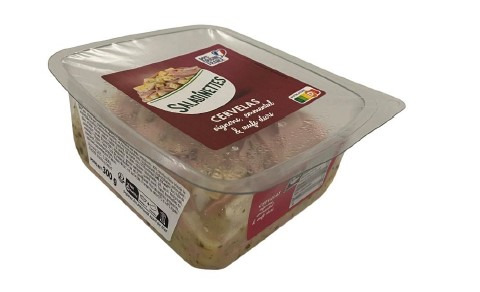
France – Alsatian salad 300g – Microbiological Risk

Gov France

Product category
Food
Product subcategory
Prepared meals and snacks
Product brand name
Saladinettes
Model names or references
Alsatian salad 300g
Product identification
GTIN Batch Date
4056489614302 407310 Use-by date 04/10/2024
Packaging
300g tray
Start/end date of marketing
From 03/14/2024 to 03/20/2024
Storage temperature
Product to keep in the refrigerator
Geographical sales area
See the list of affected stores
Distributors
Some Lidl supermarkets (see list)
List of points of sale
Store_list.pdf

RASFF Alert- High Levels of Microorganisms – Zander Fillet

RASFF

High count of microorganisms in Zander fillet from Poland, via Germany in Austria

Research – Low-Temperature Plasma used to remove E. coli from hydroponically grown crops

Science Daily

A group led by researchers at Nagoya University and Meijo University in Japan has developed a disinfection technology that uses low-temperature plasma generated by electricity to cultivate environmentally friendly hydroponically grown crops. This innovative technology sterilizes the crops, promoting plant growth without the use of chemical fertilizers. Their findings appeared in Environmental Technology & Innovations.

In hydroponic agriculture, farmers cultivate plants by providing their roots with a nutrient solution.

However, the nutrient solution can become infected with pathogenic E. coli strains, contaminating the crop and leading to foodborne illnesses.