Category Archives: Methods

USA – FDA Tips to Feed Pets Without Contracting Salmonella

FDAFDA

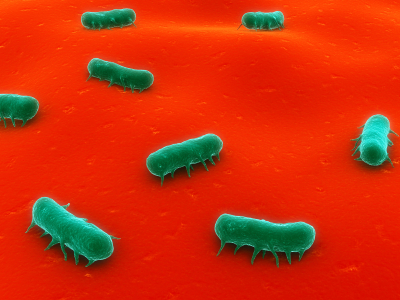
The Food and Drug Administration is giving consumers, especially reptile owners, tips on how to prevent Salmonella infection from handling feeder rodents and reptiles. Feeder rodents are mice and rats—both frozen and live—used to feed some reptiles, such as certain snakes and lizards, as well as some amphibians. Feeder rodents, reptiles, and amphibians can be sources of Salmonella infection for people.

Salmonellosis is an infection with bacteria called Salmonella. People get salmonellosis by ingesting Salmonella germs. Persons infected with Salmonella develop diarrhea, fever, and abdominal cramps 12-72 hours after infection. The illness usually lasts 4-7 days, and most persons recover without treatment. However, the illness can be serious, even fatal, in some people. Children under 5 years of age, the elderly, and people with weakened immune systems are at higher risk for salmonellosis and may develop more severe illness.

Rodents and reptiles can naturally carry Salmonella in their intestines but show no signs of illness. The animals shed the bacteria in their feces and droppings. These, in turn, contaminate the environment with Salmonella, including the outside of the animals’ bodies and their habitats. Freezing does not kill Salmonella, so both frozen and live feeder rodents can be contaminated with these germs. Over 500 human cases of salmonellosis in three countries, including the U.S., were linked to frozen rodent exposure between 2008 and 2010.

People may become infected with Salmonella after handling feeder rodents, reptiles, or amphibians, surfaces that have been in contact with these animals, or the environment in which the animal lives.

Contaminated surfaces may include countertops, microwave ovens, refrigerators and freezers, kitchen utensils, and glasses and bowls used to store, thaw, and prepare frozen feeder rodents. Reptile and rodent habitats, including their cages or enclosures, bedding, basking rocks, food and water dishes, and other objects in their cages or enclosures may also be contaminated with Salmonella. Germs picked up from touching the animal or habitat can be spread to other people or surfaces. Therefore, people should wash their hands thoroughly with soap and water right after touching these animals, their food, or anything in the area where they live and roam. Running water and soap are best, but hand sanitizers may be used if running water and soap are not available.

Research – Norovirus Shedding

Cambridge Journals OnlineNorovirus

Norovirus is a common cause of gastroenteritis in all ages. Typical infections cause viral shedding periods of days to weeks, but some individuals can shed for months or years. Most norovirus risk models do not include these long-shedding individuals, and may therefore underestimate risk. We reviewed the literature for norovirus-shedding duration data and stratified these data into two distributions: regular shedding (mean 14–16 days) and long shedding (mean 105–136 days). These distributions were used to inform a norovirus transmission model that predicts the impact of long shedders. Our transmission model predicts that this subpopulation increases the outbreak potential (measured by the reproductive number) by 50–80%, the probability of an outbreak by 33%, the severity of transmission (measured by the attack rate) by 20%, and transmission duration by 100%. Characterizing and understanding shedding duration heterogeneity can provide insights into community transmission that can be useful in mitigating norovirus risk.

Research – Various Studies on Product Microbial Decontamination – Salmonella – E.coli O157 – Clostridium

Wiley Online – Essential Oils Inactivation of Salmonella on Cherry Tomato’s

Wiley Online – The Efficacy of Satureja khuzistanica Essential Oil Treatment in Reducing Escherichia coli O157:H7 Load on Alfalfa Seeds Prior to Sprouting

Ingenta Connect – Commercial Thermal Process for Inactivating Salmonella Poona on Surfaces of Whole Fresh Cantaloupes

Ingenta Connect – Dynamic Effects of Free Chlorine Concentration, Organic Load, and Exposure Time on the Inactivation of Salmonella, Escherichia coli O157:H7, and Non-O157 Shiga Toxin-Producing E. coli

Ingenta Connect – Effect of Packaging Systems and Pressure Fluids on Inactivation of Clostridium botulinum Spores by Combined High Pressure and Thermal Processing


Research – Salmonella/Listeria/Airborne Contamination – Poultry

IngentaConnect– Frequency of Salmonell and Listeria on Chicken Eggs

IngentaConnect– Airborne Contamination in Poultry Slaughter Houses

Canada – Research -Parasites in Retail Leafy Greens

CTV News220px-Cyclospora_cayetanensis_stained

In the first-ever large-scale study of its kind, Canadian researchers have  tested how clean pre-washed packages of leafy greens really are, and found  parasites in dozens of samples purchased in Ontario.

Looking at 544 samples of store-bought, pre-washed salads, researchers from  Health Canada and the Public Health Agency of Canada found nearly one-tenth of  the samples were contaminated with either cyclospora, cryptosporidium or giardia  — parasites that can cause intestinal illness, such as diarrhea.

“In the present study, a relatively high prevalence of all three parasites  was found in packaged, ready-to-eat leafy greens,” said the study, published  recently in the Journal of Food Protection.

To conduct the study, the research team purchased a total of 544 prewashed  salad samples between April 2009 and March 2010 — all in the Waterloo, Ont.  area. After testing the samples, the team found:

  • Nine (1.7%) of the samples tested positive for cyclospora;
  • 32 (5.7%) of the samples tested positive for cryptosporidium;
  • 10 (1.8%) of the samples tested positive for giardia.


European RASFF Alerts – E.coli O157 – STEC – E.coli

FSAI – E. coli O157 present in Gouda Herb Cheese by Kilshanny Farmhouse Cheese

RASFF – E.coli in Chilled Mussels in Italy sourced in Spain

RASFF – STEC E.coli in Raw Milk Cheese in Germany sourced in France

Dubai – Introducing a Food Safety Program

HACCP EUROPADubai-to-Introduce-Food-Safety-Standard

Dubai is introducing a comprehensive food code with new rules on handling non-halal food, sources of products and handling of customer complaints.

It will unify the patchwork of food-safety guidelines under one umbrella.

“In the past maybe there were guidelines here and there, but now we’ll have one system,” said Asia Abdulwahab, the municipality’s head of food studies and planning.

“The inspectors will have a legal tool to be able to quote the clause and let people know what they are in violation of.”

Ms Abdulwahab was speaking yesterday at a food-inspection conference at Gulfood, the region’s largest food industry event, at the Dubai World Trade Centre.

Every section of the code will be accompanied by an explanation to help people understand what their breaches entail, and the consequences.

“In many food codes, they only give you the law and not the rationale,” Ms Abdulwahab said.

“But now there will be an explanation and that way the industry will be educated. When you know the reason behind something, you will stick to it.”

The project started in 2009, when the municipality began collecting local and international references, guidelines and best practices in food safety.

Two years later it matched Dubai’s regulations with overseas guidelines, and last year reviewed and updated the food code’s content. It is expected to be issued this month.

Workshops will be held until June to introduce the code. It will cover licensing, bacteria control, cleaning, maintenance, personal hygiene and training.

There will also be details about the import and export of food, and procedures for handling non-halal food, tracing and recalling products and how to handle customer complaints. Source: The National


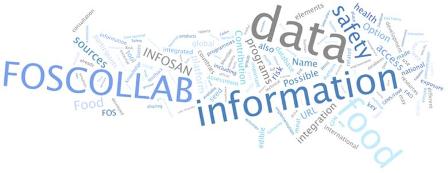
WHO – New Food Safety Platform – FOSCOLLAB

WHO foscollab_wordle

An innovative tool for food safety

FOSCOLLAB is a new WHO platform for food safety professionals.

FOSCOLLAB enables users to:

  • Access food safety data and information quickly
  • Maximize the utility of already existing sources and minimize duplication of efforts
  • Integrate data and information coming from animal/agriculture, food and human health areas to improve global public health
  • Promote better generation of data
  • Strengthen the underlying sources by promoting awareness and increased utilization

By integrating multiple sources of reliable data, FOSCOLLAB helps overcome the challenges of accessing these key sources in a timely manner. It allows for better risk assessment and decision-making by food safety professionals and authorities.

Canada – Further Tea Products Recalled – Salmonella

CFIASalm

Health Hazard Alert – Certain tea products may contain Salmonella bacteria

Recall date: February 24, 2013

Reason for recall: Microbiological – Salmonella

Hazard classification: Class 2

Distribution: Alberta, British Columbia, Manitoba, Ontario, Saskatchewan

Extent of the distribution: Retail

Canada – CFIA Recalls – Gorgonzola – Listeria – Seasame Paste – Salmonella

CFIA CIFA

Health Hazard Alert – Certain Mauri brand Gorgonzola may contain Listeria monocytogenes

Recall date: February 25, 2013

Reason for recall: Microbiological – Listeria

Hazard classification: Class 1

Recalling Firm: Arla Foods Incorporated

Distribution: Alberta, New Brunswick, Nova Scotia, Ontario, Quebec

Extent of the distribution: Consumer

Health Hazard Alert – Certain Clic brand Sesame Paste Tahina may contain Salmonella bacteria

Recall date: February 25, 2013

Reason for recall: Microbiological – Salmonella

Hazard classification: Class 2

Recalling Firm: Clic International Inc.

Distribution: National

Extent of the distribution: Consumer