Category Archives: Laboratory

UK – FSA – FSA Seeks Information on Cost of Proposed Stricter Criteria for Listeria

FSAfood_standards_agency_logo

The Food Standards Agency is asking businesses to provide information and data on the impact of proposed new guidance. The Agency wants to know the costs and benefits of guidance for stricter criteria for Listeria monocytogenes in ready-to-eat (RTE) food supplied to hospitals, nursing homes and similar healthcare settings. Responses to the questionnaire should be received by Friday 23 August 2013.

RASFF Alerts – Aflatoxins – Groundnuts – Listeria monocytogenes – Smoked Salmon – Salmonella – Frozen Chicken

RASFF – Aflatoxins (B1 = 49; Tot. = 60 µg/kg – ppb) in groundnuts from Brazil in the Netherlands

RASFF – Aflatoxins (B1 = 18; Tot. = 21 µg/kg – ppb) in groundnuts from Brazil in the Netherlands

RASFF – Listeria monocytogenes (<10; 110; <10; 91; 131 CFU/g) in chilled smoked salmon from France in Italy

RASFF – Salmonella spp. (presence /25g) in frozen chicken meat from Brazil in Spain

RASFF – Salmonella enteritidis (present in 5 out of 5 samples /25g) in chilled chicken quarters from Slovakia, with raw material from Poland in Slovakia


USA – FDA – Recall Pet Food – Possible Salmonella

FDA

Natura Pet Products is voluntarily recalling specific lots of dry pet food because it has the potential to be contaminated with Salmonella.

Salmonella can affect animals eating the products and there is risk to humans from handling contaminated pet products, especially if they have not thoroughly washed their hands after having contact with the products or any surfaces exposed to these products.

Healthy people infected with Salmonella should monitor themselves for some or all of the following symptoms: nausea, vomiting, diarrhea or bloody diarrhea, abdominal cramping and fever. Rarely, Salmonella can result in more serious ailments, including arterial infections, endocarditis, arthritis, muscle pain, eye irritation, and urinary tract symptoms. Consumers exhibiting these signs after having contact with this product should contact their healthcare providers.

Pets with Salmonella infections may be lethargic and have diarrhea or bloody diarrhea, fever, and vomiting. Some pets will have only decreased appetite, fever and abdominal pain. Infected but otherwise healthy pets can be carriers and infect other animals or humans. If your pet has consumed the recalled product and has these symptoms, please contact your veterinarian.

These products were packaged in a single production facility. During routine FDA testing, a single lot tested positive for the presence of Salmonella. There have been no reports of pet or human illness associated with this product. In an abundance of caution, Natura is voluntarily recalling all products with expiration dates prior to June 10, 2014.

The affected products are sold in bags through veterinary clinics, select pet specialty retailers, and online in the United States and Canada. No canned wet food is affected by this announcement.

Canada – Recall Gorgonzola Cheese – Listeria monocytogenes

CFIA

The Canadian Food Inspection Agency (CFIA) and Agropur are warning the public not to consume the Il Villaggio brand Gorgonzola Dolce Cheese described in the link above because it may be contaminated with Listeria monocytogenes.

There have been no reported illnesses  associated with the consumption of this product.

The importer, Agropur, St-Hubert, Quebec, is voluntarily recalling the affected product from the marketplace.  The CFIA is monitoring the effectiveness of the recall.

USA – Recall Hummus – Listeria monocytogenes

Food Safety NewsEurofins Food Testing UK

Washington state-based company is recalling some of its hummus products because they may be contaminated with Listeria monocytogenes.

Penny’s Salsa of Auburn, WA initiated a recall of certain hummus products Sunday after two types of the spread tested positive for Listeria, according to the Oregonian.

Research – Campylobacter Antibiotic Resistance is Increasing

Food Poisoning BulletinCampylobacter_jejuni_01

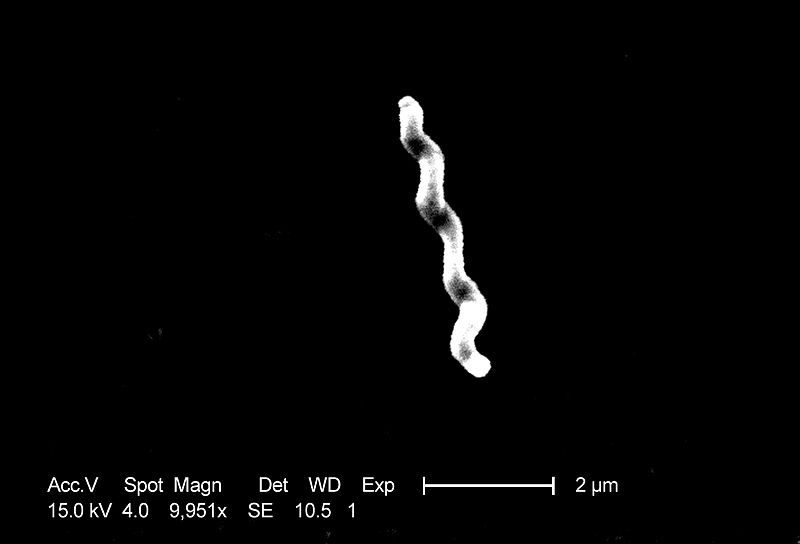
Antibiotic resistance in Campylobacter is on the rise, according to a new study appearing in the July 7 edition of Emerging Infectious Disease. Researchers from the National Institute of Cholera and Enteric Diseases, Kolkata, India, where Campylobacter rates remain steady throughout the year, tested 142 samples and found that all of them were resistant to trimethoprim–sulfamethoxazole, (Septra, Bactrim) and 97 percent were resistant to quinolone (nalidixic acid) and fluoroquinolones (norfloxacin, ciprofloxacin, and ofloxacin). and erythromycin, azithromycin, gentamicin, furazolidone, and chloramphenicol. Multi-drug resistance was also high.

USA – Cyclospora Outbreak Update

BarfBlog 220px-Cyclospora_cayetanensis_stained

Authorities suspect that fresh vegetables are the source of a rare parasite sickening dozens of Iowans.

The Iowa Department of Public Health reported this morning that 45 cyclospora infections have been confirmed in the state in the past few weeks.

That’s up from 22 cases earlier this week.

Only 10 such cases had been reported in the state in the past 20 years. The parasite is usually transmitted by tainted produce or water. It can cause weeks of severe diarrhea.

Federal experts are helping to trace the cause. Officials are urging everyone to wash their produce carefully … though they note that Cyclospora can be difficult to wash off.

Investigators who interviewed the patients believe the outbreak started in tainted vegetables, not fruit.

Food Poisoning Journal – Cyclospora What You Need to Know

The Iowa Department of Public Health, CDC and local public health agencies are investigating an outbreak of an intestinal illness caused by Cyclospora (a rare parasite). As of July 12, 45 cases of Cyclospora infections have been reported in Iowa with dozens more in Nebraska and other Midwestern states. It appears linked to eating fresh vegetables.

USA – FDA – Pistachio’s – Salmonella

FDASalmonella

Torn and Glasser, Inc of Los Angeles, CA  90021 is voluntarily recalling some packaged Pistachios because it has the potential to be contaminated with Salmonella, an organism which can cause serious and sometimes fatal infections in young children, frail or elderly people, and others with weakened immune systems. Healthy persons infected with Salmonella often experience fever, diarrhea (which may be bloody), nausea, vomiting and abdominal pain. In rare circumstances, infection with Salmonella can result in the organism getting into the bloodstream and producing more severe illnesses such as arterial infections (i.e., infected aneurysms), endocarditis and arthritis.

This decision to recall was made due to the expanded recall of pistachio products by ARO pistachio (Upgraded from a Class II to a Class I) due to the potential of contamination with Salmonella.  The Torn and Glasser recalled products contain pistachios supplied by the ARO processing plant located in Terra Bella Ca 93270.

The recalled product was distributed from February 21, 2012 to April 29, 2013 in CA, AZ, and HI.

RASFF Alerts – STEC – Chilled Beef

RASFF -Shigatoxin-producing Escherichia coli in chilled boneless beef (Bos taurus) from Argentina in the Netherlands

RASFF – Shigatoxin-producing Escherichia coli in chilled boneless beef (Bos taurus) from Argentina in the Netherlands


USA – Shigella Outbreak Traced to Lake Water

Food Safety News220px-Shigella_stool

The 750 feet of developed beachfront at Rhode Island’s Spring Lake is scattered with volleyball courts, paddle boats, canoes, food concessions and an entertainment arcade.  That beach, located in Burrillville, did not host the crowd of 2,000 that usually attend its Fourth of July festivities. Instead, days earlier, 92 people who entered the water at Spring Lake left sickened by Shigella bacteria.

The Shigella outbreak sent 16 people to area hospitals and by Sunday forced state officials to close the lake to swimmers.  Shigella causes gastrointestinal symptoms, but the illnesses are usually not severe.