
RASFF-foodborne outbreak (histamine poisoning) caused by sashimi tuna fillets from the Netherlands, with raw material from Sri Lanka in Luxembourg

RASFF-foodborne outbreak (histamine poisoning) caused by sashimi tuna fillets from the Netherlands, with raw material from Sri Lanka in Luxembourg

RASFF-foodborne outbreak suspected (scombroid syndrome) to be caused by frozen salifish (Istiophorus albicans) from Spain in Italy.
Scombroid poisoning is a disease due to the ingestion of contaminated food (mainly fish). In scombroid poisoning, bacteria have grown during improper storage of the dark meat of the fish and the bacteria produce scombroid toxin. Scombroid toxin, or poison, is probably a combination of histamine and histamine-like chemicals. The toxin or poison does not affect everyone who ingests it.
No test is 100% reliable for assessing fish for this toxin or poison. Cooking kills the bacteria, but toxins remain in the tissues and can be absorbed after the food is ingested.
Susceptible fish include albacore, amberjack, anchovy, Australian salmon, bluefish, bonito, kahawai, herring, mackerel, mahi-mahi, needlefish, saury, sardine, skipjack, wahoo, and yellowfin tuna. Other fish and foods probably will be added to the list if testing systems for the poison improve. Affected fish may have a metallic or peppery taste.
Marine toxins originate from microorganisms native to aquatic ecosystems. These molecules eventually find their way into the human gastrointestinal tract through concentrating and bioaccumulating in species such as mollusks, crustaceans, and various fish. Ingestion of marine toxins can generate foodborne illnesses and a constellation of neurologic and gastrointestinal manifestations accompanied by other symptoms.
Ciguatoxin
Ciguatera illness is caused by ciguatoxins, which are compounds that bioaccumulate in shallow, coastal water-dwelling fish.
Saxitoxin
Paralytic shellfish poisoning (PSP) is a foodborne illness brought on by saxitoxin, a chemical compound produced by cyanobacteria of freshwater and by dinoflagellates of marine water. As with ciguatoxin, saxitoxin reaches the human gastrointestinal tract through concentration in species that are higher up in the food chain.
Brevetoxin
Also a result of toxic algal blooms and mollusk consumption, neurotoxic shellfish poisoning (NSP) is thought of as a ‘milder’ case of the paralytic shellfish poisoning described above. Its cause is brevetoxin, a group of more than 10 lipid soluble polyether compounds.
Tetrodotoxin
Tetrodotoxin (TTX) is perhaps the most well known of the marine toxins. Its notoriety arises from the popularity of pufferfish.
Histamine
A red herring in the recognition of fish food poisoning is scombroid syndrome. This illness is commonly mistaken for fish allergy, but instead results from improper storage and transportation of fish belonging to the Scombroidiae family.

RASFF -Diarrhoeic Shellfish Poisoning (DSP) toxins – okadaic acid (190.8 µg/kg – ppb) in risotto with mussels (Mytilus galloprovincialis) from Spain in Italy
RASFF -histamine (721 mg/kg – ppm) in frozen yellowfin tuna bits (Thunnus albacares) from India in Italy
RASFF -histamine (470 mg/kg – ppm) in canned sardines in soja oil (Sardinella spp.) from Indonesia in Germany
NOELENE Bischoff and her teenage daughter Yvana died after eating toxic fish while on holidays in Bali, preliminary autopsy results reveal.
But the Sunshine Coast pair may have survived the rare poisoning, called Scombroid Syndrome Toxicity, had they not both been asthma sufferers which accelerated and intensified their reaction.
A spokesman for the Queensland Coroner Terry Ryan told The Australian the Bischoff family met with forensic pathologists in Brisbane yesterday and had been told the possible causes of death. However, autopsy testing has not been finalised.
Bischoff, 54, and her 14-year-old daughter died violently and mysteriously in Bali last month, hours after enjoying a final meal at the Padang Bai Beach resort restaurant.
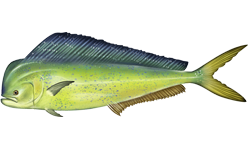
They had eaten grilled mahi mahi fish, vegetarian pizza and chicken curry, before succumbing to vomiting and breathlessness.
Posted in Allergic Reaction, Death, Food Micro Blog, Food Microbiology, Food Poisoning, Food Safety, Food Testing, Foodborne Illness, Histamine, Hygiene, Illness, Microbiology, Poisoning, Scombroid, Toxin
Tagged Bali, Bischoff, holidays in Bali, preliminary autopsy results, Queensland Coroner, toxic fish
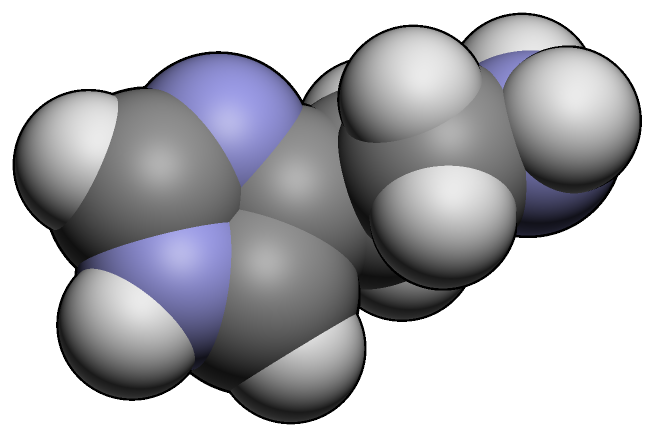
RASFF -histamine (417; 243; 177; 173 mg/kg – ppm) in frozen sardines from France
RASFF – histamine (104; 112; 137 mg/kg – ppm) in canned sardines in olive oil from Morocco in France



 FoodWorld