Norovirus in oysters from The Netherlands in Belgium
Norovirus in concave oysters from the Netherlands in Italy
Norovirus in oysters from The Netherlands in Belgium

Norovirus in oysters from The Netherlands in Belgium
Norovirus in concave oysters from the Netherlands in Italy
Norovirus in oysters from The Netherlands in Belgium
Posted in food contamination, food handler, Food Hazard, Food Hygiene, Food Inspections, Food Micro Blog, Food Microbiology, Food Microbiology Blog, Food Pathogen, Food Quality, food recall, Food Safety, Food Safety Alert, Food Safety Management, Food Safety Regulations, Food Virus, Norovirus, Norovirus Oysters, RASFF, raw oysters
Norovirus in chilled oysters from Ireland via the Netherlands in Belgium
Norovirus presence in concave oysters from the Netherlands in Italy
Norovirus in oysters from France in Belgium
Norovirus in oysters from France in Belgium
Norovirus in chilled oysters from France in Belgium
Posted in food contamination, food handler, Food Hazard, Food Hygiene, Food Inspections, Food Micro Blog, Food Microbiology, Food Microbiology Blog, Food Microbiology Testing, Food Pathogen, Food Quality, food recall, Food Safety, Food Safety Alert, Food Safety Management, Food Safety Regulations, Food Testing, Food Virus, Norovirus, Norovirus French Oysters, Norovirus Oysters, RASFF

A hepatitis E-positive meat product appears to be behind most of the infections that occurred earlier this year in Finland.
The hepatitis E virus previously detected in sausages from a domestic manufacturer is similar to samples from most people affected by the outbreak at the start of 2024.
This was found during a strain comparison of viruses by the Finnish Food Authority (Ruokavirasto) and the National Institute of Health and Welfare (THL).
More than 120 people from different parts of Finland have fallen ill in the outbreak between January and March.
Presence of Hepatitis A virus in strawberries from Morocco in Poland and Spain
Posted in food contamination, food handler, Food Hazard, Food Hygiene, Food Inspections, Food Micro Blog, Food Microbiology, Food Microbiology Blog, Food Microbiology Testing, Food Pathogen, Food Quality, food recall, Food Safety, Food Safety Alert, Food Safety Management, Food Safety Regulations, Food Testing, Food Virus, Hepatitis A, RASFF, Virus
Norovirus in oysters from France in Italy
Posted in food contamination, food handler, Food Hazard, Food Hygiene, Food Inspections, Food Micro Blog, Food Microbiology, Food Microbiology Blog, Food Microbiology Testing, Food Pathogen, Food Quality, food recall, Food Safety, Food Safety Alert, Food Safety Management, Food Safety Regulations, Food Testing, Food Virus, Norovirus, Norovirus French Oysters, Norovirus Oysters, RASFF
Hepatitis E in pepperoni sausage from Finland in Sweden
Posted in food contamination, food handler, Food Hazard, Food Hygiene, Food Inspections, Food Micro Blog, Food Microbiology, Food Microbiology Blog, Food Microbiology Testing, Food Pathogen, Food Quality, food recall, Food Safety, Food Safety Alert, Food Safety Management, Food Safety Regulations, Food Testing, Food Virus, Hepatitis E, RASFF, Virus
Norovirus in oysters from France in Norway
Norovirus in oysters from France in Finland and Sweden
Norovirus in oysters from The Netherlands in Belgium
Norovirus in oysters from Ireland in Sweden and Finland
Norovirus GII in Goma Wakame (Japanese frozen seaweed appetizer) origin Taiwan in San Marino and Italy
Norovirus in oysters from France in Finland
Norovirus in chilled oysters from the Netherlands in Belgium
Presence of Norovirus in oysters from France in Ireland and Italy
Presence of Norovirus GII in frozen blueberries from Germany in Italy
Presence of Norovirus GII in frozen blueberries from Germany in Italy
Posted in food contamination, food handler, Food Hazard, Food Hygiene, Food Inspections, Food Micro Blog, Food Microbiology, Food Microbiology Blog, Food Microbiology Testing, Food Pathogen, Food Quality, food recall, Food Safety, Food Safety Alert, Food Safety Management, Food Safety Regulations, Food Testing, Food Virus, Norovirus, Norovirus French Oysters, Norovirus Oysters, Norovirus Soft Fruits, RASFF
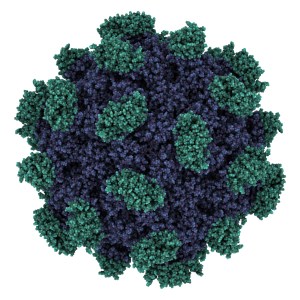
In the Part 1 Expert meeting, the virus-commodity combinations ranked of highest priority were human norovirus and hepatitis A virus in shellfish, fresh and frozen produce, prepared and ready-to-eat (RTE) foods, and hepatitis E virus in pork and wild game.
The Part 2 Expert meeting focused on these virus- commodity combinations and their associated contamination routes. Human faecal matter and vomit from infected individuals are the primary sources of contamination for norovirus and hepatitis A virus.
Across the food supply chain, the primary contamination routes are faecally-impacted waters, food handlers carrying foodborne viruses, and surfaces. Zoonotic hepatitis E virus is present in the meat, organ tissues, and excretions of infected swine and some game animals. Since that initial expert meeting report from 2008, awareness of the public health importance of these foodborne virus-commodity combinations has increased, resulting in additions or changes to some food supply chain management strategies and
research initiatives. Prevention remains the cornerstone of control of foodborne viruses. This is because these viruses are environmentally persistent and resistant to many treatments commonly used to inactivate foodborne pathogens. Effective inactivation methods continue to be necessary and are currently being evaluated.
Brand : Asiantrade srl
Name : Japanese seaweed appetizer – frozen – Goma Wakame
Reason for reporting : Recall due to microbiological risk
Publication date : 11 March 2024

Posted in food contamination, food handler, Food Hazard, Food Hygiene, Food Inspections, Food Micro Blog, Food Microbiology, Food Microbiology Blog, Food Microbiology Testing, Food Pathogen, Food Quality, food recall, Food Safety, Food Safety Alert, Food Safety Management, Food Safety Regulations, Food Testing, Food Virus, Norovirus, Virus
Brand : PRIMA VOGLIA
Name : BLUEBERRIES
Reason for reporting : Recall due to microbiological risk
Publication date : 11 March 2024
Posted in food contamination, food handler, Food Hazard, Food Hygiene, Food Inspections, Food Micro Blog, Food Microbiology, Food Microbiology Blog, Food Microbiology Testing, Food Pathogen, Food Quality, food recall, Food Safety, Food Safety Alert, Food Safety Management, Food Safety Regulations, Food Testing, Food Virus, Norovirus, Norovirus Blackberry, Virus

 FoodWorld