Category Archives: Food Technology

UK – FSA – Recall Mussels/Calms – Possible Illness

FSAfood_standards_agency_logo

Following a small number of illness reports in the UK, as a precaution while investigations are taking place, Marks & Spencer has removed from sale and recalled three Marks & Spencer branded mussel-based products.

M&S – Mussels in Garlic
Unique code: 00604819 and 00929189

M&S – Mussels in White Wine
Unique code: 00720618

M&S – Mussels and Clams
Unique code: 00667104

‘Use by’: all date codes

Marks & Spencer has recalled the affected products from consumers. Point-of-sale notices have been displayed in stores advising consumers of the recall and the actions they can take if they have bought an affected product.

A copy of the company’s product recall notice is attached to this notification.


Research – Bacterial Adaptation to Cold

Microbiology

Micro-organisms react to a rapid temperature downshift by triggering a physiological response to ensure survival in unfavourable conditions. Adaptation includes changes in membrane composition and in the translation and transcription machineries. The  cold shock response leads to a growth block and overall repression of translation; however, there is the induction of a set of specific proteins that help to tune cell metabolism and readjust it to the new conditions. For a mesophile like E. coli, the adaptation process takes about 4 h. Although the bacterial cold shock response was discovered over two decades ago we  are still far from understanding this process. In this review, we aim to describe current knowledge, focusing on the functions of RNA-interacting proteins and RNases involved in cold shock adaptation.

Research – Campylobacter Chromosomes Mapped

Food Poisoning BulletinCampylobacter

New research from the Institute of Food Research has mapped chromosomes of Campylobacter. Scientists are trying to understand how this pathogenic bacteria controls its genes to develop new strategies to fight it. In the UK, Campylobacter is the most common cause of foodborne diarrheal illness.

The chromosome map shows where all of the bacteria turns on its genes. Those are called transcriptional start sites (TSS).  The bacteria turns on different genes in response to changes in its environment. TSS are also how the bacteria evolved to adapt to new situations. All organisms have these control mechanisms.

USA Research – CDC/FDA – Genome Sequencing of Food Pathogens

Food Safety News

In a prior APHLTech blog post (NGS in Action: FDA’s Genome TRAKR Network), Victor Waddell of the Arizona State Public Health Laboratory described the newly formed network of laboratories formed by the U.S. Food and Drug Administration (FDA). Known collectively as Genome TRAKR, the member laboratories perform whole genome sequencing (WGS) on bacterial foodborne pathogens isolated primarily from food and environmental sources.

Original Article APHLT

On September 1, 2013, the Centers for Disease Control and Prevention (CDC) began a partnership with the FDA GenomeTRAKR network to utilize the network to conduct WGS of all Listeria monocytogenes collected from reported human illness cases in the United States. This effort leverages public health resources to evaluate and potentially move this promising new technology forward for more routine use in public health laboratories nationwide.

Research – Blackberry Juice Anitmicrobial

Science DirectBlack_Butte_blackberry

Berries such as blueberry, blackberry and raspberry possess several biological activities including antimicrobial and nutritional effects. In this study, the antimicrobial activities of blackberry (Rubus fruticosus) juice against foodborne pathogens including Listeria monocytogenes, Salmonella Typhimurium and Escherichia coli O157:H7 were investigated. Inhibition of growth of these foodborne pathogens was measured in broth (Luria–Bertani broth for E. coli O157:H7 and S. Typhimurium, and brain heart infusion broth for L. monocytogenes), skim milk and whole milk supplemented with 10% blackberry juice at different time points (0, 24, 48 and 72 h). The effects of blackberry juice on the growth of Lactobacillus casei, Lactobacillus plantarum and Lactobacillus rhamnosus were also investigated in Man–Rogosa–Sharpe (MRS) broth and skim and whole milk supplemented with blackberry juice. The growth of L. monocytogenes, S. Typhimurium and E. coli O157:H7 were significantly inhibited by blackberry juice by 1–3 logs in both milk and broth. We also observed that the growths of Lactobacillus strains were significantly stimulated (1–4 logs CFU/mL) by blackberry juice in both milk and MRS broth. These data clearly demonstrate that diluted blackberry juice can be used as a preservative in food processing and a preventive in foodborne infections as a natural antimicrobial.

Research – Norovirus Updates

Science DirectNorovirus

Human norovirus (NoV) contaminated hands are important routes for transmission. Quantitative data on transfer during contact with surfaces and food are scarce but necessary for a quantitative risk assessment. Therefore, transfer of MNV1 and human NoVs GI.4 and GII.4 was studied by artificially contaminating human finger pads, followed by pressing on stainless steel and Trespa® surfaces and also on whole tomatoes and cucumber slices. In addition, clean finger pads were pressed on artificially contaminated stainless steel and Trespa® surfaces. The transfers were performed at a pressure of 0.8–1.9 kg/cm2 for approximately 2 s up to 7 sequential transfers either to carriers or to food products. MNV1 infectivity transfer from finger pads to stainless steel ranged from 13 ± 16% on the first to 0.003 ± 0.009% on the sixth transfer on immediate transfer. After 10 min of drying, transfer was reduced to 0.1 ± 0.2% on the first transfer to 0.013 ± 0.023% on the fifth transfer. MNV1 infectivity transfer from stainless steel and Trespa® to finger pads after 40 min of drying was 2.0 ± 2.0% and 4.0 ± 5.0% respectively. MNV1 infectivity was transferred 7 ± 8% to cucumber slices and 0.3 ± 0.5% to tomatoes after 10 min of drying, where the higher transfer to cucumber was probably due to the higher moisture content of the cucumber slices. Similar results were found for NoVs GI.4 and GII.4 transfers measured in PCR units. The results indicate that transfer of the virus is possible even after the virus is dried on the surface of hands or carriers. Furthermore, the role of fingers in transmission of NoVs was quantified and these data can be useful in risk assessment models and to establish target levels for efficacy of transmission intervention methods.

CDC

The duration of immunity to norovirus (NoV) gastroenteritis has been believed to be from 6 months to 2 years. However, several observations are inconsistent with this short period. To gain better estimates of the duration of immunity to NoV, we developed a mathematical model of community NoV transmission. The model was parameterized from the literature and also fit to age-specific incidence data from England and Wales by using maximum likelihood. We developed several scenarios to determine the effect of unknowns regarding transmission and immunity on estimates of the duration of immunity. In the various models, duration of immunity to NoV gastroenteritis was estimated at 4.1 (95% CI 3.2–5.1) to 8.7 (95% CI 6.8–11.3) years. Moreover, we calculated that children (<5 years) are much more infectious than older children and adults. If a vaccine can achieve protection for duration of natural immunity indicated by our results, its potential health and economic benefits could be substantial.

CDC

We report an increase in the proportion of genotype GI.6 norovirus outbreaks in the United States from 1.4% in 2010 to 7.7% in 2012 (p<0.001). Compared with non-GI.6 outbreaks, GI.6 outbreaks were characterized by summer seasonality, foodborne transmission, and non–health care settings.

CDC

After the substantial decrease in acute gastroenteritis (AGE) in children caused by rotavirus after introduction of 2 rotavirus vaccines (1), norovirus has become the leading cause of medically attended AGE in US children <5 years of age (2). We describe the clinical characteristics of norovirus disease and assessed whether rotavirus vaccine protected against norovirus AGE.


Research- Tracing Viruses in the European Berry Food Chain

Science DirectClose up 3d render of an influenza-like virus isolated on white

In recent years, numerous foodborne outbreaks due to consumption of berry fruit contaminated by human enteric viruses have been reported. This European multinational study investigated possible contamination routes by monitoring the entire food chain for a panel of human and animal enteric viruses.

A total of 785 samples were collected throughout the food production chain of four European countries (Czech Republic, Finland, Poland and Serbia) during two growing seasons. Samples were taken during the production phase, the processing phase, and at point-of-sale. Samples included irrigation water, animal faeces, food handlers’ hand swabs, swabs from toilets on farms, from conveyor belts at processing plants, and of raspberries or strawberries at points-of-sale; all were subjected to virus analysis. The samples were analysed by real-time (reverse transcription, RT)-PCR, primarily for human adenoviruses (hAdV) to demonstrate that a route of contamination existed from infected persons to the food supply chain. The analyses also included testing for the presence of selected human (norovirus, NoV GI, NoV GII and hepatitis A virus, HAV), animal (porcine adenovirus, pAdV and bovine polyomavirus, bPyV) and zoonotic (hepatitis E virus, HEV) viruses.

At berry production, hAdV was found in 9.5%, 5.8% and 9.1% of samples of irrigation water, food handlers’ hands and toilets, respectively. At the processing plants, hAdV was detected in one (2.0%) swab from a food handler’s hand. At point-of-sale, the prevalence of hAdV in fresh raspberries, frozen raspberries and fresh strawberries, was 0.7%, 3.2% and 2.0%, respectively.

Of the human pathogenic viruses, NoV GII was detected in two (3.6%) water samples at berry production, but no HAV was detected in any of the samples. HEV-contaminated frozen raspberries were found once (2.6%). Animal faecal contamination was evidenced by positive pAdV and bPyV assay results. At berry production, one water sample contained both viruses, and at point-of-sale 5.7% and 1.3% of fresh and frozen berries tested positive for pAdV.

At berry production hAdV was found both in irrigation water and on food handler’s hands, which indicated that these may be important vehicles by which human pathogenic viruses enter the berry fruit chain. Moreover, both zoonotic and animal enteric viruses could be detected on the end products. This study gives insight into viral sources and transmission routes and emphasizes the necessity for thorough compliance with good agricultural and hygienic practice at the farms to help protect the public from viral infections.


USA – FDA Draft on Pathogens in Spices

FDA

In light of new evidence calling into question the effectiveness of current control measures to reduce or prevent illness from consumption of spices in the United States, the United States Food and Drug Administration (FDA) developed a risk profile on pathogens and filth in spices. The objectives of the risk profile were to (1) describe the nature and extent of the public health risk posed by consumption of spices in the United States by identifying the most commonly occurring microbial hazards and filth in spice (2) describe and evaluate current mitigation and control options designed to reduce the public health risk posed by consumption of contaminated spices in the United States (3) identify potential additional mitigation and control options and (4) identify critical data gaps and research needs. The draft risk profile for pathogens and filth in spices provides information for FDA to use in the development of plans to reduce or prevent illness from spices contaminated by microbial pathogens and/or filth.


Research – Listeria’s Resistance to Disinfectants

University of Veterinary Science- ViennaEurofins Food Testing UK

Listeria poses a significant risk to human health. The main transmission route involves meat and dairy products, so it is important to treat dairies and food-processing plants regularly with disinfectants to kill bacteria. Unfortunately, listeria is developing resistance to the compounds that are most frequently used. Recent work in the group of Stephan Schmitz-Esser at the University of Veterinary Medicine, Vienna (Vetmeduni Vienna) has uncovered the mechanism for listeria’s resistance to one such agent, benzalkonium chloride. The findings have been published in the online journal Plos One.


Research – Norovirus Survival on Sprouted Seeds

American Society for Microbiologyalfalfa

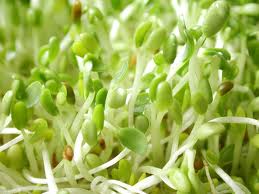
Human norovirus (huNoV) and hepatitis A virus (HAV) have been involved in several produce-associated outbreaks and identified as major food-borne viral etiologies. In this study, the survival of huNoV surrogates (murine norovirus [MNV] and Tulane virus [TV]) and HAV was investigated on alfalfa seeds during storage and postgermination. Alfalfa seeds were inoculated with MNV, TV, or HAV with titers of 6.46 ± 0.06 log PFU/g, 3.87 ± 0.38 log PFU/g, or 7.01 ± 0.07 log 50% tissue culture infectious doses  (TCID50)/g, respectively. Inoculated seeds were stored for up to 50 days at 22°C and sampled during that storage period on days 0, 2, 5, 10, and 15. Following storage, virus presence was monitored over a 1-week germination period. Viruses remained infectious after 50 days, with titers of 1.61 ± 0.19 log PFU/g, 0.85 ± 0.21 log PFU/g, and 3.43 ± 0.21 log TCID50/g for MNV, TV, and HAV, respectively. HAV demonstrated greater persistence than MNV and TV, without a statistically significant  reduction over 20 days (<1 log TCID50/g); however, relatively high levels of genomic copies of all viruses persisted over the testing time period. Low titers of  viruses were found on sprouts and were located in all tissues as well as in sprout-spent water sampled on days 1, 3, and 6  following seed planting. Results revealed the persistence of viruses in seeds for a prolonged period of time, and perhaps  of greater importance these data suggest the ease of which virus may transfer from seeds to sprouts and spent water during  germination. These findings highlight the importance of sanitation and prevention procedures before and during germination.