Brand : Veroni
Name : Mortadella supergigante in slices with pistachio distributed by Rialto
Reason for reporting : Recall due to microbiological risk
Publication date : 8 November 2022


Brand : Veroni
Name : Mortadella supergigante in slices with pistachio distributed by Rialto
Reason for reporting : Recall due to microbiological risk
Publication date : 8 November 2022
Posted in food contamination, food handler, Food Hazard, Food Hygiene, Food Inspections, Food Micro Blog, Food Microbiology, Food Microbiology Blog, Food Microbiology Testing, Food Pathogen, food recall, Food Safety, Food Safety Alert, Food Safety Management, food safety training, Food Testing, Listeria, Listeria monocytogenes
Brand : Veroni
Name : Mortadella supergigante in slices with and without pistachio distributed by Conad
Reason for reporting : Recall due to microbiological risk
Publication date : 8 November 2022
Posted in food contamination, food handler, Food Hazard, Food Hygiene, Food Inspections, Food Micro Blog, Food Microbiology, Food Microbiology Blog, Food Microbiology Testing, Food Pathogen, food recall, Food Safety, Food Safety Alert, Food Safety Management, food safety training, Food Testing, Listeria, Listeria monocytogenes
International Life Sciences Institute (ILSI) has announced its release of a new book, “Present Knowledge in Food Safety: A Risk-Based Approach Through the Food Chain,” which presents approaches for exposure-led risk assessment and management of food contamination at key stages of production.
“The ILSI Federation is excited to support everyone — from students to experts — in these important fields to enhance their work and research for the public benefit,” said Stéphane Vidry, Ph.D., ILSI’s global executive director. “Bolstering food safety and public health is one of ILSI’s key values, and it’s alive and well in the publication of this new book.”
The book aims to improve the reliability, predictability, and relevance of food safety assessments, as well as their communication challenges, to protect public health.
The book includes 72 chapters contributed by more than 110 authors. Conceptually modeled after ILSI’s book, “Present Knowledge in Nutrition,” this book provides coverage of new and emerging science in the risk assessment paradigm as applied to chemical, physical and microbiological safety issues.
Posted in Decontamination Microbial, Food Micro Blog, Food Microbiology, Food Microbiology Blog, Food Microbiology Research, Food Microbiology Testing, Food Safety, Food Safety Management, food safety training, microbial contamination, Microbial growth, Microbiological Risk Assessment, Microbiology, Microbiology Investigations, Microbiology Risk
The EU’s proposed potential changes to Listeria monocytogenes (Lm) legislation (CFA News #56) continue to attract attention. It is understood that next year (2023) the EC will engage with Member States to seek a common understanding of the rules. A recent European Court case has raised clarifying points regarding the interpretation of criteria and, could result in major changes to Lm criteria in the EU Microbiological Criteria for Foodstuffs Regulation 2073/2005 and, potentially, to established effective approaches to shelf life validation and verification of ongoing control.
The expanding Industry Listeria Group (ILG) run by Karin Goodburn comprises more than 30 CFA members, UK trade associations, retailers and the European meat processors’ association (CLITRAVI). The ILG’s Position has also been endorsed by the European Chilled Food Federation and is broadly supported by the European Salmon Smokers’ Association.
The Position on the potential changes opposes challenge testing to set shelf life rather than established methods such as storage trials combined with data streams from Day of Production and End of Life sampling coupled with environmental monitoring data. Given the common root cause of listeriosis outbreaks being insufficient environmental hygiene controls, specific guidance for FBOs and enforcers on effective environmental sampling and the use of data gathered is being developed by CFA to support the Position.
Posted in food contamination, food handler, Food Hazard, Food Hygiene, Food Illness, Food Inspections, Food Micro Blog, Food Microbiology, Food Microbiology Blog, Food Microbiology Research, Food Microbiology Testing, Food Pathogen, Food Safety, Food Safety Alert, Food Safety Management, food safety training, Food Testing, Listeria, Listeria monocytogenes, microbial contamination, Microbial growth, Microbiological Risk Assessment, Microbiology, Microbiology Investigations, Microbiology Risk
Spending time with family while baking is a great way to celebrate special occasions. When making cookies, brownies, cakes, or bread, you might be tempted to taste a bite before it’s fully baked.
But you can get sick after eating or tasting raw (unbaked) dough or batter. Children can get sick from handling or eating raw dough used for crafts or play clay, too. Follow these safety tips to help you and your loved ones stay healthy when preparing and handling raw dough.
Flour doesn’t look like a raw food, but most flour is raw. That means it hasn’t been treated to kill germs that cause food poisoning, such as Escherichia coli (E. coli). These harmful germs can contaminate grain while it’s still in the field or flour while it’s being made. Steps like grinding grain and bleaching flour don’t kill harmful germs—and these germs can end up in flour or baking mixes you buy at the store. You can get sick if you eat unbaked dough or batter made with flour containing germs. Germs are killed only when food made with flour is baked or cooked.
CDC investigated outbreaks of E. coli infections linked to raw flour or cake mix in 2016, 2019, and 2021. Some of these investigations led to recalls. Flour and baking mixes containing flour have long shelf lives, meaning they do not go bad quickly. It’s a good idea to check your pantry to see if you have any flour or baking mixes that have been recalled in recent years (search FDA’s recall listexternal icon). If you have any recalled flour or baking mixes, throw them away.
Raw eggs are another ingredient in dough and batter that can make you or your loved ones sick. Raw or lightly cooked eggs can contain Salmonella, a germ that causes food poisoning. Find out how to handle and cook eggs properly.
Some companies make edible cookie dough and brownie batter that you can find in stores. These products are made with heat-treated flour and pasteurized eggs or no eggs. Read the label carefully to make sure the dough is meant to be eaten without baking or cooking.
Follow these practices to prevent food poisoning when you are baking and cooking with flour and other raw ingredients.
Posted in Decontamination Microbial, E.coli, Food Micro Blog, Food Microbiology, Food Microbiology Blog, Food Microbiology Research, Food Microbiology Testing, Food Safety, Food Safety Alert, Food Safety Management, food safety training, microbial contamination, Microbial growth, Microbiological Risk Assessment, Microbiology, Microbiology Investigations, Microbiology Risk, Salmonella
26 October 2022: Foodstuffs Own Brands Ltd is recalling a specific batch of its Pams brand Alfalfa Sprouts, Salad Sprouts, Sandwich Selection Sprouts and Spicy Sprouts Combo due to the possible presence of Salmonella.


| Product identification | |
|---|---|
| Product type | Sprouts |
| Name of product (size) | Pams brand Alfalfa Sprouts (100g)
Pams brand Salad Sprouts (100g) Pams brand Sandwich Selection Sprouts (100g) Pams brand Spicy Sprouts Combo (100g) |
| Date marking | USE BY 04 11 2022 |
| Package size and description | The products are sold in a 100g plastic punnet. |
| Distribution | The products are sold at Pak’n Save, New World, and Four Square stores throughout the North Island.
The products have not been exported. |
| Notes | This recall does not affect any other Pams brand products. |
If you are a retailer of the products in this recall, download a copy of the point of sale notice. You need to display it in your store for one month.
Point of sale notice [PDF, 68.4KB]
Customers are asked to check the date mark on the front of the packaging
Affected products should not be consumed. There have been no reports of associated illness, however if you have consumed any of these products and have any concerns about your health, seek medical advice.
Customers should dispose of the products or return them to their retailer for a full refund.
More information on Salmonella
If you have questions, contact Foodstuffs Own Brands Ltd:
Posted in food contamination, food handler, Food Hazard, Food Hygiene, Food Inspections, Food Micro Blog, Food Microbiology, Food Microbiology Blog, Food Microbiology Testing, Food Pathogen, food recall, Food Safety, Food Safety Alert, Food Safety Management, food safety training, Food Testing, MPI, Salmonella
The U.S. Food and Drug Administration continues to help ensure the safety of powdered infant formula in the wake of reports of Cronobacter sakazakii infections in four infants that may have contributed to death in two patients.
Those reports led to an FDA investigation of Abbott Nutrition in Sturgis, Michigan. Insanitary conditions found at the facility led to the February 2022 voluntary recall of specific lots of powdered infant formula manufactured at the facility and brought attention to a type of bacteria that many parents may not have heard about before and scientists continue to work to better understand.
While Cronobacter contamination and infections are rare, it is still important to know the risks and what you can do to minimize them.
Cronobacter is a germ (bacteria) that is naturally found in the environment. Cronobacter can exist on almost any surface and is especially good at surviving in dry foods, like powdered infant formula, powdered milk, herbal teas, and starches.
Cronobacter is harmless for most people and infections are rare. When they do occur, they can be life threatening in infants, particularly those who are younger than two months old, premature, immunocompromised, or of low birthweight.
Parents may not know that while powdered infant formula manufacturers are required to produce formula that is safe from harmful bacteria like Cronobacter, powdered formulas — unlike liquid formulas — do not receive certain processing treatments that would render them sterile.
Cronobacter has the potential to come into factories, homes, and hospitals on the soles of shoes or on hands and can then live on surfaces like counters or bottles.
At the factory, Cronobacter could get into formula powder if:
In the home, infants can get infected by Cronobacter through multiple pathways including:
Cronobacter sakazakii and its cousins in the broader Cronobacter species category are part of a large family of bacteria that are common in the environment — like in our yards, kitchens, and living rooms — so identifying the specific source of an illness or outbreak can be challenging.
Importantly, only one state in the U.S., Minnesota, currently requires that cases of Cronobacter sakazakii be reported to state public health authorities. As a result, many cases are unreported, and scientists have limited information about the genetic makeup of the bacteria found in cases that are reported. To provide some perspective, the National Center for Biotechnology Informatics (NCBI) database that tracks these pathogens has received roughly 480,000 submissions of genomic information for strains of Salmonella enterica compared to only 1086 submissions for strains of Cronobacter.
In most cases, it is safe to mix powdered infant formula following manufacturer’s instructions. If your baby is less than 2 months old, was born prematurely, or has a weakened immune system the Centers for Disease Control and Prevention (CDC) recommends using ready-to-feed infant formula. Liquid infant formula is made to be sterile (without germs) and is the safest option for infants not receiving breast milk. However, you can also take extra steps to prepare powdered formula for these infant groups by using hot water (at least 158°F/70°C) to help protect against Cronobacter and then cooling the formula before feeding your infant.
However, certain metabolic and specialty products include statements on their packaging warning consumers against heating because heating the particular product above 100°F could result in a loss of vitamins and nutrients. Therefore, caregivers should be especially mindful of the manufacturer’s instructions included on the packaging for specialty metabolic formulas. If the instructions prevent a consumer from heating their formula to at least 158°F, then caregivers should instead bring the water used to mix the formula to body temperature and follow the instructions in this printable infographic to prepare and store powdered infant formula safely.
Parents who suspect their infant became ill due to infant formula may call the FDA’s consumer hotline at 1-800-FDA-1088.
Infants could also be exposed to Cronobacter from unclean breast pumps or unclean bottles. To help keep your baby safe, you can help prevent Cronobacter from growing on these items. Keep your baby’s food, whether breast milk or formula, safe by carefully cleaning, sanitizing, and storing bottles and breast pump parts.
It is also important to wash your hands with soap and water, especially before preparing bottles and feeding. The CDC says that alcohol-based hand sanitizer with at least 60% alcohol can also be used.
Symptoms of infection in infants may start with fever, poor feeding, excessive crying, and/or very low energy. Some infants may also have seizures. Babies with these symptoms should be taken to a medical provider as soon as possible.
Posted in Cronobacter sakazakii, Decontamination Microbial, Food Micro Blog, Food Microbiology, Food Microbiology Blog, Food Microbiology Research, Food Microbiology Testing, Food Safety, Food Safety Management, food safety training, microbial contamination, Microbial growth, Microbiological Risk Assessment, Microbiology, Microbiology Investigations, Microbiology Risk
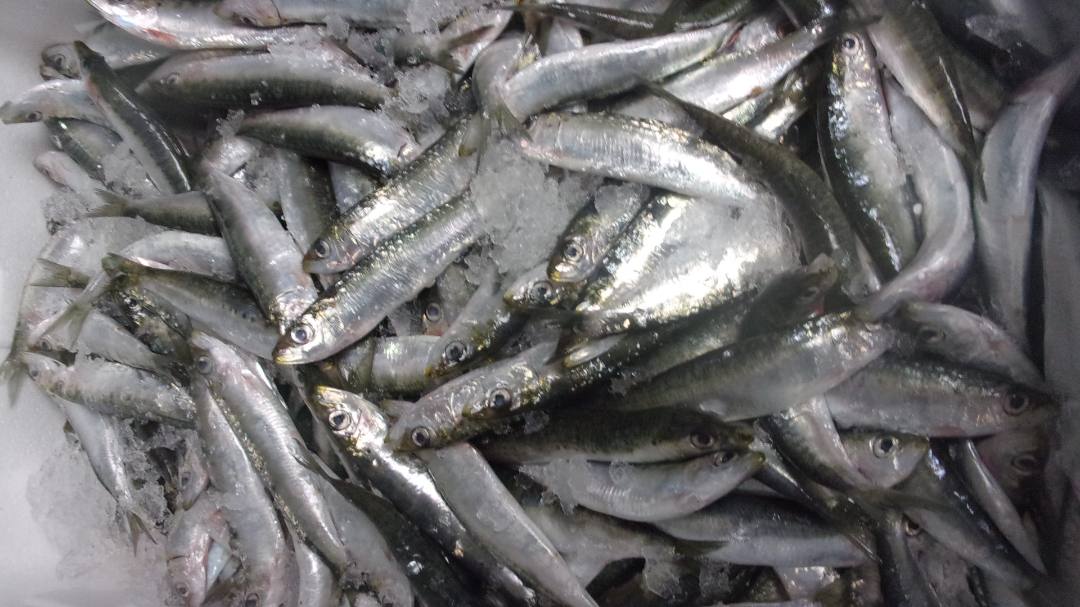
| Lot | ||
|---|---|---|
| Mediterranean sardines sold at the fish stall in stores between 29/09 and 02/10/2022 | ||
Posted in food contamination, food handler, Food Hazard, Food Hygiene, Food Inspections, Food Micro Blog, Food Microbiology, Food Microbiology Blog, Food Microbiology Testing, Food Poisoning, food recall, Food Safety, Food Safety Alert, Food Safety Management, food safety training, Food Testing, Food Toxin, Histamine
As an extension of the information transmitted on September 30, 2022, the competent authority of Andalusia has informed that as a result of the follow-up activities of the alert for the presence of Listeria monocytogenes in liver sausage, it has become aware of the existence of Listeria monocytogenes in a batch of chorizo produced by the same company, which has marketed it in different presentations (rosary and horseshoe, in spicy and normal variety), under its own trademark and another brand.
The updated data for the products involved are:
Also, in application of the precautionary principle, the company is withdrawing the products made and put on the market after September 13, 2022, all with the identification mark 10.024902/CA.
These products were distributed by the company in the province of Cadiz, Seville (Los Palacios and Seville).
The product CABEZA LOMO MECHADA was distributed to one point of sale in Barcelona and two in Madrid.
With the available information there is no record of any notified case associated with this alert.
As a precautionary measure, people who have any of the products listed above at home are advised to refrain from consuming it and return it to the point of sale.
If you have consumed this product from the affected batch and have symptoms compatible with listeriosis (fever, headache, vomiting or diarrhoea), it is recommended to go to a health centre.
Posted in food contamination, food handler, Food Hazard, Food Hygiene, Food Inspections, Food Micro Blog, Food Microbiology, Food Microbiology Blog, Food Microbiology Testing, Food Pathogen, food recall, Food Safety, Food Safety Alert, Food Safety Management, food safety training, Food Testing, Listeria, Listeria monocytogenes
The U.S. Department of Agriculture’s (USDA) Food Safety and Inspection Service (FSIS) today released a proposed regulatory framework for a new strategy to control Salmonella contamination in poultry products and reduce foodborne illnesses attributed to these products. The agency is hosting a virtual public meeting on Nov. 3, 2022, to seek input from stakeholders on the proposed framework.
The Centers for Disease Control and Prevention (CDC) estimates that Salmonella bacteria cause approximately 1.35 million human infections and 26,500 hospitalizations in the United States every year. Of those infections, over 23% are attributed to poultry consumption. Foodborne illness can have a devastating impact, both personally and financially, on people’s lives, the cost of which reverberates through the economy. Data from USDA’s Economic Research Service (ERS) show the total cost for foodborne Salmonella infections in the United States is a staggering $4.1 billion annually and the cost for the loss of productivity to the economy $88 million. These are real costs to real people that can and should be prevented.
“We know that Salmonella in poultry is a complex problem with no single solution,” said USDA Deputy Under Secretary Sandra Eskin. “However, we have identified a series of strategic actions FSIS could take that are likely to drive down Salmonella infections linked to poultry products consumption, and we are presenting those in this proposed framework.”
“This is a historic first step toward final product standards that are science-based, risk-based, enforceable, and effective at protecting our vulnerable loved ones,” said Amanda Craten, board member of STOP Foodborne Illness. “As a parent of a child who suffered from Salmonella illness and is left with permanent injury, I have advocated and engaged in the process to modernize poultry standards to ensure no child has to experience the devastation of a preventable, virulent Salmonella illness. I’m thankful that USDA is making the prevention of illnesses like my son Noah’s a priority.”
The proposed framework has been shaped by months of information-gathering and discussions with a wide range of stakeholders, researchers, and scientists. The proposed framework consists of three key components that, together, support a comprehensive approach to controlling Salmonella in poultry.
The framework under consideration also addresses cross-cutting issues of testing for Salmonella, the impact on small and very small establishments and data sharing.
Dr. Craig Hedberg, a professor at University of Minnesota School of Public Health and Co-Director of the Minnesota Integrated Food Safety Center of Excellence, agrees that this framework “is an important step towards moving away from hazard-based regulation toward risk-based regulation. Focusing on levels of Salmonella and highly virulent strains of Salmonella rather than just the presence or absence of Salmonella should reduce the number of illnesses associated with poultry.”
Dr. Angie Siemens, Vice President for Food Safety, Quality and Regulatory at Cargill, said, “In alignment with our strong commitment to food safety, Cargill supports the need to develop a public health risked based approach to assist in meeting the Healthy People 2030 Salmonella targets. We look forward to reviewing the FSIS Salmonella framework and engaging in a robust dialogue on this issue.”
FSIS is soliciting input on all aspects of the draft framework, related to the three components as well as the cross-cutting issues. An online copy of the proposed framework is available at: https://www.fsis.usda.gov/inspection/inspection-programs/inspection-poultry-products/reducing-salmonella-poultry/proposed.
Posted in Decontamination Microbial, Food Micro Blog, Food Microbiology, Food Microbiology Blog, Food Microbiology Testing, Food Safety, Food Safety Alert, Food Safety Management, food safety training, microbial contamination, Microbial growth, Microbiological Risk Assessment, Microbiology, Microbiology Investigations, Microbiology Risk, Salmonella, Salmonella in Chicken

 FoodWorld