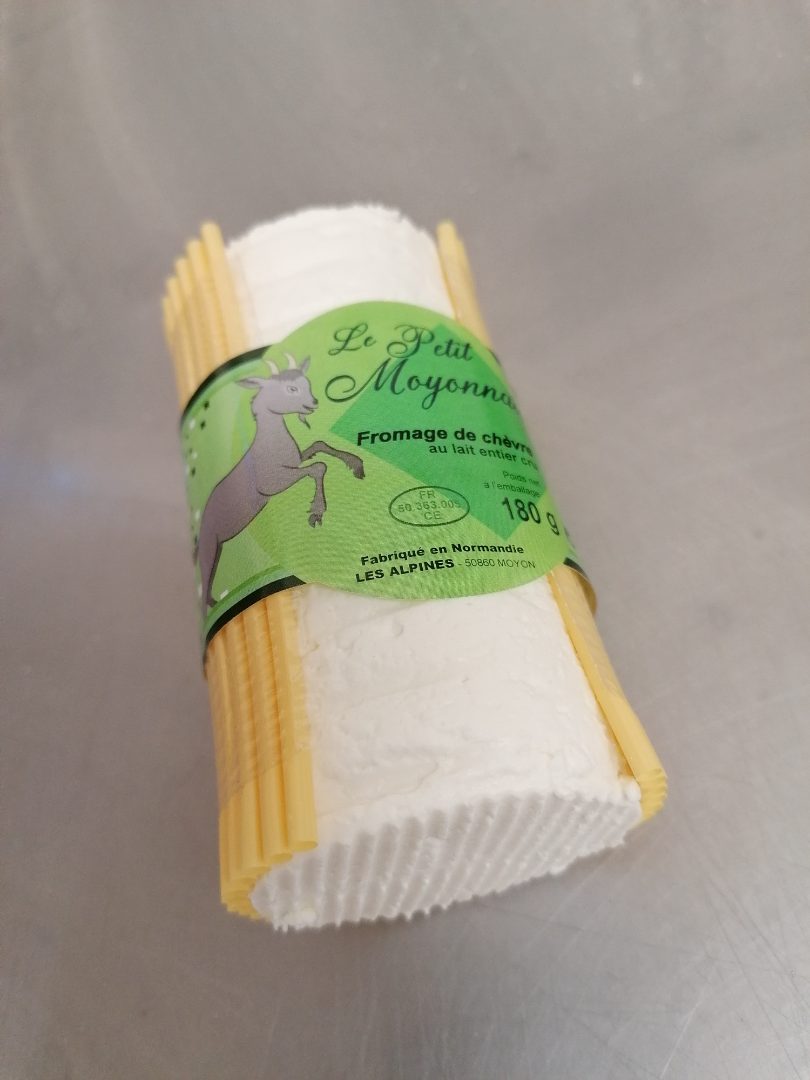
Identification information of the recalled product
Product category Feed
Product subcategory Milk and dairy products
Product brand name HENNART
Model names or references GOAT FARM OVEN
Identification of products
GTIN
Batch
Date
3700222101178
220338 229101 230101 231101
Date of minimum durability between 08/27/2022 and 09/11/2022
Packaging package of 8 pieces under vacuum, but sold individually for the consumer
Marketing start/end date From 07/26/2022 to 08/11/2022
Storage temperature Product to be stored in the refrigerator
Health mark EN 50.363.05 EC
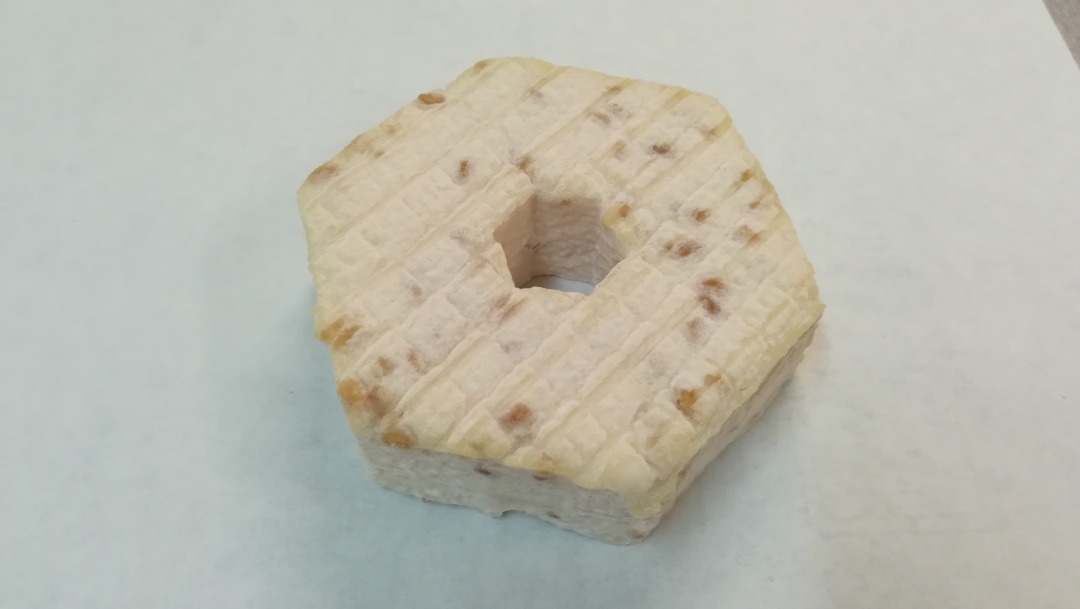
Further information SMALL FRESH CHEESE SOLD IN THE CUT CHEESE DEPARTMENT
Geographic area of sale Whole France
Distributors INDEPENDENT CUSTOMERS, MATCH SUPERMARKETS, CORA CAEN, CORA DORLISHEIM, CORA ESSEY LES NANCY, CORA REMIREMONT, CORA SAINT MALO, CORA SOISSONS, SUPER U, LECLERC
Practical information regarding the recall
Reason for recall PRESENT LISTERIA
Risks incurred by the consumer Listeria monocytogenes (causative agent of listeriosis)
Axfood is recalling Garant Organic beef & pork (mixed mince) 18%, 500 grams, after it was found that a limited batch of the product contains salmonella.
Due to the potential for microbial contamination, including Cronobacter sakazakii and Clostridium botulinum
Company Name:
King’s Hawaiian
Brand Name:
King’s Hawaiian
Product Description:
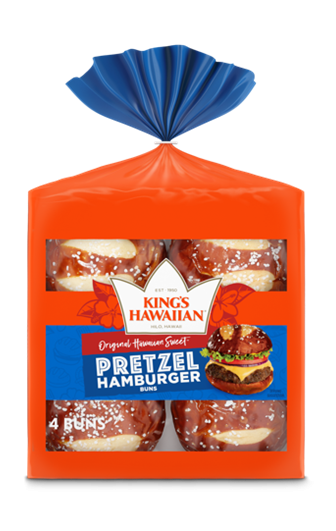
Pretzel Slider Buns, Pretzel Hamburger Buns and Pretzel Bites
Company Announcement
LOS ANGELES, Aug. 11, 2022 – King’s Hawaiian is voluntarily recalling its Pretzel Slider Buns, Pretzel Hamburger Buns and Pretzel Bites products out of an abundance of caution following a recall of an ingredient used in the pretzel products from one of its suppliers, Lyons Magnus. Lyons Magnus is recalling this ingredient due to the potential for it to cause microbial contamination including from the organisms Cronobacter sakazakii and Clostridium botulinum. While no illnesses associated with King’s Hawaiian pretzel bread have been reported, and no pathogens have been found in any King’s Hawaiian products to date, the recall is being conducted to ensure consumer safety.
This recall does not impact any other King’s Hawaiian products, as no other products use this ingredient from Lyons Magnus. King’s Hawaiian will resume producing all pretzel products once the company has ensured all current product has been disposed of and has confirmed the safety of all ingredients.
Consumers in possession of any King’s Hawaiian Pretzel Slider Buns, King’s Hawaiian Pretzel Hamburger Buns or King’s Hawaiian Pretzel Bites should dispose of the product. Consumers can contact King’s Hawaiian at 877-695-4227, Monday through Friday from 8:30 a.m. to 5:00 p.m. PT, if they have any questions, or to request replacement product.
King’s Hawaiian advises that consumers in possession of any King’s Hawaiian Pretzel Slider Buns, King’s Hawaiian Pretzel Hamburger Buns or King’s Hawaiian Pretzel Bites should dispose of the product
Asda is taking the precautionary action of recalling Asda White Lasagne Sauce because of a possible microbiological contamination risk due to a production fault. The issue only affects products sold at Asda stores in the North West of England, North Midlands and North Wales.
Product details
Asda White Lasagne Sauce
Pack size
480g
Best before
03 February 2024
Risk statement
This product may contain microbiological contamination and could be unsafe to eat.
Action taken by the company
Asda is recalling the above product from affected stores only. Point of sale notices will only be displayed in affected Asda stores. These notices explain to customers why the product is being recalled and tells them what to do if they have bought the product. Please see the point of sale notice for a full list of affected stores.
If you have bought the above product do not eat it. Instead, return it to the Asda store from where it was bought for a full refund, no receipt required. If you would like any further information, please contact Asda Customer Relations on 0800 952 0101.
Cérélia is recalling two types of Abra-ca-Debora Dutch Pancakes because they might contain Listeria monocytogenes.
Product details
Abra-ca-Debora 6 Original Dutch Pancakes
Pack size
375g
Batch code
1000050799
Best before
30 August 2022
Abra-ca-Debora 6 Original Dutch Pancakes
Pack size
375g
Batch code
1000050800
Best before
01 September 2022
Abra-ca-Debora 6 Sweet Dutch Pancakes
Pack size
375g
Batch code
1000050803
Best before
30 August 2022
Abra-ca-Debora 6 Sweet Dutch Pancakes
Pack size
375g
Batch code
1000050804
Best before
02 September 2022
Risk statement
The products listed above might be contaminated with Listeria monocytogenes
Symptoms caused by this organism can be similar to flu and include high temperature, muscle ache or pain, chills, feeling or being sick and diarrhoea. However, in rare cases, the infection can be more severe, causing serious complications, such as meningitis.
Some people are more vulnerable to listeria infections, including those over 65 years of age, pregnant women and their unborn babies, babies less than one month old and people with weakened immune systems.
Action taken by the company
Cérélia is recalling the above products. Point of sale notices will be displayed in all retail stores that are selling these products. These notices explain to customers why the products are being recalled and tell them what to do if they have bought any of the products.
If you have bought any of the above products do not eat them. Instead, return them to the store from where they were bought for a full refund. For more information, please contact Cérélia Belgium at qa@cerelia.com
Thermophilic Campylobacter species are the most common cause of bacterial gastroenteritis worldwide, and handling and consumption of broiler meat is considered a major foodborne transmission route. Both the incidence of campylobacteriosis and the prevalence of Campylobacter in broilers show seasonality but the impact of this association and broiler prevalence on human incidence is not clear. To explore this relationship we applied two approaches for analyzing time series data using different time resolutions (weekly, bi-weekly or monthly data) of human campylobacteriosis cases and prevalence of Campylobacter spp. in broiler slaughter batches in Sweden between 2009 and 2019. The decomposition of time series into seasonal (S), long-term trend (T) and residual components (STL model) showed a close overlap in seasonal patterns in terms of timing and the proportional change of peaks from normalized yearly levels. Starting 2016, when a large outbreak was reported, there was significant overlap in the trend components as well. The trend component of human cases prior to the outbreak corresponded to a linear increase of 6.5 % cases annually. In comparison, the estimated annual increase in broiler consumption was 2.7 %. An additive approach for time-series counts incorporating seasonal and epidemic (cases are a function of previous cases) components found a positive association between human cases and broiler prevalence with an optimal lag of 2 weeks, 1 bi-week, or 0 months. Considering the estimated time between slaughter and consumption, incubation time, and the time between on-set of disease and testing, a 2-week lag may be consistent with transmission via handling and consumption of fresh broiler meat. The best model included broiler prevalence as a factor in the epidemic model component, not in the seasonal component. The outcomes in terms of best model, optimal lags and significance of parameters, using weekly, bi-weekly or monthly data were, in general, in agreement but varied with data resolution when only a subset of the time series, not including any known broiler associated outbreaks, was analyzed. The optimal resolution based on the available data and conditions of the present analysis appeared to be weekly or bi-weekly data. Results suggest that broiler prevalence with a 2 week lag period can explain part of the human cases but has a smaller explanatory impact during the part of the study period not including the large known outbreaks. There is no simple relationship between broiler prevalence and human cases. Additional factors than broiler prevalence need to be evaluated in order to understand the transmission routes and epidemiology of campylobacteriosis.
Identification information of the recalled product
Product category Feed
Product subcategory Milk and dairy products
Product brand name The Alpines
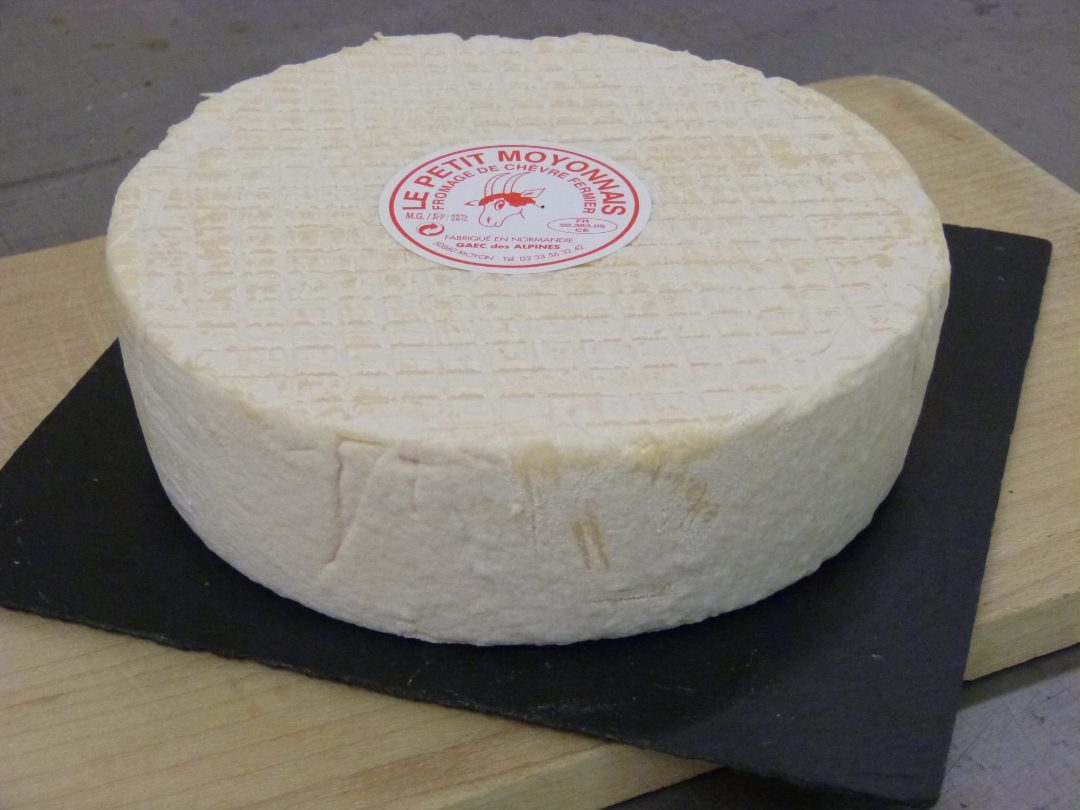
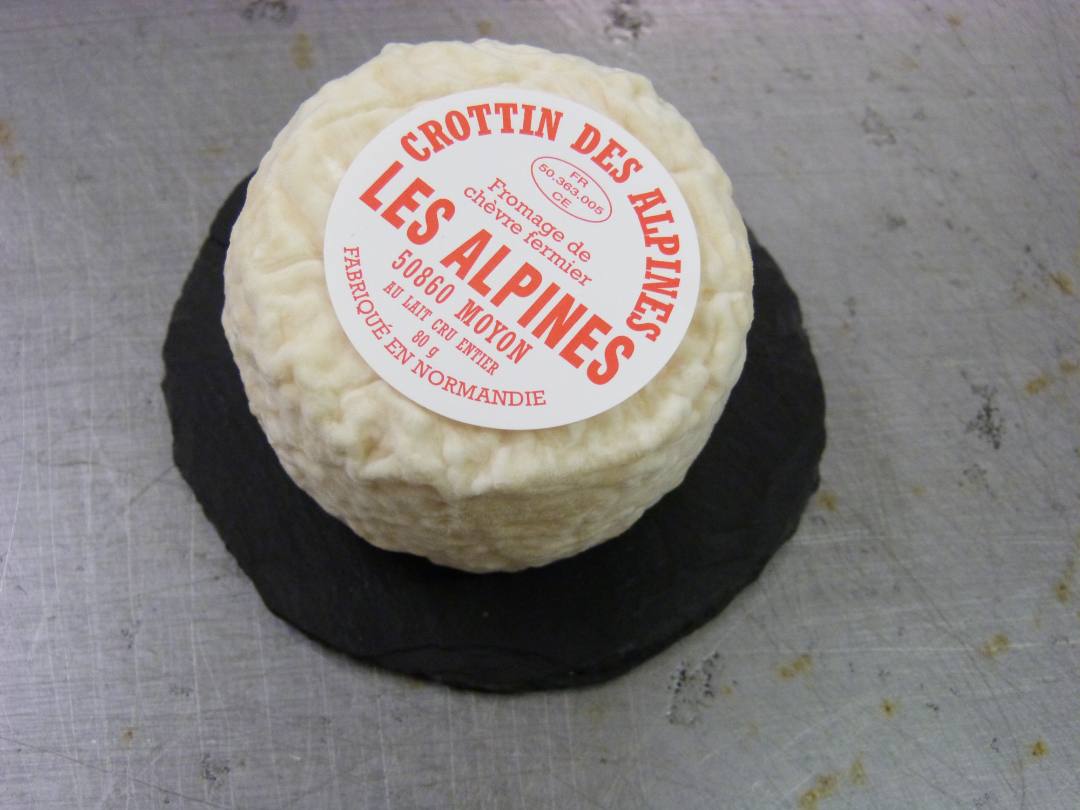
Model names or references Crottins des Alpines Tome of lactic goat cheese Le petit Moyonnais Cheese nut with fenugreek seeds Ash cheese nut Buche le petit Moyonnais
The Institute of Public Health has discovered a national outbreak caused by the gastrointestinal bacterium monophasic Salmonella Typhimurium. So far, infection has been detected in 18 people. The Norwegian Food Safety Authority cooperates with the Norwegian Institute of Public Health and the Norwegian Veterinary Institute on the outbreak. The Norwegian Food Safety Authority is now working to trace the relevant watermelons.
– We consider it highly unlikely that melons associated with the outbreak are still on the market, says senior adviser Catherine Signe Svindland at the Norwegian Food Safety Authority.
According to the Norwegian Institute of Public Health, all 13 people who have been interviewed so far have eaten watermelon in the last few days before they fell ill. Most of the people fell ill in the period from the end of June to the middle of July 2022 and whole watermelon has a shelf life of 3-4 weeks.
– Melon grows on the ground in countries with a warm climate. There have previously been many outbreaks of salmonella from various types of melon. Bacteria grow very well in the melon flesh because melon has a neutral PH compared to other fruits, a lot of sugar and a high water content. If there is a wound through the skin, bacteria can enter the pulp, grow and become very numerous. Bacteria can also enter the pulp from the skin when you split the melon. If you buy ready-cut melon, feel free to ask the shop about their routines, says senior advisor Catherine Signe Svindland at the Norwegian Food Safety Authority.
The Norwegian Food Safety Authority has the following advice on safe handling of melons:
Do not use melons with damage to the skin that goes into the pulp.
Wash the melon well and dry it with paper before cutting it into pieces.
Wash your hands and equipment thoroughly with soap and water after handling melon.