Archives
-
Join 338 other subscribers
KSWFoodWorld
Blog Stats
- 480,463 Views
Category Archives: Food Pathogen
Research – Risk evaluation of E. coli ST 131 as a foodborne pathogen in Switzerland
Within recent years, the topic of multidrug-resistant, uropathogenic Escherichia coli strains has seen a rise in occurrence as foodborne pathogens. At the core of this topic is the specific clonal group referred to as Escherichia coli O25b:H4 sequence type 131 (ST 131). It is an extended-spectrum β-lactamase (ESBL) producing E. coli strain, postulated to be responsible for the spread of ESBL-encoding genes world-wide.
This literature review aimed to evaluate ST 131 as a foodborne pathogen in Switzerland, in order to assess the risk it poses for food producers in Switzerland specifically. On a global scale, ST 131 has been identified on all continents. It is mostly associated with chicken and poultry meat, and has been isolated from retail products many times.
Not exclusive to chicken, it was rarely identified from fish guts and gills. In all other meat products, ST 131 was found only in faecal matter, not in the product itself. Besides meat, the pathogen was not identified from any sources such as dairy, fruit and vegetables.
The situation is similar in Switzerland, where it was isolated frequently from chicken, rarely from fish and a complete absence of the pathogen in all other food product groups. The risk, ST 131 poses towards Swiss food producers has been evaluated as a medium risk factor for both chicken and fish products, and a low risk factor for any other products. Despite ST 131 being evaluated as a medium-to-low risk factor, depending on the product, it is still recommended to perform further research on the topic. Especially looking towards prevalence in Swiss food, in chicken and poultry meat, but also in fish.
Specifically fish designated for raw consumption (Sushi, Sashimi). Moreover, the spread of afore-mentioned ESBL-encoding genes is hypothesized to occur also during infection of humans. This leads to the recommendation, that ST 131 should be considered a food-safety risk in all products, in order to eliminate said spread. Whether this consideration as a food-safety risk is feasible, cannot be said without further analysis of products and viable treatment options.
Korea – Hepatitis A cases doubled in Korea in 2021: KDCA
Hepatitis A cases have become prevalent this year, forcing the Korea Disease Control and Prevention Agency (KDCA) to urge people to follow the guidelines for hepatitis A prevention.
According to the KDCA, the nation reported more than 100 hepatitis A cases per week since the 11th week of 2021. This number is more than two folds from the same period of last year. Especially after the 30th week of July 18-24, the number of hepatitis A patients has been hitting record highs this year, except for the 2019 hepatitis A outbreak.
The majority of hepatitis A patients were aged between 30 and 49. This is probably because people born after 1970 were less exposed to the hepatitis A virus during childhood thanks to improved hygiene, and they did not receive vaccinations. Therefore, they are unlikely to have immunity to hepatitis A, the KDCA said.
Hepatitis A can be transmitted through contaminated water or food. To prevent it, people need to cook foods at a sufficiently high temperature and follow hygiene cooking rules.
Vegetables and fruits must be thoroughly washed or peeled.
The KDCA noted that eating raw shellfish could raise the risk of hepatitis A infection.
The agency recommended that shellfish be cooked at 90 or higher degrees Celsius for at least four months.
Posted in Contaminated water, food contamination, Food Hazard, Food Hygiene, Food Illness, Food Inspections, Food Micro Blog, Food Microbiology, Food Microbiology Blog, Food Microbiology Testing, Food Pathogen, food recall, Food Safety, Food Safety Alert, Food Testing, Hepatitis A, Water, water microbiology, Water Safety
Israel – Natural Mineral Spring Water – Pseudomonas aeruginosa
Neviot recalls Natural Mineral Spring Water (500 ml; Best before 11.10.2022 and 12.10.2022) due to possible Pseudomonas aeruginosa contamination.
Posted in Contaminated water, food contamination, Food Hazard, Food Hygiene, Food Inspections, Food Micro Blog, Food Microbiology, Food Microbiology Blog, Food Microbiology Testing, Food Pathogen, food recall, Food Safety, Food Safety Alert, Food Testing, Pseudomonas, Pseudomonas aeruginosa, Water, water microbiology, Water Safety
Italy – Long slice smoked salmon – Listeria monocytogenes
Brand : Fish & Fine
Name : Long slice smoked salmon
Reason for reporting : Recall due to microbiological risk
Publication date : 19 October 2021
Click to access C_17_PubblicazioneRichiami_1525_azione_itemAzione0_files_itemFiles0_fileAzione.pdf
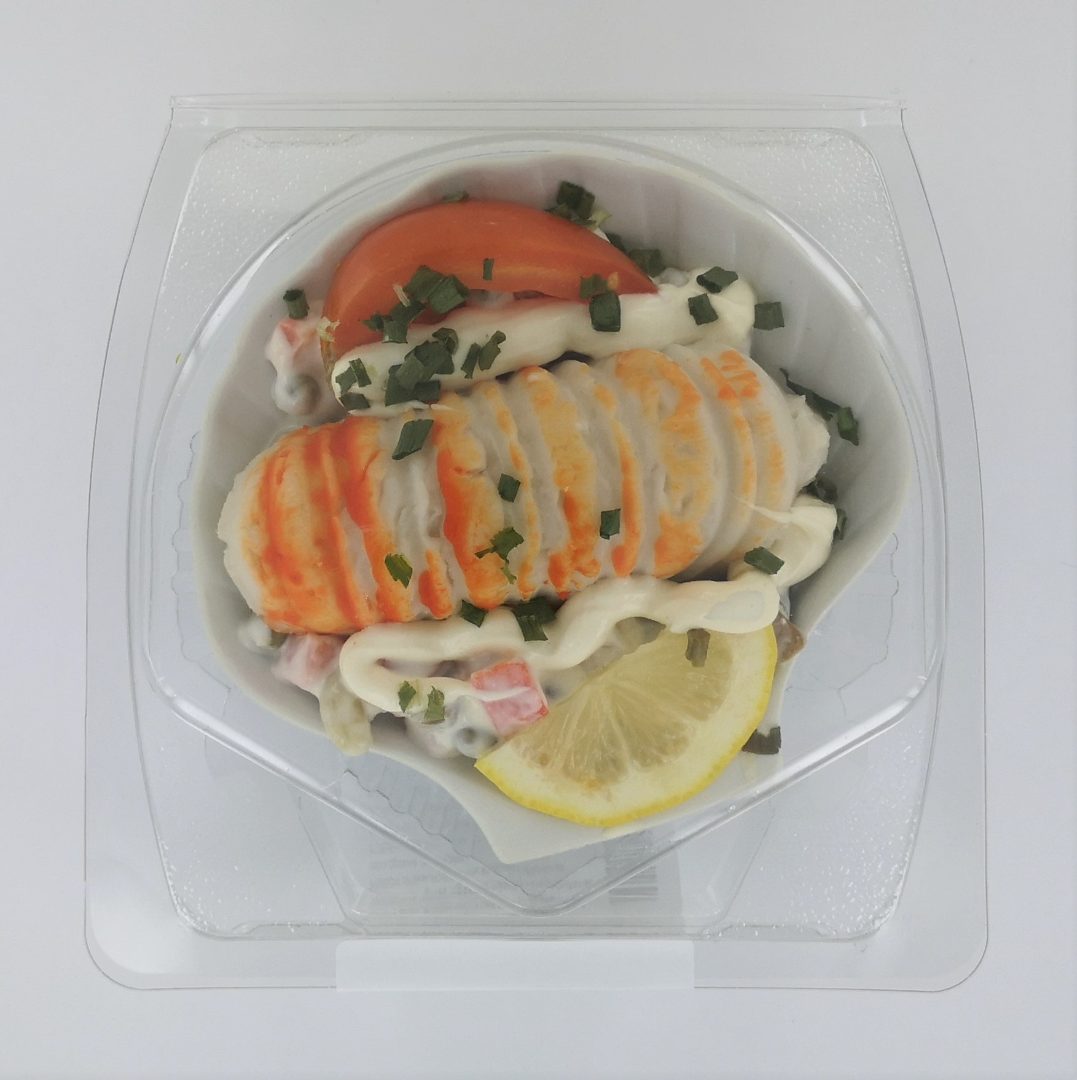
France – Demoiselles sea shell – Listeria monocytogenes

Identifying information for the recalled product
- Product category Food
- Product sub-category Fishery and aquaculture products
- Product brand name Unbranded
- Names of models or references Demoiselles sea shell – reference 200 g
- Product identification
GTIN Lot Dated 3399130019134 21271 Use-by date 09/10/2021 - Packaging200 g tray
- Storage temperature Product to be stored in the refrigerator
- Health mark FR 60 139 011 CE
- Geographical sales area Whole France
- Distributors MONOPRIX and GALEC
Practical information regarding the recall
- Reason for recall Listeria presence at the end of DLC – DLC expired on 10/09/2021
- Risks incurred by the consumer Listeria monocytogenes (causative agent of listeriosis)
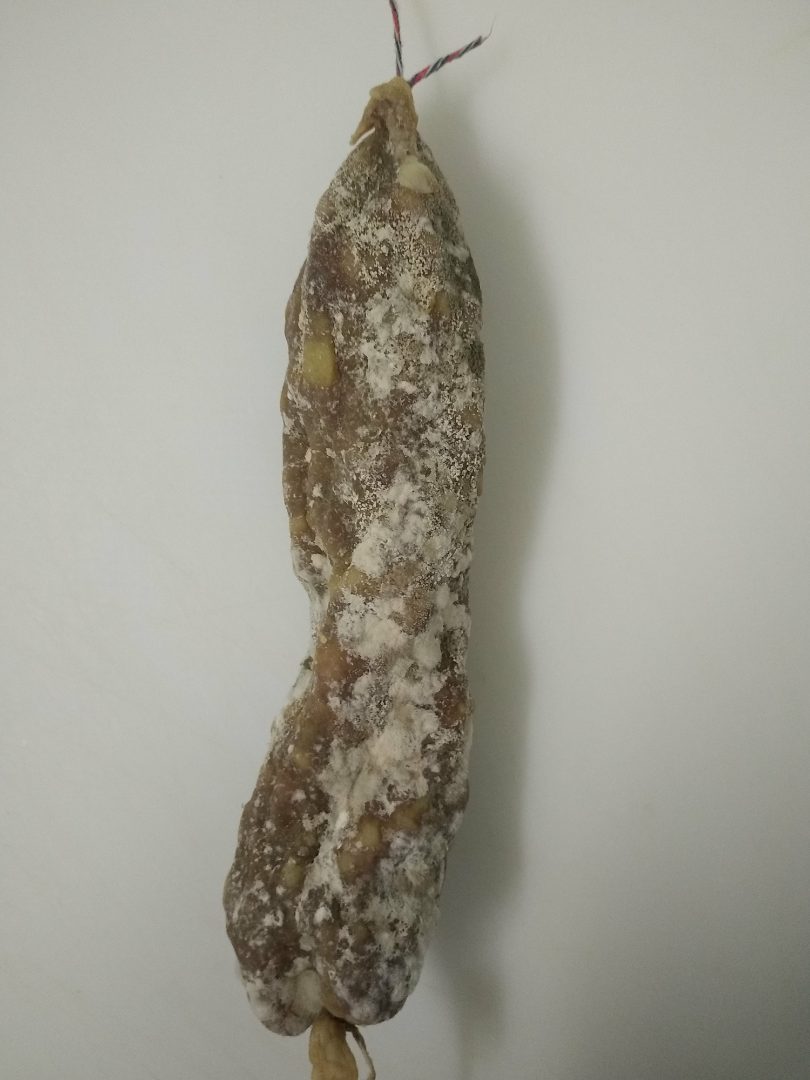
France – Plain Pork Dry Sausage – Listeria monocytogenes

Identifying information for the recalled product
- Product category Food
- Product sub-category Meats
- Product brand name unbranded
- Names of models or references without
- Product identification
Lot 220721 - Packaging without
- Start date / End of marketing From 06/10/2021 to 09/10/2021
- Storage temperature Product to be stored at room temperature
- Health mark without
- Further information dry sausage sold individually in self-service on the market
- Geographical sales area Charlieu market 42190
- Distributors no
Practical information regarding the recall
- Reason for recall Following a self-check on a batch of dry pork sausage, detection of listeria monocytogenes
- Risks incurred by the consumer Listeria monocytogenes (causative agent of listeriosis)
USA – Raw milk recalled in Washington after sampling reveals E. coli contamination
Williams Valley Family Farm LLC of Clayton, WA, is recalling retail, raw whole milk because of E. coli contamination. The recall was initiated after routine sampling conducted by the Washington State Department of Agriculture (WSDA) revealed the presence of toxin-producing E. coli in the farm’s unpasteurized, raw milk dated Oct. 20-28.
There is concern that consumers may have the milk in their homes because of the expiration date, which has not passed. Consumers who have purchased the recalled products are urged not to drink them and return them to the place of purchase for a full refund, according to the recall notice.
USA – U.S. and Canada part of Salmonella outbreak linked to tahini and halva
The United States and Canada are part of an outbreak affecting Europe because of Salmonella in tahini and halva from Syria.
The United States has reported six Salmonella Mbandaka cases, one in 2020 and the rest this year.
Interviews were conducted with two people: both report shopping at international markets that stock mostly Arabic and Middle Eastern foods and ingredients, and ate items containing tahini. Interviews are pending on the remaining ill people. Two have traveled to Syria and have not been reachable by public health officials.
Ill people range from less than one to 57 years old, with a median age of 19.5 years. Illness onset dates are from Nov. 19, 2020 to Sept. 5, 2021.
Canada has eight confirmed cases: five of Salmonella Mbandaka, two of Salmonella Havana and one of Salmonella Orion from 2019 to 2021.
Posted in food bourne outbreak, food contamination, Food Hazard, Food Hygiene, Food Illness, Food Inspections, Food Micro Blog, Food Microbiology, Food Microbiology Blog, Food Microbiology Testing, Food Pathogen, food recall, Food Safety, Food Safety Alert, Food Testing, foodborne outbreak, foodbourne outbreak, outbreak, Salmonella
Netherlands – Safety warning white point meatball, minced meat sandwich and wholemeal point meatball Bakker Goedhart – Salmonella
Goedhart Convenience BV warns against white-tipped meatball, minced meat sandwich and whole-wheat-tipped meatball. The meat may contain salmonella. Eating a product with this bacterium is a danger to public health and can especially pose a risk for people with a low resistance, such as the sick, pregnant women, the elderly and young children.
Which products are involved?
- TBO White tip meatball BLK1*, EAN 8714368008234, best before date between 04-10-2021 and 20-10-2021
- TBO Sandwich minced meat BLK1*, EAN 8714368008166, best before date between 04-10-2021 and 26-10-2021
- TBO Wholemeal point meatball BLK1 *, best before 04-10-2021 and 26-10-2021
- The products were sold through Jumbo, Spar, Lekkerland, Conway, Foox, HAVI, Sligro, Vending@Work and Paresto
Netherlands – Safety warning DekaVers Smoked sausage Fine and DekaVers Smoked sausage Coarse – Salmonella


DekaMarkt will immediately remove the DekaVers Smoked Sausage Fine and DekaVers Smoked Sausage Coarse from the shelves. Checks have shown that these products may contain salmonella.
Which product is it?
- DekaVers Smoked sausage Coarse 1 star with EAN code 2336792
- DekaVers Smoked sausage Coarse with EAN code 2336769
- Action DekaVers Smoked sausage fine 1 star with EAN code 2336793
- DekaVers Smoked sausage Fine with EAN code 2336766
- THT 27-10-2021 and 28-10-2021