Category Archives: Food Microbiology Research

Luxembourg – Tahini natural from the AL’FEZ brand – Salmonella

SAP

Name Natural Tahini
Brand AL’FEZ
Unit 160 g
Barcode 5010338300890
Use-by date (UBD) 07/2025
Sale period from April 19, 2024

Danger  : Possible presence of Salmonella

Salmonella can cause symptoms such as nausea, vomiting, abdominal cramps, diarrhea, fever, and headache within 6 to 72 hours after consumption. These symptoms may be worse in young children, immunocompromised individuals, and the elderly. People who have consumed these products and are experiencing these symptoms are advised to consult a doctor and report their consumption.

The product can be distributed by different points of sale in Luxembourg.

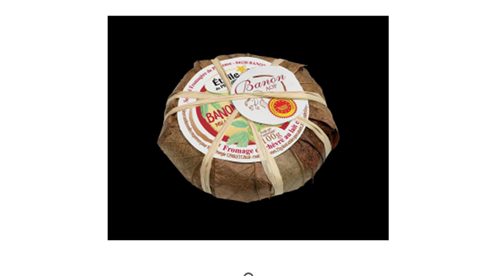
Ireland – Recall of specific batches of Etoile de Provence Banon AOP (raw milk goats’ cheese) due to the presence of Yersinia enterocolitica

FSAI

Alert Summary
Category 1: For Action
Alert Notification: 2024.30
Product Identification: Etoile de Provence Banon AOP (raw milk goats’ cheese); pack size: 100g
Batch Code Best-before dates: 12/07/2024 & 19/07/2024
Country Of Origin: France

Message:

The above batches of Etoile de Provence Banon AOP (raw milk goats’ cheese) are being recalled due to the presence of Yersinia enterocolitica.

Nature Of Danger:

Yersinia enterocolitica are bacteria which may be ingested via contaminated food or water. Symptoms of yersiniosis most often develop 3-7 days after infection. Symptoms include fever, abdominal cramps, watery or bloody diarrhoea, headaches, and vomiting. Yersiniosis is typically self-limiting, and symptoms can persist from 1-3 days up to 3 weeks. Some individuals are more vulnerable to infection, including young children, older adults and immunocompromised individuals.

Action Required:

Manufacturers, wholesalers, distributors, caterers & retailers:

Retailers are requested to remove the implicated batches from sale and display recall notices at point-of-sale.

Consumers:

Consumers are advised not to eat the implicated batches.

Research – Modeling the growth behavior of Salmonella spp. in grated carrots inoculated with different inoculum levels stored at various temperatures

Wiley Online

The consumption of fresh and fresh-cut fruits and vegetables, such as carrots, has increased for the last decades for a healthy life and an adequate diet, but concerns regarding the microbial safety of them have been raised. The present study was conducted to develop predictive models for Salmonella spp. in grated carrots. The results showed that Salmonella spp. did not display growth at 5°C, but it grew in grated carrots at other temperatures (10, 15, 20, 25, and 37°C) for both inoculum levels. Also, the inoculum levels affected the growth of this pathogen in grated carrots when the storage temperatures ranged from 15 to 25°C. The theoretical minimum temperatures calculated using the Huang model were 3.48 and 5.79°C for inoculum levels of 101 and 102 CFU/g, respectively. The primary and secondary models performed well in terms of agreement between experimental and estimated values. Furthermore, compared to the Ratkowsky model, the theoretical minimum temperature was given a more reasonable value using the Huang model. The models developed in the present study will be a useful input for future quantitative microbial risk assessment to appraise the proliferation of Salmonella spp. in grated carrots throughout the production process, storage, and distribution.

Research – Enhancing microbial control in poultry processing: A comprehensive study on carcass washing systems

Wiley Online

In the poultry industry, the evisceration stage often sees the highest microbial load on chicken carcasses. While manual trimming has traditionally been employed to remove gastrointestinal contamination, Brazilian legislation allows the use of a carcass washing system as an alternative. This study aimed to establish and validate a protocol for the use of a chicken carcass washing system as a replacement for manual trimming in a major poultry processing facility in southern Brazil. The methodology followed international standards for microbial analysis such as total mesophilic counts and Enterobacteriaceae. Comparing contamination levels before and after treatments, significant reductions are seen. Manual trimming reduced contamination by 39.43% (gastric), 53% (fecal), and 50% (biliary). Washing achieved greater reductions, with a 96.37% drop in gastric contamination and complete elimination (100%) of fecal contamination. These results met statistical significance. Both procedures reduced contamination levels. Manual trimming maintained 50% of samples below the mean value without exceeding upper control limits (UCL). Washing increased the percentage of samples below the mean value from 46% to 54%, demonstrating its superior efficiency. For Enterobacteriaceae, trimming maintained 44% of samples below the mean value, and washing increased it from 46% to 48%. In conclusion, the carcass washing system effectively removes visible gastrointestinal contents, meeting regulatory standards and receiving authorization from the Federal Inspection Service for use in the facility.

Research – Evaluation of Simultaneous Growth of Escherichia coli O157:H7, Salmonella spp., and Listeria monocytogenes in Ground Beef Samples in Different Growth Media

MDPI

Abstract

Several multiplex approaches for the simultaneous detection of pathogens in food have been developed in recent years, but the use of a single enrichment medium remains a problem. In this study, six enrichment broths (five non-selective media, tryptic soy broth (TSB), brain heart infusion broth (BHI), buffered peptone water (BPW), universal pre-enrichment broth (UPB), no. 17 broth, and a selective, Salmonella Escherichia Listeria broth (SEL)), were studied for the simultaneous detection of E. coli O157:H7, Salmonella spp., and L. monocytogenes, to validate the suitable enrichment broth to be used for the detection methods. Different ratios of E. coli O157:H7, Salmonella spp., and L. monocytogenes were used. Almost all non-selective broths evaluated in this study showed similar growth parameters and profiles among each other. The only selective enrichment broth under analysis (SEL) showed distinct growth features compared to the non-selective media, allowing for a slower but balanced growth of the three pathogens, which could be beneficial in preventing the overgrowth of fast-growing bacteria. In addition, when tested in ground beef samples, SEL broth seems to be the most distinctive medium with a balanced growth pattern observed for the three pathogens. Overall, this study is intended to provide the basis for the selection of suitable enrichment broths according to the technology detection to be used, the desired time of enrichment, and the expected balanced concentration of pathogens.

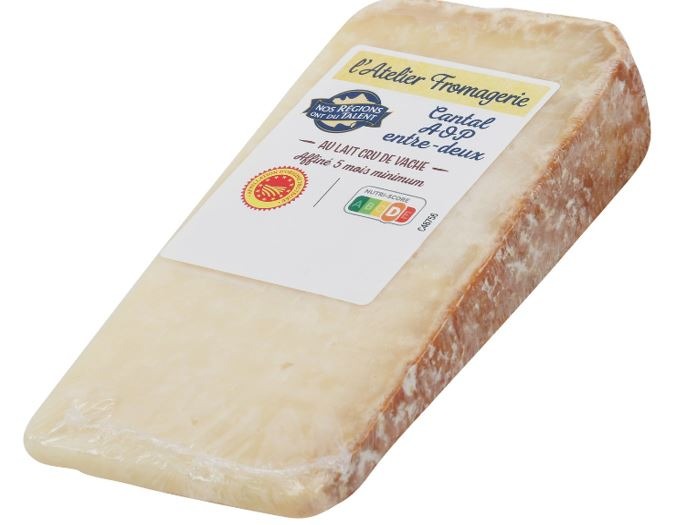
France – CANTAL BETWEEN TWO AOP 200G – STEC E.coli 026

RASFF

Product Category
Food
Product subcategory
Milk and dairy products
Product brand name
THE CHEESE WORKSHOP – OUR REGIONS HAVE TALENT
Model names or references
CANTAL BETWEEN TWO AOP 200G
Product identification
GTIN Batch Date
3564709190280 24157105 Minimum durability date 03/07/2024
Packaging
200G
Start/End of marketing date
From 06/08/2024 to 07/04/2024
Storage temperature
Product to be kept in the refrigerator
Health mark
FR 31.582.001.CE
Geographic area of ​​sale
Whole France
Distributors
E.LECLERC

UK – FSA – Protecting consumers from infection with Shiga toxin-producing E.coli (STEC)

FSA

This statement explains the UK’s policy on the appropriate risk management when Shiga toxin-producing E. coli (STEC) is detected in food. It includes the UK regulatory approach to STEC and the effective food safety controls to maintain the supply of safe food.

This clarifies the UK policy for food businesses as they meet their responsibility to ensure the food they supply is safe and for enforcement authorities as they carry out official checks to ensure that businesses are applying appropriate controls.

This statement:

  • will provide the foundation for a consistent response to STEC testing results so that public health is protected
  • will clarify requirements for food businesses as they provide safe food and develop Food Safety Management System (FSMS) and Hazard Analysis and Critical Control Point (HACCP) control plans in relation to STEC

UK – Shiga toxin-producing Escherichia coli: guidance, data and analysis

Gov UK

Shiga toxin-producing Escherichia coli (STEC), previously known as Vero cytotoxin-producing Escherichia coli (VTEC), are a group of bacteria that cause infectious gastroenteritis. Historically the most frequently reported STEC strain to cause illness in England was STEC O157; however, in recent years reports of non-O157 STEC infections have increased. In England around 1,500 cases of STEC (O157 and non-O157) are reported each year.

Symptoms can range from mild gastroenteritis through to severe bloody diarrhoea.

Sometimes people with STEC infection can develop haemolytic uraemic syndrome (HUS), a serious condition affecting the blood, kidneys, and the central nervous system, which can also result in death.

The main reservoir for STEC is cattle and other ruminants. Transmission to humans occurs through:

  • consumption of contaminated food or water
  • contact with animals or their faeces
  • contact with a contaminated environment
  • person-to-person spread, often resulting in multiple people in one household becoming infected

Outbreaks of STEC occur every year. UKHSA uses whole genome sequencing to identify groups of people with the same strain of STEC and then investigates these outbreaks at the national level with partner agencies. This enables controls to be implemented and stops more people becoming unwell. Most large outbreaks of STEC are foodborne, commonly identified food vehicles include meat (for example, under-cooked burgers), salad vegetables or dairy products.

For guidance on other non-STEC E. coli infections, see Escherichia coli (E. coli): guidance, data and analysis.

Italy – SALAME MANTOVANO – SALAME LOTTI 0703274 – 190424 – Salmonella

Salute

Brand : SALUMIFICIO CATTINI

Name : SALAME MANTOVANO – SALAME LOTTI 0703274 – 190424

Reason for reporting : Recall due to microbiological risk

Publication date : 2 July 2024

Documentation

Documentation

Research – Battling bacterial biofilms: Winning the war against stubborn microbes

Food Safety News

Imagine a group of bacteria teaming up like a gang, creating a fortress around them. This is essentially what bacterial biofilms are – a tough, sticky barrier that makes them incredibly difficult to defeat. They form on medical devices, water pipes, kitchen surfaces, and even in our bodies, leading to persistent infections and contamination. In the food industry, bacterial biofilms formed on food and non-food contact surfaces are associated with many foodborne outbreaks.

Once attached to surfaces, biofilms can remain for long periods, ranging from days to years. A recent scientific study indicated that Listeria monocytogenes biofilms persisted for 17 years on contact surfaces in a seafood processing environment (see below for further reading). Although this formidable microbial community is resistant to chemical, physical, or biological treatments, there are proven ways to deal with them.