Category Archives: Food Microbiology Blog

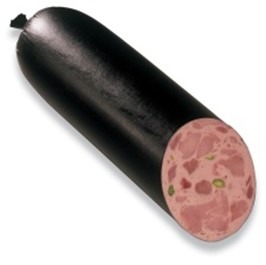
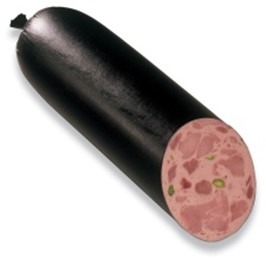
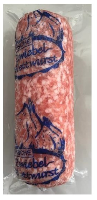
Germany – Onion Mettwurst – STEC E.coli

LMW

image.jpg

Alert type: Groceries
Date of first publication:

07/21/2023

Product name: Onion Mettwurst
Fleischwaren-Wulff GmbH & Co. KG Hans-Böckler-Str. 25 37079 Goettingen
Manufacturer (distributor):

Reason for warning:

The product could be contaminated with Escherichia Coli germs (STEC/VTEC).

Packaging Unit: 150g
Durability: 07/31 / 01.08. / 02.08. / 03.08. / 04.08.2023
Lot identification: Batch: 327301 EAN: 4002049027525
Additional Information:

Most E. coli strains are harmless colonists of the human intestine. But they are an
indication of contamination of a food. There are also some E. coli strains that
can cause intestinal infections. E. coli disease manifests itself within a few days after
infection with diarrhoea, abdominal pain and occasionally vomiting and a slight fever. The
symptoms usually subside on their own after a few days. Babies, small children, senior citizens and people with a weakened immune system in particular can develop more severe illnesses. Anyone who has eaten this food and develops severe or persistent symptoms should seek medical attention and indicate possible E. coli infection. It makes no sense to seek preventive medical treatment without symptoms 

Italy – Robiola di Eros pure raw goat’s milk gr. 250 – STEC E.coli

Salute

Brand : La Casera Srl

Denomination : Robiola di Eros pure raw goat’s milk gr. 250

Reason for reporting : Recall for microbiological risk

Publication date : July 22, 2023

Documentation

Documentation

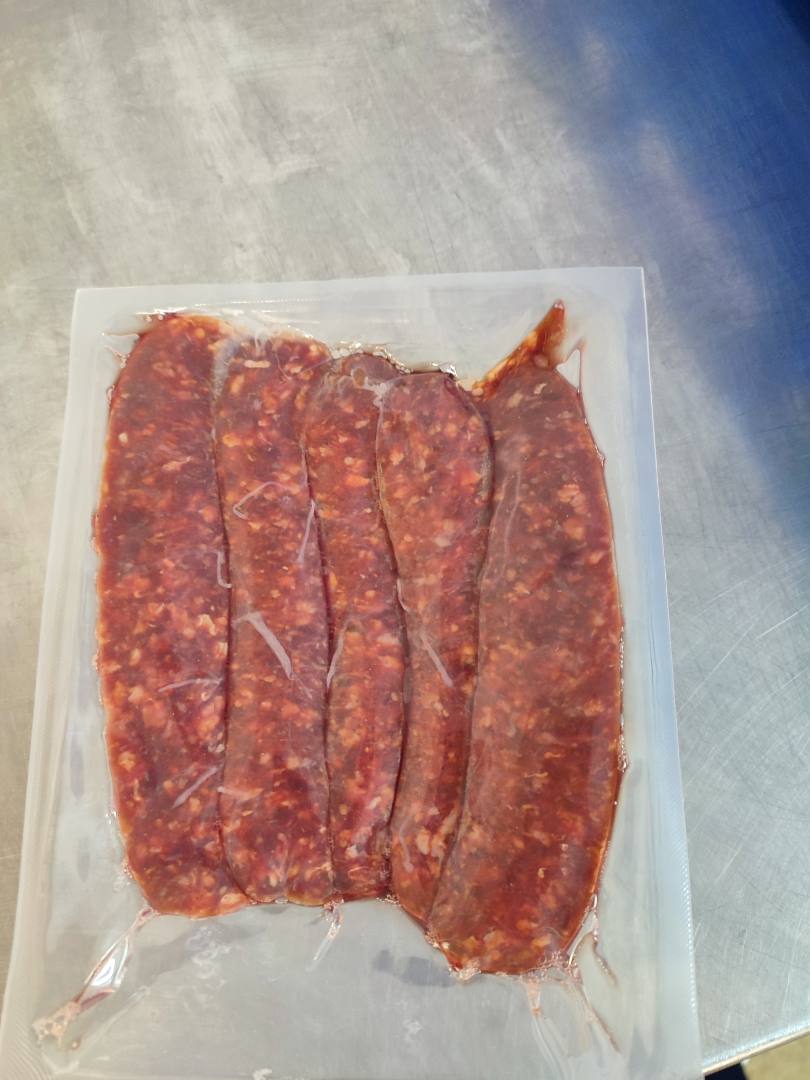
France – Beef Minced Steak -Small pure beef sausage – STEC E.coli O26: H11

Gov france

Gov france

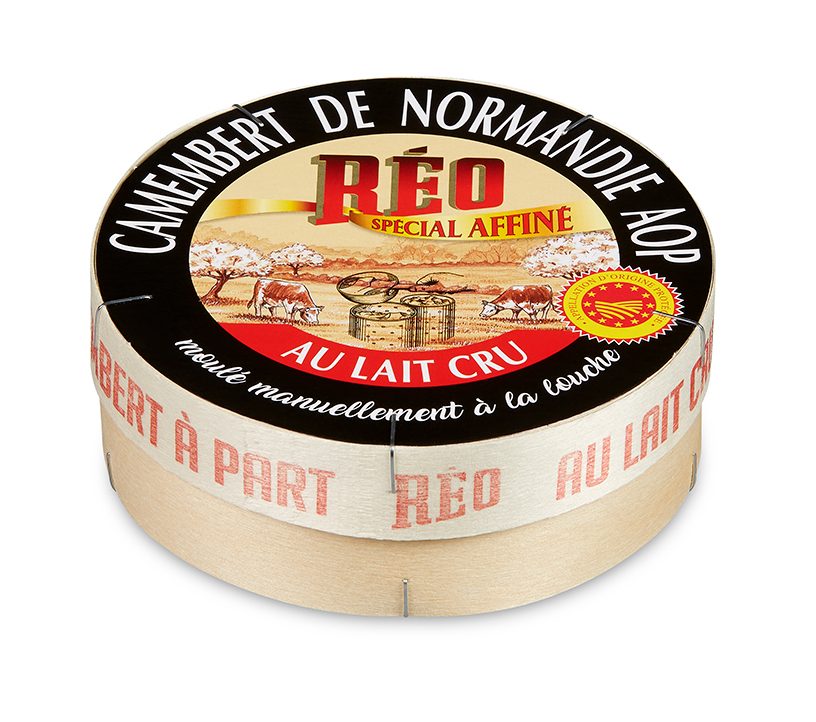
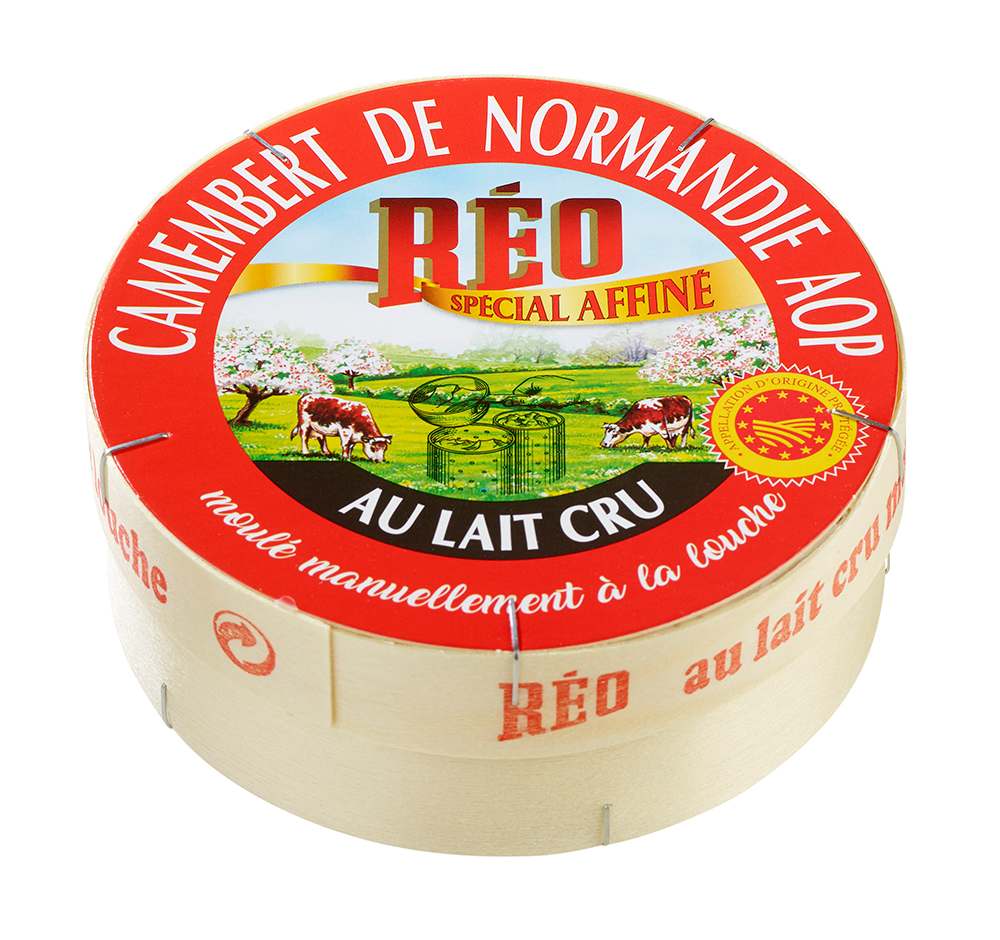
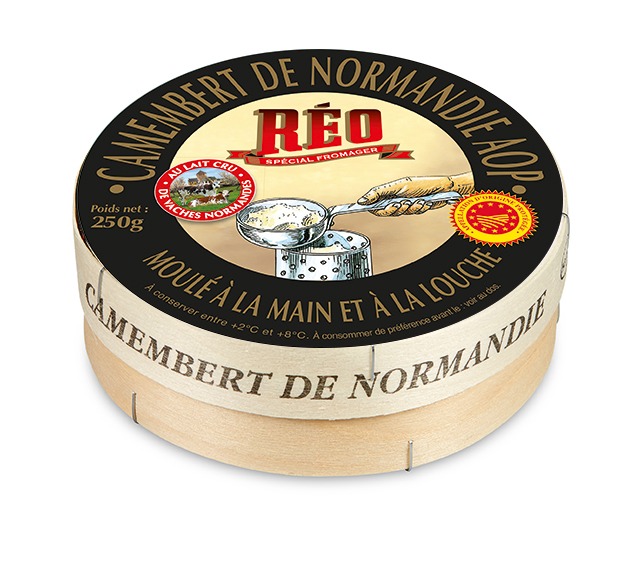
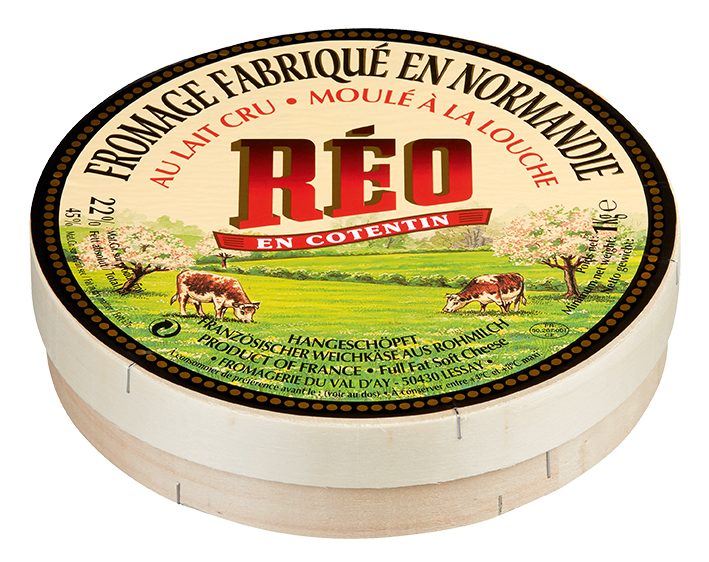
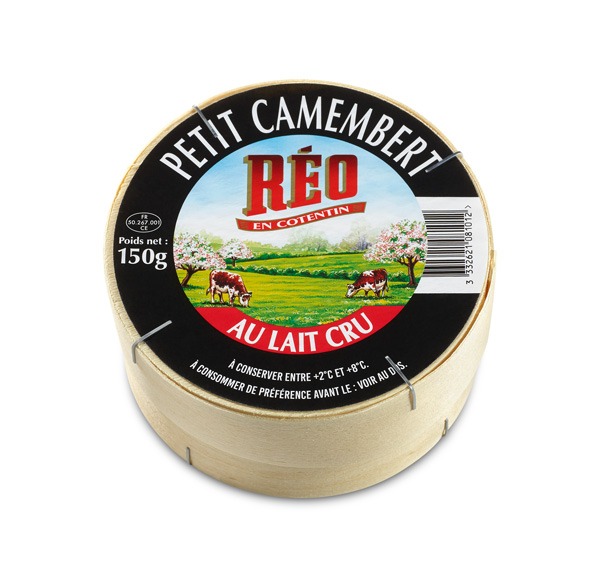
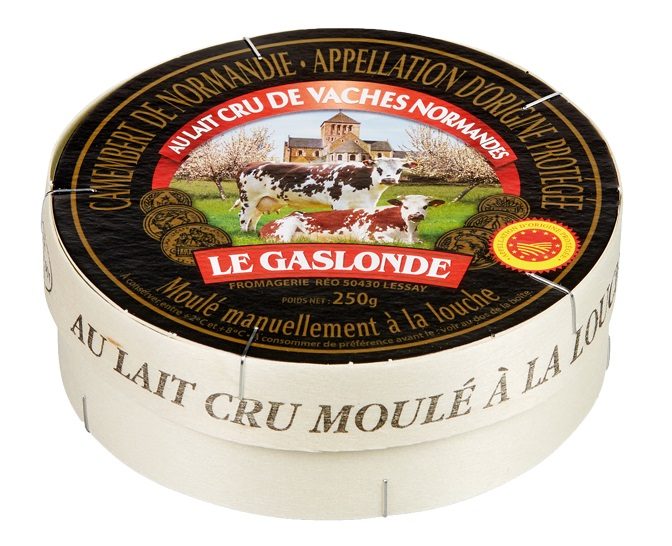
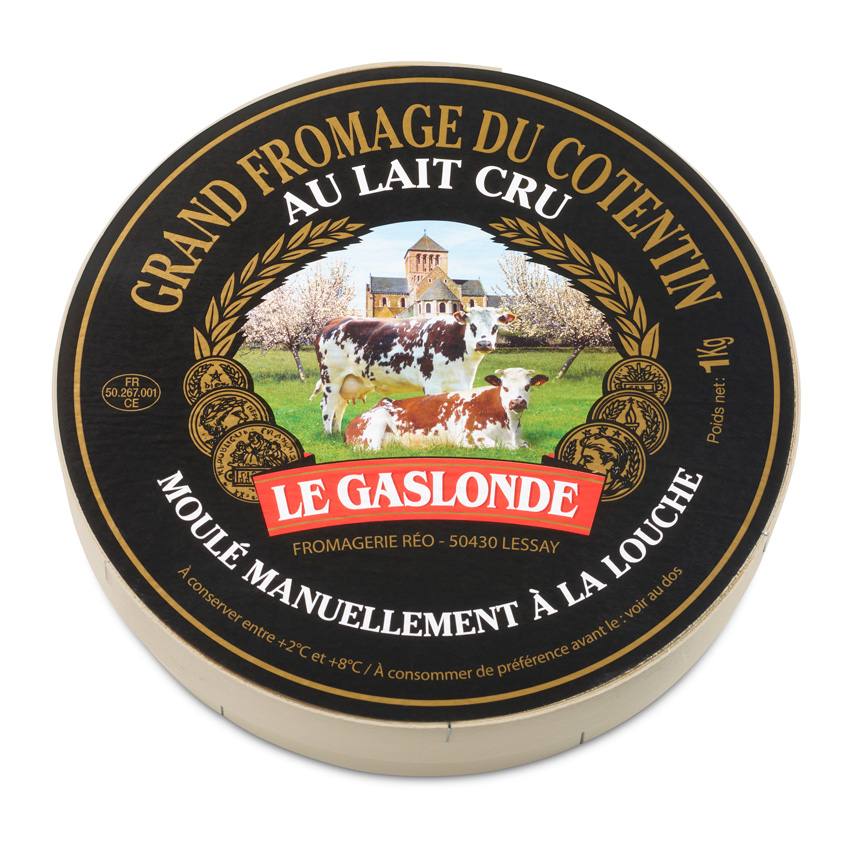
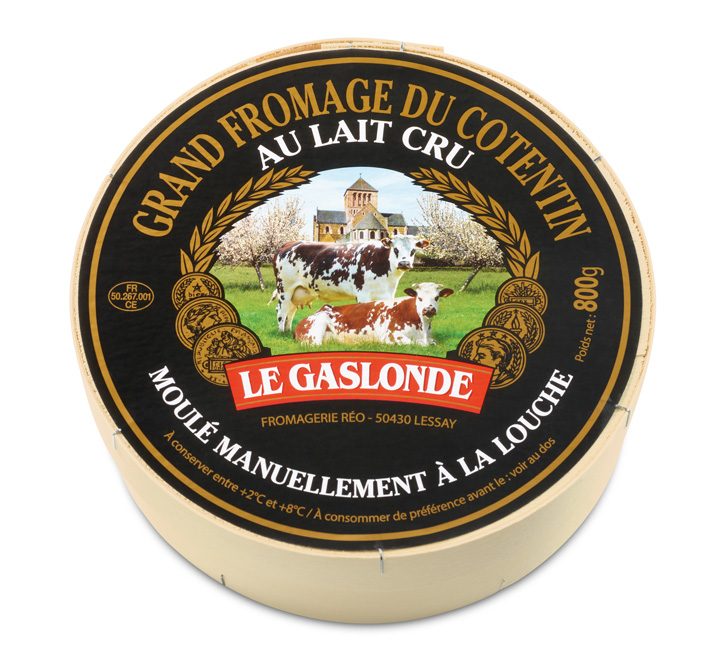
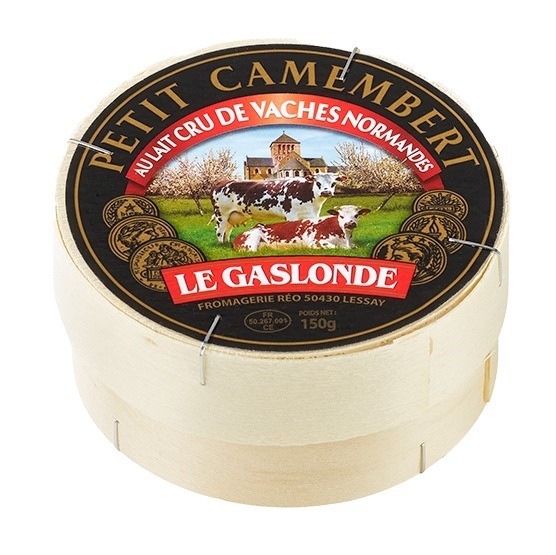
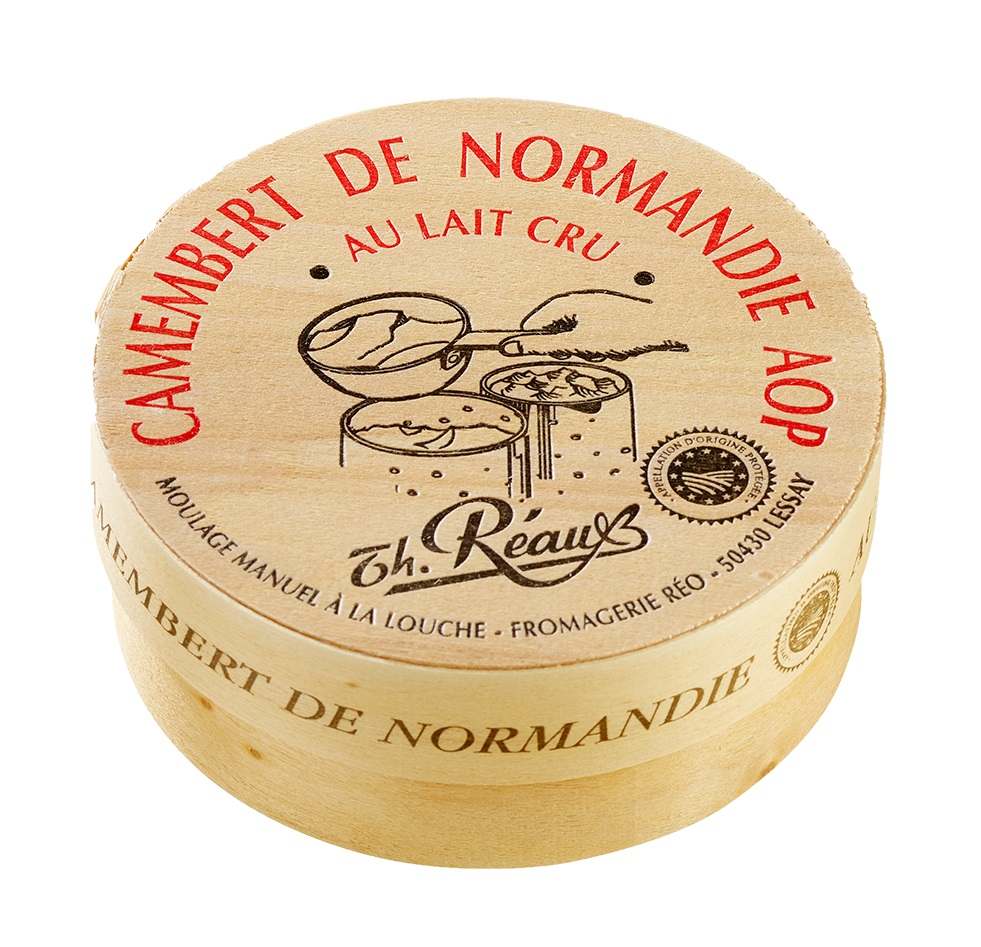
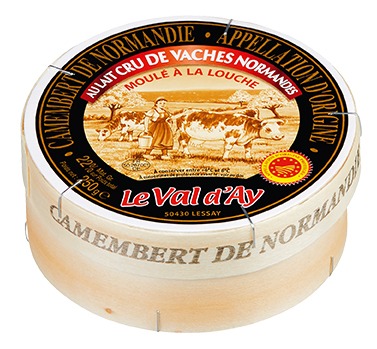
France – Raw milk cheeses – Listeria monocytogenes

Gov france

Gov france

Gov france

Gov france

France – Various Ham Sausage Products – Mold/Mould

Gov france

Ham sausage

Gov france

Ham sausage

Research – Modified Atmosphere Packaging (MAP) for Seaweed Conservation: Impact on Physicochemical Characteristics and Microbiological Activity

MDPI

Abstract

Conventional conservation techniques such as drying, salting or freezing do not allow for preserving the original characteristics of seaweeds. The present work aims to study the impact of minimal processing, in particular “Modified Atmosphere Packaging” (MAP), on the physicochemical characteristics and food safety of two seaweed species, “laver” (Porphyra umbilicalis) and “sea-lettuce” (Ulva lactuca), stored at 6 °C for 15 days. Different parameters were evaluated using analytical methods, namely the composition of headspace gases, color, texture, microorganisms, and volatile organic compounds (VOCs). The main findings of this study were that the MAP treatment was able to inhibit the respiration rate of minimally processed seaweeds, also preserving their color and texture. There was a remarkable reduction in the microbial load for P. umbilicalis treated under modified and vacuum atmospheres, and U. lactuca exhibited relatively steady values with no notable differences between the treatments and the control. Therefore, during the 15-day study period, both seaweeds met the requirements for food safety. GC–TOF-MS allowed to conclude that both MAP and vacuum treatments were more efficient in maintaining the odor characteristics of U. lactuca compared to P. umbilicalis with no significant differences throughout the storage days. Metabolic responses to diverse sources of abiotic stress seemed to account for most of the changes observed.

Research – The brink of a phage paradigm shift in the EU?

Poultry World

We might be on the brink of a phage paradigm shift in the European Union. This was the view of various experts during an online webinar on 11 July organised by PhageEU, a coalition of stakeholders representing phages in industry, the scientific community and civil society.

A feed additive based on phage technology could be authorised by the European Commission in the near future, they agreed, adding that this would be a template for the development of ground-breaking phage products in poultry and other food-producing animals.

The webinar was an opportunity to discuss technical challenges to designing bacteriophage products, the regulatory hurdles in Europe for this new product category as well as to analyse the recent political debate in the EU institutions and the future outlook.

Research – Microbial Inhibition by UV Radiation Combined with Nisin and Shelf-Life Extension of Tangerine Juice during Refrigerated Storage

MDPI

Abstract

This study evaluated the efficiency of UV radiation doses (4.68–149.76 J/cm2) and nisin (50–200 ppm) and their combination in comparison with thermal pasteurization on the microbial inhibition kinetics and physicochemical properties of tangerine juice. It was noted that UV-149.76 J/cm2 and nisin (NS) at 200 ppm in conjunction exhibited the highest log reduction in spoilage and pathogenic microbes including Escherichia coliLactiplantibacillus plantarum, and Saccharomyces cerevisiae, yeast and molds, and total plate count in tangerine juice. Additionally, the first-order kinetic model provides a better fit for spoilage and pathogenic strains compared with the zero-order model (higher coefficient of determination, R2), particularly for E. coli. UV and NS showed insignificant effects (p > 0.05) on pH, TSS, and TA values compared with pasteurization. However, there were notable differences observed in color analysis, total phenolic compound, total flavonoid content, vitamin C, carotenoid content, and antioxidant activity using DPPH and FRAP assays. The optimized UV + NS samples were subjected to refrigerated storage for 21 days. The results revealed that during the entire storage period, the pH values and the TSS values slightly decreased, and the TA values increased in the treated samples. The UV + NS treatment insignificantly impacted the color properties. The total phenolic, total flavonoid, and carotenoid contents, and vitamin C decreased over time for all sample treatments, whereas the antioxidant properties exhibited varying outcomes, compared with an untreated control and pasteurization. Therefore, UV radiation and nisin (UV-149.76 J/cm2 + NS-200 ppm) in combination could serve as a viable alternative to traditional heat pasteurization of fruit juice during cold storage.

Research – Irish survey highlights barbecue food safety risks

Food Safety News

Almost half of respondents to a survey in Northern Ireland have been served raw or undercooked meat at a barbecue.

The poll revealed 45 percent of barbecue-goers in summer were given items such as burgers, chicken and sausages but left them untouched because of the risk of food poisoning.

Safefood conducted the survey of 300 adults across Northern Ireland to shed light on barbecue cooking habits. The group safefood promotes food safety and nutrition in Northern Ireland and the Republic of Ireland.

Quebec – Notice not to consume various seafood products packaged in glass jars prepared and sold by the company Fruits de mer Fougère – Clostridium botulinum

Quebec

QUEBEC CITY , July 19. 2023 /CNW/ – The Ministry of Agriculture, Fisheries and Food (MAPAQ), advises the population not to consume the products indicated in the table below, because they have not been prepared and packaged to ensure their safety. Indeed, these products could promote the proliferation of the  Clostridium botulinum bacterium .

Product name

Format

Affected batch

Mussels in oil

All sizes

Units sold
until July 19
, 2023

Smelt

lobster meat

Lobster paste

Clams

The products that are the subject of this warning were offered for sale until July 19, 2023, by Fruits de mer Fougère, located at 1189, route 199, in the Îles-de- Madeleine. The products were packaged in glass jars with a metal lid. They were sold at room temperature. The products do not have a label.

MAPAQ is issuing this warning as a precaution. In addition, people who have any of these products in their possession are advised not to consume it and to throw it away.

Even if the affected products show no signs of tampering or suspicious odors, they could be contaminated with Clostridium botulinum bacteria . Foods contaminated with the toxin of this bacterium can cause, when ingested, the following symptoms: facial paralysis, non-reactive or fixed pupils, difficulty swallowing, droopy eyelids, vision and speech disorders. In severe cases, the disease can cause death.

It should be noted that no case of illness associated with the consumption of these foods has been reported to MAPAQ to date.