Category Archives: Food Inspections

UK – Petting Farms and Crytosporidium

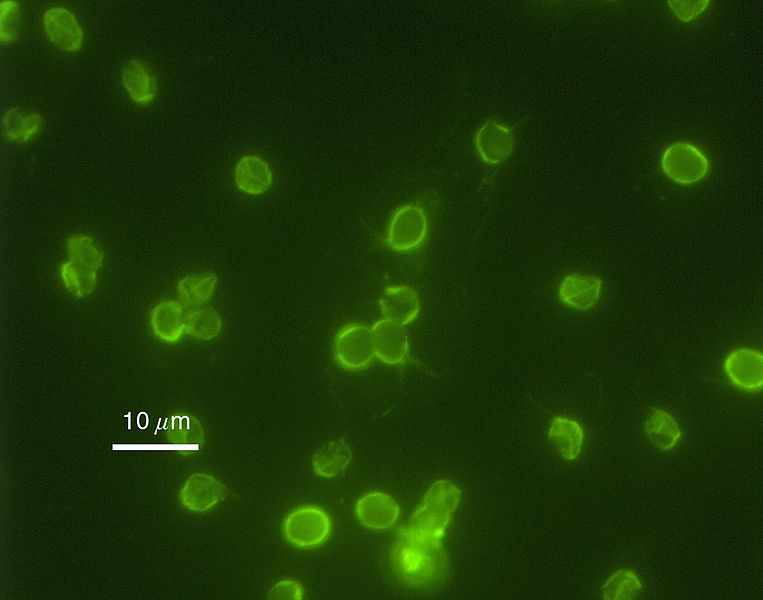
Westmorland Gazette 763px-Cryptosporidium_parvum_01

A CUMBRIA and north Lancashire public health chief is urging parents to be aware of potential infections that can be caught at farm attractions.

Dr Ken Lamden says everyone should practice good hand hygiene when visiting petting farms where animals can be handled.

Over the past 20 years, an average of around 80 cases of cryptosporidium infection linked to visits to petting farms have been reported to Public Health England each year. This is out of a total of around two million visits to the 1,000 plus farm attractions in the UK, with peak visitor times during school and public holidays.

RASFF Alerts – Salmonella -Dog Chew – Aflatoxin – Popcorn – Norovirus – Clams – STEC E.coli – Raw Milk

RASFF-Logo

RASFF – Salmonella spp. (presence /25g) and high count of Enterobacteriaceae (1.5*10² CFU/g) in dog chew from Thailand in Spain

RASFF – aflatoxins (B1 = 1937; Tot. = 2569 µg/kg – ppb) in popcorn from Argentina in Italy

RASFF -norovirus in frozen blanched clams (Meretrix Lyrata) from Vietnam in Spain

RASFF -shigatoxin-producing Escherichia coli (stx+ ; eae+ /25g) in raw milk from Belgium in Belgium


USA – British Airways Meals – Possible Listeria monocytogenes

Food Poisoning Bulletin Eurofins Food Testing UK

Flying Food Group, an airline catering company, is warning passengers who ate an appetizer meal served on British Airways flights that they may have been exposed to Listeria monocytogenes bacteria. The meals were served on British Airways flights 0204, 0206, and 208 on March 19, 2014. The 41 appetizer meals were prepared at the corporation’s facility in Miami.

Listeriosis, the illness caused by the Listeria monocytogenes bacteria, takes up to 70 days to manifest. Anyone who ate the Char Grilled Asparagus and Grapefruit Appetizer meal served on those flights on that date should monitor themselves for the symptoms of listeriosis food poisoning for the next 70 days

Canada- CFIA Updated Recall – Listeria monocytogenes – Cheese Products

CFIA CIFA

The food recall warning issued on March 26, 2014 has been updated to include additional product information identified during the Canadian Food Inspection Agency’s (CFIA) food safety investigation. The following products are being recalled because they were made from or contain shredded cheese products voluntarily recalled by Castle Cheese Inc. due to Listeria.

Industry is recalling Belich’s Market and Creekside Market brands Breakfast Wraps from the marketplace due to possible Listeria contamination. Consumers should not consume the recalled products described in the linkm above.

RASFF Alerts – Animal Feed – Salmonella – Fish Meal – Aflatoxin – Rice Gluten Meal

RASFF-Logo

RASFF-Salmonella Agona (presence /25g) in fishmeal from Germany in Belgium

RASFF -aflatoxins (B1 = 0.032 mg/kg – ppm) in rice gluten meal from India in Belgium

USA – Recall – Salted Fish – Clostridium botulinum

Botulism blog Clost

Lao Thai Nam Corp., of Dallas, Texas is recalling Number One Sompa Salted Fish, because it has the potential to be contaminated with Clostridium botulinum, a bacterium which can cause life-threatening illness or death. Consumers are warned not to use the product even if it does not look or smell spoiled.


UK – FSA Calls for Tender – Campylobacter in Scotland

FSA food_standards_agency_logo

Proposals are sought for research that investigates the factors affecting variations in Campylobacter disease rates in Scotland. Specifically the FSA is looking to commission research that will significantly improve our understanding whether deprivation continues to have a protective effect on the levels of Campylobacter infection and if so what factors are likely to be contributing to this effect. The FSA would like to know what factors are most likely to influence rates of Campylobacter infection in different socioeconomic groups in Scotland.

Canada – CFIA Recalls Listeria monocytogenes – Shreded Cheese – Fruit Blends

CFIA CIFA

The food recall warning issued on March 17, 2014 has been updated to include additional product information identified during the Canadian Food Inspection Agency’s (CFIA) food safety investigation. The following products are being recalled because they were made from or contain shredded cheese products voluntarily recalled by Castle Cheese Inc. due to Listeria.

Industry is recalling various shredded cheese, pasta, and salad products from the marketplace due to possible Listeria contamination. Consumers should not consume the recalled products described in the link above.

CFIA

The Canadian Food Inspection Agency (CFIA) is warning distributors, retailers and food service establishments such as hotels, restaurants, cafeterias, hospitals and nursing homes not to sell or use the products described below due to possible Listeria contamination.

 Products

Brand Name Common Name Size Codes(s) on Product UPC
All Fruits LTD 7 Fruits Blend 5 L Best before 23 April 2014 8 31341 00901 4
All Fruits LTD 7 Fruits Blend 12 L Best before 23 April 2014 8 31341 00910 6
All Fruits LTD “Coupe hôpital“ 12 L Best before 23 April 2014 8 31341 00903 8
All Fruits LTD 7 Fruits Blend + Orange 12 L Best before 23 April 2014 8 31341 00801 7
Restaurant Maman Fournier 5 Fruits Blend 5 kg Best before 23 April 2014 None

RASFF Alerts – Animal Feed – Salmonella – Dried Pet Food – Dog Chews

RASFF-Logo

RASFF -Salmonella spp. (presence /25g) in dried pet food from China in Germany

RASFF -Salmonella spp. (presence /25g) in dog chew from the Netherlands in Germany

UK – FSA – Consultation on Virus

FSA Virusds

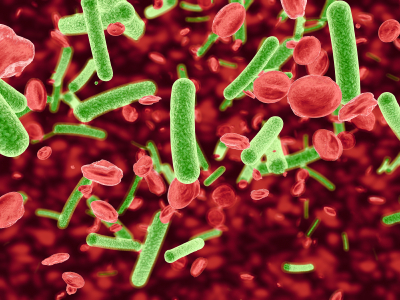
The Advisory Committee on the Microbiological Safety of Food (ACMSF) is a scientific advisory committee that provides the FSA with independent expert advice. This helps the FSA ensure that policy development and consumer advice in relation to the microbiological safety of food are based upon sound science and relevant practical experience and expertise. The Committee’s terms of reference are to assess the risk to humans from microorganisms that are used or occur in or on food and to advise the FSA on any matters relating to the microbiological safety of food.

Since the publication of the 1998 ACMSF report on foodborne viral infections, with the exception of minor risk assessment work carried out on hepatitis E and avian influenza, no formal review has been carried out on foodborne viruses.

At the March 2010 ACMSF meeting the FSA asked the Committee to consider whether it was timely to carry out a review of foodborne viral infections, assessing the risk to consumers and highlighting any research and surveillance gaps.

The Committee agreed that an ad hoc group should be set up to revisit the issue of foodborne viruses in light of the significant developments in this area, so that an updated risk profile could be produced based on the findings.

The group met 13 times from November 2010 to July 2013 to assess the extent of viral foodborne infection in the UK.

The group considered information on all foodborne viruses including new and emerging viral pathogens and identified that the most important viruses associated with foodborne infection were norovirus, hepatitis A virus, and hepatitis E virus. These viruses are the focus of the group’s report, which concentrates mainly on viral foodborne infection in the UK. The report also gives consideration of two recent comprehensive reviews of viruses in food that have been published by WHO (2008) and EFSA (2011). The report provides key information that will be used to inform Risk Assessments and Risk Management on foodborne viruses across government.

The group’s draft report has now been approved by the full Committee and is attached for comment.