Category Archives: E.coli

RASFF Alert – E.coli – Cilantro

RASFF

E.coli in coriander from Morocco in Spain

Australia – Long Paddock Cheese Driftwood Cheese – E.coli

FSANZ

Product information

Long Paddock Cheese is conducting a recall of Driftwood Cheese 180g and 1 kg. These product have been available for sale at NSW and VIC.

Driftwood Cheese recall for 1 kg wedges and 180 g round

Problem

The recall is due to potential microbial (E. Coli) contamination

Food safety hazard

Food Products Contaminated with E. Coli may cause illness if consumed

Country of origin

Australia

What to do​

​Any consumers concerned about their health should seek medical advice. Customers​ should return the product(s) to the place of purchase for a full cash refund. We apologise for any inconvenience.

For further information please contact:

Long Paddock Cheese, 9 Walker Street, Castlemaine 3450; Email: info@longpaddockcheese.com.au

​​​​​

Related links:

RASFF Alerts – E.coli – Organic Food Supplement – Clams – Fresh Rabbit Meat

RASFF

Detection of E.coli in organic food supplements from the Netherlands in France

RASFF

Elevated levels of Escherichia coli in clams (chamelea gallina) from Portugal in Spain

RASFF

Salmonella Enteritidis and E. coli in fresh rabbit meat from China in the Czech Republic and Germany

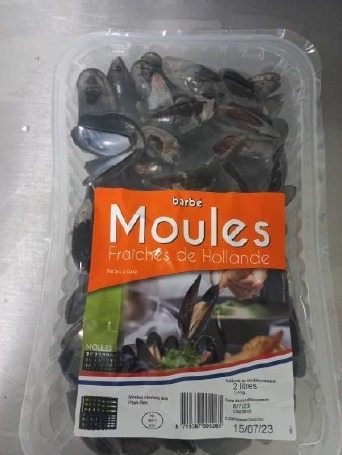
France – Barbé Fresh Mussels from Holland – E.coli

Gov france

Identification information of the recalled product

  • Product category Feed
  • Product subcategory Fishery and aquaculture products
  • Product brand name Beard
  • Model names or references Barbé Fresh Mussels from Holland
  • Identification of products
    GTIN Batch Date
    8710387005261 L883810 Use-by date 07/15/2023
  • Products List Reminder_mussels_Barbé.pdfAttachment
  • Packaging Tray
  • Marketing start/end date From 07/10/2023 to 07/15/2023
  • Storage temperature Product to be stored in the refrigerator
  • Health mark NL 6071 EG
  • Geographic area of ​​sale Whole France
  • Distributors Auchan stores

Germany sounds E. coli and HUS alert after travel to Egypt

Food Safety News

German public health officials have warned of a spike in cases of E. coli among travelers to Egypt.

Experts from the Robert Koch Institut (RKI) said they had also seen a rise in connected cases of hemolytic uremic syndrome (HUS). HUS is a severe complication associated with E. coli infections that causes kidney failure.

Since the beginning of 2023, 31 cases of E. coli and 10 of HUS in people who were likely infected while on holiday in Egypt have been reported.

A large proportion of patients – 12 E. coli cases and six HUS cases – were recorded in May and June. They had stayed in different hotels, mainly in Hurghada, which is also the most frequent travel spot in the country.

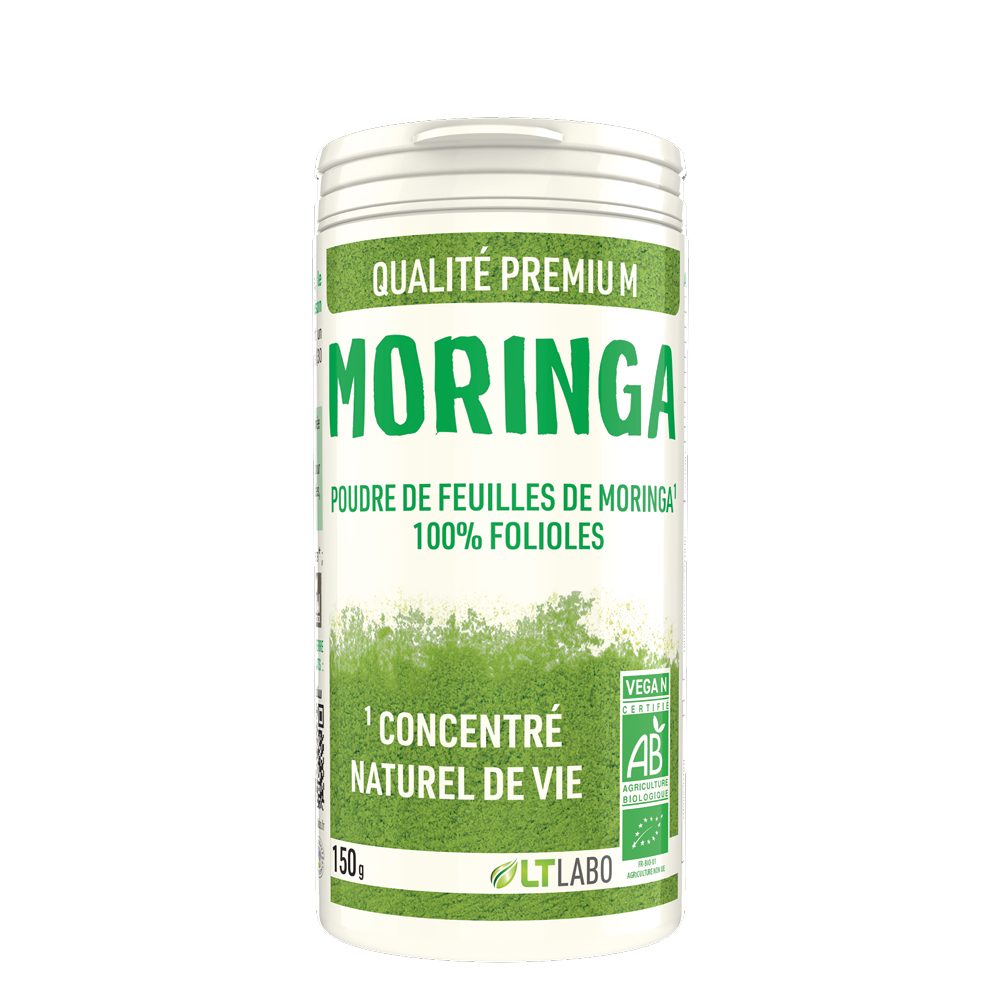
France – Organic Moringa Leaflets Jar 150g – E.coli

Gov france

Identification information of the recalled product

  • Product category Feed
  • Product subcategory Diet foods and nutrition
  • Product brand name LT LAB
  • Model names or references Organic Moringa Leaflets Jar 150g
  • Identification of products
    GTIN Batch Date
    3560610777527 230512-MOPO-2302 Date of minimum durability 31/12/2026
    3560610777527 230327-MOPO-2302 Date of minimum durability 31/12/2026
  • Marketing start/end date From 31/03/2023 to 04/07/2023
  • Storage temperature Product to be stored at room temperature
  • Geographic area of ​​sale Whole France
  • Distributors Organic stores, websites…

RASFF Alerts – E.coli – Clams – Mussels

RASFF

High level of E coli in clams (Chamelea gallina) from Italy in Spain

RASFF

Escherichia coli in clam (Chamelea gallina) from Italy in Spain

RASFF

PRESENCE OF E.COLI IN MUSSELS from France in Poland

Research – Molecular and Genetic Characterization of Colicinogenic Escherichia coli Strains Active against Shiga Toxin-Producing Escherichia coli O157:H7

MDPI

Abstract

The objective of this work was to molecularly and genotypically characterize and test the inhibitory activity of six colicinogenic Escherichia coli strains (ColEc) and their partially purified colicins against STEC O157:H7 isolated from clinical human cases. Inhibition tests demonstrated the activity of these strains and their colicins against STEC O157:H7. By PCR it was possible to detect colicins Ia, E7, and B and microcins M, H47, C7, and J25. By genome sequencing of two selected ColEc strains, it was possible to identify additional colicins such as E1 and Ib. No genes coding for stx1 and stx2 were detected after analyzing the genome sequence. The inhibitory activity of ColEc against STEC O157:H7 used as an indicator showed that colicins are potent growth inhibitors of E. coli O157:H7, being a potential alternative to reduce the presence of pathogens of public health relevance.

Canada – Kootenay Meadows brand Nostrala Firm Surface-Ripened Organic Cheese recalled due to generic E. coli

CFIA

Summary

Product
Nostrala Firm Surface-Ripened Organic Cheese
Issue
Food – Microbial Contamination – E. Coli – non-pathogenic
What to do

Do not use, sell, serve or distribute the affected product.

Audience
Retail

Kootenay Meadows brand Nostrala Firm Surface-Ripened Organic Cheese recalled due to generic E. coli.

The recalled product has been sold in Alberta.

Research – Use of Essential Oil Emulsions to Control Escherichia coli O157:H7 in the Postharvest Washing of Lettuce

MDPI

Abstract

Essential oils (EOs) have strong antibacterial properties and can be potential sanitizers to reduce pathogen load and prevent cross-contamination during postharvest washing. The objective of this study was to investigate the efficacy of emulsions containing oregano (OR; Origanum vulgare) and winter savory (WS; Satureja montana) EOs at different concentrations (0.94 and 1.88 µL/mL) and storage times (0 h, 24 h, and 7 days), in reducing Escherichia coli O157:H7 on the surface of three types of lettuce (romaine, crisphead, and butterhead). The EO emulsions were compared with one no-rinse treatment and three rinse treatments using water, 200 ppm chlorine, and 80 ppm peroxyacetic acid (PAA), respectively, in a simulated washing system. The results showed that while the EO emulsions significantly reduced E. coli O157:H7 on crisphead lettuce over time, not all treatments were effective for romaine and butterhead lettuce. The mixture of OR and WS at concentrations of 0.94 and 1.88 µL/mL was found to be the most effective in reducing E. coli O157:H7 on inoculated lettuce, resulting in reductions of 3.52 and 3.41 log CFU/g, respectively. Furthermore, the PAA and the mixture of OR and WS at 1.88 µL/mL effectively limited bacterial cross-contamination close to the detection limit for all lettuce types during all storage times. These results suggest that OR and WS EOs could serve as potential alternatives to chemical sanitizers for postharvest lettuce washing.