Category Archives: E.coli O145:H28

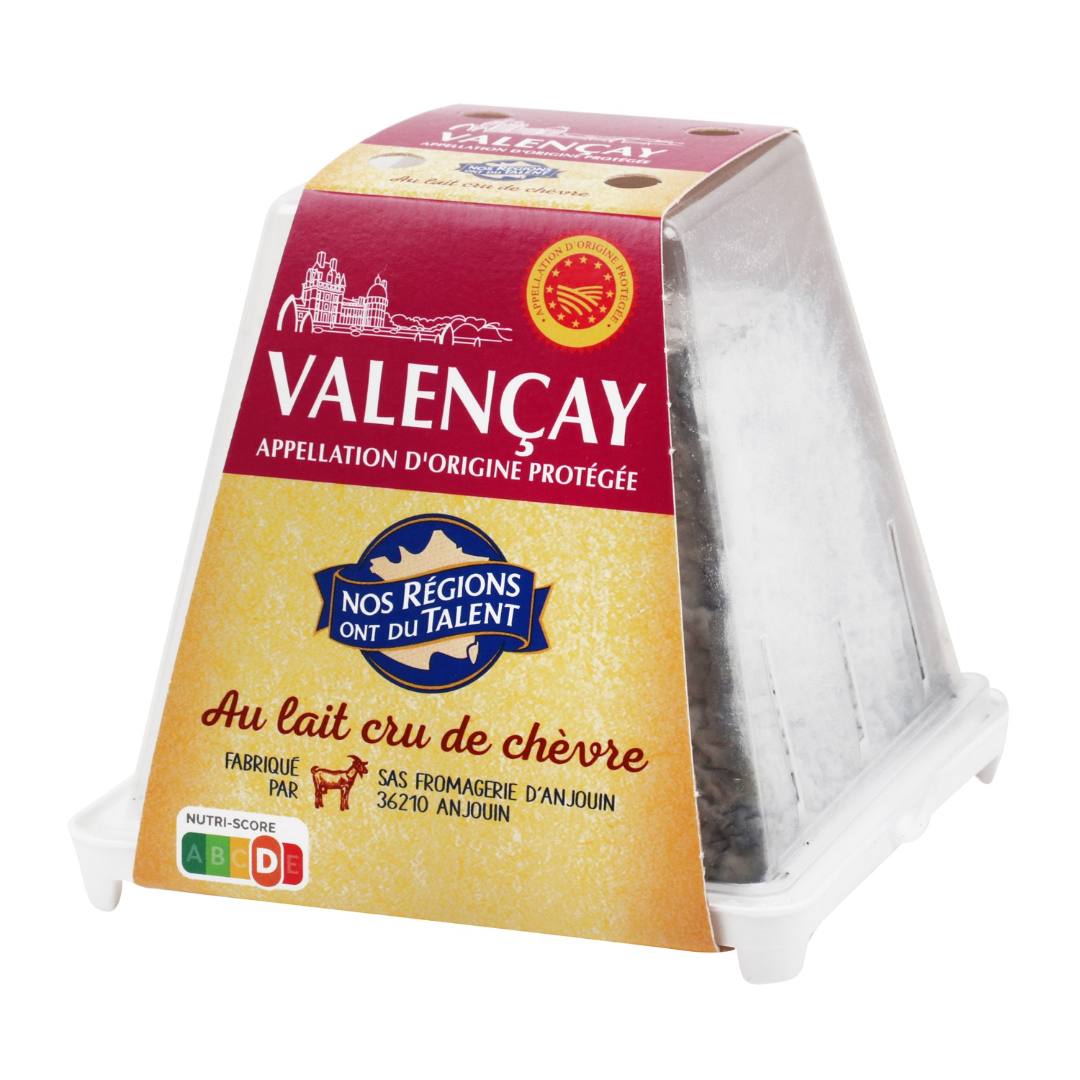
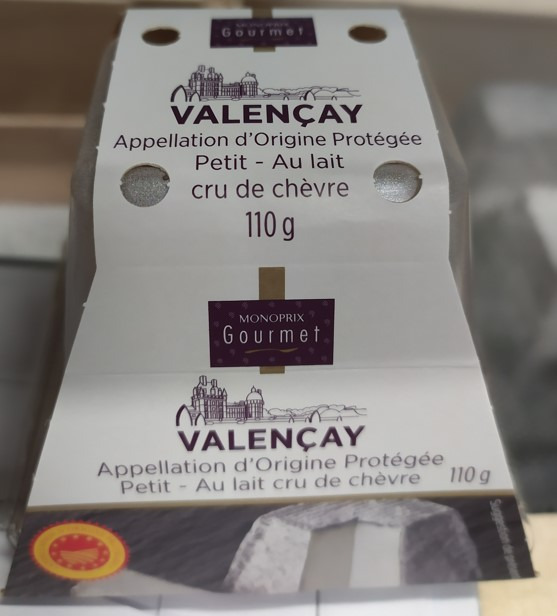
France-VALENCAY AOP-STEC E.coli O145:H28

Gov France

Product Category
Alimentation
Sous-catégorie de produit
Lait et produits laitiers
Product brand name
Monoprix
Noms des modèles ou références
PETIT VALENCAY AOP 110g
Product identification
GTIN Batch Date
0003350030187422 V229 Best before date 10/16/2024
0003350030187422 V229 Best before date 10/18/2024
Packaging
110g
Start/End of marketing date
From 02/09/2024 to 08/10/2024
Storage temperature
Produit à conserver au réfrigérateur
Health mark
FR 36.004.001 CE
Zone géographique de vente
Whole France
Distributors
MONOPRICE

France – VALENCAY AOP – Escherichia coli STEC O145:H28

Gov France

Product Category
Alimentation
Product subcategory
Milk and dairy products
Product brand name
Anjouin cheese factory
Model names or references
Valençay AOP 220g et petit Valençay AOP 110g
Product identification
GTIN Batch Date
00033011700785211 V229 Best before date 10/16/2024
0003301170008801 V229 Best before date 10/16/2024
0003184670010006 241 Date de durabilité minimale 27/09/2024
Packaging
Fresh packaged 220g Self-service 220g goat cheese platter
Start/End of marketing date
From 08/31/2024 to 10/08/2024
Storage temperature
Product to be kept in the refrigerator
Health mark
FR 36.004.001 CE
Geographic area of ​​sale
Whole France
Distributors
Auchan, Système U, Alexandre’s Farm, Costco

France – VALENCAY AOP – STEC E.coli – O145:H28

Gov France

Product Category
Food
Product subcategory
Milk and dairy products
Nom de la marque du produit
NOS REGIONS ONT DU TALENT
Model names or references
VALENCAY AOP
Product identification
GTIN Lot Date
3564709006031 V229 Date de durabilité minimale 16/10/2024
Conditionnements
220G
Date début/Fin de commercialisation
Du 02/09/2024 au 09/10/2024
Température de conservation
Product to be kept in the refrigerator
Health mark
FR 36.004.001 CE
Informations complémentaires
/
Geographic area of ​​sale
France entière
Distributors
E.LECLERC

Research – APHA reports role in E. coli and Cryptosporidium outbreaks

Food Safety News

The Animal and Plant Health Agency (APHA) has been involved in four E. coli outbreak investigations so far this year in the United Kingdom.

A Shiga toxin-producing E. coli (STEC) O145 outbreak was linked to unpasteurized milk cheese produced by Mrs. Kirkham’s in Lancashire. APHA contributed to the incident management team investigation, including an advisory visit and epidemiologically relevant sampling.

Patients fell ill between July and December 2023. In late July 2024, the UK Health Security Agency (UKHSA) notified the Food Standards Agency (FSA) of four cases between June and July, taking the number of sick people to 40, including two deaths. One death was part of the latest update. While there is a microbiological link between the latest patients and previous cases, investigations did not identify a food chain connection between them and Mrs. Kirkham’s products.

UK – Update on reporting of non-O157 STEC infections and an outbreak of Shiga toxin-producing E. coli (STEC) O145 in the UK, February 2024

Gov UK

In December 2023 the UK Health Security Agency (UKHSA) reported (1) unseasonably high levels of Shiga toxin-producing Escherichia coli other than serogroup O157 (non-O157 STEC) case notifications during October to December of that year. Since then, reporting has returned to levels comparable with previous years. Investigations into the drivers of that unseasonal increase in reports of non-O157 STEC continue, as well as into individual outbreaks of STEC that were reported in the December 2023 report.

The investigations into the concurrent foodborne STEC O145: H28 outbreak associated with unpasteurised cheese – being undertaken by UKHSA, the Local Authority (LA) Environmental Health Team, Public Health Scotland (PHS), Food Standards Agency (FSA), Food Standards Scotland (FSS) and the Animal Plant Health Agency (APHA) – are nearly completed.

In total 36 confirmed cases and 1 probable case have been reported across England (n=29) and Scotland (n=8) since late July 2023, with most cases falling ill in November 2023. The last reported primary case had a symptom onset date of 23 December 2023 (see figure below).

Based on epidemiological, food chain and microbiological investigations, the vehicle was identified as an unpasteurised cheese produced in North West England. The food business concerned carried out a product withdrawal and recall on 24 December 2023 (2) and updated on 27 December 2023 (3) which ensured all recalled products were removed from sale in a timely manner.

Subsequent work between the food business, the LA Environmental Health team and the FSA allowed refinement of the product withdrawal and recall notice to include only the batches likely associated with illness, which resulted in a further update of the product withdrawal and recall by the food business on 9 February 2024 (4).

The FSA and FSS both published updated Product Recall Information Notices (PRIN’s) on 24 (2) and 27 December (3), and again on 9 February (4), with supporting news stories to amplify messaging about each of the product recalls.

UKSHA – E. coli advice issued amid rise in cases.

Gov UK

As of 11 June, there have been a further 98 cases associated with this outbreak of STEC O145 in the UK, bringing the total number of confirmed cases to 211. All cases had sample dates before 31 May, but we expect this figure to rise as whole genome sequencing is ongoing to find any further cases which may be linked to the outbreak.

  • 147 in England
  • 27 in Wales
  • 35 in Scotland
  • 2 in Northern Ireland (for these cases, evidence suggests that they acquired their infection while visiting England)

Based on information from 160 cases to date, 42% were admitted to hospital.

UKHSA has worked closely with the Food Standards Agency (FSA), Food Standards Scotland and the devolved public health agencies to investigate the incident, carrying out epidemiological investigations and whole genome sequence analysis to help identify foods commonly consumed by the cases.

As a result of evidence gathered to date, product recall information notices have been published by FSA as a precaution.

Trish Mannes, Incident Director at UKHSA, said:

We would like to thank all the cases who have provided information that has enabled us, through epidemiological analysis of questionnaire data and food tracing investigations, to narrow down the likely food product linked to this outbreak.

Symptoms of infections with STEC include severe and sometimes bloody diarrhoea, stomach cramps, vomiting and fever. If you are unwell, have eaten salad leaves recently and are concerned about any symptoms, follow NHS.uk guidance on when to seek help and the steps you can take to avoid further spread to family and friends.

While diarrhoea and vomiting can have a range of causes, there are simple steps you can take to reduce your risk and risk of infecting others. Washing your hands with soap and warm water and using disinfectants to clean surfaces will help stop any further spread of infection. If you are unwell with diarrhoea and vomiting, you should not prepare food for others while unwell and avoid visiting people in hospitals or care homes to avoid passing on the infection in these settings. Do not return to work, school or nursery until 48 hours after your symptoms have stopped.

Darren Whitby, Head of Incidents at the FSA, said:

Sandwich manufacturers are taking a precautionary measure to recall various sandwiches, wraps, subs and rolls in response to findings from investigations by the Food Standards Agency (FSA), Food Standards Scotland (FSS) and UK Health Security Agency (UKHSA) who are working to identify the cause of an ongoing outbreak caused by shiga toxin-producing E.coli (STEC). The full list of products can be found in the product recall information notice (PRIN).

This is a complex investigation, and we have worked swiftly with the relevant businesses and the local authorities concerned to narrow down the wide range of foods consumed to a small number of salad leaf products that have been used in sandwiches, wraps, subs and rolls. Following thorough food chain analysis, these products are being recalled as a precaution.

Infections caused by STEC bacteria can cause severe bloody diarrhoea and, in some cases, more serious complications. We therefore advise any consumers who have any of these products not to eat them.

The FSA is here to ensure that food is safe. If there are products on the market that are not, we won’t hesitate to take action to remove them.

UK – More than 100 sick in UK E. coli outbreak

Food Safety News

Public health agencies across the United Kingdom are searching for the source of an E. coli outbreak that has sickened more than 100 people in less than two weeks.

There have been 113 confirmed cases in the Shiga toxin-producing E. coli (STEC) O145 outbreak since May 25.

The UK Health Security Agency (UKHSA), Public Health Scotland, and Public Health Wales are investigating the rise in infections.

There is no connection with the E. coli O145 outbreak reported earlier this year, which was linked to raw milk cheese produced by Mrs Kirkham’s that sickened people in England and Scotland.

UK – STEC E-coli advice issued amid rise in cases

Gov UK

The UK Health Security Agency (UKHSA), together with public health agencies in Scotland, Northern Ireland and Wales, are investigating an increase in the number of Shiga toxin-producing Escherichia coli (STEC) cases in the UK in recent weeks.

Infections caused by STEC bacteria can cause severe bloody diarrhoea and, in some cases, more serious complications. It is often transmitted by eating contaminated food but can also be spread by close contact with an infected person, as well as direct contact with an infected animal or its environment.

Whole genome sequencing of samples in the current investigation indicates that most cases are part of a single outbreak. Based on the wide geographic spread of cases, it is most likely that this outbreak is linked to a nationally distributed food item or multiple food items. The source of this outbreak is not yet confirmed but there is currently no evidence linking the outbreak to open farms, drinking water or swimming in contaminated seawater, lakes or rivers. The public health agencies are working with the Food Standards Agency (FSA) and Food Standards Scotland to investigate further.

As of 4 June, there have been 113 confirmed cases associated with this outbreak of STEC O145 in the UK, all reported since 25 May 2024:

  • 81 in England
  • 18 in Wales
  • 13 in Scotland
  • 1 in Northern Ireland (for this case, evidence suggests that they acquired their infection while visiting England)

Typically, we see around 1,500 cases of STEC over a full year. Numbers of confirmed cases associated with this outbreak are expected to rise as further samples undergo whole genome sequencing.

Cases range in age from 2 years old to 79 years old, with the majority of cases in young adults. Of the 81 cases identified to date in England, 61 have provided information to UKHSA related to food, travel and potential exposures and of these we know that 61% have been hospitalised.

While the source of this outbreak is currently unknown, there are steps you can take to reduce your risk of gastrointestinal infections, as well as limiting the spread to others:

  • regularly wash your hands with warm water and soap — alcohol gels do not kill all bugs that cause diarrhoeal illness
  • follow food hygiene measures such as washing fruit and vegetables and cooking food properly
  • if you have diarrhoea and vomiting, you should not prepare food for others and avoid visiting people in hospitals or care homes to avoid passing on the infection
  • you should not return to work, school or nursery until 48 hours after your symptoms have stopped

Trish Mannes, Incident Director at UKHSA, said:

Symptoms of infections with STEC include severe and sometimes bloody diarrhoea, stomach cramps, vomiting and fever. If you have diarrhoea and vomiting, you can take steps to avoid passing it on to family and friends. NHS.UK has information on what to do if you have symptoms and when to seek medical advice.

Washing your hands with soap and warm water and using disinfectants to clean surfaces will help stop infections from spreading. If you are unwell with diarrhoea and vomiting, you should not prepare food for others and avoid visiting people in hospitals or care homes to avoid passing on the infection in these settings. Do not return to work, school or nursery until 48 hours after your symptoms have stopped.

Darren Whitby, Head of Incidents and Resilience at the FSA, said:

The FSA is working with UKHSA and relevant Public Health bodies to identify the source of the illness, which is likely to be linked to one or more food items.

We always advise consumers and those looking after vulnerable people to ensure good hygiene practices are followed when handling and preparing food, regularly washing hands with soap and warm water and ensuring equipment, utensils and surfaces foods come into contact with are cleaned thoroughly to prevent cross contamination.

You should not prepare food for others if you have had symptoms, or for 48 hours after symptoms stop. You can find more information about good hygiene practises – 4c’s, and E. coli on our website.

Jim McMenamin, Head of Health Protection (infection Services), Public Health Scotland, said:

To help stop infections like E. coli from spreading, we advise regular hand washing using soap and water, particularly after using the toilet and before preparing food. People should also use disinfectants to clean surfaces that may be contaminated. Anyone experiencing severe and sometimes bloody diarrhoea, stomach cramps, vomiting and fever should call their GP or 111 to seek advice. Anyone with diarrhoea or vomiting should avoid attending places such as schools, workplaces or social gatherings until at least 48 hours after their symptoms have ceased.

Wendi Shepherd, Consultant in Health Protection for Public Health Wales, said:

Public Health Wales is working with partners in the UK and across the Welsh NHS to investigate this incident. There are currently 18 cases identified in Wales and healthcare providers have been advised of the increase in cases. We would advise anyone who has experienced bloody diarrhoea or severe stomach cramps to seek medical attention.

RASFF Alert – STEC E.coli 026 – 0145- Beef Tartare

 RASFF

Detection of Shigatoxin Escharichia coli (STEC) O26 and O145 in beef tartare from Poland in the UK and Netherlands

UK – Update on reporting of non-O157 STEC infections and an outbreak of Shiga toxin-producing E. coli (STEC) O145 in the UK, February 2024

Gov UK

In December 2023 the UK Health Security Agency (UKHSA) reported (1) unseasonably high levels of Shiga toxin-producing Escherichia coli other than serogroup O157 (non-O157 STEC) case notifications during October to December of that year. Since then, reporting has returned to levels comparable with previous years. Investigations into the drivers of that unseasonal increase in reports of non-O157 STEC continue, as well as into individual outbreaks of STEC that were reported in the December 2023 report.

The investigations into the concurrent foodborne STEC O145: H28 outbreak associated with unpasteurised cheese – being undertaken by UKHSA, the Local Authority (LA) Environmental Health Team, Public Health Scotland (PHS), Food Standards Agency (FSA), Food Standards Scotland (FSS) and the Animal Plant Health Agency (APHA) – are nearly completed.

In total 36 confirmed cases and 1 probable case have been reported across England (n=29) and Scotland (n=8) since late July 2023, with most cases falling ill in November 2023. The last reported primary case had a symptom onset date of 23 December 2023 (see figure below).

Based on epidemiological, food chain and microbiological investigations, the vehicle was identified as an unpasteurised cheese produced in North West England. The food business concerned carried out a product withdrawal and recall on 24 December 2023 (2) and updated on 27 December 2023 (3) which ensured all recalled products were removed from sale in a timely manner.

Subsequent work between the food business, the LA Environmental Health team and the FSA allowed refinement of the product withdrawal and recall notice to include only the batches likely associated with illness, which resulted in a further update of the product withdrawal and recall by the food business on 9 February 2024 (4).

The FSA and FSS both published updated Product Recall Information Notices (PRIN’s) on 24 (2) and 27 December (3), and again on 9 February (4), with supporting news stories to amplify messaging about each of the product recalls.