Category Archives: Decontamination Microbial

Estonia – Imported chicken linked to Campylobacter cases in Estonia

Science Direct

CDC Campy

Since 2005 campylobacteriosis has been the most commonly reported gastrointestinal infection in humans in the European Union with more than 200,000 cases annually. Also Campylobacter is one of the most frequent cause of food-borne outbreaks with 319 outbreaks reported to EFSA, involving 1,254 cases of disease and 125 hospitalizations in EU in 2019. Importantly poultry meat is one of the most common source for the sporadic Campylobacter infections and for strong-evidence campylobacteriosis food-borne outbreaks in EU.

 In present study, 429 fresh broiler chicken meat samples of Estonian, Latvian, and Lithuanian origin were collected from Estonian retail level and analyzed on a monthly basis between September 2018 and October 2019. Campylobacter spp. were isolated in 141 (32.9%) of 429 broiler chicken meat samples. Altogether 3 (1.8%), 49 (36.8%), and 89 (66.9%) of Estonian, Latvian, and Lithuanian origin broiler chicken meat samples were positive for Campylobacter spp. Among Campylobacter-positive samples, 62 (14.5%) contained Campylobacter spp. below 100 CFU/g and in 28 (6.5%) samples the count of Campylobacter spp. exceeded 1,000 CFU/g. A high prevalence of Campylobacter spp. in fresh broiler chicken meat of Lithuanian and Latvian origin in Estonian retail was observed. Additionally, 22 different multilocus sequence types were identified among 55 genotyped isolates of broiler chicken meat and human origin, of which 45 were Campylobacter jejuni (C. jejuni) and 10 were Campylobacter coli (C. coli). The most prevalent multilocus sequence types among C. jejuni was ST2229 and among C. coli ST832, ST872. C. jejuni genotypes found in both broiler chicken meat and human origin samples were ST122, ST464, ST7355, and ST9882, which indicates that imported fresh broiler chicken meat is likely the cause of human campylobacteriosis in Estonia.

Research – Insight into Bacillus cereus Associated with Infant Foods in Beijing

MDPI

This study was undertaken to investigate the prevalence, antimicrobial resistance, and virulence gene profiles of Bacillus cereus in different brands of infant formula in Beijing supermarkets. Eighty-eight Bacillus cereus isolates were recovered in sixty-eight infant formulas of five domestic brands and fourteen imported brands. The prevalence rate in domestic and imported samples were 70.6% and 52.9%, respectively. Lower mean prevalence level was found in domestic samples (1.17 MPN/g) compared with the imported samples (3.52 MPN/g). Twenty-four virulence gene profiles were found, and most strains carried at least one virulence gene. The prevalence of nheAnheBnheCcytKbceT, and entFM in domestic and imported brand samples was similar. The occurrence of enterotoxin genes hblAhblC, and hblD in domestic samples were 22.2%, 27.8%, and 22.2%, respectively, which was significantly higher than imported samples. Antimicrobial drugs-susceptibility analysis showed that all isolates were susceptible to gentamincin, amikacin, and ciprofloxacin; 38%, 7%, and 2.3% were resistant to rifampin, tetracycline, and chloramphenicol, respectively; and only one isolate was resistant to trimethoprim-sulfamethoxazole. Moreover, the cell numbers of Bacillus cereus in prepared infant formula increased rapidly at room temperature. Thus, monitoring guidelines are needed for accepted levels of Bacillus cereus in infant formula.

Research – Using lactic acid to control Salmonella in raw dog food

Pet Food Processing

Can encapsulated and raw acidulants help to control Salmonella in raw meat-based dog foods? Samuel Kiprotich, a Ph.D. student at Kansas State University (KSU), presented his research on this topic at the American Feed Industry Association’s (AFIA) Pet Food Conference on Jan. 25, held in conjunction with International Production & Processing Expo (IPPE) in Atlanta, Ga.

Kiprotich noted that current methods of achieving kill steps for raw diets, such as high pressure pasteurization and irradiation, can be costly. The purpose of his study is to find a more inexpensive way to control foodborne pathogens, looking specifically at organic acids such as citric acid and lactic acids.

When incorporated into a raw meat-based pet food formula, organic acids can “shock” the product, causing discoloration and syneresis, Kiprotich explained. Encapsulating the organic acid, or coating it with edible vegetable oil, would allow it to be released more slowly into the product, “giving us the antimicrobial protection that we want without damaging the product,” he said.

Kiprotich’s study was conducted in two parts over a 22-day storage period: one to determine the efficacy of encapsulated and dry-plated lactic acids in controlling growth and survival of Salmonella enterica in a raw pet food, and another to monitor pH progression to measure acidity.

The experiment included two types of lactic acids — encapsulated and dry-plated — and three treatment levels for each acidulent: 1%, 2% and 3%. Two control diets formulated without acidulants were used, in which the positive control was inoculated with Salmonella, and the negative control was not inoculated.

Research – Antimicrobial Activity of Ohelo Berry (Vaccinium calycinum) Juice against Listeria monocytogenes and Its Potential for Milk Preservation

MDPI

Listeria monocytogenes is a foodborne pathogen and causes illnesses with a high mortality rate in susceptible populations. Several dairy-related outbreaks have been attributed to contamination by L. monocytogenes, which requires antimicrobial interventions to enhance the safety of these products. This study aimed to determine the antimicrobial activity of the ohelo berry (Vaccinium calycinum), a Hawaiian wild relative of cranberry, against L. monocytogenes in culture media and milk products. The effect of ohelo berry juice at its sub-inhibitory concentrations on the physicochemical properties, biofilm formation, and gene expression of L. monocytogenes was also investigated. The minimum inhibitory concentration of ohelo berry juice against L. monocytogenes was 12.5%. The sub-inhibitory concentration of ohelo berry juice (6.25%) significantly increased the auto-aggregation and decreased the hydrophobicity, swimming motility, swarming motility, and biofilm formation capability of L. monocytogenes. The relative expression of genes for motility (flaA), biofilm formation and disinfectant resistance (sigB), invasion (iap), listeriolysin (hly), and phospholipase (plcA) was significantly downregulated in L. monocytogenes treated by the 6.25% juice. L. monocytogenes was significantly inhibited in whole and skim milk supplemented with 50% ohelo berry juice, regardless of the fat content. These findings highlight the potential of ohelo berry as a natural preservative and functional food to prevent L. monocytogenes infection.

Research – Dietary Inclusion of a Saccharomyces cerevisiae-Derived Postbiotic Is Associated with Lower Salmonella enterica Burden in Broiler Chickens on a Commercial Farm in Honduras

MDPI

Postbiotic feed additives may aid foodborne pathogen reduction during poultry rearing. The study objective was to evaluate a postbiotic additive in parallel to an industry control diet and the subsequent associated burden of Salmonella enterica on a single, commercial broiler farm in Honduras. Twelve houses were matched and assigned the standard diet (CON) or standard diet plus postbiotic (SCFP). New litter was placed in each house and retained across flock cycles with sampling prior to each chick placement and three consecutive rearing cycles. At ~33–34 days, 25 ceca were collected on-farm from each house, treatment, and cycle. Salmonella prevalence in litter for CON (30.6%) and SCFP (27.8%) were equivalent; however, Salmonella load within positive samples was lower (p = 0.04) for SCFP (3.81 log10 MPN/swab) compared to CON (5.53 log10 MPN/swab). Cecal prevalence of Salmonella was lower (p = 0.0006) in broilers fed SCFP (3.4%) compared to CON (12.2%). Salmonella load within positive ceca were numerically reduced (p = 0.121) by 1.45 log10 MPN/g for SCFP (2.41 log10 MPN/g) over CON (3.86 log10 MPN/g). Estimated burden was lower (p = 0.003) for SCFP flocks (3.80 log10 MPN) compared to CON (7.31 log10 MPN). These data demonstrate the preharvest intervention potential of postbiotics to reduce Salmonella enterica in broiler chickens. View Full-Text

USA – Updated Campylobacter Method

USDA

USDA Food Safety and Inspection Service Microbiology Laboratory Guidebook Update

Microbiology Laboratory Guidebook for USDA Food Safety and Inspection Service. This method has recently been updated:

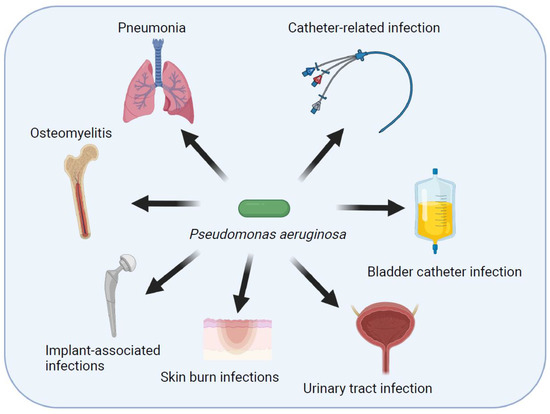
Research – Pathogenesis of the Pseudomonas aeruginosa Biofilm: A Review

MDPI

Pseudomonas aeruginosa is associated with several human infections, mainly related to healthcare services. In the hospital, it is associated with resistance to several antibiotics, which poses a great challenge to therapy. However, one of the biggest challenges in treating P. aeruginosa infections is that related to biofilms. The complex structure of the P. aeruginosa biofilm contributes an additional factor to the pathogenicity of this microorganism, leading to therapeutic failure, in addition to escape from the immune system, and generating chronic infections that are difficult to eradicate. In this review, we address several molecular aspects of the pathogenicity of P. aeruginosa biofilms. View Full-Text

Research – Legionellosis: A novel mechanism by which the bacterium Legionella pneumophila regulates the immune response of its host cells

Science Daily

Legionellosis or Legionnaires’ disease affected more than 1 800 people in France in 2019 and caused 160 deaths. This emerging disease is caused by Legionella pneumophila, an environmental bacterium that thrives in hot water systems. Researchers have discovered a mechanism that allows Legionella pneumophila to target the immune response of the cells it infects by secreting a small regulatory RNA. This mechanism, not described before, facilitates the survival and proliferation of Legionella pneumophila during infection. The work provides precious information on the strategies used by bacteria to manipulate their host cells.

Research – Shiga Toxin-Producing Escherichia coli and Milk Fat Globules

MDPI

Shiga toxin-producing Escherichia coli (STEC) are zoonotic Gram-negative bacteria. While raw milk cheese consumption is healthful, contamination with pathogens such as STEC can occur due to poor hygiene practices at the farm level. STEC infections cause mild to serious symptoms in humans. The raw milk cheese-making process concentrates certain milk macromolecules such as proteins and milk fat globules (MFGs), allowing the intrinsic beneficial and pathogenic microflora to continue to thrive. MFGs are surrounded by a biological membrane, the milk fat globule membrane (MFGM), which has a globally positive health effect, including inhibition of pathogen adhesion. In this review, we provide an update on the adhesion between STEC and raw MFGs and highlight the consequences of this interaction in terms of food safety, pathogen detection, and therapeutic development. View Full-Text

Research – Report finds food testing policies different between countries

Food Safety News

There are various approaches to food sampling in four nations, including the United States, as shown in a report published by the Food Standards Agency (FSA).

Campden BRI reviewed food control systems in Australia, Canada, New Zealand, and the United States.

The study looked at how authorities perform sampling and analysis of food and feed, systems for gathering intelligence, and other information which informs the sampling and testing program.

Findings suggest there is no one-size-fits-all approach as differences in planning and conducting various sampling activities were observed between the four countries.

Differing approaches
The FSA documents list three types of sampling: for official controls; hypotheses or surveillance sampling; and intelligence sampling. But the terminology used in other countries often varied.

Authorities in Canada, New Zealand, and the United States play both regulation setting and enforcement roles. However, Food Standards Australia New Zealand (FSANZ) sets standards and coordinates responses to food safety incidents but does not have enforcement powers.

Sharing the responsibilities between multiple agencies, which happens in the United States and Australia, may lead to differences in the extent of regulatory oversight in different parts of the country or between foods, sometimes even with similar risks, found the study.

Oversight of the entire food chain in Canada and New Zealand is mainly done by a single regulatory agency, which can facilitate the planning of sampling.

Because of resource constraints and the extensive range of products it oversees, the U.S. Food and Drug Administration tends to apply a risk-based prioritization approach when planning sampling and other activities. The FDA has three types of sampling: product sampling, environmental sampling, and emergency response/emerging issues sampling.

Because products under the U.S. Department of Agriculture’s Food Safety Inspection Service (FSIS) jurisdiction are relatively riskier, FSIS-regulated establishments are subject to a more comprehensive oversight, according to the study.