Category Archives: Decontamination Microbial

UK – Morrisons recalls Morrisons Crushed Garlic because an ingredient has been omitted that prevents microbiological growth

FSA

Morrisons is recalling Morrisons Crushed Garlic because an ingredient has been omitted from the product that prevents microbiological growth and therefore presents a potential risk to consumers.

Product details

Morrisons Crushed Garlic
Pack size 75g
Best before 19 October 2025

Risk statement

An ingredient has been omitted from the product that prevents microbiological growth making the product potentially unsafe to eat.

Action taken by the company

Morrisons is recalling the above product. Point of sale notices will be displayed in stores where the product was sold. These notices explain to customers why the product is being recalled and tell them what to do if they have bought the product. Please see the attached recall notice.

Our advice to consumers

If you have bought the above product do not eat it. Instead return it to the store from where it was bought for a full refund.

Research – EPA Approves First Antimicrobial Treatment of Foodborne Pathogens in Preharvest Agricultural Water

Food Safety.com

The first-ever registration of an antimicrobial treatment for foodborne pathogens in preharvest agricultural water has been approved by the U.S. Environmental Protection Agency (EPA), setting a new precedent for preharvest agricultural water treatments specifically intended to reduce the presence of pathogens that affect food safety.

The successful registration of SANIDATE 12.0 is the result of a collaborative effort between EPA and the U.S. Food and Drug Administration (FDA) to develop and refine an efficacy protocol to support such registrations. Using the revised efficacy protocol, the University of Arizona and industry members worked together to register SANIDATE 12.0 for use against foodborne pathogens like Escherichia coli and Salmonella in preharvest agricultural water, and to provide feedback on the protocol that informed updates regarding testing parameters and to clarify the protocol for future users.

RASFF Alert – Microbiological Contamination – Water

RASFF

Microbiological contamination in water for babies from Germany in Hungary and the Czech Republic

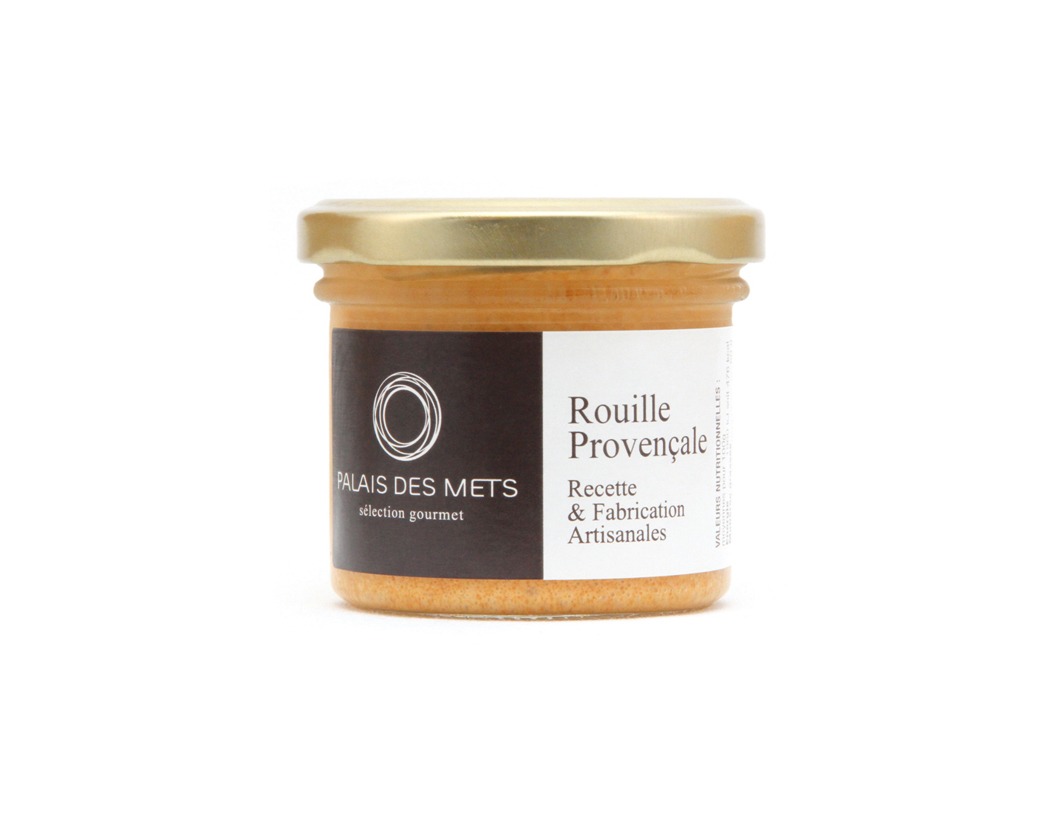
France – Provencal rouille 90g – Food Safety

Gov France

Product Category
Food
Product subcategory
Soups, sauces and condiments
Product brand name
Palace of Food
Model names or references
Rust
Product identification
GTIN Batch Date
3760089330371 003 Minimum durability date 03/01/2026
3760089330371 052 Minimum durability date 02/21/2026
3760089330371 170 Minimum durability date 06/19/2026
3760089330371 215 Minimum durability date 03/08/2026
3760089330371 263 Minimum durability date 09/20/2026
Packaging
Glass jar
Start/End of marketing date
From 01/11/2023 to 01/30/2023
Storage temperature
Product to be stored at room temperature
Health mark
FR11255005CE
Geographic area of ​​sale
Whole France
Distributors
Large distribution. Among our clients, there is a client outside France. This is the CORA in BERTRANGE (Luxembourg). He has since become LECLERC BERTRANGE.

USA – Youngstown Grape Distributors Inc. Recalls Happy Moose Juice Tropical Roots and Happy Moose Strawberry Fields Because of Possible Health Risk – HPP Failed

FDA

Company Announcement

Youngstown Grape Distributors Inc., a co-manufacturer for Happy Moose Juice, is voluntarily recalling Happy Moose Tropical Roots Juice (Lot# H240903-E BEST BY 12/02/2024) and Happy Moose Strawberry Fields (Lot# H240903-H, BEST BY 12/02/2024) because a portion of the production made did not complete the High Pressure Processing (HPP) treatment, which is used to prolong the product shelf-life, prevent spoilage, and significantly reduce the risk of pathogens such as SalmonellaListeria monocytogenes and diarrheagenic E. coli. Those organisms could lead to serious illness if consumed. Please refer to https://www.fda.gov/food/outbreaks-foodborne-illness/foodborne-pathogens for symptoms descriptions on the pertinent microorganisms.

It is important to note that there have been no reports of illness associated with these products to date. No other production codes or products are affected.

The products affected are indicated below:

Brand

Flavor

UPC (label)

Enjoy by Date / Bet by Date

Quantity produced

Happy Moose Tropical Roots 12 fl.oz 860012096503 12/02/2024 1,701 bottles
Happy Moose Strawberry Fields 12 fl.oz. 866175000388 12/02/2024 1,017 bottles

The products affected were sold in a 12 fl . oz. RPET plastic bottle shipped in 9ct. corrugated boxes to distributors. The “Enjoy by 12/02/2024” date is located on the bottom part of the bottle, below the label.

This recall has been initiated after complaints of spoiled juices were received.

Consumers who have purchased Happy Moose Juice Tropical Roots 12 fl oz, “Enjoy by: 12/02/2024” or Happy Moose Juice Strawberry Fields 12 fl oz, “Enjoy by: 12/02/2024” are urged to return them to the place of purchase for a full refund.

Consumers with questions may contact the company at 559-797-0252 between 8am and 4:30 pm PST.


Company Contact Information

Consumers:
 559-797-0252

Product Photos

USA – FDA issues warnings to water company over mold contamination and infant formula producer lacking Cronobacter testing

Food Safety News

The Food and Drug Administration sends warning letters to entities under its jurisdiction as part of its enforcement activities. Some letters are not posted for public view until weeks or months after they are sent. Business owners have 15 days to respond to FDA warning letters. Warning letters often are not issued until a company has been given months to years to correct problems.


The U.S. Food and Drug Administration (FDA) recently issued warning letters to Waiakea Bottling Inc. and Graceleigh, Inc., doing business as Sammy’s Milk, for serious violations of food safety regulations. The violations pose potential risks to public health, emphasizing the need for compliance with FDA regulations.

Compressed Air Monitoring Webinar

IFSQN

Erin Zimmerman, the Technical Service Manager at Trace Analytics, will outline the most common sources of contaminants like particles, water, total oil, and microorganisms in compressed air systems. Learn more about the types of materials in systems that promote clean, dry air, and how to test for dangerous contamination that may impact end products.

Download the Presentation Slides and Certificate of Attendance in the files library:
Slides

Korea – E. coli Contamination Prompts Food Court Closure at Osan Air Base

Food Poisoning News

A routine inspection at Osan Air Base in South Korea has led to the closure of the base exchange food court after potential E. coli contamination was detected in a facility water line, according to Stars and Stripes. The base’s bioenvironmental engineering team conducted the test on Tuesday, with results confirming the presence of E. coli on Wednesday.

In response to the contamination, consumers were advised to boil or avoid using the water from building 965 for drinking, showering, bathing, and washing clothes. At present, it’s believed that no other buildings on the base are affected by the contamination.

Research – Long chain unsaturated fatty acids alter growth and reduce biofilm formation of Cronobacter sakazakii

Wiley Online

Cronobacter sakazakii is a foodborne pathogen predominately transmitted through contaminated dried foods and affects populations including neonates, infants, and the elderly. Following several recent outbreaks, it is now a notifiable infection in those under 12 months of age. Current control methods include strict manufacturing guidelines, with monitoring of this genus a legal requirement in powdered infant formula production. Fatty acids have long been known as antimicrobials, with long-chain fatty acids increasingly identified as agents that target virulence factors. This study gives insight into the changes promoted by three long-chain unsaturated fatty acids (oleic, linoleic, and α-linolenic) on C. sakazakii growth, morphology, and biofilm formation. Each fatty acid was individually introduced to C. sakazakii 29544 both as a sole carbon source and as an addition to complex media. Following comparison to the untreated control, bacterial cells treated with these fatty acids showed a significant and media-dependent impact on growth and biofilm inhibition. With further characterization, long-chain fatty acids, including α-linolenic acid, could be utilized as a control method with minimal safety constraints regarding their use in the food production environment.

Research – Microbiological Risks of Traditional Raw Cow’s Milk Cheese (Koryciński Cheeses)

MDPI

Abstract

Traditional and regional foods have been increasing in popularity among consumers in Poland for many years. The observed trend of searching for natural and authentic taste encourages many producers to craft products from raw milk, including Koryciński cheeses. The aim of this study was to assess the microbiological hazards resulting from the presence of pathogenic bacteria in Koryciński cheeses available in retail trade. The tests were carried out using accredited methods, including the detection of the presence of Salmonella spp., the enumeration of Listeria monocytogenes, the enumeration of coagulase-positive staphylococci, and the detection of staphylococcal enterotoxins in food when the number of coagulase-positive staphylococci in the sample exceeded the limit of 105 cfu/g. The research material consisted of 45 Koryciński cheeses. The tests conducted revealed that Salmonella spp. was not detected in any of the examined cheeses. However, coagulase-positive staphylococci were present in 68.9% of the samples. In as many as 15 tested cheeses, the level of S. aureus contamination was above 105 cfu/g; therefore, these samples were tested for the presence of staphylococcal enterotoxins. The presence of staphylococcal enterotoxins was found in one Koryciński cheese. In four cheeses, the number of L. monocytogenes exceeded the level of 102 cfu/g, the limit specified in Regulation 2073/2005 on microbiological criteria for foodstuffs. The obtained research results confirm the validity of monitoring the microbiological quality of Koryciński cheeses and the need to increase awareness of ensuring proper hygienic conditions of production, including the increased risk associated with unpasteurized milk products.