Category Archives: Clostridium botulinum

Denmark -Catfish eggs are probably the cause of outbreaks of botulism

SSI

kswfoodworld

Studies of a number of foods have led to toxins from the botulism bacterium being found in catfish eggs. That batch of roe has been recalled.

In the past week, the Statens Serum Institut (SSI) has described an outbreak of botulism. It occurred after six people had eaten together at a private party in early March. SSI has now examined a number of leftovers from the food that the Danish Veterinary and Food Administration had collected in the home where the company was held. In an almost emptied glass with rockfish roe, SSI’s laboratory tests were able to detect toxin (toxin). However, did not find toxin in any of the other foods. Nor in two other glasses with catfish roe.

At the same time, studies show that three out of the five people who developed symptoms after joining the company had botulism. The two patients for whom it could not be confirmed simply had quite mild symptoms of botulism.

Denmark – Risk of bacterial toxin in red beetle roe – Clostridium botulinum

DVFA

Agustson A / S – Nora recalls a batch of NORA SEAFOOD Red beet roe 60g with best-before date 23/10/2021. There is a risk that some glasses from the batch contain toxins from the bacterium Clostridium botulinum, which can cause the disease botulism.

Recalled Foods , Published: March 19, 2021

And

What food:
NORA SEAFOOD Red beetle roe (see picture here )
Net weight: 60 grams
Production date: 23/04/2020
Best before date: 23/10/2021
EAN barcode no .: 5709505840030
Lot number: L0114
Sold in:
Net stores throughout the country
Company recalling:
Agustson A / S – Nora, Lundahl Nielsens Vej 2, 7100 Vejle
Cause:
The Statens Serum Institut has detected the presence of toxin from the bacterium Clostridium botulinum (called botulinum toxin) in an opened glass with beetroot roe from the above batch. The Danish Veterinary and Food Administration has therefore justified suspicion that the source of an outbreak of a disease at a private company is due to beetroot roe from the above party. Botulinum toxin is not suspected in other batches from the same supplier.
Risk:
If botulinum toxin is present in the catfish roe, you can get sick with the serious disease botulism (“sausage poisoning”).
The symptoms of the disease botulism usually start from a few hours up to 36 hours after eating food with the toxin in. The symptoms can include. be nausea, vomiting and possibly diarrhea, then visual disturbances and muscle paralysis.
Read more about botulism and food here .
Advice for consumers:
Consumers who have purchased beetroot roe from the above lot should discard them or deliver them back to the store where they were purchased.
See also related news on the Statens Serum Institut’s website here .

Denmark – Three cases of botulism have now been confirmed

SSI

The Statens Serum Institut informed on Friday about an outbreak of disease with suspicion of botulism. Studies have now confirmed that three people were affected by botulism.

Last week, the Statens Serum Institut (SSI) received samples from patients who were being treated for botulism poisoning. Six people had eaten together and three had subsequently developed symptoms.

Now, SSI’s tests have shown that the three were suffering from botulism. Two more people from the company have meanwhile developed mild symptoms and samples from them are now being examined as well. There are still no reports of illness outside the company in question of six people.

The Danish Veterinary and Food Administration has obtained ingredients from and leftovers of the food that has been eaten at the gathering in question. These samples are now also being examined for botulism at SSI’s laboratory.

Denmark – Three suspected cases of botulism in Denmark

SSI

kswfoodworld

An outbreak of disease with suspected botulism has occurred among the participants in a private company in the region of Southern Denmark. The Danish Veterinary and Food Administration, Fødevareinstituttet DTU and Statens Serum Institut are working to identify the source of the infection, which is presumed to be limited to a single company.

Following a private party held on Friday, March 5, 2021, three adults have been hospitalized on suspicion of having botulism.

They are being treated with botulism antitoxin and are improving. The Statens Serum Institut (SSI) is now examining samples from the patients to find out if there was actually botulism.

SSI is also in the process of analyzing the ingredients and leftovers of the food that has been eaten by that company. No other patients with botulism are known outside the company that has been affected.

Uzbekistan: Botulism outbreak reported in Samarkand region, Linked to canned tomatoes

Outbreak News Today

kswfoodworld

On February 7, five people with signs of food poisoning were admitted to the infectious diseases department of the Bulungur District Medical Association in Samarkand region in southeastern Uzbekistan.

They were later diagnosed with botulism at the hospital. Despite the efforts of the doctors, one of the admitted, a 20-year-old man, died. Four more are in intensive care.

According to preliminary data, all five the day before, during lunch at the house of one of the victims, they ate canned tomatoes prepared at home.

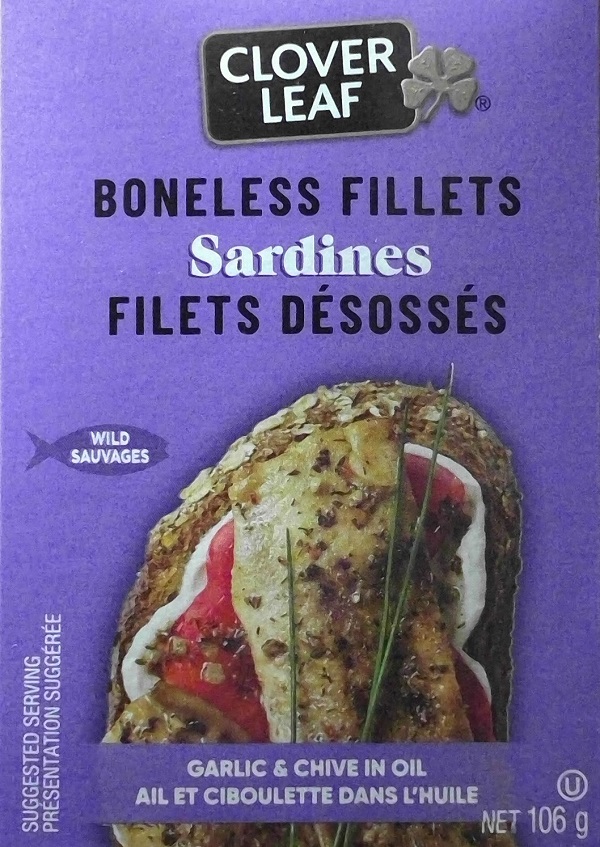
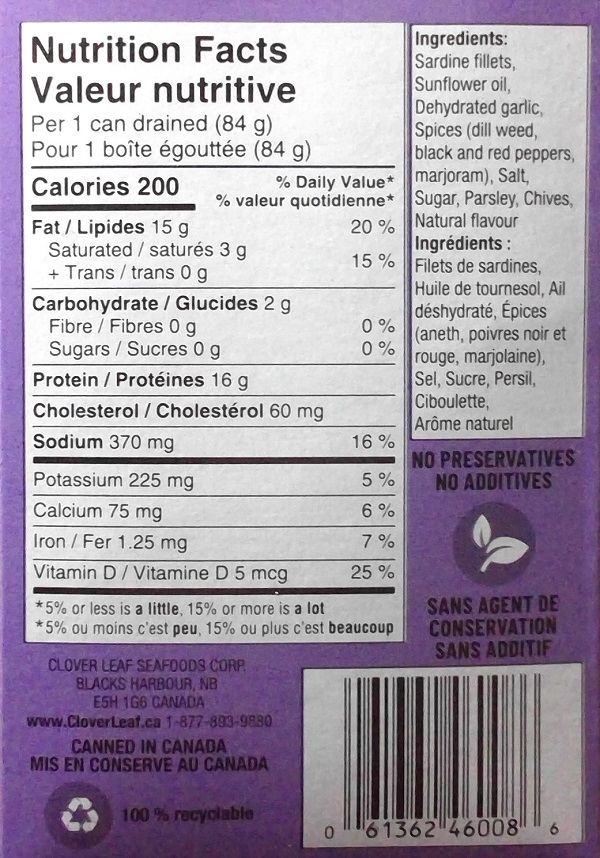
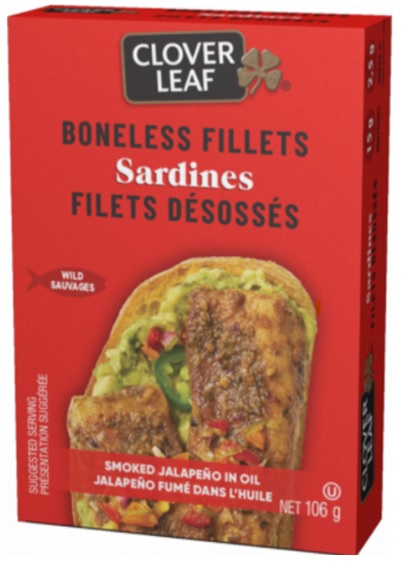
Canada – Food Recall Warning – Clover Leaf brand Sardines Boneless Fillets – Garlic & Chive in Oil and Sardines Boneless Fillets – Smoked Jalapeño in Oil recalled due to potential presence of dangerous bacteria – Clostridium botulinum

CFIA

Recall details

Ottawa, January 22, 2021 – Clover Leaf Seafoods Corp. is recalling Clover Leaf brand Sardines Boneless Fillets – Garlic & Chive in Oil and Sardines Boneless Fillets – Smoked Jalapeño in Oil from the marketplace because they may permit the growth of Clostridium botulinum. Consumers should not consume the recalled products described below.

Recalled product

Brand Product Size UPC Codes
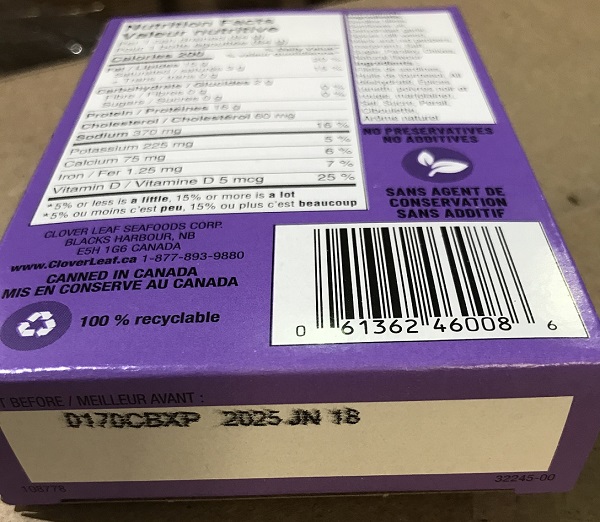
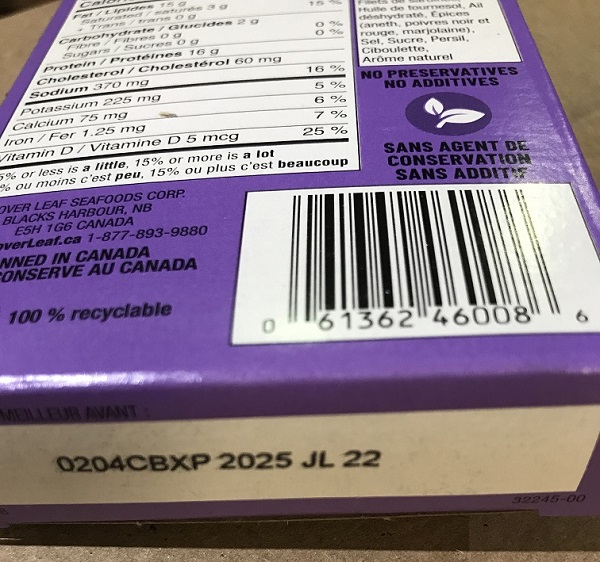
Clover Leaf Sardines Boneless Fillets – Garlic & Chive in Oil 106 g 0 61362 46008 6

0170CBXP 2025 JN 18

0204CBXP 2025 JL 22

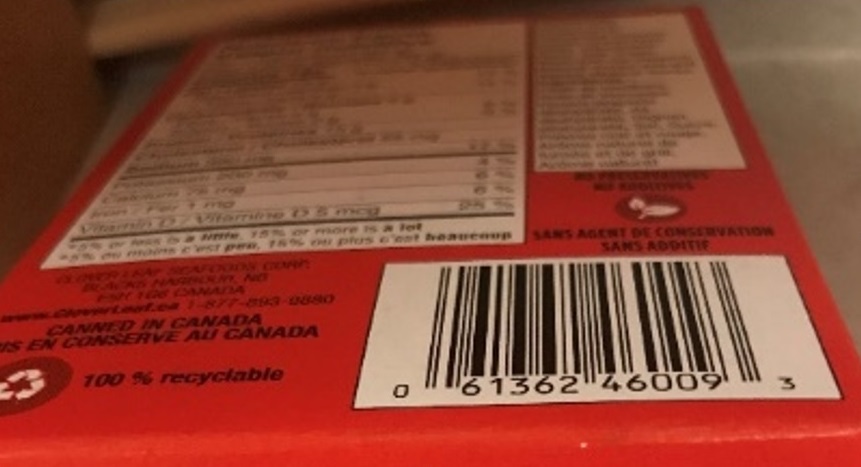
Clover Leaf Sardines Boneless Fillets – Smoked Jalapeño in Oil 106 g 0 61362 46009 3

0171CBXP 2025 JN 19

0218CBXP 2025 AU 05

0307CBXS 2025 NO 02

What you should do

If you think you became sick from consuming a recalled product, call your doctor.

Check to see if you have the recalled products in your home. Recalled products should be thrown out or returned to the store where they were purchased.

Food contaminated with Clostridium botulinum toxin may not look or smell spoiled but can still make you sick.

Symptoms in adults can include facial paralysis or loss of facial expression, unreactive or fixed pupils, difficulty swallowing, drooping eyelids, blurred or double vision, difficulty speaking, including slurred speech, and a change in sound of voice, including hoarseness.

Symptoms of foodborne botulism in children can include difficulty swallowing, slurred speech, generalized weakness and paralysis. In all cases, botulism does not cause a fever. In severe cases of illness, people may die.

Background

This recall was triggered by the company. The Canadian Food Inspection Agency (CFIA) is conducting a food safety investigation, which may lead to the recall of other products. If other high-risk products are recalled, the CFIA will notify the public through updated Food Recall Warnings.

The CFIA is verifying that industry is removing the recalled products from the marketplace.

Illnesses

There have been no reported illnesses associated with the consumption of these products.

Product photos

Printer ready version of photos

  • Clover Leaf – Sardines Boneless Fillets – Garlic & Chive in Oil – 106 grams (front)
  • Clover Leaf – Sardines Boneless Fillets – Garlic & Chive in Oil – 106 grams (back)
  • Clover Leaf – Sardines Boneless Fillets – Garlic & Chive in Oil – 106 grams (lot code - JN)
  • Clover Leaf – Sardines Boneless Fillets – Garlic & Chive in Oil – 106 grams (lot code - JL)
  • Clover Leaf – Sardines Boneless Fillets – Smoked Jalapeño in Oil – 106 grams(front)
  • Clover Leaf – Sardines Boneless Fillets – Smoked Jalapeño in Oil – 106 grams(back)

Public enquiries and media

Company information
Clover Leaf Seafoods Corp.: Consumer Affairs Recall Line, 1-888-686-1535
Public enquiries
Toll-free: 1-800-442-2342 (Canada and U.S.)
Telephone: 1-613-773-2342 (local or international)
Email: cfia.enquiries-demandederenseignements.acia@canada.ca
Media relations
Telephone: 613-773-6600
Email: cfia.media.acia@canada.ca

Research – Botulism breakthrough? Taming botulinum toxin to deliver therapeutics

Boston Childrens Hospital

kswfoodworld

CDC Image

While rare, botulism can cause paralysis and is potentially fatal. It is caused by nerve-damaging toxins produced by Clostridium botulinum — the most potent toxins known. These toxins often lurk in contaminated food (home canning being a major culprit). Infants can also develop botulism from ingesting C. botulinum spores in honey, soil, or dust; the bacterium then colonizes their intestines and produces the toxin.

Once paralysis develops, there is no way to reverse it, other than waiting for the toxins to wear off. People with serious cases may need to go on ventilators for weeks or months. But a new botulism treatment and delivery vehicle, described today in Science Translational Medicine, could change that.

“Currently, there are anti-toxins, but these only work before the toxins enter the motor neurons,” says Min Dong, PhD, a researcher in the Boston Children’s Hospital Department of Urology and corresponding author on the paper. “What we have developed is the first therapy that can eliminate toxins after they get inside neurons.”

If proven in humans, the approach would represent a breakthrough in treating botulism. In mice, the treatment successfully got inside neurons and reversed muscle paralysis within hours. It also enabled mice to withstand doses of botulinum toxin that would otherwise be lethal.

Research – Botulism breakthrough? Taming botulinum toxin to deliver therapeutics

Science Daily

kswfoodworld

While rare, botulism can cause paralysis and is potentially fatal. It is caused by nerve-damaging toxins produced by Clostridium botulinum — the most potent toxins known. These toxins are often found in contaminated food (home canning being a major culprit). Infants can also develop botulism from ingesting C. botulinum spores in honey, soil, or dust; the bacterium then colonizes their intestines and produces the toxin.

Once paralysis develops, there is no way to reverse it, other than waiting for the toxins to wear off. People with serious cases of botulism may need to be maintained on ventilators for weeks or months. But a new treatment approach and delivery vehicle, described today in Science Translational Medicine, could change that.

“There are anti-toxins, but these only work before the toxins enter the motor neurons,” says Min Dong, PhD, a researcher in Boston Children’s Hospital’s Department of Urology and corresponding author on the paper. “What we have developed is the first therapy that can eliminate toxins after they get inside neurons.”

Canada – Food Recall Warning – Belle Grove brand Whole White Mushrooms recalled due to potential presence of dangerous bacteria – Clostridia botulinum

CFIA

Recall details

Ottawa, January 9, 2021 – Monaghan Mushrooms Ltd. is recalling Belle Grove brand Whole White Mushrooms from the marketplace because they may permit the growth of Clostridium botulinum. Consumers should not consume the recalled product described below.

Recalled product

Brand Product Size UPC Codes
Belle Grove Whole White Mushrooms 227 g 8 87462 00000 3 Best Before 15 Jan

What you should do

If you think you became sick from consuming a recalled product, call your doctor.

Check to see if you have the recalled product in your home. Recalled products should be thrown out or returned to the store where they were purchased.

Food contaminated with Clostridium botulinum toxin may not look or smell spoiled but can still make you sick.

Symptoms in adults can include facial paralysis or loss of facial expression, unreactive or fixed pupils, difficulty swallowing, drooping eyelids, blurred or double vision, difficulty speaking, including slurred speech, and a change in sound of voice, including hoarseness.

Symptoms of foodborne botulism in children can include difficulty swallowing, slurred speech, generalized weakness and paralysis. In all cases, botulism does not cause a fever. In severe cases of illness, people may die.

Background

This recall was triggered by the company. The Canadian Food Inspection Agency (CFIA) is conducting a food safety investigation, which may lead to the recall of other products. If other high-risk products are recalled, the CFIA will notify the public through updated Food Recall Warnings.

The CFIA is verifying that industry is removing the recalled product from the marketplace.

Illnesses

There have been no reported illnesses associated with the consumption of this product.

Product photos

Printer ready version of photos

  • Belle Grove - Whole White Mushrooms

Public enquiries and media

Public enquiries
Toll-free: 1-800-442-2342 (Canada and U.S.)
Telephone: 1-613-773-2342 (local or international)
Email: cfia.enquiries-demandederenseignements.acia@canada.ca
Media relations
Telephone: 613-773-6600
Email: cfia.media.acia@canada.ca

Research – Botulism outbreak after the consumption of vegetarian pâté in the south of Viet Nam

Welcome Open Research

kswfoodworld

Botulism is a potentially life-threatening disease caused by toxins produced by Clostridium botulinum. Here we reported a case series of six patients who presented with botulism following ingestion of commercially made pâté. The key features of presentation were acute onset of bilateral cranial nerve palsies and symmetrical descending weakness in the absence of fever resulting in the need for mechanical ventilation in all six patients. The clinical diagnosis of botulism was confirmed through the identification of C. botulinum from the suspected food source.  Given that botulinum antitoxin was not available in Vietnam at the time, and their severe status, all patients received a trial of plasma exchange therapy, but no clear benefit was seen.
Due to its rarity, diagnosing botulism is a challenge, demanding high clinical suspicion. Successful outcomes depend upon early recognition and rapid initiation of specific treatment with botulinum antitoxin. There is a need to improve global access to antitoxin.  These cases, the first in Viet Nam, serve as a reminder of the need to maintain the highest possible food hygiene and preservation practices.