Category Archives: Boil Water Notice

USA – Cryptosporidiosis Outbreaks — United States, 2009–2017

CDC

What is already known about this topic?

Cryptosporidium is the leading cause of outbreaks of diarrhea linked to water and the third leading cause of diarrhea associated with animal contact in the United States.

What is added by this report?

During 2009–2017, 444 cryptosporidiosis outbreaks, resulting in 7,465 cases were reported by 40 states and Puerto Rico. The number of reported outbreaks has increased an average of approximately 13% per year. Leading causes include swallowing contaminated water in pools or water playgrounds, contact with infected cattle, and contact with infected persons in child care settings.

What are the implications for public health practice?

To prevent cryptosporidiosis outbreaks, CDC recommends not swimming or attending child care if ill with diarrhea and recommends hand washing after contact with animals.

Europe – Giardiasis (lambliasis) – Annual Epidemiological Report for 2017

ECDC

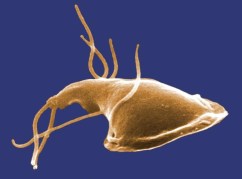
CDC Giardia2

Image CDC

Key facts
• In 2017, 19 437 confirmed giardiasis cases were reported in the EU/EEA.
• The EU/EEA notification rate was 5.5 cases per 100 000 population. The highest notification rates were reported in Belgium, Estonia and Sweden.
• The highest notification rate per 100 000 was observed in the age group 0–4 years (17.6 for males and 14.9 for females).
• While the EU/EEA notification rate was stable during the period 2013–2017, the annual number of cases has increased steadily.

Report Download


Europe -Cryptosporidiosis – Annual Epidemiological Report for 2016

ECDC

Publication series: Annual Epidemiological Report on Communicable Diseases in Europe

Time period covered: This report is based on data for 2016 retrieved from The European Surveillance System (TESSy) on 15 March 2018. 

USA – Flooding from Hurricane Michael creates food safety issues across South

Food Safety News

Strong winds and heavy rain continue to wreak havoc across parts of the South today as Hurricane Michael meanders out of Georgia and heads up the mid-Atlantic Coast.

In addition to the devastating damage that is immediately visible today, less obvious hazards in the wake of the massive storm are expected to last weeks. Food safety dangers come in various forms and can cause severe illnesses and deaths as floodwaters recede.

Among the most vulnerable foods are fresh fruits and vegetables. They are breeding grounds for pathogens when power outages cause the loss of refrigeration and temperature control. Fresh produce that comes into contact with floodwater can be instantly contaminated with a wide range of bacteria, viruses and parasites.

The toxic composition of floodwater is such a serious food safety hazard that federal law prohibits the sale, distribution or donation of any produce or other food crops from fields that are flooded. Special inspections are required before such crops can even be used for animal feed. 

USA Today

Hurricane Michael leaves behind a treacherous, dangerous landscape that will likely pose risks to human health for weeks to come, experts say.

The water itself can carry bacteria and viruses that pose a major health hazard.

Among the medical dangers are cholera, Hepatitis A and vibriosis, said Dr. Robert Glatter, an emergency room physician at Lenox Hill Hospital in New York City. Glatter said storm victims need to stay focused on staying healthy while they await recovery efforts. That may mean not rushing outside as soon as the skies clear.

“Don’t panic— try to take things one step at a time when you feel overwhelmed,” he said.

Research – Cryptosporidium, Pseudomonas and Legionella responsible for most outbreaks in swimming venues including hotel swimming pools

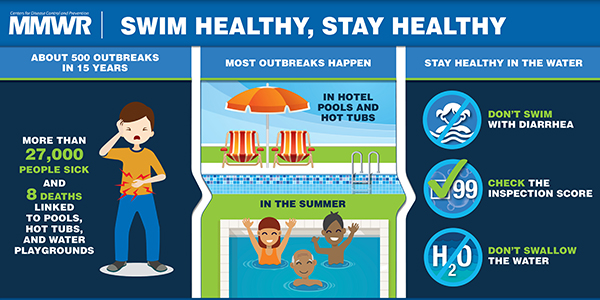
The figure is a visual abstract that details illnesses associated with recreational water and recommends how to stay healthy when swimming.

CDC-Outbreaks Associated with Treated Recreational Water — United States, 2000–2014

Outbreaks associated with exposure to treated recreational water can be caused by pathogens or chemicals in venues such as pools, hot tubs/spas, and interactive water play venues (i.e., water playgrounds). During 2000–2014, public health officials from 46 states and Puerto Rico reported 493 outbreaks associated with treated recreational water. These outbreaks resulted in at least 27,219 cases and eight deaths. Among the 363 outbreaks with a confirmed infectious etiology, 212 (58%) were caused by Cryptosporidium (which causes predominantly gastrointestinal illness), 57 (16%) by Legionella (which causes Legionnaires’ disease, a severe pneumonia, and Pontiac fever, a milder illness with flu-like symptoms), and 47 (13%) by Pseudomonas (which causes folliculitis [“hot tub rash”] and otitis externa [“swimmers’ ear”]). Investigations of the 363 outbreaks identified 24,453 cases; 21,766 (89%) were caused by Cryptosporidium, 920 (4%) by Pseudomonas, and 624 (3%) by Legionella. At least six of the eight reported deaths occurred in persons affected by outbreaks caused by Legionella. Hotels were the leading setting, associated with 157 (32%) of the 493 outbreaks. Overall, the outbreaks had a bimodal temporal distribution: 275 (56%) outbreaks started during June–August and 46 (9%) in March. Assessment of trends in the annual counts of outbreaks caused by Cryptosporidium, Legionella, or Pseudomonas indicate mixed progress in preventing transmission. Pathogens able to evade chlorine inactivation have become leading outbreak etiologies. The consequent outbreak and case counts and mortality underscore the utility of CDC’s Model Aquatic Health Code (https://www.cdc.gov/mahc) to prevent outbreaks associated with treated recreational water.

Hlavsa MC, Cikesh BL, Roberts VA, et al. Outbreaks Associated with Treated Recreational Water — United States, 2000–2014. MMWR Morb Mortal Wkly Rep 2018;67:547–551. DOI: http://dx.doi.org/10.15585/mmwr.mm6719a3

USA – Cryptosporidium cases reported in La Crosse County, Wisconsin

Outbreak News Today 


La Crosse County health officials report experiencing an increase in reported Cryptosporidiosis cases. La Crosse County has had 4 cases of cryptosporidiosis during the past 2 weeks according to Carol Drury, RS, Environmental Health Manager with the La Crosse County Health Department.

Four additional cases have been reported statewide associated with exposure from La Crosse County. The Health Department has identified that the cases have occurred among children and adults.

Public Health/Environmental Health staff are working to prevent further spread by contacting infected persons, recommending treatment and hygiene practices per guidelines from the Wisconsin Department of Health Services.

USA – Boil Water Notice in Florida – E.coli

Food Poisoning Bulletin

Broward County has issued a boil water notice for its water customers, since E. coli has been found in the municipal system. The cities affected by this notice include the City of Dania Beach, the City of Hallandale Beach, the City of Hollywood, and Broward County WWS customers in service area 3A and 3BC. That affects parts of Dania Beach, Hollywood, Miramar, West Park, Pembroke Park, and Pembroke Pines including the Fort Lauderdale-Hollywood International Airport.

Do not drink the water without boiling it first. Bring all water, including the water you use to wash your hands and use in the kitchen, to a rolling boil. Let it boil for one minute, then let it cool before using it. Bottled water can be used instead of tap water if you prefer. Only use boiled or bottled water for drinking, making ice, preparing food, and washing dishes until further notice.

USA – CDC Drinking Water Toolbox

CDCWater

Water systems and state or local agencies issue drinking water advisories when they believe water quality is or may be compromised. Advisories tell individuals, schools, hospitals, businesses, and others about the situation and how to take immediate action—to boil tap water before drinking, for example, or to avoid drinking or even using tap water.

The Drinking Water Advisory Communication Toolbox provides a  practical guide and protocol  for communicating with stakeholders and the public about water advisories that is based upon research and identified practices. It focuses on water systems and addresses the spectrum of situations that generate drinking water advisories—from a water main break to a hurricane, a drop in pressure, or intentional contamination.

US – High E.coli Levels-Boil Water Notice- Aberdeen

Food Poisoning Bulletin

E.coli levels in the drinking water supply for the city of Aberdeen, SD have reached dangerous levels, prompting city officials to issue a boil water advisory.

Aberdeen residents should not drink tap water without boiling it first. Before it is safe to drink, the water needs to boil for a full minute. “Boiled or bottled water should be used for drinking, making ice, brushing teeth, washing dishes, and food preparation until further notice,” the advisory states

Boil Water Notice